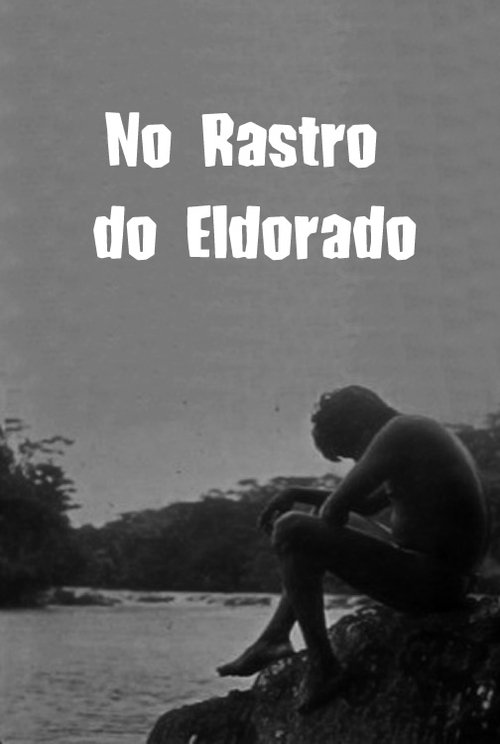
The film presents aspects of Rio Negro and Rio Branco, showing the services of Dr. H. Rice's expedition.
No Trailers found.
No Cast found.
Follows Martin Strel as he attempts to cover 3,375 miles of the Amazon River in what is being billed as the world's longest swim.
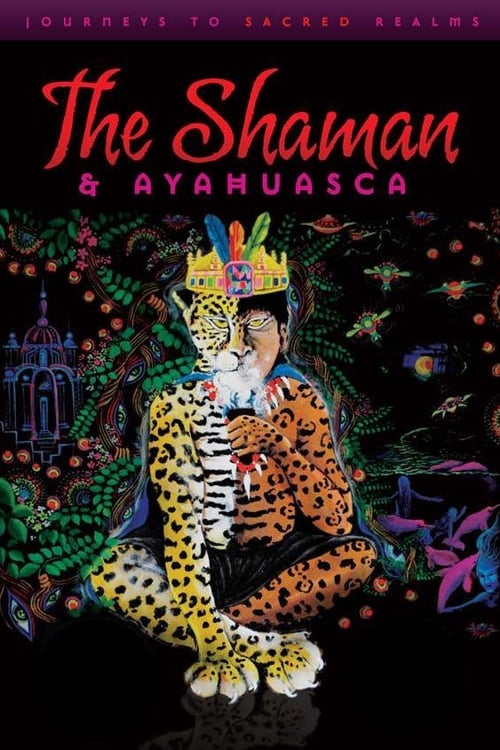
Filmed in the jungles of Peru, shaman Don Jose Campos introduces the practices and benefits of Ayahuasca, the psychoactive plant brew that has been used for healing and visionary journeys by Amazonian shamans for at least a thousand years.
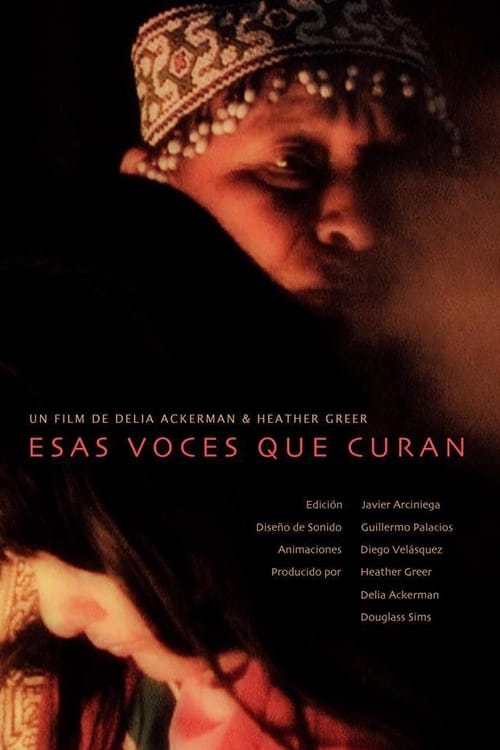
Benito Arévalo is an onaya: a traditional healer in a Shipibo-Konibo community in Peruvian Amazonia. He explains something of the onaya tradition, and how he came to drink the plant medicine ayahuasca under his father's tutelage. Arévalo leads an ayahuasca ceremony for Westerners, and shares with us something of his understanding of the plants and the onaya tradition.
Herlinda Augustin is a Shipibo healer who lives with her family in Peruvian Amazonia. Will she and other healers be able to maintain their ancient tradition despite Western encroachment?
Four Westerners with various ailments travel to Peruvian Amazonia to drink ayahuasca, a traditional medicine renowned for its healing powers.
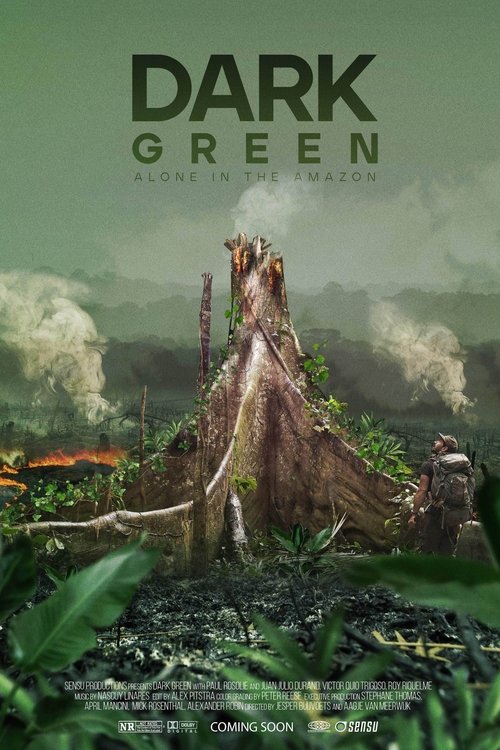
In Dark Green we follow conservationist and storyteller Paul Rosolie deep into the jungle of the Amazon, risking his life to learn more on this last remaining wilderness on earth.
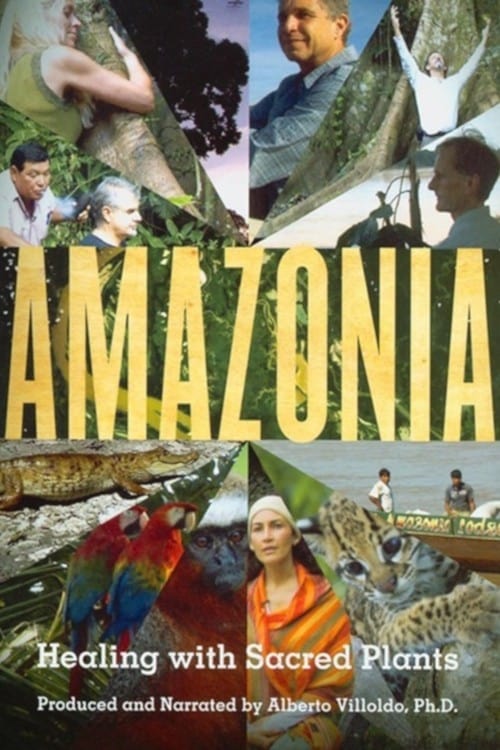
Psychologist and anthropologist Alberto Villoldo talks with traditional healers of Madre de Dios, a department within in Peruvian Amazonia. They and Dr. Villoldo explain aspects of ayahuasca, a powerful, plant-based medicine of crucial importance.
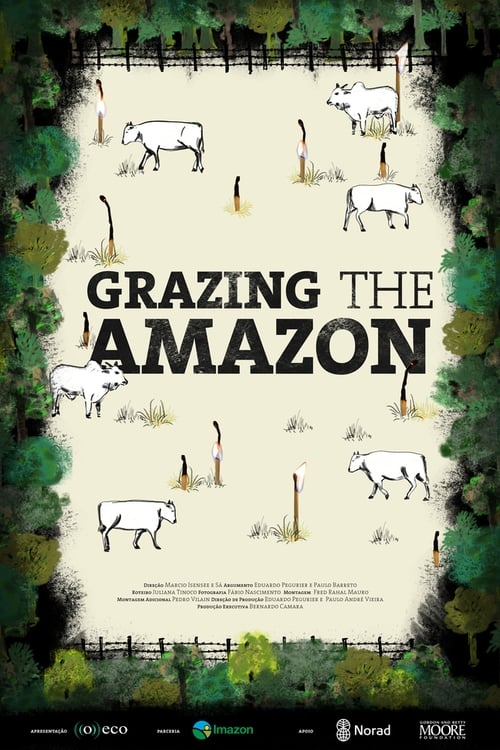
There are 85 million cows in the Brazilian Amazon, which means three cows for each human dweller grazing today and area that was once forest. Less than fifty years ago, in the 1970s, the rainforest was intact. Since then, a portion the size of France has disappeared, 66% of which transformed into pastures. Much of this change is a consequence of government incentives that attracted thousands of farmers from southern lands. Cattle ranching became an economic and cultural banner of the Amazon, forging powerful politicians to defend it. In 2009, there was a game changer: the Public Prosecutor's Office sued large slaughterhouses, forcing them to supervise cattle supplying farms.
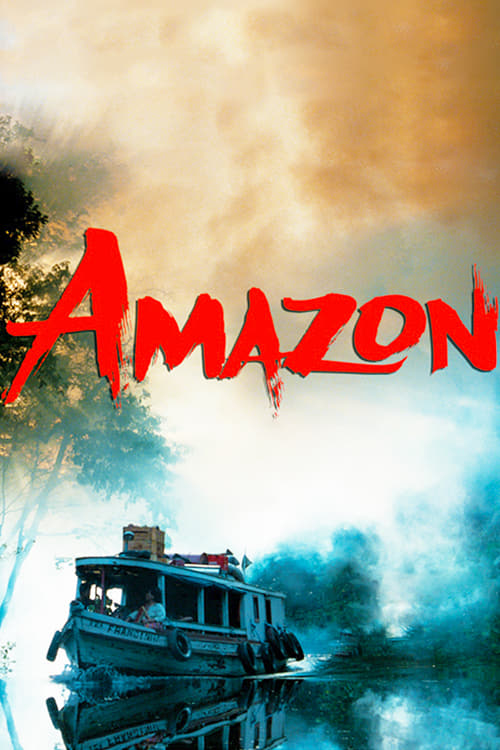
Explore the mysterious Amazon through the amazing IMAX experience. Amazon celebrates the beauty, vitality and wonder of the rapidly disappearing rain forest.
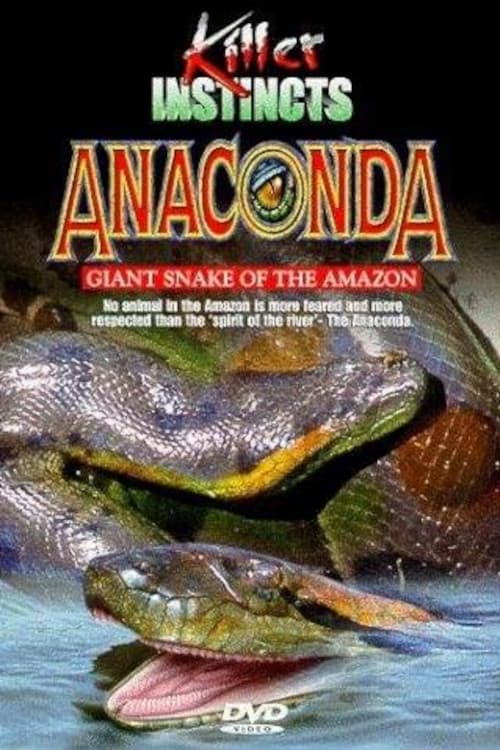
No animal in the Amazon is more feared and more respected than the 'spirit of the river' - The Anaconda
The imagination of history in Ecuador never thought that oil, “its redeeming hope”, discovered in the Lago Agrio No. 1 well, was going to mean the beginning of the worst environmental catastrophe on the planet. Thirty years of operation and exploitation of the Texaco company, forever transformed the rivers and estuaries, the forests and the life of the indigenous communities in the northern Amazon of Ecuador.
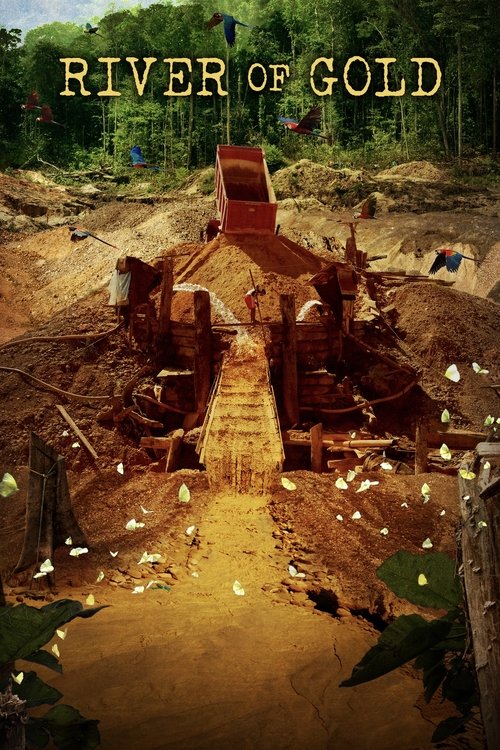
Narrated by Academy Award winners Sissy Spacek and Herbie Hancock, River of Gold is the disturbing account of a clandestine journey into Peru's Amazon rainforest to uncover the savage unraveling of pristine jungle. What will be the fate of this critical region of priceless biodiversity as these extraordinarily beautiful forests are turned into a hellish wasteland?
In powerful images, alternating between documentary observation and staged sequences, and dense soundscapes, Luiz Bolognesi documents the Indigenous community of the Yanomami and depicts their threatened natural environment in the Amazon rainforest.
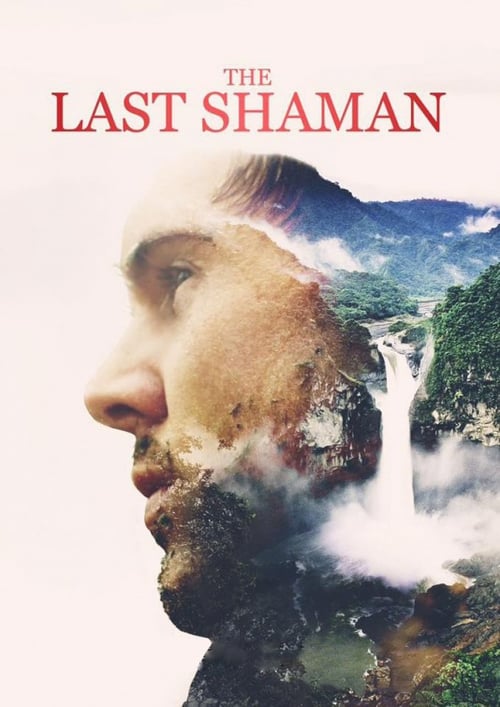
James, giving himself 12 months before he has "a license to kill himself," sets off to the Amazon rainforest with hopes of finding a shaman who can save his life.
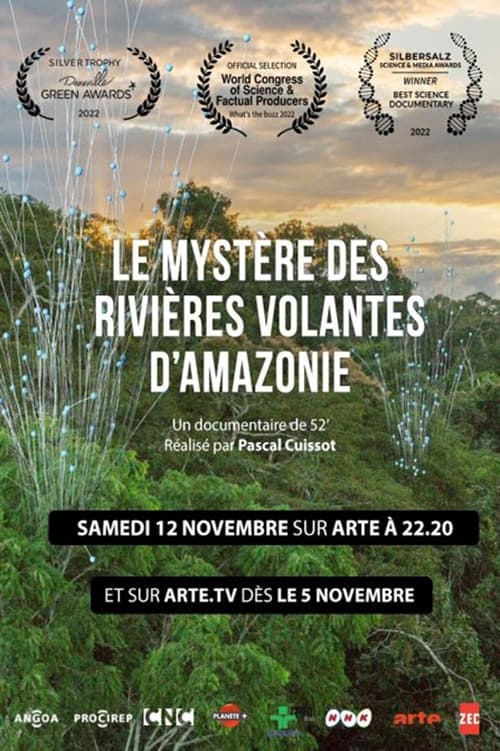
Discovered about twenty years ago, the immense masses of water vapor that fly over the Amazon, called "flying rivers", fascinate researchers. Their future could be intimately linked to climate change.
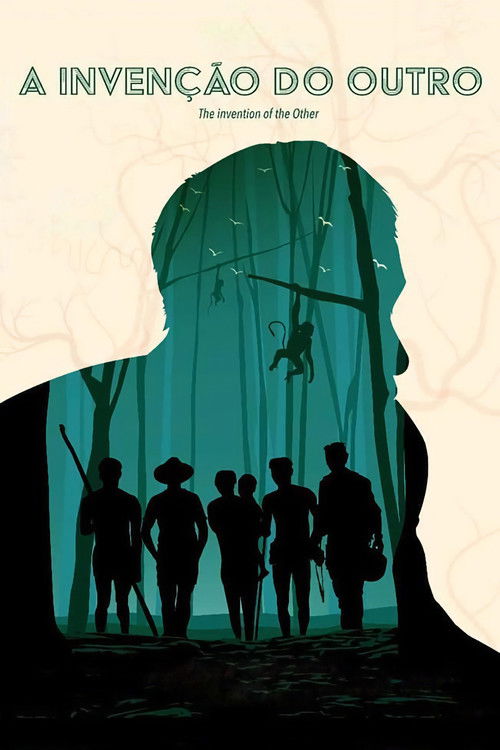
In 2019, the Brazilian government coordinates the largest and riskiest expedition of the last decades into the Amazon rainforest to search for a group of isolated indigenous people in vulnerability and promote their first contact with non-indigenous. Bruno Pereira, who would later be murdered in the same region and turned into an international symbol in favor of the indigenous and the forest, leads the expedition.
Shipibo healer Ricardo Amaringo describes how he prepares, teaches, and shares the plant medicine ayahuasca. Olivia and Julian Arévalo sing examples of icaros (healing songs) in the Shipibo language.
The last two surviving members of the Piripkura people, a nomadic tribe in the Mato Grosso region of Brazil, struggle to maintain their indigenous way of life amidst the region's massive deforestation. Living deep in the rainforest, Pakyî and Tamandua live off the land relying on a machete, an ax, and a torch lit in 1998.
No overview available.
It is thanks to this film that the Marquis gained notoriety with a wider audience. The film is the result of film footage shot between May 1926 and June 1930 in several South American countries. Departing from Guayaquil, he first went to the Galapagos Islands in the Pacific. Upon returning to the capital of Ecuador, chance brought him to the Ocaina Indians, the Boro, the Napo, the Jivaro and the Piro. He explored the Incan mines of Machu Picchu, discovered only a few years prior, and ended his journey on the famed Guano islands. The musical score, inspired by traditional Indian music, was created by Maurice Jaubert.