Battle of Waterlooo-1815. The Compelling Story of the Bloody Conflict that shaped the World's Destiny.
No Trailers found.
No Cast found.
In David Grubin's NAPOLEON watch Napoleon's rise from obscurity to victories that made him a hero to the French people and convinced him he was destined for greatness. Learn of his love for Josephine Beauharnais, and his rise to Emperor. Witness his extraordinary achievements and ultimately his fall, his final battles, his exile to Elba, and his defeat at Waterloo. For nearly two decades he strode the world stage like a colossus -- loved and despised, venerated and feared. From his birth on the rugged island of Corsica to his final exile on the godforsaken island of St. Helena, NAPOLEON brings this extraordinary figure to life.
May 5, 1821. Napoleon Bonaparte, deposed emperor exiled on the island of St. Helena, is about to take his last breath. The son of a Corsican family, he has been close to death on many occasions since, as a young captain in the revolutionary army, he seized Toulon from the royalists in 1793.
An exploration of Edmond Dédé and Basile Barès were 19th-century New Orleans composers of color. Dédé, born free, was an orchestral composer and violist, known for his opera Morgiane. Barès, born into slavery, was a pianist and composer of music for dance halls, unique for being the only known American composer with a copyright assigned to his work while enslaved.
The end of the Franco-Prussian war (1870-71) saw the birth of the panoramas of war, huge circular paintings depicting scenes of war, cruelty and desolation that were contemplated by thousands of spectators, a kind of inmersive static newsreels, a mass media prior to the era of mass media, a virtual reality on canvas.
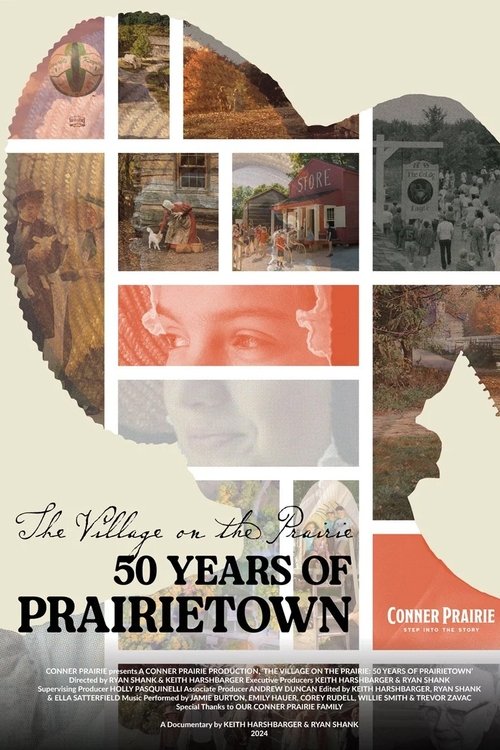
Founded in 1974 by Eli Lilly, Prairietown at Conner Prairie immerses guests in 19th-century Indiana life through trades, foodways, music and daily activities. In 2024, its 50-year legacy is celebrated with a documentary.
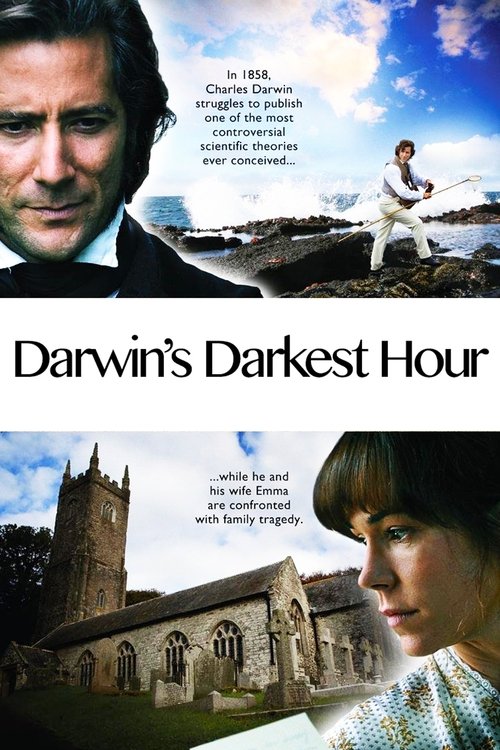
In 1858 Charles Darwin struggles to publish one of the most controversial scientific theories ever conceived, while he and his wife Emma confront family tragedy.
No overview available.
Behind the iconic Eiffel Tower lies the story of an incredible challenge to erect a thousand-foot tower that went far beyond a design competition, and marked a major turning point in engineering history. It was the beginning of radical transformation where iron was pitted against stone, engineering against architecture, and modern design against ancients. Press campaigns, lobbying, public conferences, denigration of opposing projects, bragging about big names - all participants engaged in a fierce battle without concession. Using 3D recreations, official sources (reports, letters, drawings...) and intimate archives obtained from their descendants, this film will bring to life this vertical race through a fresh and visual way to mark the centenary of Eiffel death.
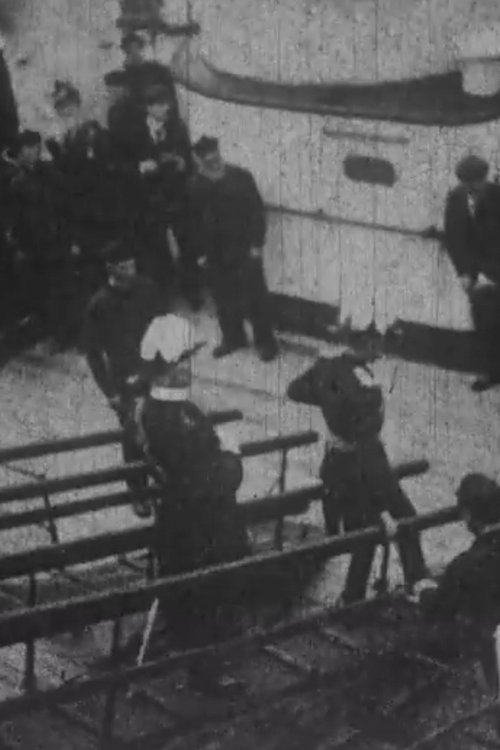
Actuality film. Late 19th century General Officer ranks and higher cross to a ship over a gangplank. As VIPs they meet some people which we don't get to see, then cross back again, getting caught in a crowd melée at the top of the stairs from the quayside.
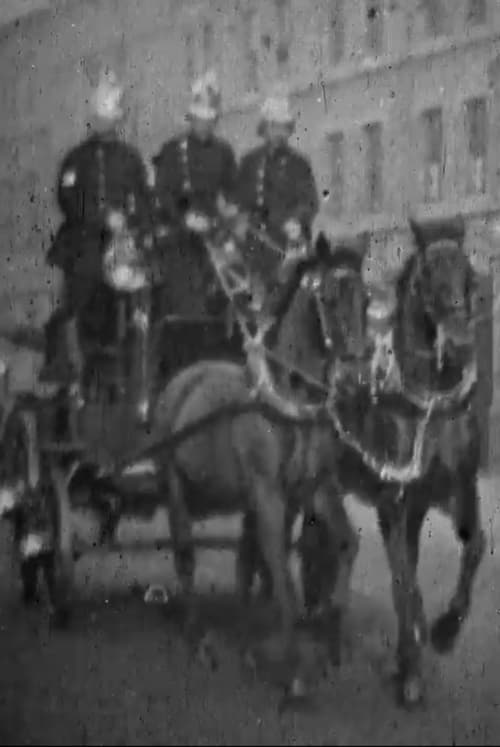
4 horse drawn fire brigade carts pull out from Newcastle fire station in the UK as part of a filmed demonstration
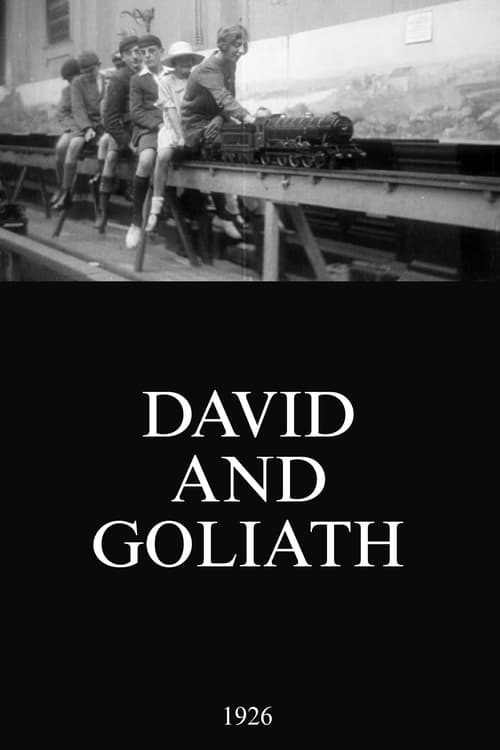
A gleaming giant of steam and its cute Lilliputian cousin are an even match in this newsreel battle of the trains.
Explorers Meriwether Lewis and William Clark lead a U.S. expedition to the Pacific Ocean and back.
One of the most controversial figures in U.S. history, Jesse James has captured the imagination of the world for more than a century. Teen guerilla fighter, Civil War soldier, notorious bandit, James holds a place in popular legend like no other. Through expert accounts, historic analysis and forensic science, this revealing exposé traces the outlaw's life from his humble Southern childhood through his rise to infamy and his mysterious death.
Photo sequence of the rare transit of Venus over the face of the Sun, one of the first chronophotographic sequences. In 1873, P.J.C. Janssen, or Pierre Jules César Janssen, invented the Photographic Revolver, which captured a series of images in a row. The device, automatic, produced images in a row without human intervention, being used to serve as photographic evidence of the passage of Venus before the Sun, in 1874.
On January 31, 1857, the French writer Gustave Flaubert (1821-80) took his place in the dock for contempt of public morality and religion. The accused, the real one, is, through him, Emma Bovary, heroine with a thousand faces and a thousand desires, guilty without doubt of an unforgivable desire to live.
The history of the potato through the ages—with a focus on European history and a twinkle in its eye