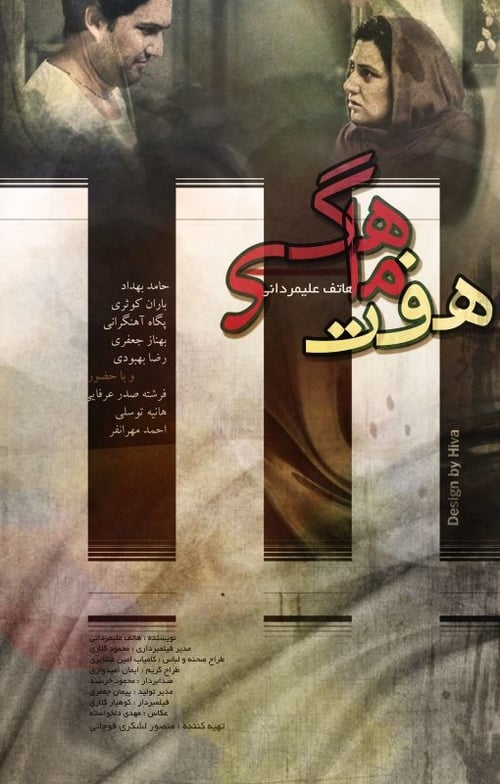
Siavash Shahabi film made in 2011.
Trailer
Mahdi
narges
Babak
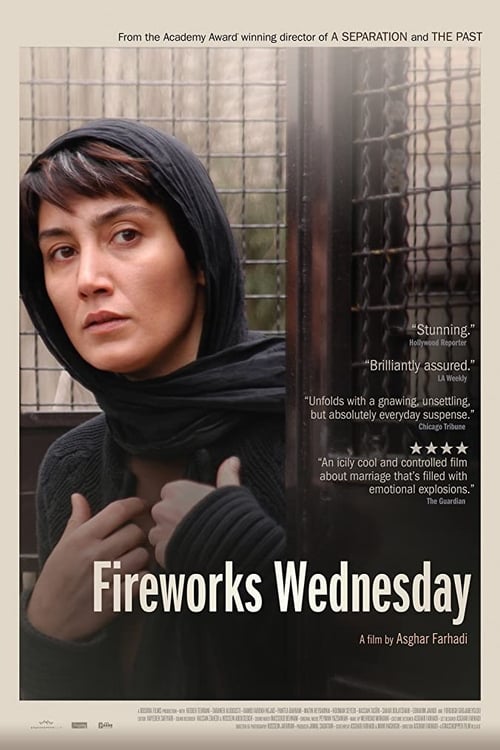
Rouhi, a young bride-to-be, is hired as a maid for an affluent family in Tehran. Upon arriving, she is suddenly thrust into an explosive domestic conflict. The wife is convinced her husband is having an affair and enlists Rouhi as a spy, to follow her husband, and confirm her suspicions. What Rouhi discovers, however, threatens not only their marriage but her own future.
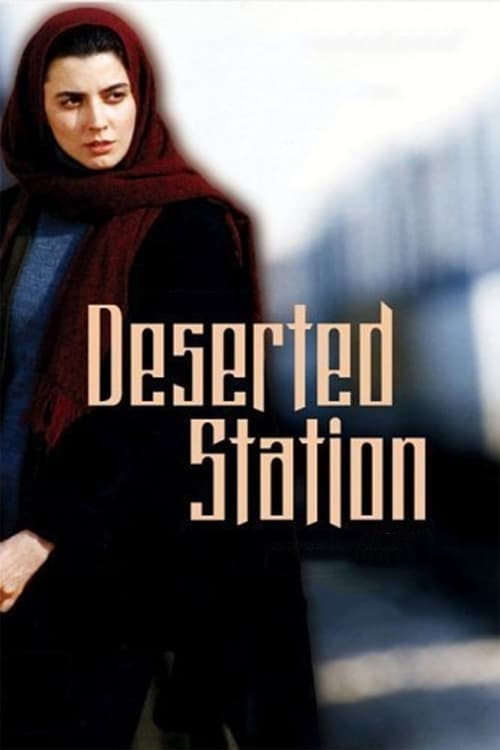
On a pilgrimage to Mashad from Tehran, a couple's transportation breaks down, far from any major town. The husband, a photographer, seeks help at a nearby village and encounters a teacher who offers to help. Whilst the husband and teacher go off to find a spare part, the wife, who used to be a teacher, takes over the teaching lessons in the village. It is clear that the children live there, in this strange deserted place, without any men, save the teacher and an old signal guard. As the day draws on, the children help to bring a new hope and life into the wife's heart.
Irreverent city engineer Behzad comes to a rural Kurdish village in Iran to keep vigil for a dying relative. In the meanwhile the film follows his efforts to fit in with the local community and how he changes his own attitudes as a result.
In the middle of a midlife crisis, Sacha leaves his girlfriend and moves into his grandparents' Airbnb. There he meets Marjan, a married Iranian woman. The involuntary encounter becomes a moment of new possibilities.
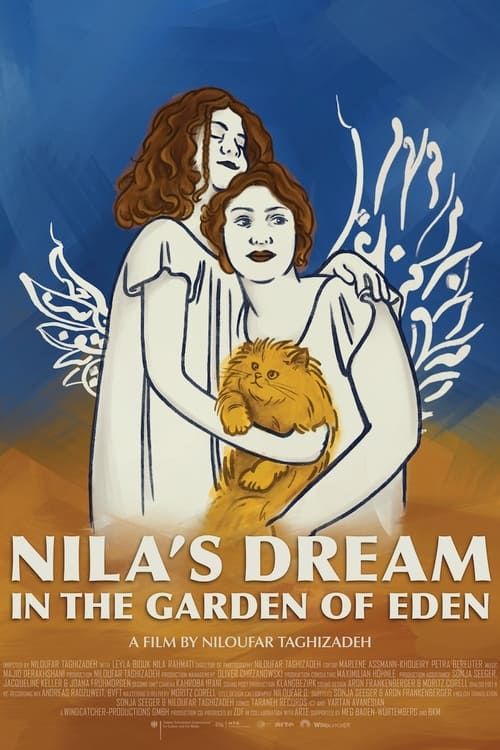
Leyla and her six-year-old daughter Nila live in the holy city of Mashhad in Iran. Nila is the result of a temporary marriage, which allows a man to marry a woman even if he is already married. Children born from such a relationship are legally non-existent. As long as the father does not recognize the child, no birth certificate can be issued and Nila cannot attend school. The documentary depicts Leyla's tireless efforts to clarify Nila's legal status in order to offer her a perspective for her future. In a never-ending bureaucratic battle, Leyla fights not only against the legal system, but also against a judgmental society.
Revenge may have irreversible consequences.
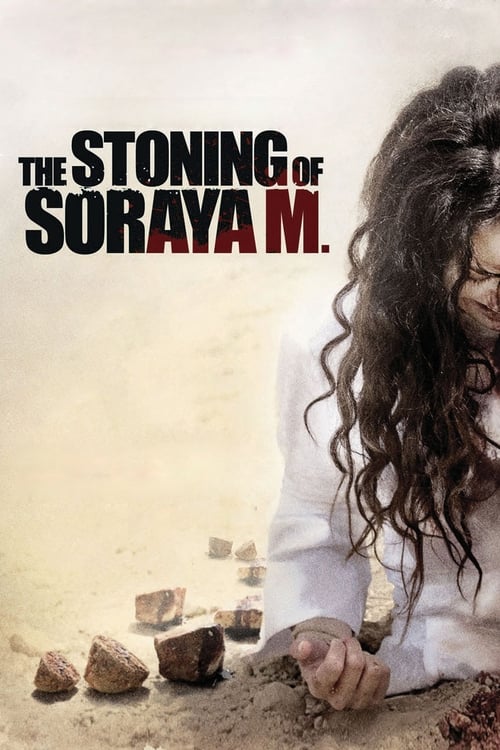
In 1986 Iran, Sahebjam, whose car breaks down in a remote village, enters into a conversation with Zahra, who relays to him the story about her niece, Soraya, whose arranged marriage to an abusive tyrant ended in tragedy.
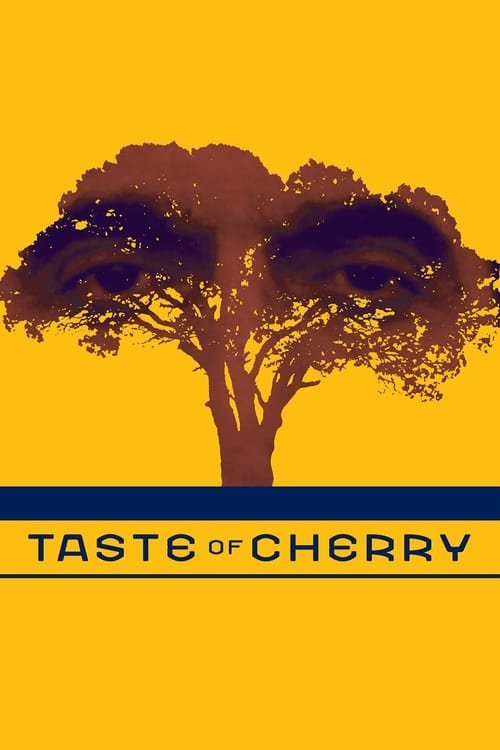
A middle-aged Tehranian man, Mr. Badii is intent on killing himself and seeks someone to bury him after his demise. Driving around the city, the seemingly well-to-do Badii meets with numerous people, including a Muslim student, asking them to take on the job, but initially he has little luck. Eventually, Badii finds a man who is up for the task because he needs the money, but his new associate soon tries to talk him out of committing suicide.
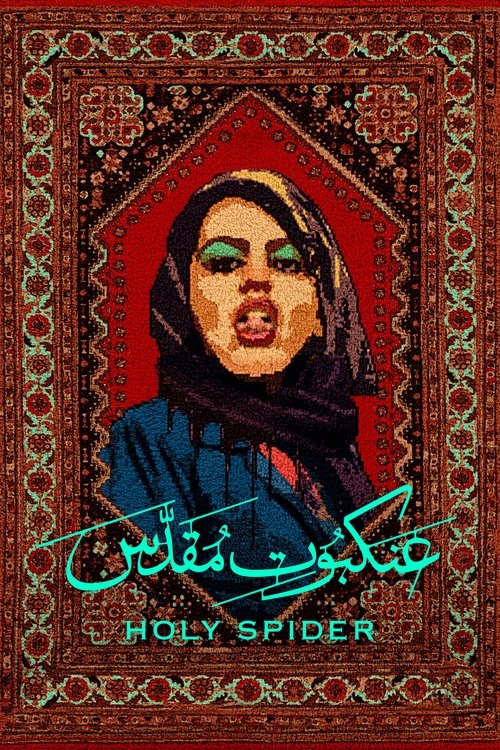
A journalist descends into the dark underbelly of the Iranian holy city of Mashhad as she investigates the serial killings of sex workers by the so called "Spider Killer", who believes he is cleansing the streets of sinners.
A woman attempts to obtain the consent of the victim's family to release her husband from the death penalty, meanwhile, the husband is suffering from brain death.
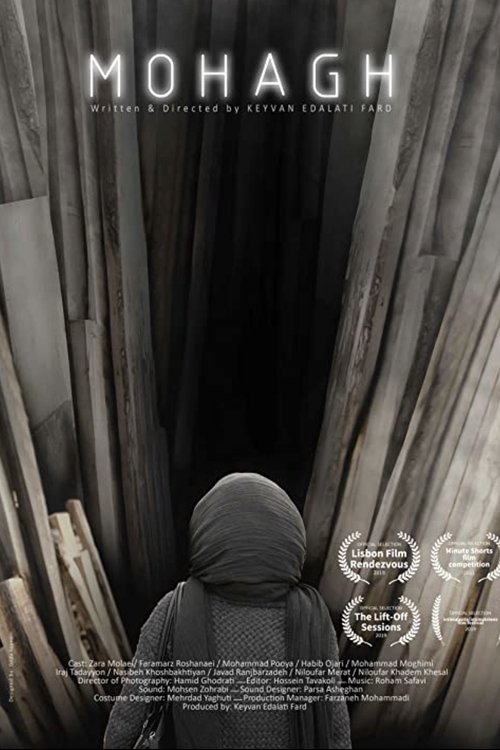
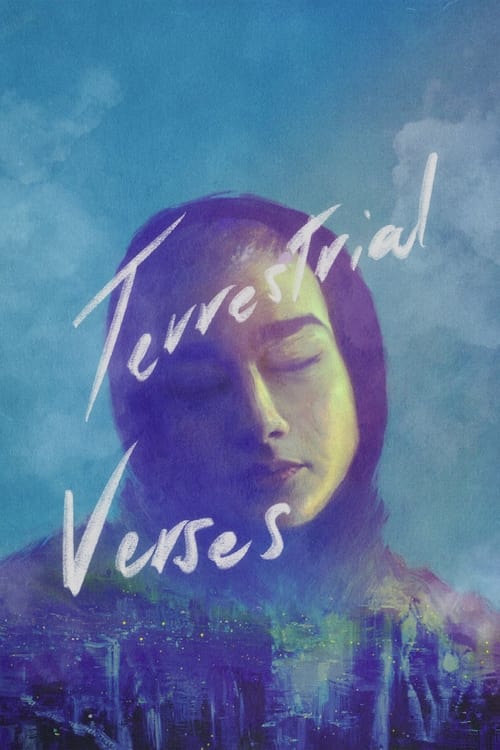
No overview available.
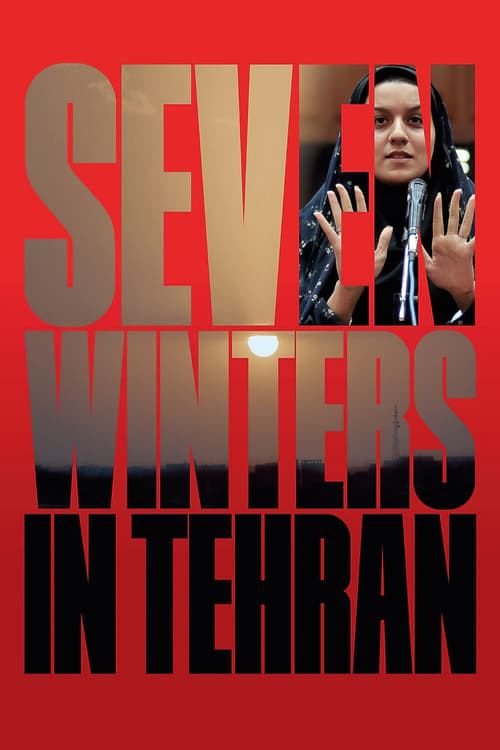
After seven years in prison, a female student in Tehran is hanged for murder. She had acted in self-defence against a rapist. For a pardon, she would have had to retract her testimony. This moving film reopens the case.
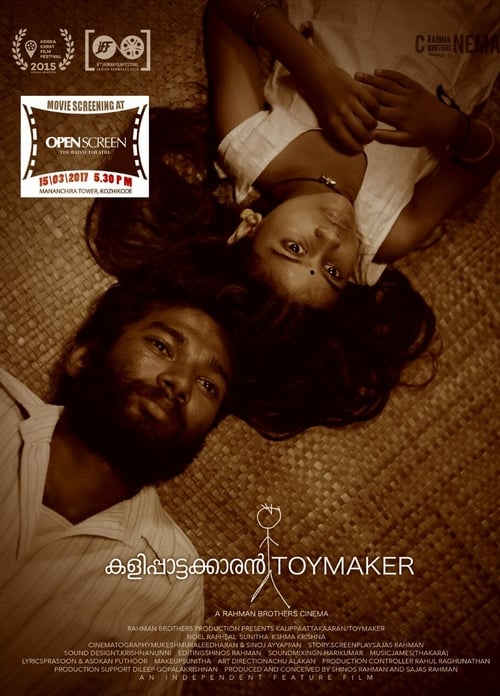
A young toymaker tries to make sense of the impermanence of life that he has been forced to acknowledge through experiences of separation and death.
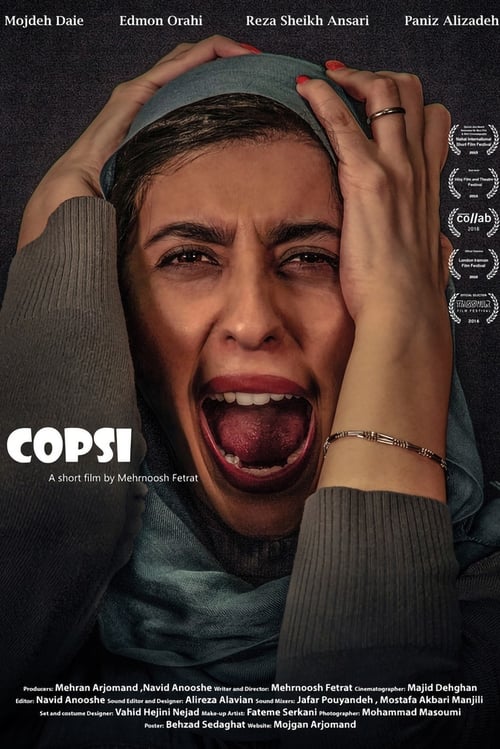
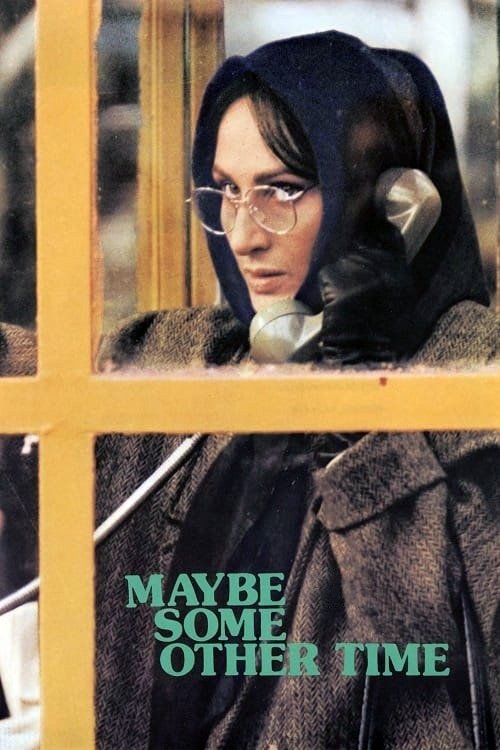
A young couple have problems in their marriage.
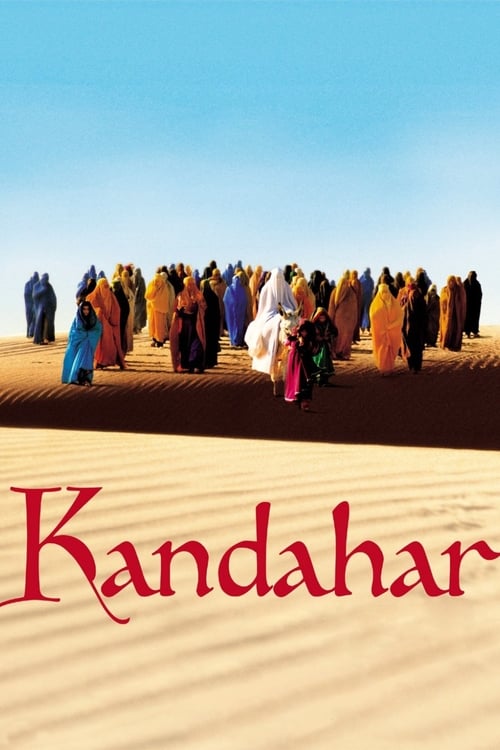
After an Afghanistan-born woman who lives in Canada receives a letter from her suicidal sister, she takes a perilous journey through Afghanistan to try to find her.
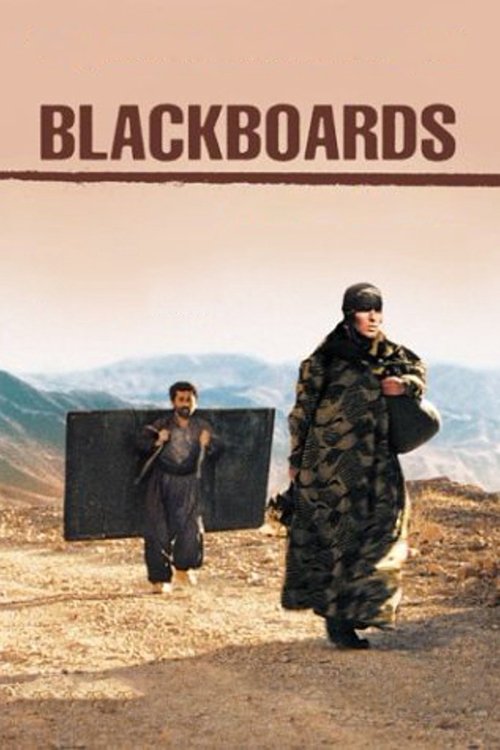
Itinerant Kurdish teachers, carrying blackboards on their backs, look for students in the hills and villages of Iran, near the Iraqi border during the Iran-Iraq war. Said falls in with a group of old men looking for their bombed-out village; he offers to guide them, and takes as his wife Halaleh, the clan's lone woman, a widow with a young son. Reeboir attaches himself to a dozen pre-teen boys weighed down by contraband they carry across the border; they're mules, always on the move. Said and Reeboir try to teach as their potential students keep walking. Danger is close; armed soldiers patrol the skies, the roads, and the border. Is there a role for a teacher? Is there hope?
Famed actress Susan Taslimi plays three roles here: Kian, who doubts her identity; Vida, the twin sister, a self-assured artist; and their mother, who gives up one child out of fear of poverty, then deprives the other of affection because she deeply regrets the child whom she has abandoned.
A satirical take on the mundane absurdities of life in modern-day Iran, these nine vignettes illuminate the lighter side of enduring under authoritarian rule. Whether choosing a name for a newborn, graduating from grade school, getting a driver’s license, applying for a job, or seeking approval for a film script, if you live in Iran, you best come fluent in Orwellian discourse.
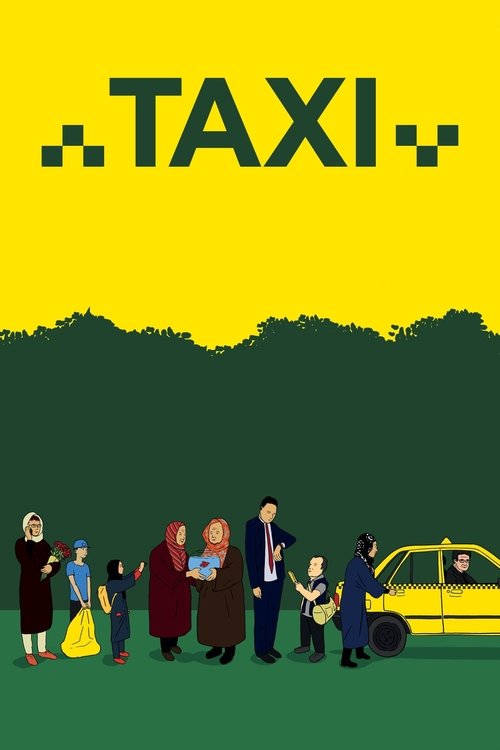
A yellow cab is driving through the vibrant and colourful streets of Tehran. Very diverse passengers enter the taxi, each candidly expressing their views while being interviewed by the driver who is no one else but the director Jafar Panahi himself. His camera placed on the dashboard of his mobile film studio captures the spirit of Iranian society through this comedic and dramatic drive…
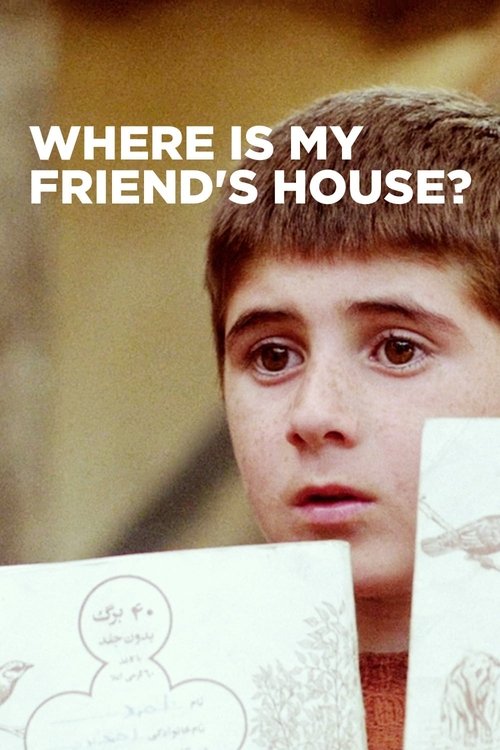
An 8-year-old boy must return his friend's notebook he took by mistake, lest his friend be punished by expulsion from school.