The Photo (Persian: عکس) is a 2001 Iranian drama film Written and directed by Hossein Shahabi
A transparent look into the life of Iranian immigrants in America. Sholeh and her husband Nasser carry out their evening routine in a ritual they are both accustomed to but nonetheless deeply grateful for.
Parvis, the son of exiled Iranians, copes with life in his small hometown by indulging himself with pop culture, Grindr dates, and raves. After being caught shoplifting, he is sentenced to community service at a refugee shelter where he meets siblings Banafshe and Amon, who have fled Iran. As a romantic attraction between Parvis and Amon grows, the fragile relationship between the three is put to a test.
Famed actress Susan Taslimi plays three roles here: Kian, who doubts her identity; Vida, the twin sister, a self-assured artist; and their mother, who gives up one child out of fear of poverty, then deprives the other of affection because she deeply regrets the child whom she has abandoned.
An Iranian film.
Against the tumultuous backdrop of Iran's 1953 CIA-backed coup d'état, the destinies of four women converge in a beautiful orchard garden, where they find independence, solace and companionship.
The mysterious disappearance of a kindergarten teacher during a picnic in the north of Iran is followed by a series of misadventures for her fellow travelers.
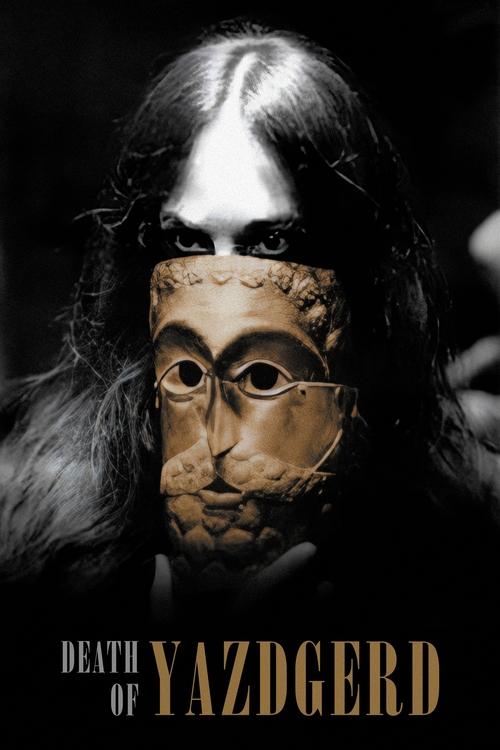
Bahram Beyzai's poetic imagining of the circumstances that led to the death of Yazdgerd III, the last of the Sassanid kings of Iran. His death in 651, during the Arab invasions that brought Islam to this Zoroastrian realm, was mysterious: his corpse was discovered in a mill, but the cause of his death—and the whereabouts of his remains—are unknown.
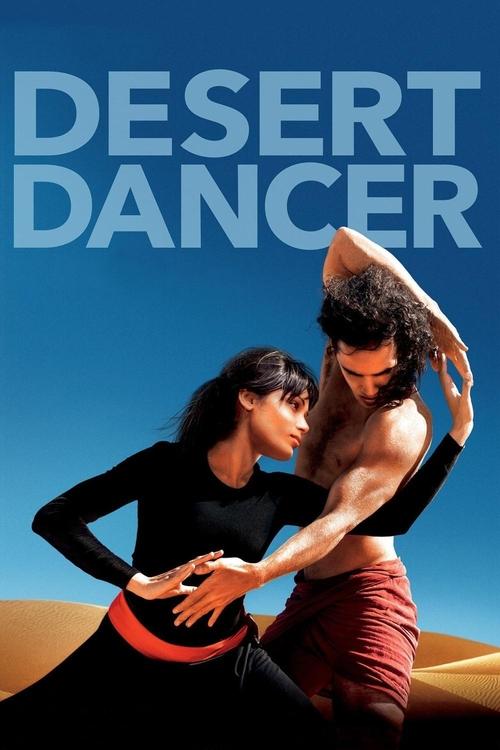
Inspirational true story of Iranian dancer Afshin Ghaffarian, who risked his life for his dream to become a dancer despite a nationwide dancing ban.
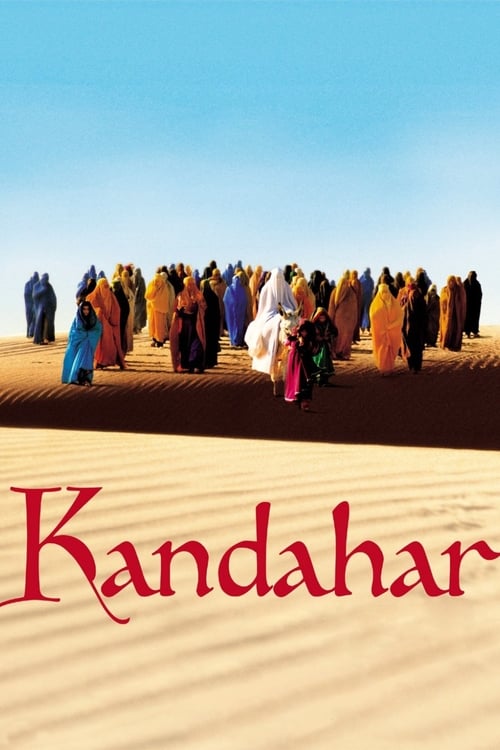
After an Afghanistan-born woman who lives in Canada receives a letter from her suicidal sister, she takes a perilous journey through Afghanistan to try to find her.
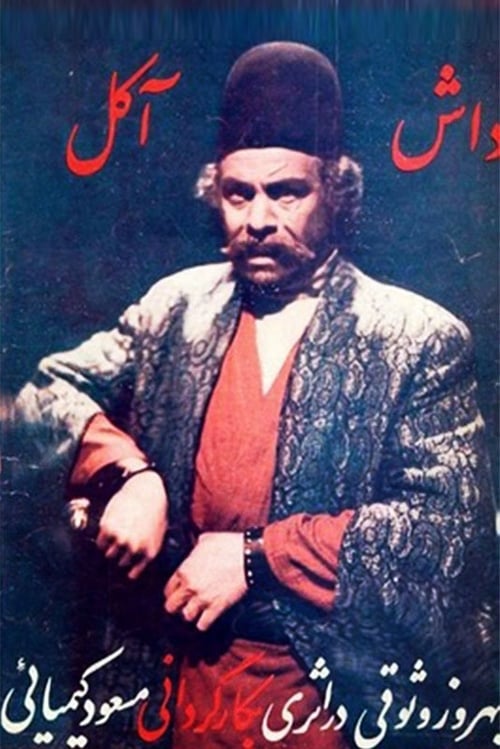
Dash Akol is greatly respected in Shiraz as an honorable man who has lost his family's money through helping his friends. He has an enemy, however, named Kaka Rostam, a mean and spiteful person. Dash Akol, who is in his forties, falls in love with Marjan, daughter of the late Haji Samad, for whose estate he is the executor. But he keeps his love secret. One day a suitor asks for Marjan's hand, and Dash Akol considers it against his code of honor to refuse. On the night of the wedding, Dash Akol hands over responsibility for the family to the bridegroom. As he is leaving the house, however, Kaka Rostam is waiting for him and a fight ensues. Kaka Rostam stabs him in the back, but Dash Akol succeeds in killing him. On his deathbed, Dash Akol sends his parrot to Marjan with the confession of love he has taught it.
An urban guerrilla, wounded after a bank robbery, seeks refuge with his childhood friend—only to discover that his friend has fallen into addiction. The guerrilla hides in his house and gradually begins to influence him, helping him regain his courage and strength. Eventually, he entrusts the stolen money to him…
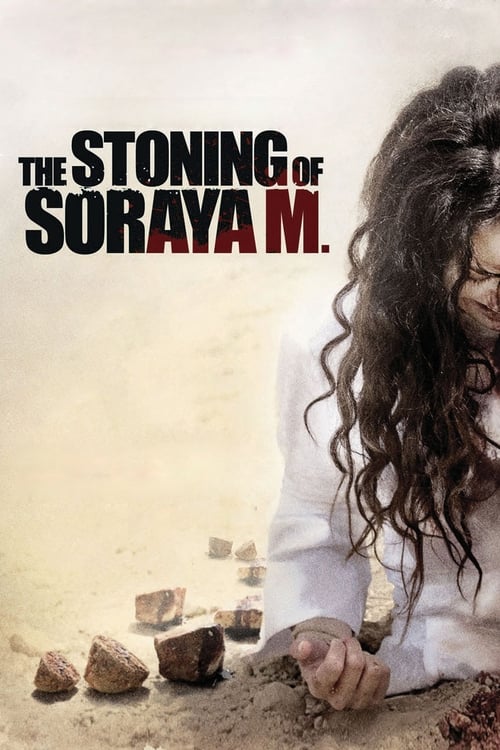
In 1986 Iran, Sahebjam, whose car breaks down in a remote village, enters into a conversation with Zahra, who relays to him the story about her niece, Soraya, whose arranged marriage to an abusive tyrant ended in tragedy.
Revenge may have irreversible consequences.
Irreverent city engineer Behzad comes to a rural Kurdish village in Iran to keep vigil for a dying relative. In the meanwhile the film follows his efforts to fit in with the local community and how he changes his own attitudes as a result.
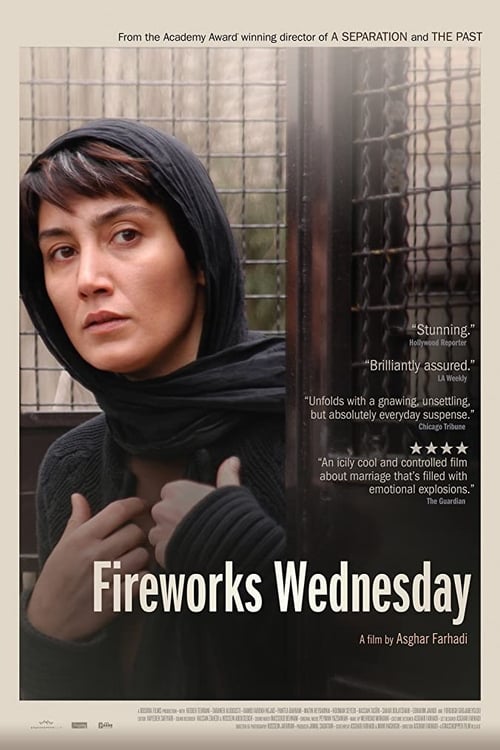
Rouhi, a young bride-to-be, is hired as a maid for an affluent family in Tehran. Upon arriving, she is suddenly thrust into an explosive domestic conflict. The wife is convinced her husband is having an affair and enlists Rouhi as a spy, to follow her husband, and confirm her suspicions. What Rouhi discovers, however, threatens not only their marriage but her own future.
A political allegory on four middle-class guys who pile into their car for a ski weekend. A brief stop at a picturesque vista leads to their chance discovery of a prominent rock formation it seems would be oh so easy to tip over, but...
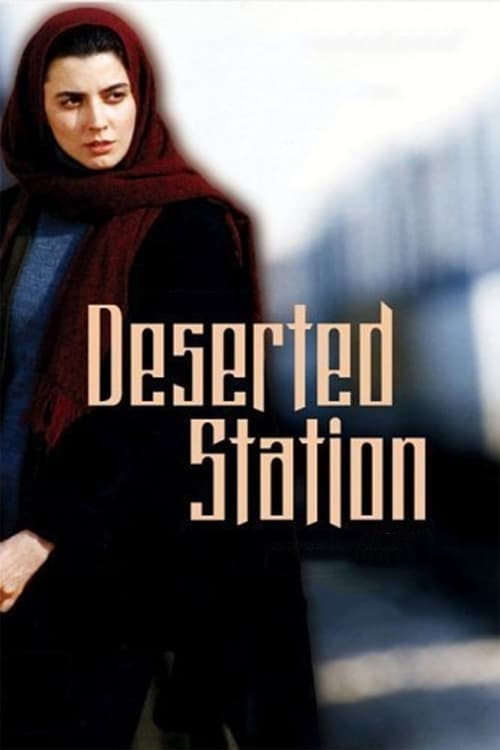
On a pilgrimage to Mashad from Tehran, a couple's transportation breaks down, far from any major town. The husband, a photographer, seeks help at a nearby village and encounters a teacher who offers to help. Whilst the husband and teacher go off to find a spare part, the wife, who used to be a teacher, takes over the teaching lessons in the village. It is clear that the children live there, in this strange deserted place, without any men, save the teacher and an old signal guard. As the day draws on, the children help to bring a new hope and life into the wife's heart.
No overview available.
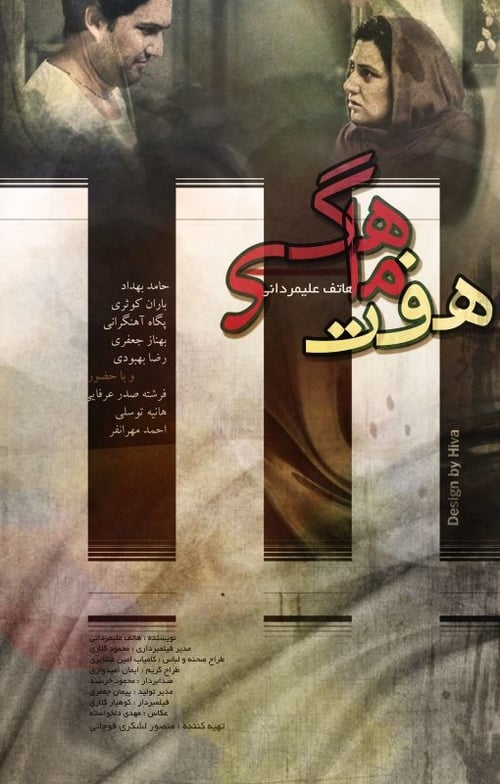
An Iranian journalist couple wants to move to America to escape the difficulties of their country. The woman receives her visa but her husband doesn't. He stays in Iran and watches his wife find success on television and falls into a state of depression.
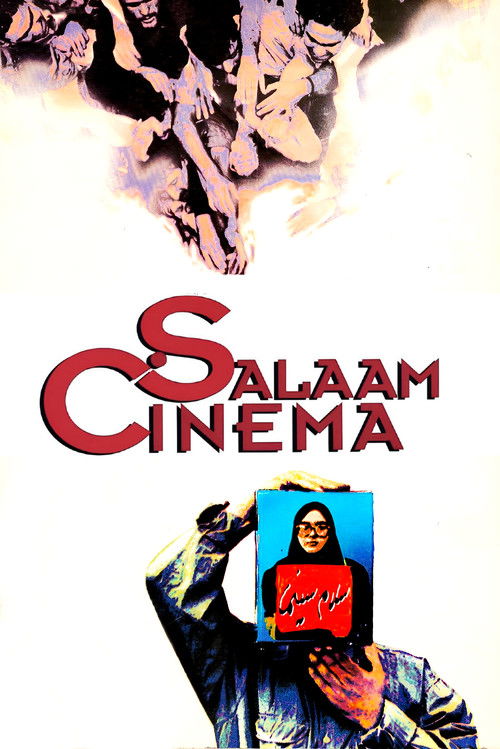
Makhmalbaf puts an advertisement in the papers calling for an open casting for his next movie. However when hundreds of people show up, he decides to make a movie about the casting and the screen tests of the would-be actors.
No Trailers found.
sina
Fariba
mahdi
Farrokhe
niloofar