logologo
MovieVerse© 2024
Privacy PolicyTerms of ServiceContact Us
Made with ❤️ by Thathsara
movie poster
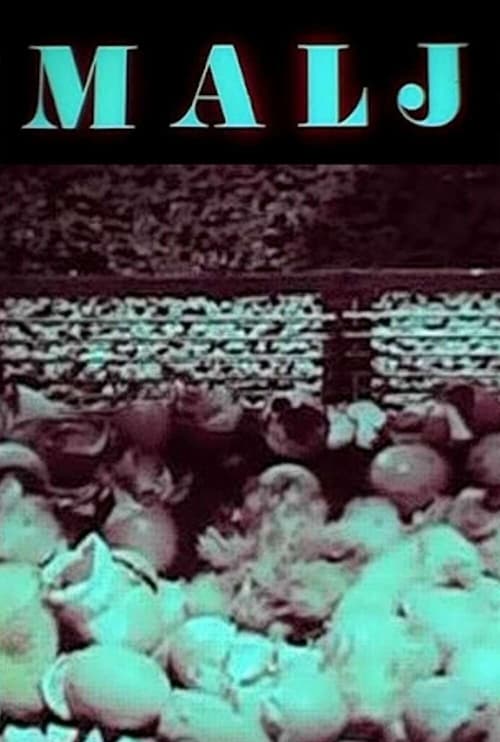
The Mallet
Sign in to create your own watchlist

The Mallet

Mar 15, 1977
0h 11m
★ 7.7

Overview

In a futuristic, antiseptic food factory, workers select healthy chicks, while the rejects are carried along a conveyor belt until they are crushed by a mallet and drop into a garbage bin. A single black chick appears among the yellow and is shoved toward the garbage bin. Before the mallet strikes, the gasping chick rebels.

Genres

Documentary

Production Companies

Dunav Film

The Mallet Trailers

Cast

No Cast found.

You may also like

Charlie Marx and the Chocolate Factory
0.0

Charlie Marx and the Chocolate Factory

Jan 1, 2009

Charlie Marx and the Chocolate Factory started as an investigation of the link between politics and chocolate, at the Karl Marx Confectionary Factory in Kiev, Ukraine. Since access to the factory was denied, the project had to be re-considered, re-invented or re-enacted. Mostly made of archival footage and re-enacted performances based on the company's website, the film merges what was left of the initial idea with what has been collected and realized instead. It borrows from the genres of video art, 'Man on the street' interview, direct address, corporate film, essay, and music video, without legitimately belonging to any of them. The film unravels as a reflection on its own failure, and yet keeps on investigating what has always been at stake: the shift from public to private property (and from analog to digital technology), dialectics of permanence and change, language as a mirror of ideology, and post-Soviet oligarchy culture.

No Image
0.0

Atlas

Dec 31, 1931

The concept of machine-made knit was known as early as the 1850s, but it was only during the 1920s that the quality of the material had improved. When the plant known as "Atlas" was introduced in 1931, the shop windows drew a lot of attention, and Aho & Soldan was ordered to make a promotional film. In this well-paced film, we see the jersey production step by step.

Lobsters Unlimited
0.0

Lobsters Unlimited

Mar 1, 1959

An overview of the lobster fishing industry in Nova Scotia.

Film-Tract n° 1968
6.5

Film-Tract n° 1968

Jun 1, 1968

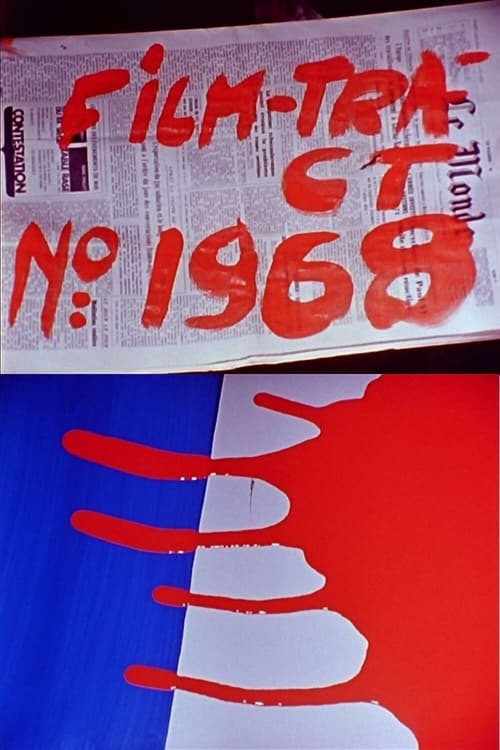
In the 1968 movement in Paris, Jean-Luc Godard made a 16mm, 3-minute long film, Film-tract No.1968, Le Rouge, in collaboration with French artist Gérard Fromanger. Starting with the shot identifying its title written in red paint on the Le Monde for 31 July 1968, the film shows the process of making Fromanger’s poster image, which is thick red paint flows over a tri-color French flag. —Hye Young Min

March of the Penguins
7.1

March of the Penguins

Jan 26, 2005

Every year, thousands of Antarctica's emperor penguins make an astonishing journey to breed their young. They walk, marching day and night in single file 70 miles into the darkest, driest and coldest continent on Earth. This amazing, true-life tale is touched with humour and alive with thrills. Breathtaking photography captures the transcendent beauty and staggering drama of devoted parent penguins who, in the fierce polar winter, take turns guarding their egg and trekking to the ocean in search of food. Predators hunt them, storms lash them. But the safety of their adorable chicks makes it all worthwhile. So follow the leader... to adventure!!

Megacities
6.6

Megacities

Aug 12, 1998

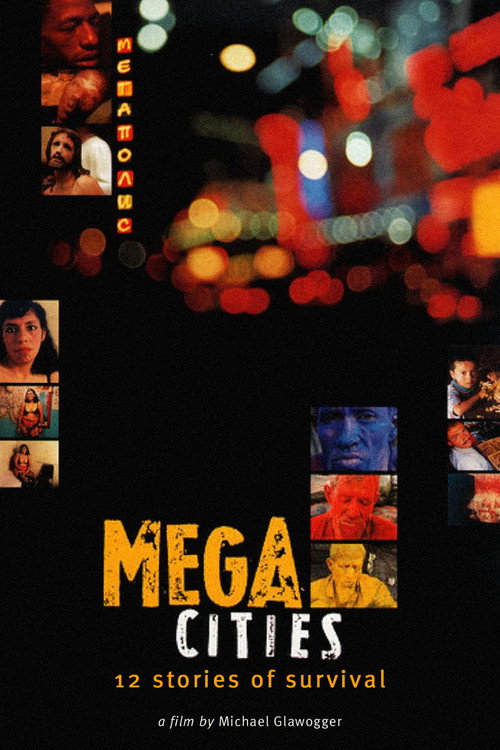
Megacities is a documentary about the slums of five different metropolitan cities.

Railway Station
4.7

Railway Station

Jan 1, 1980

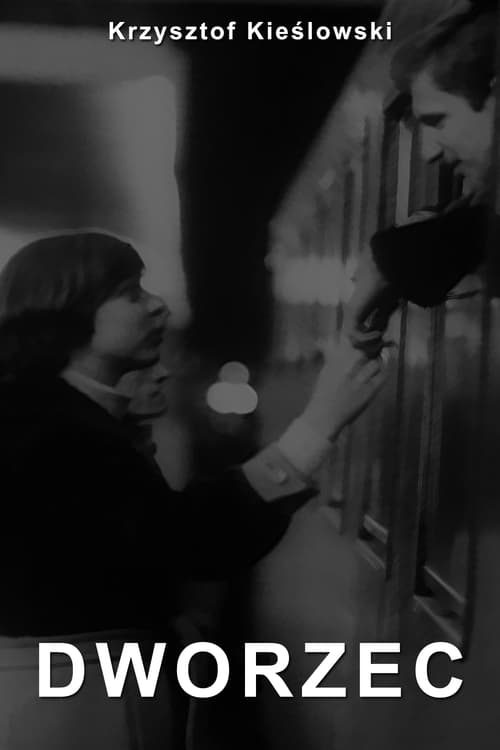
Warsaw's Central Railway Station. 'Someone has fallen asleep, someone's waiting for somebody else. Maybe they'll come, maybe they won't. The film is about people looking for something.

No Image
0.0

Clouds

Dec 19, 1969

Clouds 1969 by the British filmmaker Peter Gidal is a film comprised of ten minutes of looped footage of the sky, shot with a handheld camera using a zoom to achieve close-up images. Aside from the amorphous shapes of the clouds, the only forms to appear in the film are an aeroplane flying overhead and the side of a building, and these only as fleeting glimpses. The formless image of the sky and the repetition of the footage on a loop prevent any clear narrative development within the film. The minimal soundtrack consists of a sustained oscillating sine wave, consistently audible throughout the film without progression or climax. The work is shown as a projection and was not produced in an edition. The subject of the film can be said to be the material qualities of film itself: the grain, the light, the shadow and inconsistencies in the print.

No Image
7.0

Hmoty zítřka

Mar 3, 1961

No overview available.

To Cross; One Nail, Metal Spit
0.0

To Cross; One Nail, Metal Spit

Mar 12, 2025

Filmed over a period of 3 years, this video work is a meditation on the borderline of the river Tejo, between Marvila and Barreiro. A psychogeographic piece that seeks out a feeling of doubt, inertia, and waiting. "Two sides, along the boundary line All the weight of the water above Metal arms extended to the heavens As if the sky was tilting to meet them And those giants again; Four by four . . . . all in a line, up against the tide."

Workers Leaving the Lumière Factory
6.7

Workers Leaving the Lumière Factory

Mar 22, 1895

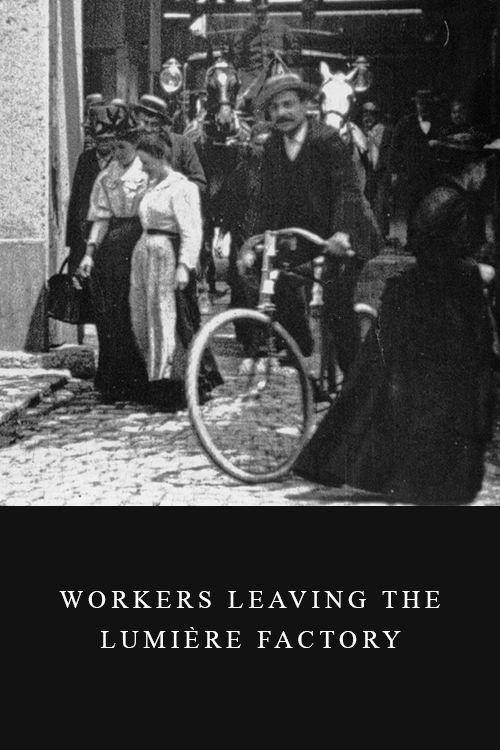
Working men and women leave through the main gate of the Lumière factory in Lyon, France. Filmed on 22 March 1895, it is often referred to as the first real motion picture ever made, although Louis Le Prince's 1888 Roundhay Garden Scene pre-dated it by seven years. Three separate versions of this film exist, which differ from one another in numerous ways. The first version features a carriage drawn by one horse, while in the second version the carriage is drawn by two horses, and there is no carriage at all in the third version. The clothing style is also different between the three versions, demonstrating the different seasons in which each was filmed. This film was made in the 35 mm format with an aspect ratio of 1.33:1, and at a speed of 16 frames per second. At that rate, the 17 meters of film length provided a duration of 46 seconds, holding a total of 800 frames.

Soldier
7.0

Soldier

Feb 13, 2017

A young man decides to join the army. He becomes the drummer in the military band, and his everyday life is now a combination of military training and music. What does the Argentine Army do these days, more than thirty years after the dictatorship? What does it mean to be a soldier in a country without wars?

No Image
5.0

Two Letters for Ana

Jun 1, 2011

A medium-length film that takes the central place in the video installation "The Lady of Corinth". In both the medium-length film and the installation, Guerin delves into the relationship between cinema and painting based on Pliny the Elder's account of the invention of painting.

Bugs!
6.3

Bugs!

Jul 24, 2003

Explore the extraordinary hidden world of insects, where a leaf weighs more than a car, rain drops feel like exploding hand grenades and a blade of grass soars like a skyscraper. Shot on location in the Borneo rainforest, Bugs! brings the beautiful and dangerous universe of its tiny stars up close and personal with cutting-edge technology that magnifies them up to 250,000 times their normal size.

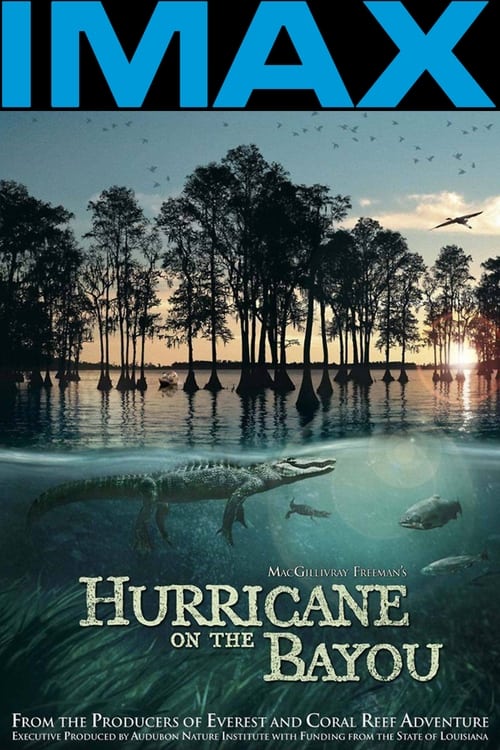
Hurricane on the Bayou
5.8

Hurricane on the Bayou

Jul 29, 2006

The film "Hurricane on the Bayou" is about the wetlands of Louisiana before and after Hurricane Katrina.

Carmencita
5.2

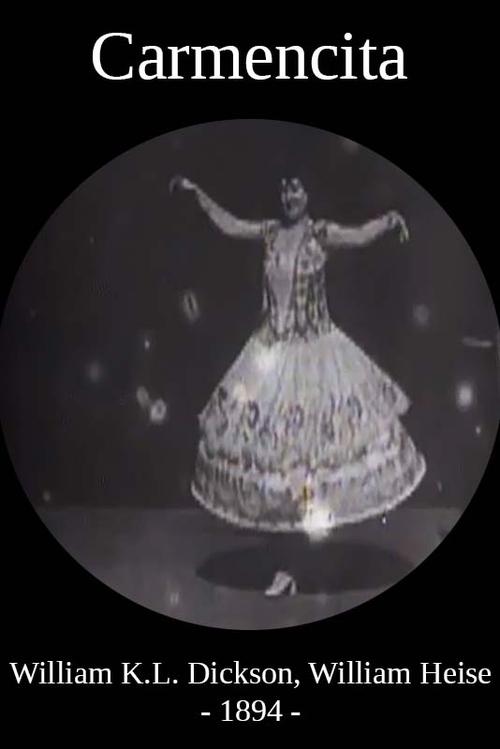
Carmencita

Mar 14, 1894

The first woman to appear in front of an Edison motion picture camera and possibly the first woman to appear in a motion picture within the United States. In the film, Carmencita is recorded going through a routine she had been performing at Koster & Bial's in New York since February 1890.

Roundhay Garden Scene
6.5

Roundhay Garden Scene

Oct 14, 1888

The earliest surviving motion-picture film, and believed to be one of the very first moving images ever created, was shot by Louis Aimé Augustin Le Prince using the LPCCP Type-1 MkII single-lens camera. It was taken on paper-based photographic film in the garden of Oakwood Grange, the Whitley family house in Roundhay, Leeds, West Riding of Yorkshire (UK), on 14 October 1888. The film shows Adolphe Le Prince (Le Prince’s son), Mrs. Sarah Whitley (Le Prince’s mother-in-law), Joseph Whitley, and Miss Harriet Hartley walking around in circles, laughing to themselves, and staying within the area framed by the camera. Roundhay Garden Scene is often associated with a recording speed of around 12 frames per second and runs for about 2 to 3 seconds.

Mystery of the Maya
4.7

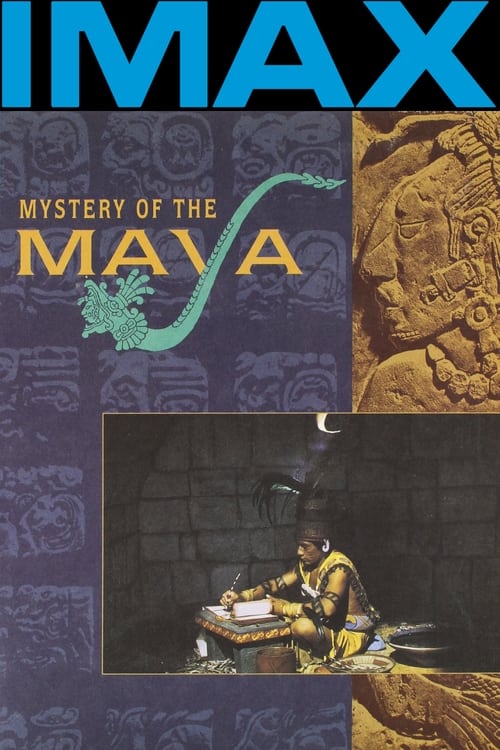
Mystery of the Maya

Jan 1, 1995

Filmed in IMAX, a young Mayan boy who lives close to the ruins becomes acquainted with an archaeologist (Guerra) and asks her to tell him about his ancestors. The crew travelled to over 15 locations in Mexico and Guatemala, including Tulum and Chichén Itzá.

Lost Worlds: Life in the Balance
5.5

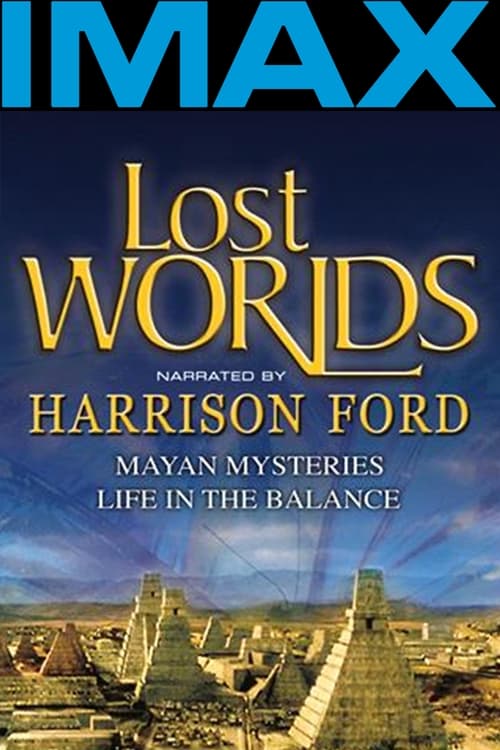
Lost Worlds: Life in the Balance

Apr 14, 2001

Lost Worlds looks at untouched aspects of nature in parts of the world where humans rarely tread. From plants, to animals, to geology, this artfully photographed documentary presents facets of the biological world that you are not likely to see anywhere else.

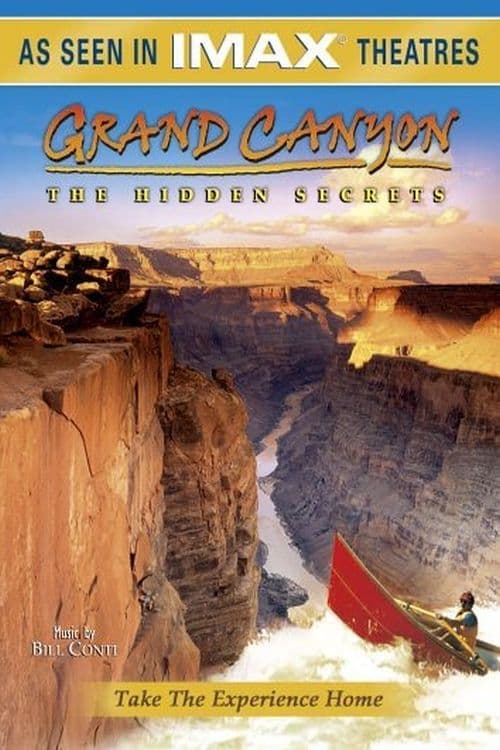
Grand Canyon: The Hidden Secrets
6.9

Grand Canyon: The Hidden Secrets

Jun 16, 1984

In this spectacular exploration you'll take a journey through the 4,000-year history of mankind's relationship with the Grand Canyon. Discover the earliest inhabitants of the Canyon whose lives are still shrouded in mystery. Travel with Spanish explorers as they become the first Europeans to uncover the Canyon's awesome beauty. Ride along in the re-enactment of US explorer John Wesley Powell's expedition down the raging Colorado River, when nine crew members risk their lives to become the first to travel the length of the Canyon by boat. Grand Canyon: The Hidden Secrets will take you into the rarely visited side canyons filled with hidden waterfalls and unusual wildlife. Experience the Canyon as never before: soaring over the rim and flying through some of the most inspiring scenery on Earth.