No Trailers found.
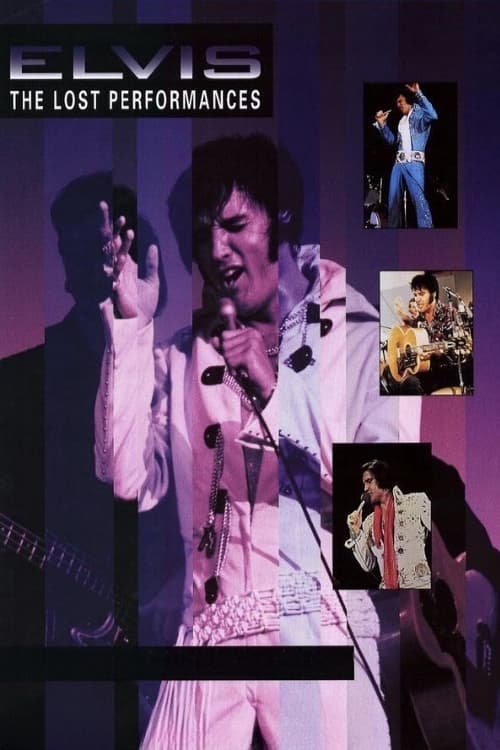
Elvis! Elvis! Elvis! Yes it's the King of Rock & Roll as never seen before in this collection of rare outtakes and negatives from the fabulous MGM vaults. "Elvis: The Lost Performances" includes footage which was filmed for "Elvis: That's the Way It Is" (1970) and "Elvis on Tour" (1972) but was never used in those films. Included are clips of Presley singing such hits as "Teddy Bear," "Heartbreak Hotel," "All Shook Up" and more.
No overview available.
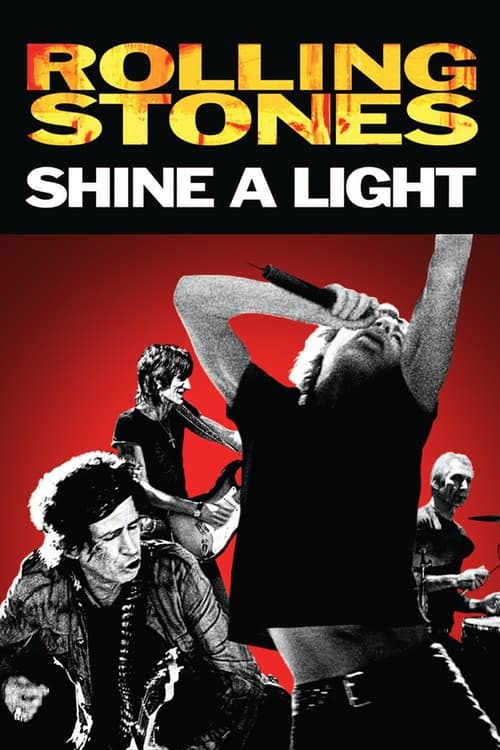
Martin Scorsese’s electrifying concert documentary captures The Rolling Stones live at New York’s Beacon Theatre during their A Bigger Bang tour. Filmed over two nights in 2006 with an all-star team of cinematographers, the film combines dynamic performances with archival footage and rare glimpses behind the scenes, offering a vibrant portrait of the band’s enduring energy and legacy.
On November 30, 2017 the National Park Service and National Park Foundation will present the annual National Christmas Tree Lighting. Popular entertainers and a United States military band add to the celebratory evening.
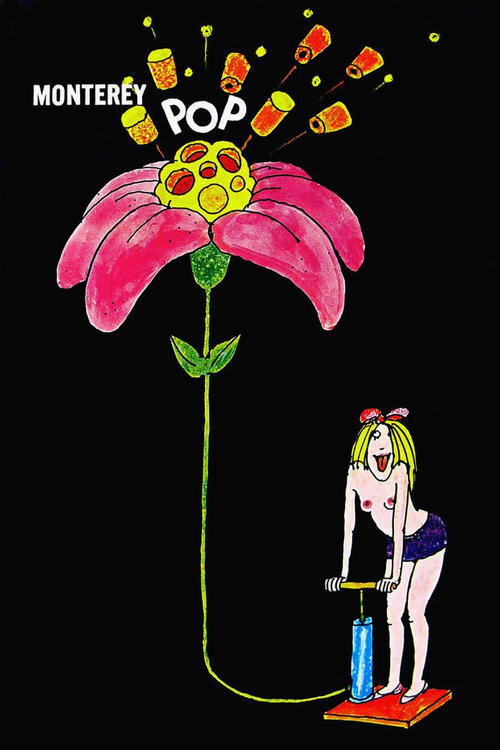
Featuring performances by popular artists of the 1960s, this concert film highlights the music of the 1967 California festival. Although not all musicians who performed at the Monterey Pop Festival are on film, some of the notable acts include the Mamas and the Papas, Simon & Garfunkel, Jefferson Airplane, the Who, Otis Redding, and the Jimi Hendrix Experience. Hendrix's post-performance antics -- lighting a guitar on fire, breaking it and tossing a part into the audience -- are captured.
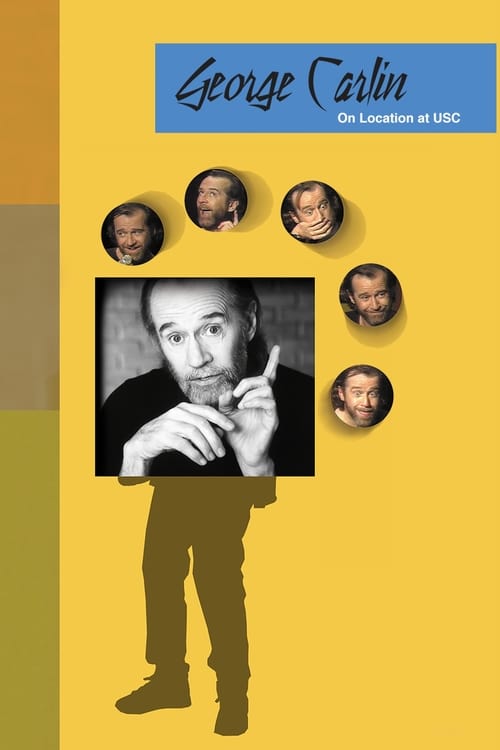
George Carlin's first ever comedy special, filmed live at the University of Southern California. Here, he talks about monopoly, flying on planes, random thoughts, walking, and other things.
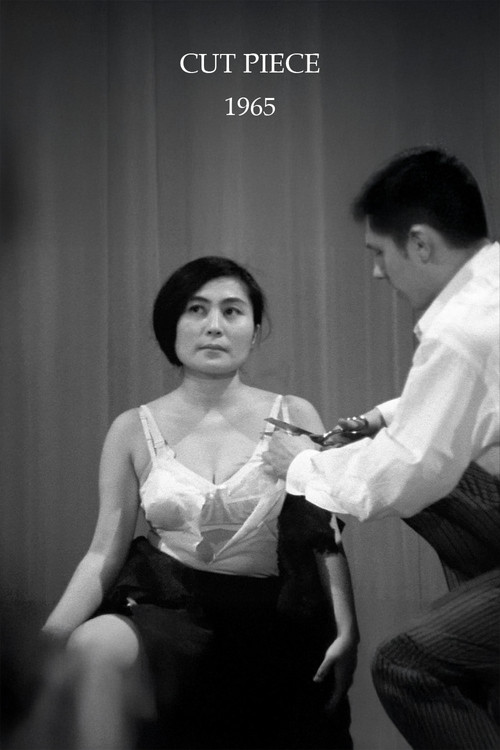
Filmed at New York’s Carnegie Hall, Cut Piece documents one of Yoko Ono’s most powerful conceptual pieces. Performed by the artist herself, Ono sits motionless on the stage after inviting the audience to come up and cut away her clothing in a denouement of the reciprocity between victim and assailant.
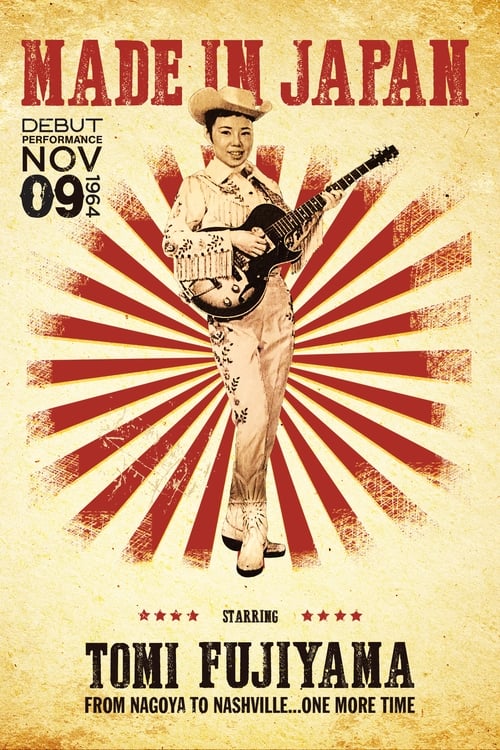
Made in Japan is the remarkable story of Tomi Fujiyama, the first female Japanese country music star. From playing the USO circuit throughout Asia to headlining in Las Vegas and recording 7 albums for Columbia records, Tomi’s career culminates in a 1964 performance at The Grand Ole Opry where she followed Johnny Cash and received the only standing ovation of the night. Forty years later, Tomi and her husband set out on a journey through Japan and across the United States to fulfill a dream of performing at The Opry one more time. Made in Japan is a funny yet poignant multi-cultural journey through music, marriage, and the impact of the corporate world on the dreams of one woman.
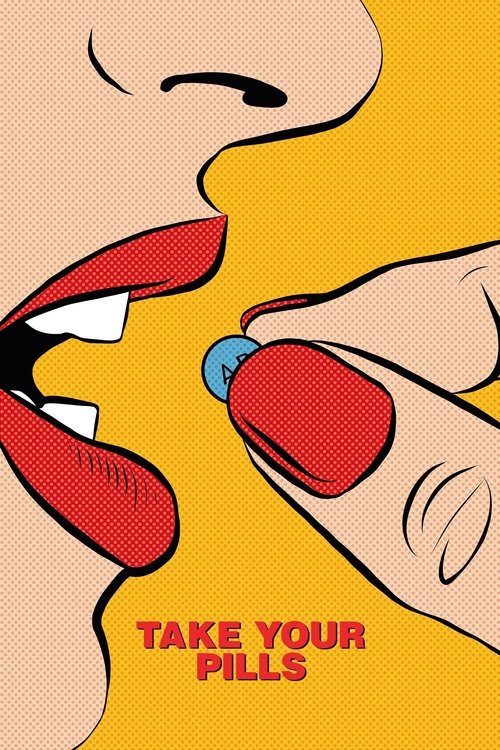
In a hypercompetitive world, drugs like Adderall offer students, athletes, coders and others a way to do more -- faster and better. But at what cost?
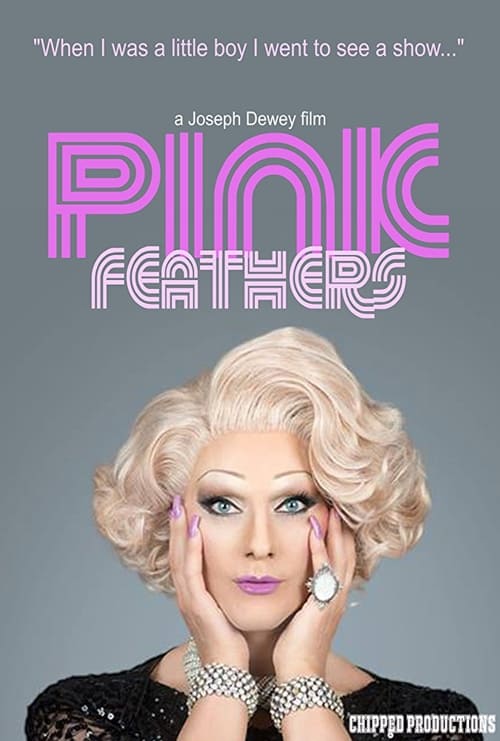
Richard Rhodes, AKA Cookie MonStar, has been in the drag industry for 21 years. This Documentary follows the highs and lows of his successes and failures. It focuses on following your dreams, what it is to be a man and the pressures of life within the industry. This is an insight into the entertainment industry; shows you the underground and commercial drag scenes; asks you what it is to dream and inspires you to question yourself and your beliefs.
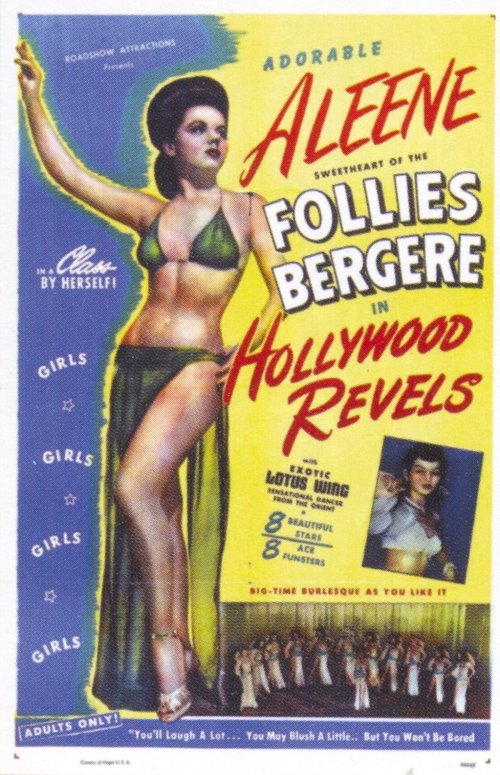
A filmed performance of a burlesque show at the Follies Theatre in Los Angeles, California.
For one historic evening, American music legends Earl Scruggs, Doc Watson, and Ricky Skaggs joined forces as The Three Pickers, to film a concert for public television. The music they made before a North Carolina audience is as relaxed as a front porch picking session. Informed by the skill and good humor of the three master musicians who contributed so much to the creation and evolution of bluegrass music. With special guest Alison Krauss.
A concept film from Imogen Heap and Thomas Ermacora, made with crowd-sourced video footage, creating a nature film accompanied by an Orchestral score composed by Heap.
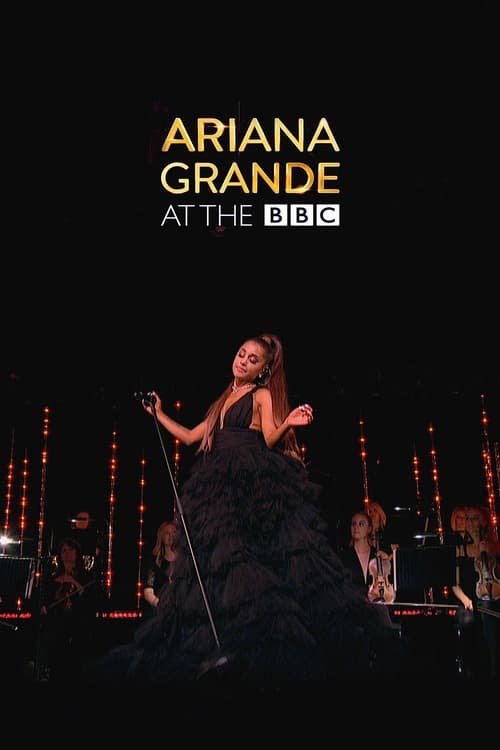
Davina McCall chats to Ariana Grande in this musical extravaganza. Ariana performs songs from her latest album Sweetener and some of her biggest hits accompanied by her band and an all-female orchestra.
Conceptual visual artist Ján Mančuška died in 2011. However, in his short 39 years of existence, he managed to create a number of remarkable works, many of which have been exhibited in renowned galleries around the world – including the Centre Pompidou in Paris and MoMA in New York. In his homeland, however, his work reflecting everyday life, social reality or the meaning of language has never achieved comparable fame. Together with the children of an artist who was not afraid to confront the public with the question of the meaning of art, the director embarks on a journey that aims not only to get closer to Mančuška, but also to reveal him in hitherto unrecognised shades, thus filling in the gaps that are increasingly appearing in the context of the fading memory of his personality.
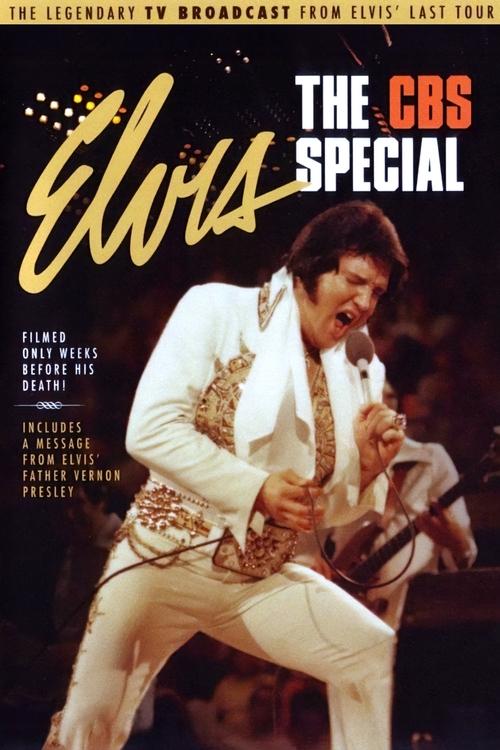
Elvis In Concert is a posthumous 1977 TV special starring Elvis Presley. It was Elvis' third and final TV special, following Elvis (aka The '68 Comeback Special) and Aloha From Hawaii. It was filmed during Presley's final tour in the cities of Omaha, Nebraska, on June 19, 1977, and Rapid City, South Dakota, on June 21, 1977. It was shown on CBS on October 3, 1977, two months after Presley died. It is one of the few videos of Elvis which remain unlikely to ever be released for home viewing and is only available in bootleg form.
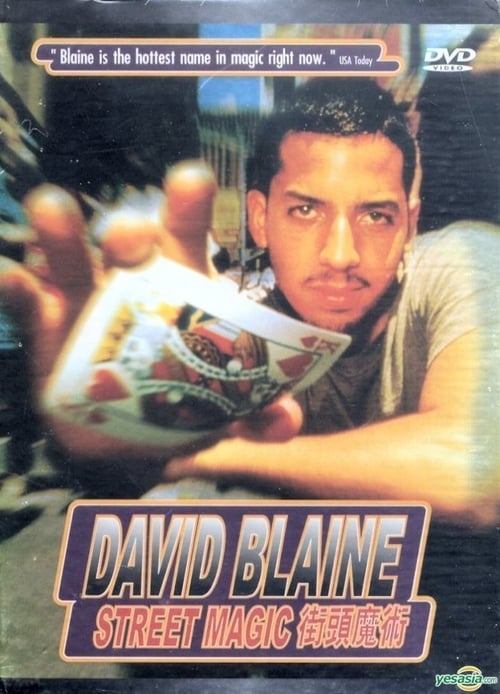
On May 19, 1997, Blaine's first television special, David Blaine: Street Magic aired on the ABC network. According to the New York Daily News, “Blaine can lay claim to his own brand of wizardry. The magic he offers in tonight’s show operates on an uncommonly personal level.” When asked about his performance style, David explained, “I'd like to bring magic back to the place it used to be 100 years ago.”'
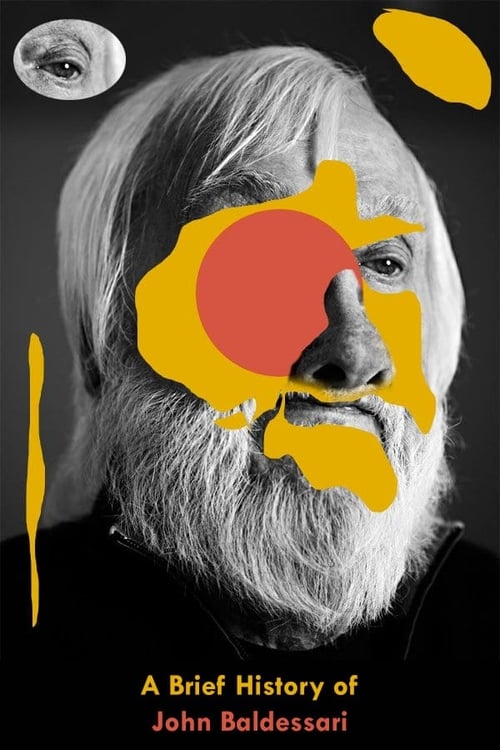
The epic life of a world-class artist, jammed into six minutes.
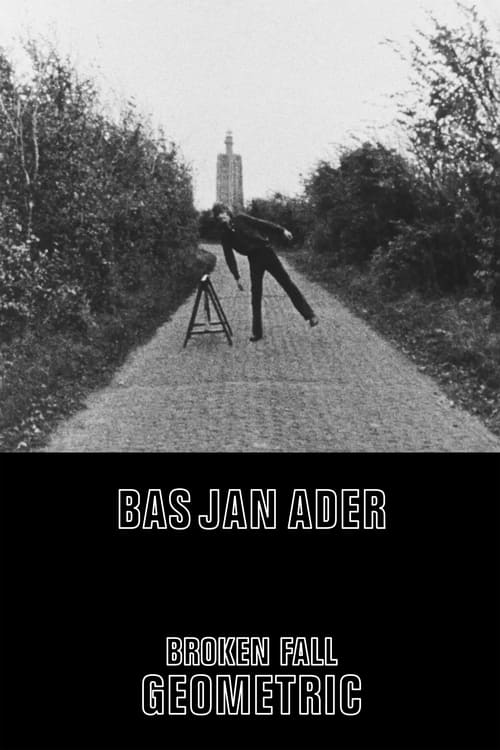
One of a series of ‘falls’ by Bas Jan Ader that he recorded on film, this work was filmed in West Kapelle, Holland in 1970.
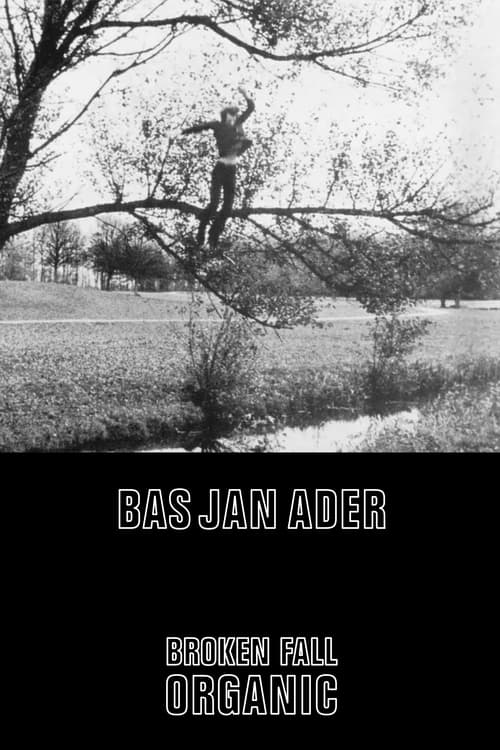
Bas Jan Ader hangs from the branch of a tall tree, until he loses his grip and falls into a river below.