No Trailers found.
No Cast found.
"Adrift" is shot on the arctic island of Spitzbergen and in Norway. It combines time-lapse photography with stop-motion animation of the landscape. Through camera-angles and framing the film gradually dislocates the viewer from a stable base where one loses the sense of scale and grounding.
How in 1959, during the heat of the Cold War, the government of the United States decided to create a secret military base located in the far north of Greenland: Camp Century, almost a real town with roads and houses, a nuclear plant to provide power and silos to house missiles aimed at the Soviet Union.
Alaska... Here, in this vast and spectacularly beautiful land teeming with abundant wildlife, discover the "Spirit of the Wild." Experience it in the explosive calving of glaciers, the celestial fires of the Aurora Borealis. Witness it in the thundering stampede of caribou, the beauty of the polar bear and the stealthful, deadly hunt of the wolf pack.
From polar bears in the arctic tundra to black bears in the Northern Rockies, you'll see some of the most spectacular footage ever shot of these enterprising omnivores. Catch salmon with a group of hungry grizzlies on the McNeil River in Alaska. Crawl inside a den with a mother black bear and her cubs. Learn about the challenges facing each of these species as their habitat diminishes.
This pioneering documentary film depicts the lives of the indigenous Inuit people of Canada's northern Quebec region. Although the production contains some fictional elements, it vividly shows how its resourceful subjects survive in such a harsh climate, revealing how they construct their igloo homes and find food by hunting and fishing. The film also captures the beautiful, if unforgiving, frozen landscape of the Great White North, far removed from conventional civilization.
This documentary follows various migratory bird species on their long journeys from their summer homes to the equator and back, covering thousands of miles and navigating by the stars. These arduous treks are crucial for survival, seeking hospitable climates and food sources. Birds face numerous challenges, including crossing oceans and evading predators, illness, and injury. Although migrations are undertaken as a community, birds disperse into family units once they reach their destinations, and every continent is affected by these migrations, hosting migratory bird species at least part of the year.
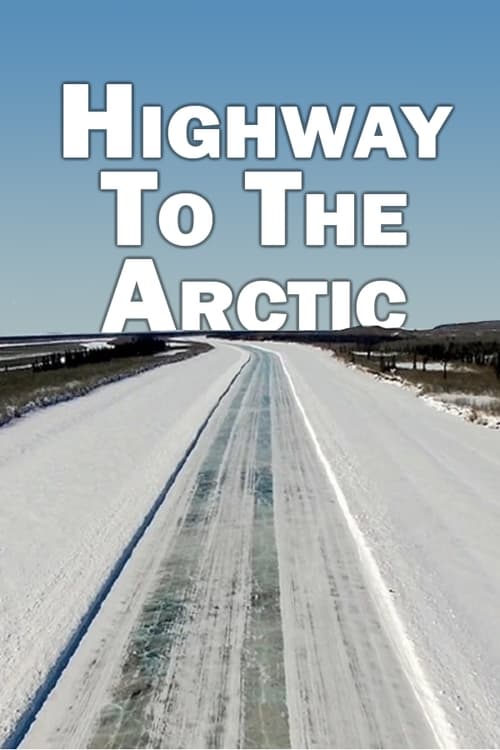
Every winter for decades, the Northwest Territories, in the Canadian Far North, changes its face. While the landscape is covered with snow and lakes of a thick layer of ice, blocking land transport, ice roads are converted to frozen expanses as far as the eye can see.
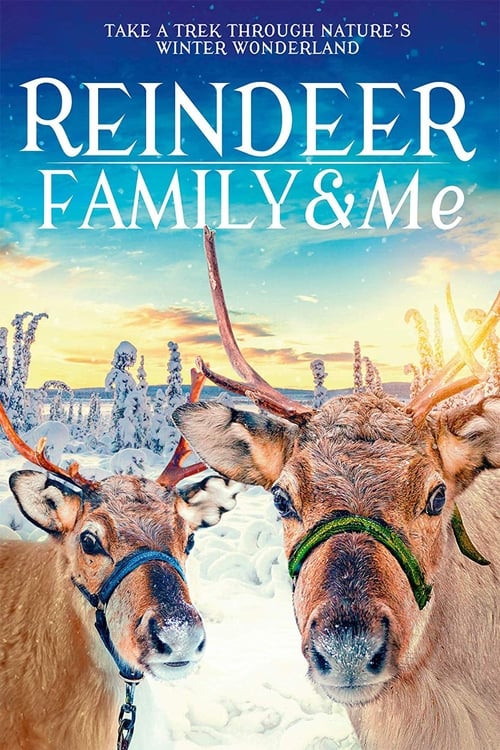
Wildlife cameraman Gordon Buchanan travels to the frozen north, deep inside the Arctic Circle, to meet the ancient Sami people and the animals they hold so close - reindeer.
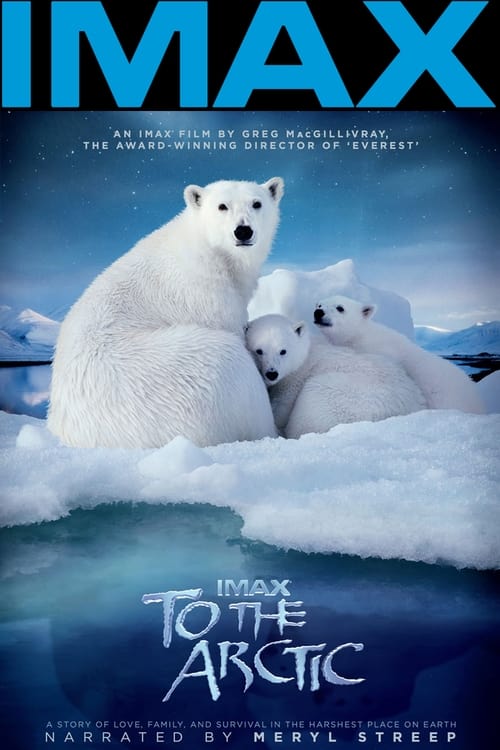
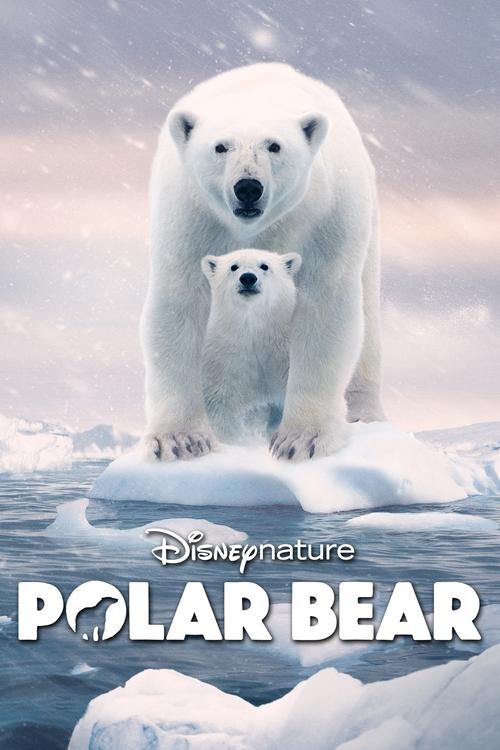
A journey into the lives of a mother polar bear and her two seven-month-old cubs as they navigate the changing Arctic wilderness they call home.
When the Greenpeace ship Arctic Sunrise set sail in 2013 to protest the first ever oil drilling in the Arctic Ocean, none of the people on board could have known what was coming. Seized at gunpoint by Russian special forces, the 'Arctic 30' were thrust into headlines all over the world, facing up to 15 years in prison and finding themselves at the centre of a bitter international dispute.
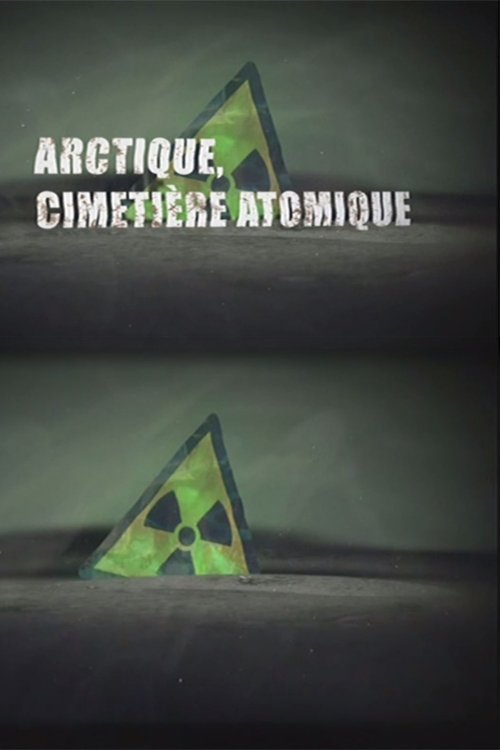
Until 1992, Russia disposed of radioactive wastewater, radioactive waste and explosive nuclear waste in the Arctic Sea. And the ailing Northern Fleet was sunk here along with a no longer usable nuclear submarine. To this day it lies rusting on the bottom of the Arctic next to two other boats that have sunk in accidents, together with dangerous radioactive nuclear weapons. They form an atomic time bomb, even if official Russian authorities stubbornly deny an acute danger.
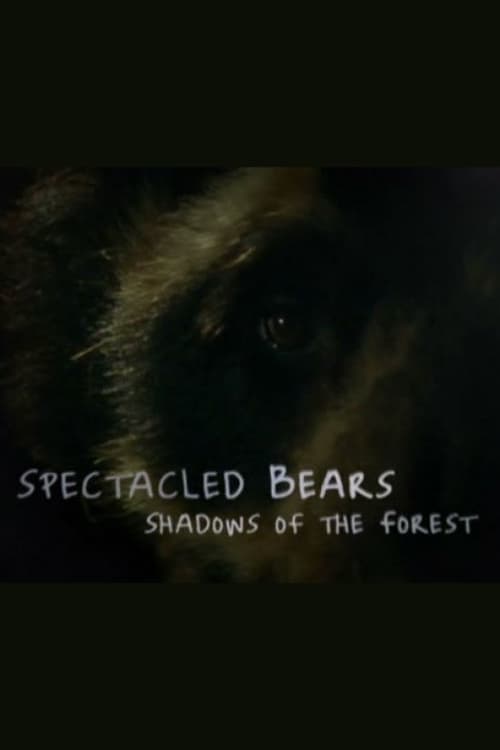
The Spectacled Bear lives in Peru. Little is known about the habits of this elusive creature, and as narrator Stephen Fry reveals, many of our assumptions were wrong. For years they were thought to be gentle vegetarians, but the latest studies reveal a new and alarming side to this endangered bear.
A photographic journey compiled from journals, archival footage and photographs of an Australian military photographer, Sir Hubert Wilkins in 1931 as he went from New York to the North Pole in an old WWI submarine to explore the Arctic Ocean. Included on dvd are a brief history of the submarine and photographic gallery of Wilkins.
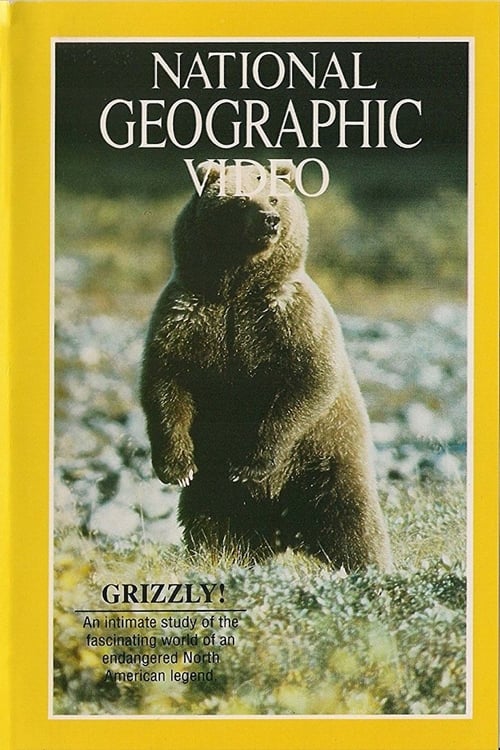
The grizzly has roamed North America for nearly a million years. And now, in the last century and a half, he has come dangerously close to extinction. Frank and John Craighead have tracked this extraordinary creature.
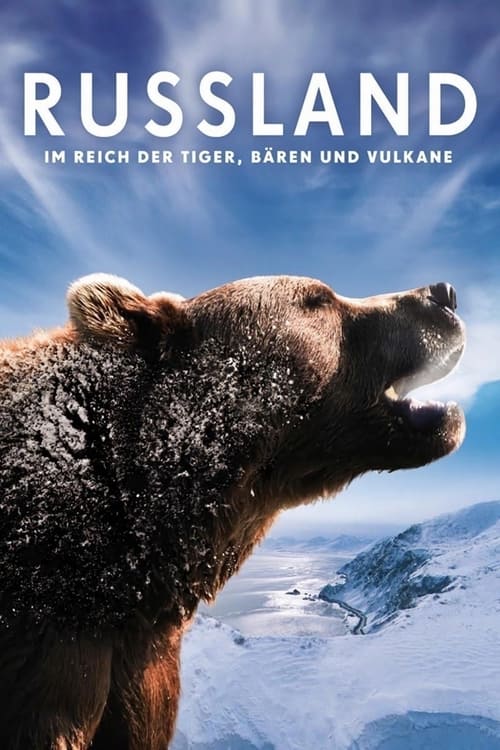
A window into Russia, unknown to Western man, and even to many Russians. "Russia - the largest country in the world. In many of its parts, it remains unknown world full of wonders. Let the world and will continue for the generations that come after us".
A black-and-white visual meditation of wilderness and the elements. Wildlife filmmaker Richard Sidey returns to the triptych format for a cinematic experience like no other.
A new mother’s memories of her own youth prepare her to navigate motherhood in the increasingly challenging world that polar bears face today.
Attenborough's team travels the globe for up-close looks at polar bears, grizzlies, pandas and other fascinating bear species.
Markku Lehmuskallio has devoted a large part of his documentary work to the indigenous people of the Arctic Circle. In this latest film, co-directed with his son Johannes Lehmuskallio, he composes a fascinating poetic ethnography inspired by the singing, dancing, forms of contemporary existence and, above all, the vital breath of these nomad communities mistreated by History.
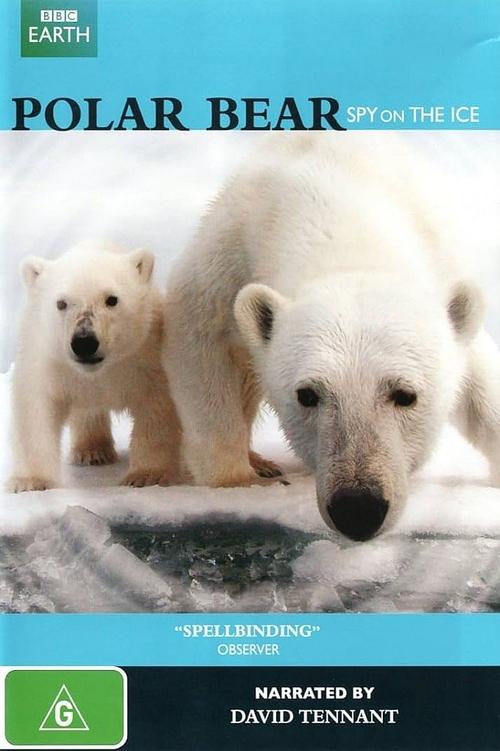
Shot mainly using spy cameras, this film gets closer than ever before to the world's greatest land predator. As the film captures its intimate portrait of polar bears' lives, it reveals how their intelligence and curiosity help them cope in a world of shrinking ice.