A Journey Into Humanity And Faith.
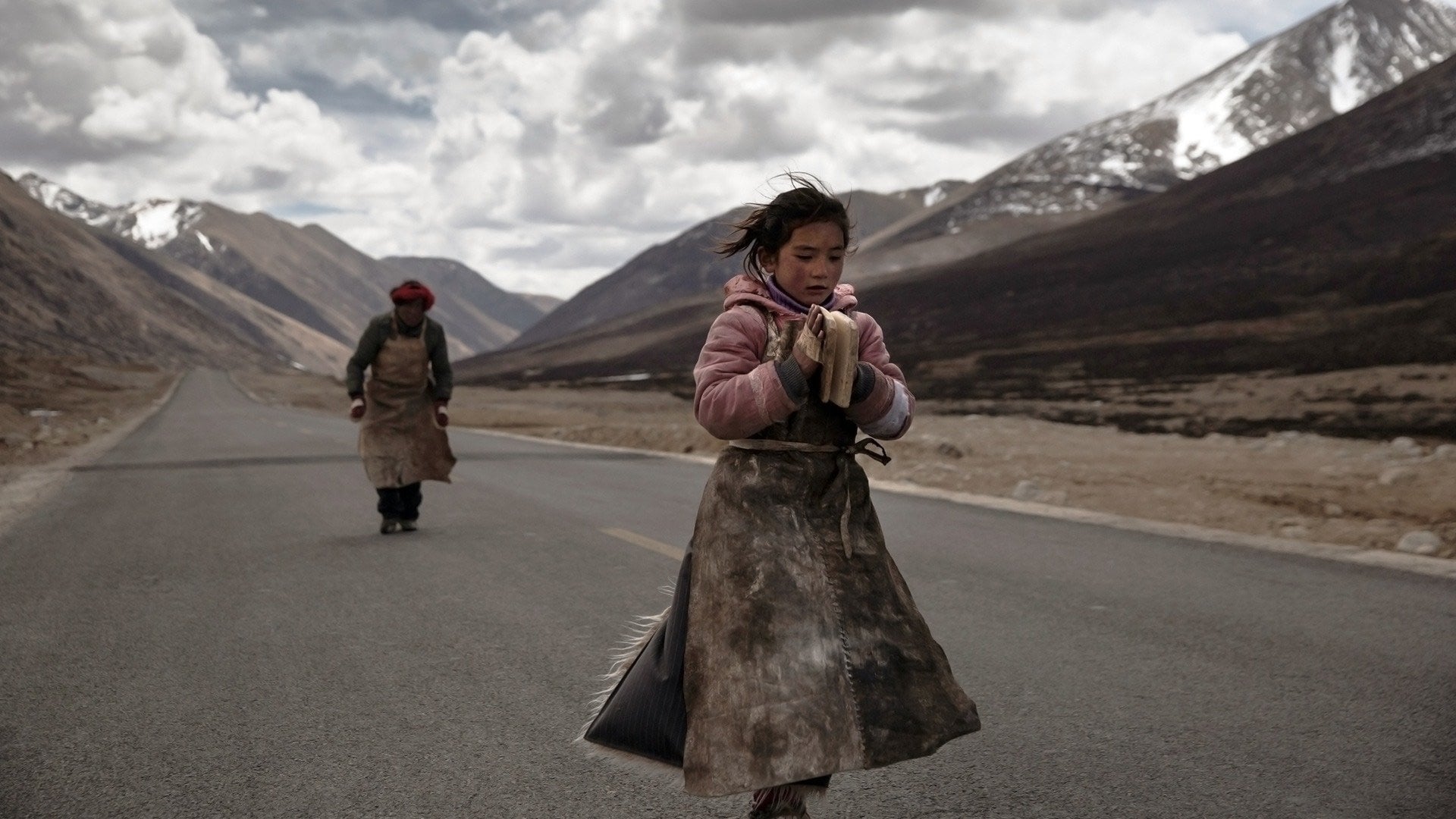
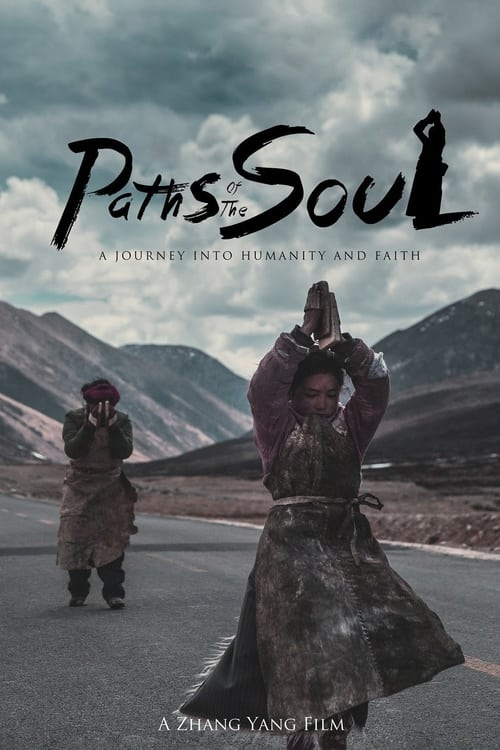
Eleven Tibetans prostrate themselves every few steps during a 1,200-mile pilgrimage that lasts for seven months.
Trailer
Self
Three siblings who detest each other and hiking must complete together a pilgrimage to Santiago de Compostela in order to be eligible to inherit their mother's wealth.
Luzía visits the eight stages of the 'pilgrimage' that the intellectuals Otero Pedrayo, Vicente Risco and Ben-Cho-Shey hiked from Ourense to San Andrés de Teixido in 1927; the story of the journey was published in the book ‘Pelerinaxes I’ (Pilgrimages I). She carries out this journey in order to finish up an audiovisual project about Otero Pedrayo’s book started at the University, together with a colleague who passed away in an accident.
No overview available.
Brilliant Moon chronicles the life of the writer, poet, and meditation master Khyentse Rinpoche, one of Tibet's most revered 20th-century Buddhist teachers. Spiritual guide to His Holiness the Dalai Lama and the Royal Family of Bhutan, his life and teachings were an inspiration to all who encountered him. Richard Gere and Lou Reed provide the narration for his dangerous journey out of China, the subsequent spread of his influence and the search for his reincarnation after his death.
A film about the Tibetan Freedom Concert in San Francisco in 1996.
Three close friends who have never left the outskirts of Dublin (much less Ireland) get the journey of a lifetime — a visit to Lourdes, the picturesque French town and place of miracles.
Karma, a Tibetan filmmaker from New York, goes to Dharamsala, the Dalai Lama's exile headquarters in northern India, to make a documentary about former political prisoners who have escaped from Tibet. She wants to reconnect with her roots but is also escaping a deteriorating relationship back home.One of Karma's interviewees is Dhondup, an enigmatic ex-monk who has just escaped from Tibet. He confides in her that his real reason for coming to India is to fulfill his dying mother's last wish, to deliver a charm box to a long-missing resistance fighter. Karma finds herself unwittingly falling in love with Dhondup even as she is sucked into the passion of his quest, which becomes a journey into Tibet's fractured past and a voyage of self-discovery
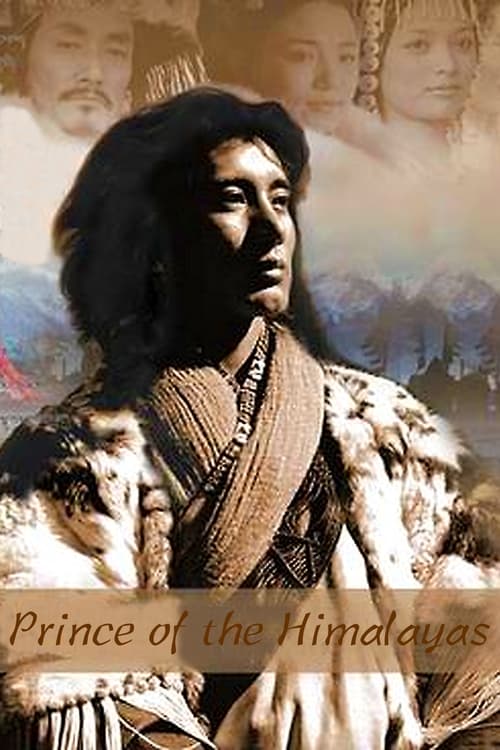
Set in ancient Tibet under the shadow of the Himalayas, the young prince Lhamoklodan learns of his father's mysterious death and returns to the Kingdom Jiaobo. Troubled by his mother's sudden remarriage to his uncle Kulo-ngam, he swears to find the truth of his father's death. His obsession of revenge overwhelms his spirit and shadows his love to Odsaluyang. When he points his sword at the new king, Queen Nanm finally tells her beloved son, Lhamoklodan, the true identity of his uncle. In the struggle to face his destiny and fight his demons, a new king is born
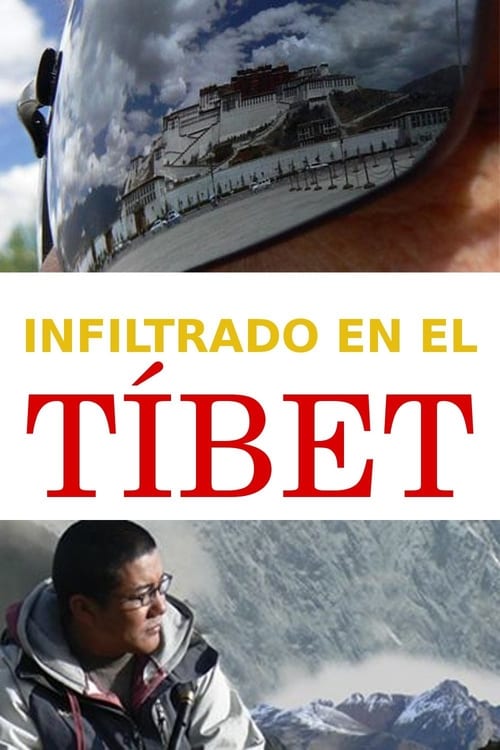
Undercover in Tibet reveals the regime of terror which dominates daily life and makes freedom of expression an impossibility. Tash meets victims of arbitrary arrests, detention, torture and ‘disappearances’ and uncovers evidence of enforced sterilizations on ethnic Tibetan women. He sees for himself the impact of the enormous military and police presence in the region, the hunger and hardship being endured by many Tibetans and hears warnings of the uprising taking place across the provinces now.
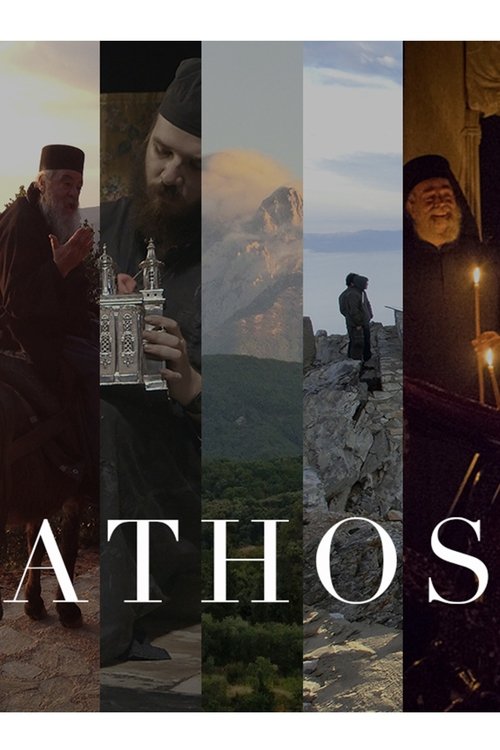
The Athos peninsula in Greece is one of Europe's last secrets. Over 2000 monks live on Athos - cut off from the outside world. Access is denied to women, tourists are not welcome. Only workers and pilgrims can obtain a visa. The "Autonomous Monastic State of the Holy Mountain" attracts people who feel like they are missing something from their modern lives. With the help of three Athos monks, "Athos - A Taste of Heaven" tells the story of the island and its inhabitants in a unique filmed diary style. The film's guiding theme is the path we as people have to find and follow - each and everyone for themselves. "First we must heal our own souls, only then we can help others", is one of Father Galaktions core messages. He lives as a hermit on the holy mountain. Not all monks, however, live as secluded and demure as Father Galaktion. The film team is also received by Father Epiphanios - a gifted and poetic cook who certainly does not disdain the pleasures of life.
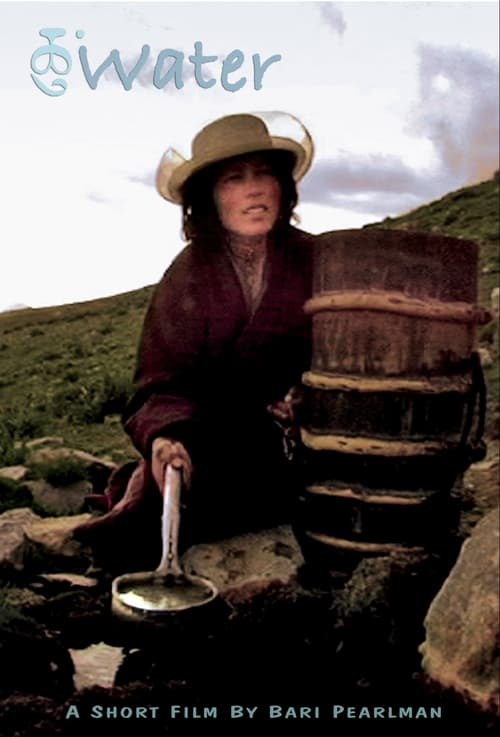
A Tibetan woman collects water near her family's yak farm and brings it back home 80-pounds full, in a ritual that takes her an hour to complete. A selection from Peabody Award-winning documentarian Bari Pearlman’s Nangchen Shorts series.
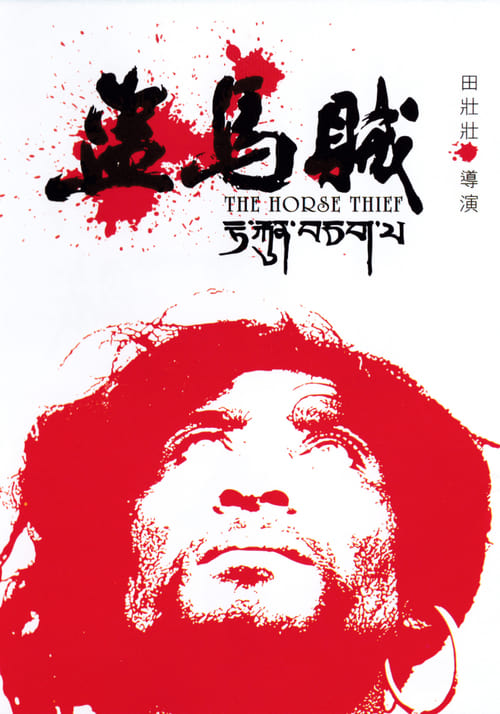
Devout Buddhists, Norbu and Dolma live with their young son Tashi in a clan in Tibet. Norbu is a highwayman. After Norbu is charged with stealing from the temple, he and his family are banished. Impoverished and marginalized, they can do little when their beloved son becomes ill. Tashi dies of a fever. After a second son is born, Norbu focuses his every action on keeping this child alive, seeking re-admission to the clan for his wife and child, then risking all to save them from isolation and starvation in winter.
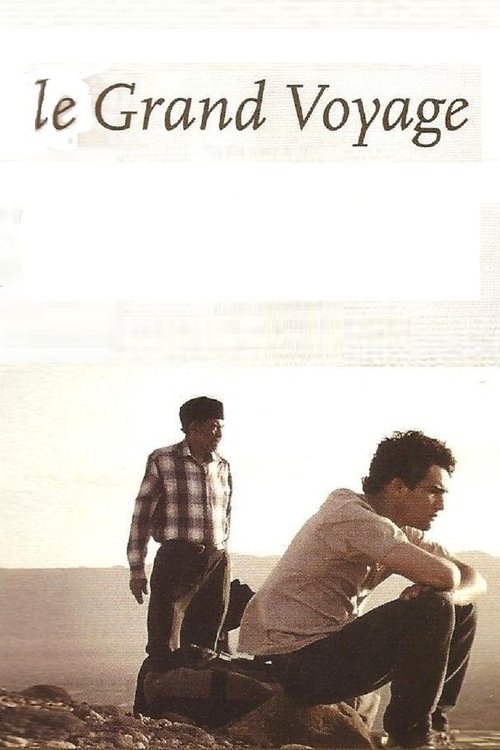
Reda, summoned to accompany his father on a pilgrimage to Mecca, complies reluctantly - as he preparing for his baccalaureat and, even more important, has a secret love relationship. The trip across Europe in a broken-down car is also the departure of his father: upon arrival in Mecca, both Reda and his father are not the characters they were at the start of the movie. Avoiding the hackneyed theme of the return to the homeland, the film uses the departure to renew a connection between two generation.
The French High Mountain Military Group (G.M.H.M.) expedition to Everest in 1981, led by General Pierre Astorg, took place on the north face of the mountain. Fifteen military climbers participated in this expedition, which lasted approximately ninety days. Their goal was to reach the summit by following a siege approach, but despite their efforts, the expedition failed to reach the summit. The French military, engaged since the beginning of March on the north face of Everest (8,848 meters), gave up less than 300 meters from the summit. The climbers, Jean-Claude Mosca, Hervé Sachetat, and Hubert Giot, gave up on setting up Camp 7, the last planned intermediate camp, at 8,600 meters. Poor weather conditions and the physical condition of the expedition members were the reasons for the failure of this meticulously prepared expedition...
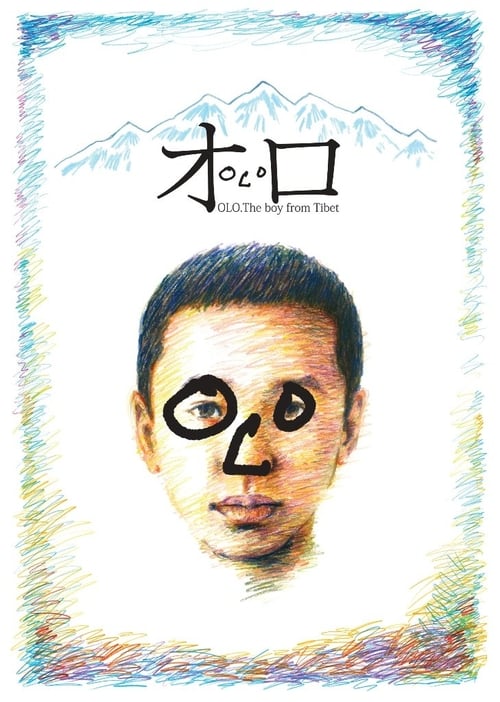
A 6-year-old Tibetan boy leaves his family and flees to a refugee camp in northern India.
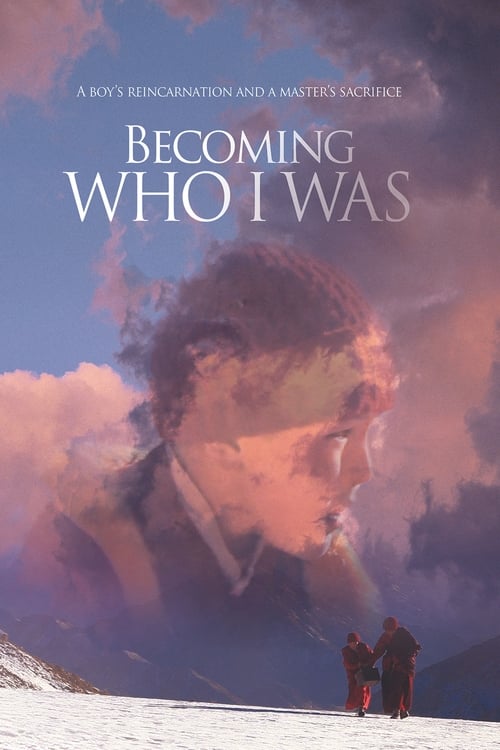
Angdu is no ordinary boy. Indeed, in a past life he was a venerated Buddhist master. His village already treats him like a saint as a result. The village doctor, who has taken the boy under his wing, prepares him to be able to pass on his wisdom. Alas, Tibet, Angdu’s former homeland and the centre of his faith, lies far away from his current home in the highlands of Northern India. On top of that, the conflict between China and Tibet makes the prospect of a trip there even more daunting. Undeterred by these harsh facts, the duo set off for their destination on foot, accompanied by questions of friendship and the nature of life. With its narrative approach steeped in a serene sense of concentration, this documentary film, composed over a period of eight years, stands as a fundamental experience in its own right.