Lost film from 1891, directed by William K.L. Dickson and William Heise. The film stars James C. Duncan.
Himself
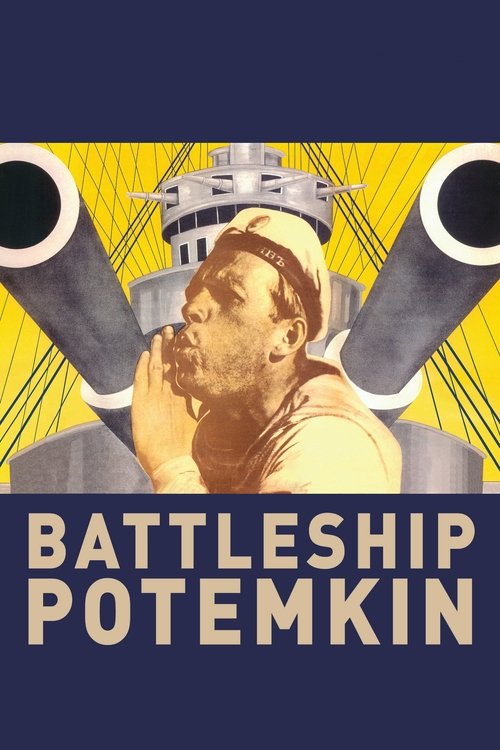
A dramatized account of a great Russian naval mutiny and a resultant public demonstration, showing support, which brought on a police massacre.
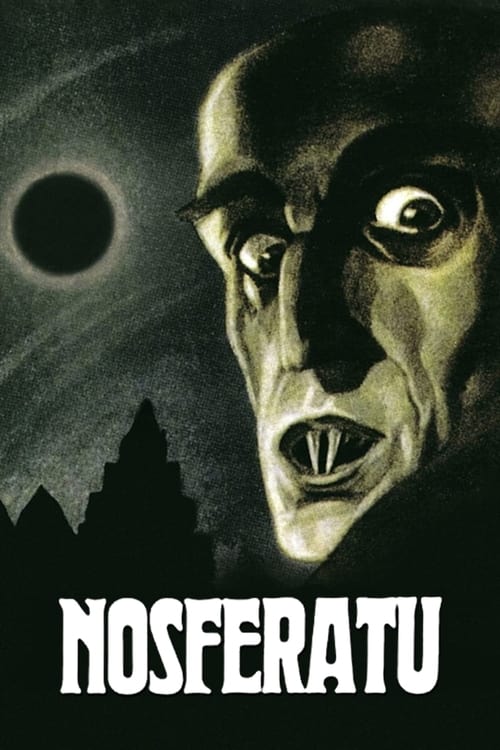
The mysterious Count Orlok summons a happily married real estate agent to his castle, located up in the Transylvanian mountains, to finalise a terrifying deal.
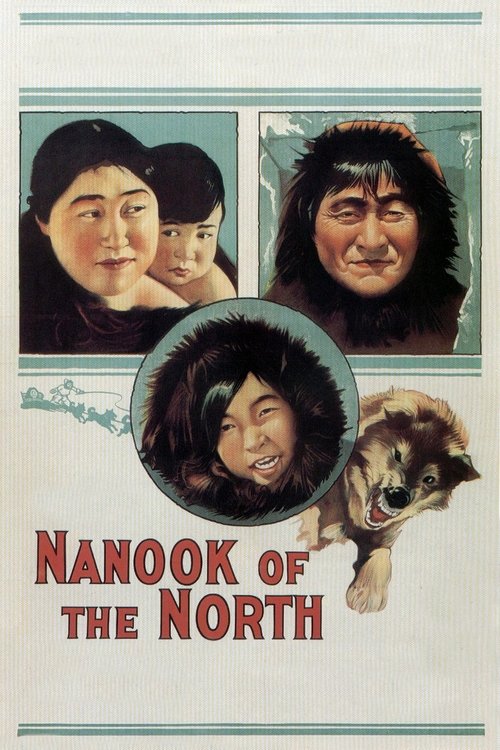
This pioneering documentary film depicts the lives of the indigenous Inuit people of Canada's northern Quebec region. Although the production contains some fictional elements, it vividly shows how its resourceful subjects survive in such a harsh climate, revealing how they construct their igloo homes and find food by hunting and fishing. The film also captures the beautiful, if unforgiving, frozen landscape of the Great White North, far removed from conventional civilization.
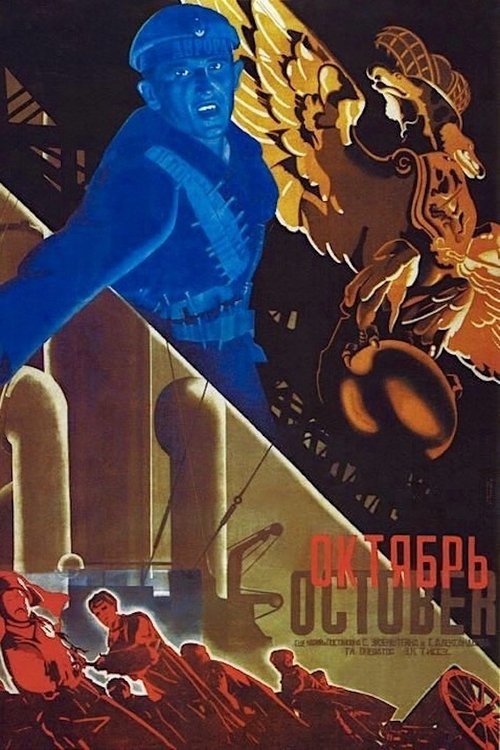
Sergei M. Eisenstein's docu-drama about the 1917 October Revolution in Russia. Made ten years after the events and edited in Eisenstein's 'Soviet Montage' style, it re-enacts in celebratory terms several key scenes from the revolution.
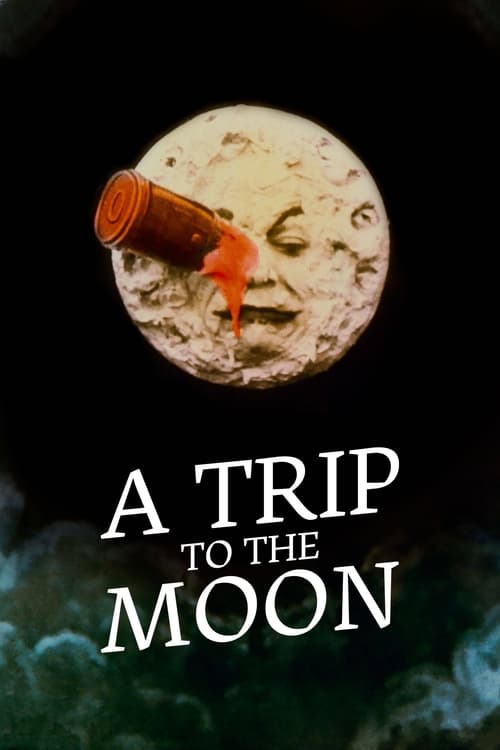
Professor Barbenfouillis and five of his colleagues from the Academy of Astronomy travel to the Moon aboard a rocket propelled by a giant cannon. Once on the lunar surface, the bold explorers face the many perils hidden in the caves of the mysterious planet.
19th release in 'The Smith Family' series of 2-reel comedies.
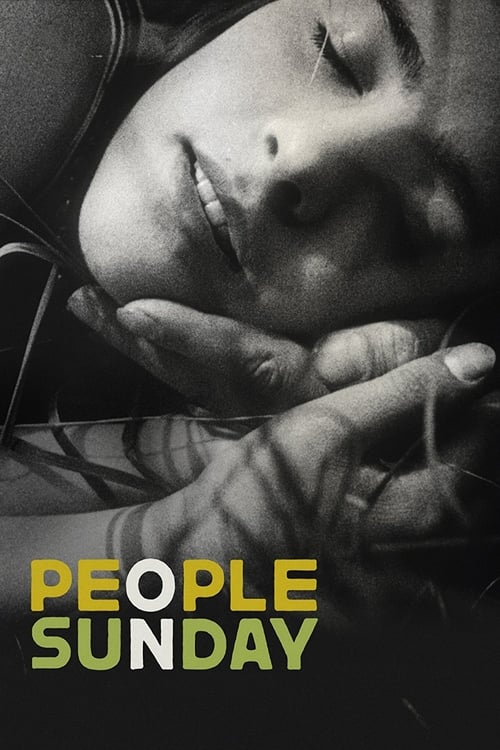
A day in the city of Berlin, which experienced an industrial boom in the 1920s, and still provides an insight into the living and working conditions at that time. Germany had just recovered a little from the worst consequences of the First World War, the great economic crisis was still a few years away and Hitler was not yet an issue at the time.
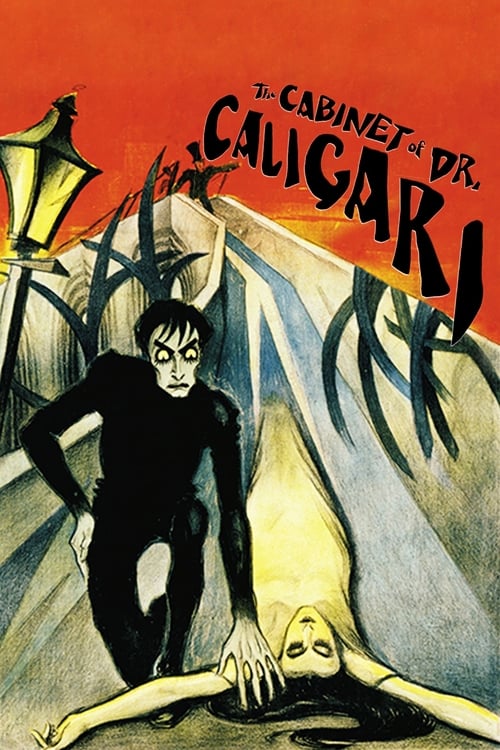
Francis, a young man, recalls in his memory the horrible experiences he and his fiancée Jane recently went through. Francis and his friend Alan visit The Cabinet of Dr. Caligari, an exhibit where the mysterious doctor shows the somnambulist Cesare, and awakens him for some moments from his death-like sleep.
After hearing that her boyfriend lacks the courage to break up with her, plucky Elena decides she’d be less humiliated if Arturo was ensnared by a man rather than a woman.
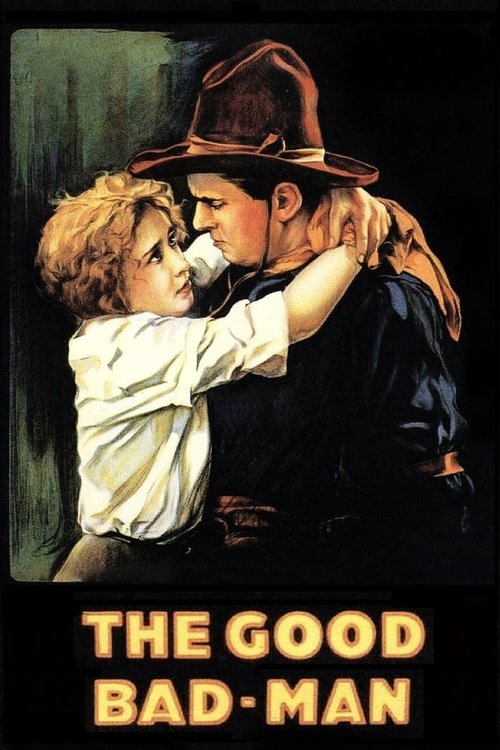
An outlaw calling himself Passin' Through halts his "evil" ways long enough to help out some children in difficulty.
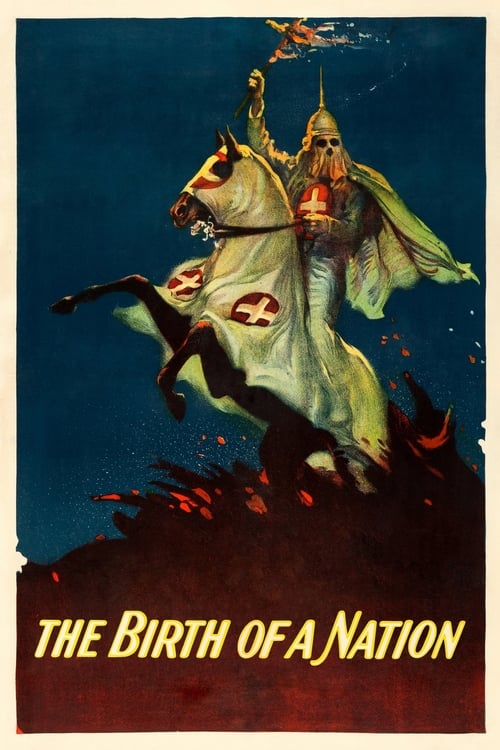
Two families, abolitionist Northerners the Stonemans and Southern landowners the Camerons, intertwine. When Confederate colonel Ben Cameron is captured in battle, nurse Elsie Stoneman petitions for his pardon. In Reconstruction-era South Carolina, Cameron founds the Ku Klux Klan, battling Elsie's congressman father and his African-American protégé, Silas Lynch.
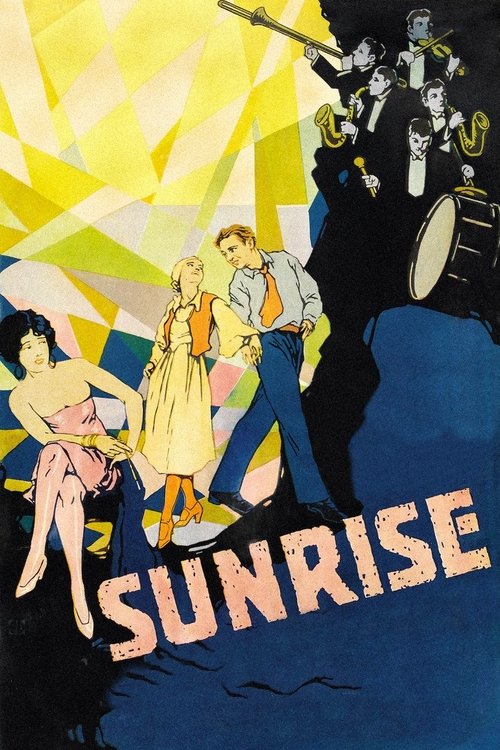
A married farmer falls under the spell of a slatternly woman from the city, who tries to convince him to drown his wife.
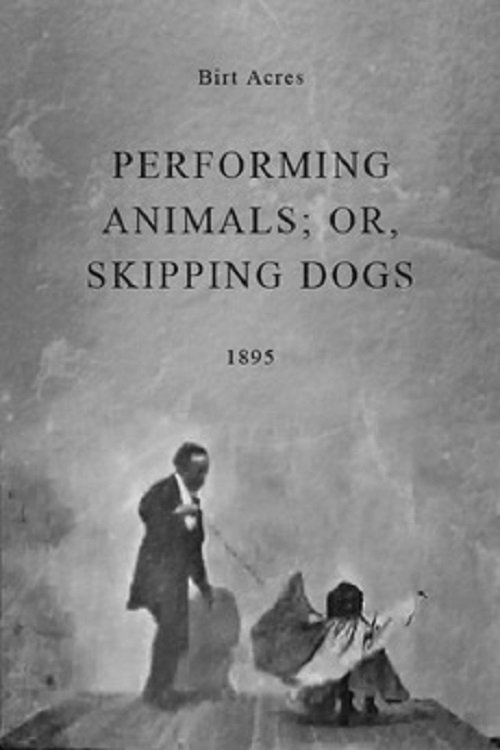
A short black-and-white silent documentary film featuring one dog jumping through hoops and another dancing in a costume, which was considered lost until footage from an 1896 Fairground Programme was identified as being from this film.
On instructions of the French company Pathé Frères, Alfred Machin develops a film industry in the Netherlands and Belgium from 1912 to the advent of World War One. He directs several quality films including La Fille de Delft, Maudite soit la Guerre and this wonderful gem Le Diamant Noir. A man is accused of theft and decides to quit the country. Machin's favourite pet, the panther Mimir shares the lead roll in this film with a magpie.
A semi-documentary experimental 1930 German silent film created by amateurs with a small budget. With authentic scenes of the metropolis city of Berlin, it's the first film from the later famous screenwriters/directors Billy Wilder and Fred Zinnemann.
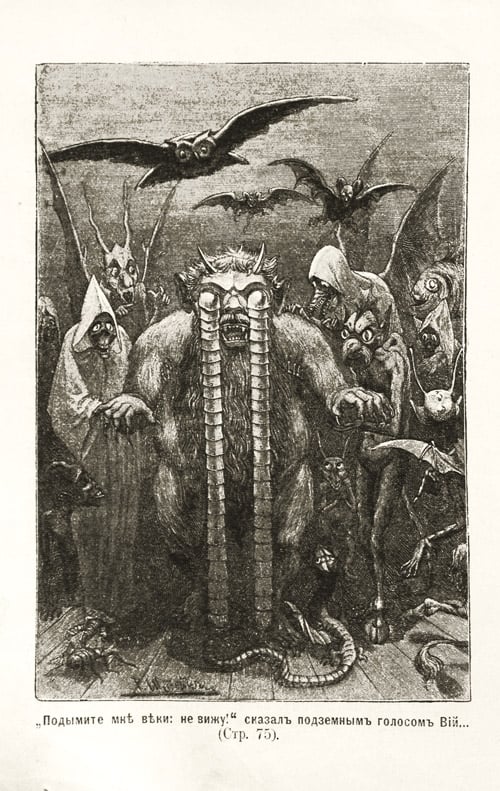
Based on a the horror novella of the same name. First Russian horror film.
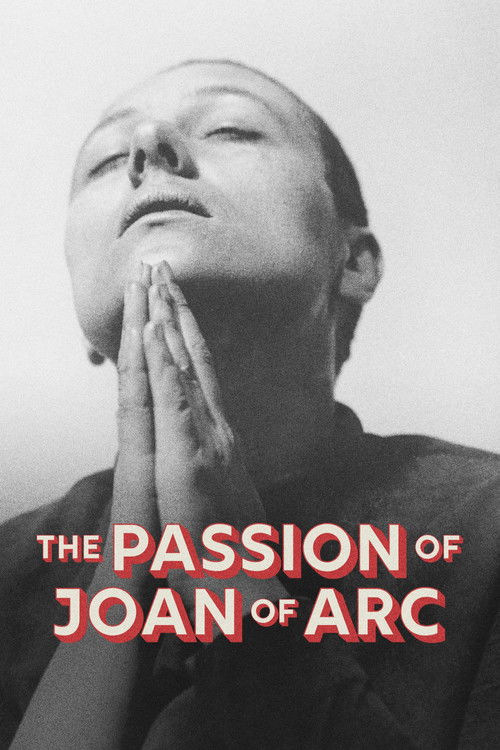
A classic of the silent age, this film tells the story of the doomed but ultimately canonized 15th-century teenage warrior. On trial for claiming she'd spoken to God, Jeanne d'Arc is subjected to inhumane treatment and scare tactics at the hands of church court officials. Initially bullied into changing her story, Jeanne eventually opts for what she sees as the truth. Her punishment, a famously brutal execution, earns her perpetual martyrdom.
One of the two earliest horror films ever made. This film is presumed lost.
A saloon owner loans her lover the money to buy a house, which he has led her to believe they will live in after they're married. Instead, he takes the money and buys a saloon in another town.
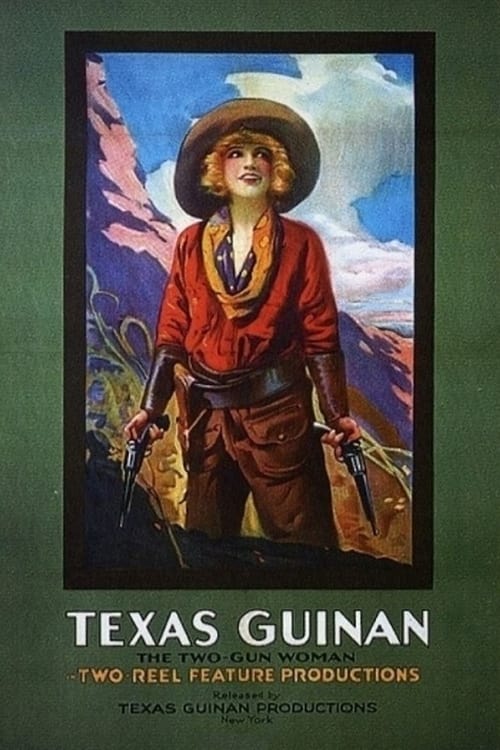
During the raid on an emigrant train the girl and her brother, the only survivors, are attacked by the villain who kidnaps the girl and takes her to the camp of Calamity Anne, who takes a liking to the girl and becomes her guardian angel. The girl's brother is killed and a ranger takes the locket containing the girl's picture from his neck and recognizes the girl in Calamity Anne's camp. Later, Calamity Anne holds the villain and his band at bay and the girl and the ranger make their escape. The girl and the ranger come to the spot where the girl's brother is buried and here she asks the ranger if he is going to leave her there alone. His answer is to take her into his arms.
No Trailers found.