This documentary is the first of a series that dedicated 4 issues to the activity of the Durruti column in Aragon.
Speaker
No Trailers found.
After more than 75 years, Vicente Montejano tells us first-hand about his experience of more than 14 years in the Russian Gulag after the end of the Spanish Civil War.
After the Civil War, between 20,000 and 30,000 Spaniards went into exile in Mexico. This was the country that welcomed the most exiles, after France.
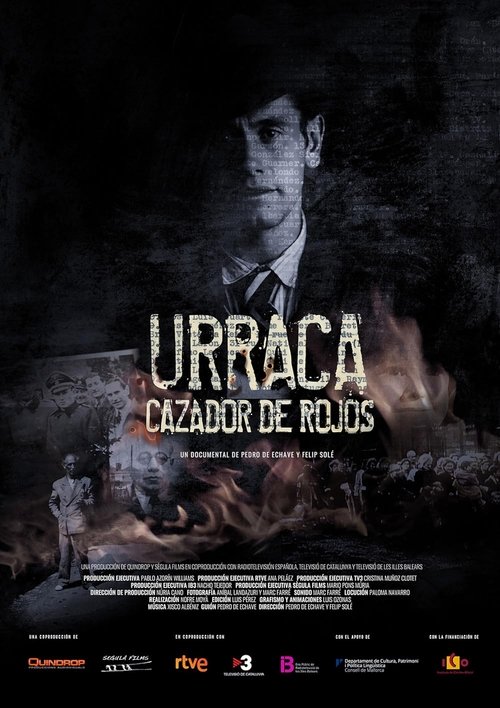
Pedro Urraca, Spanish policeman and Gestapo agent led the persecution of numerous Spanish Republican loyalists exiled in France during the Nazi occupation. The portrait of a sinister character through the testimony of his granddaughter.
No overview available.
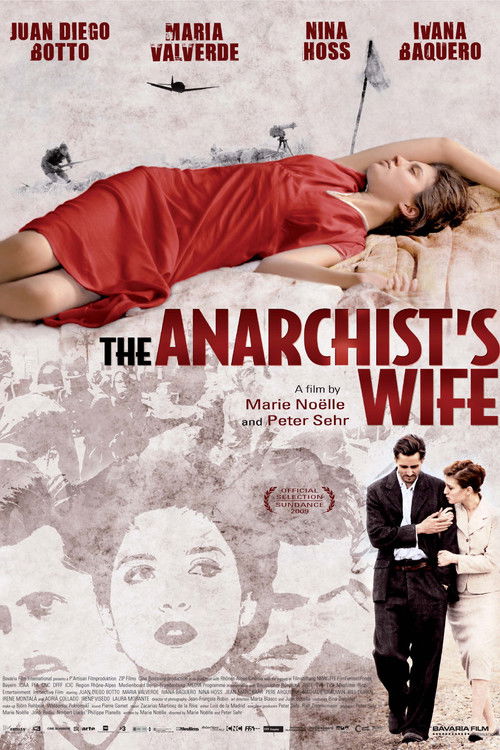
Manuela is left behind when her husband Justo fights for his ideals against Franco's Nationalists during the Spanish Civil War. He is deported to a concentration camp, and upon his release, continues the fight against nationalism in the French resistance. Years pass without a word from him, but his wife never gives up hope of seeing him again.
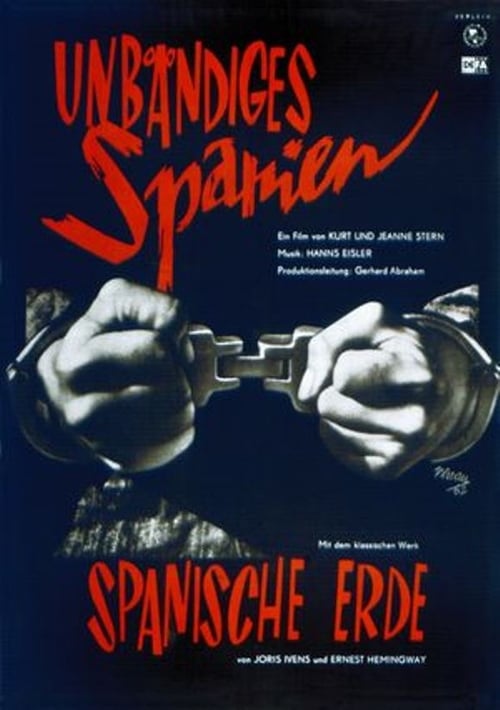
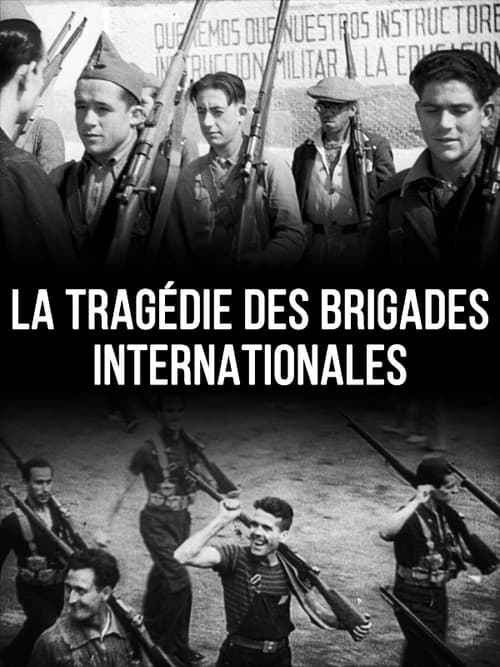
Documentary film about the Spanish Civil War.
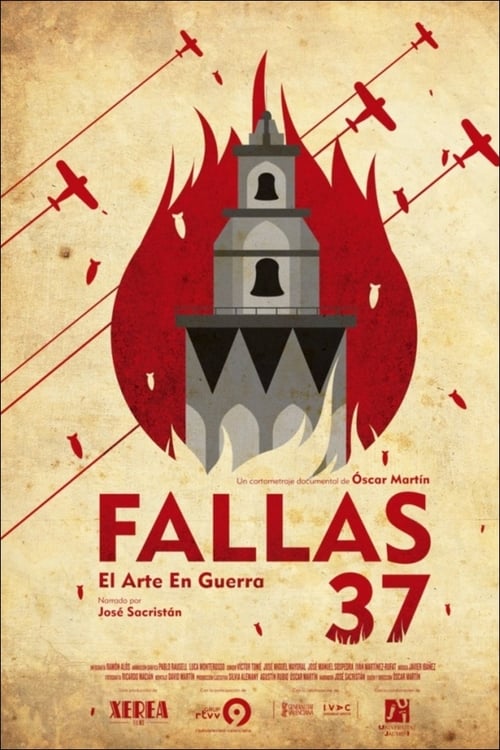
In November 1936, a few months since the beginning of the Spanish Civil War, the government of the Second Republic moves to Valencia. In this situation, several Valencian artists and intellectuals decide to build four fallas — satirical plasterboard sculptures created to be burnt — to mock fascism.
A pro-Republican propaganda documentary made during the Spanish Civil War. It reports on the demonstration held in Barcelona on December 27, 1937 to commemorate the capture of Teruel by the Republican forces.
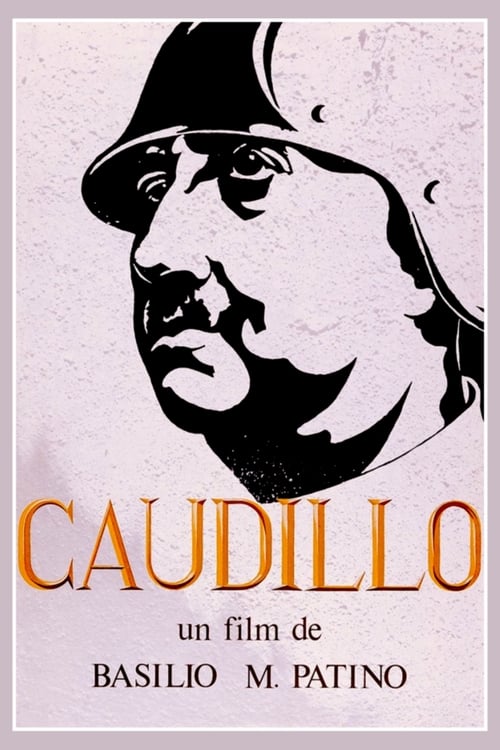
Caudillo is a documentary film by Spanish film director Basilio Martín Patino. It follows the military and political career of Francisco Franco and the most important moments of the Spanish Civil War. It uses footage from both sides of the war, music from the period and voice-over testimonies of various people.
Hans, a German director, is in Madrid to film a television production about the capital and the Civil War, 50 years after it occurred. Accompanied by Lucía, his editor, and Goyo, his cinematographer, he films shots of the modern city, searching for spaces and people related to its past. At the same time, he views materials related to the past. In this search, Hans questions the point of his project, and disagrees with his producers until he discovers a project that he is passionate about.
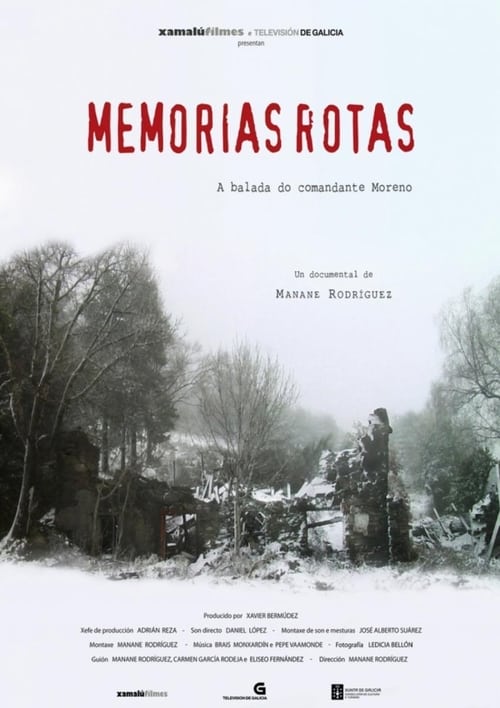
An audiovisual chronicle of the Spanish Civil War in Galicia. Memorias Rotas centers on a group of republican fighters leaded by Commander José Moreno. The group disappears as they fail trying to escape by sea in the border between Galicia and Asturias and nobody ever knows about them.
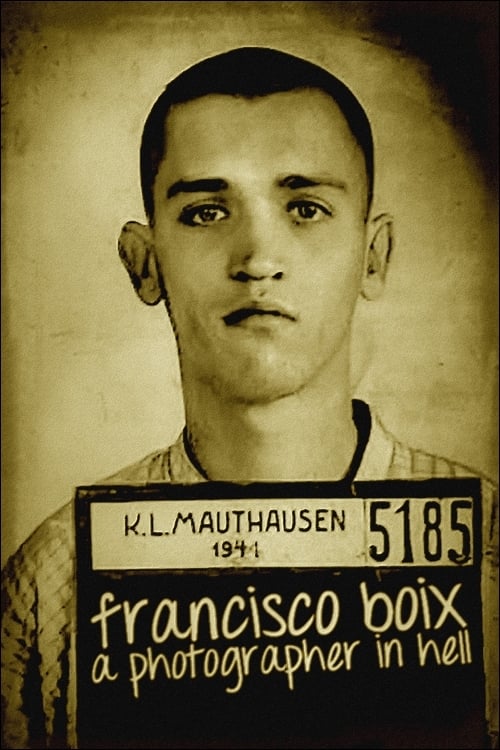
In 1939, just finished the Spanish Civil War, Spanish republican photographer Francesc Boix escapes from Spain; but is captured by the Nazis in 1940 and imprisoned in the Mauthausen concentration camp, in Austria, a year later. There, he works as a prisoner in the SS Photographic Service, hiding, between 1943 and 1945, around 20,000 negatives that later will be presented as evidence during several trials conducted against Nazi war criminals after World War II.
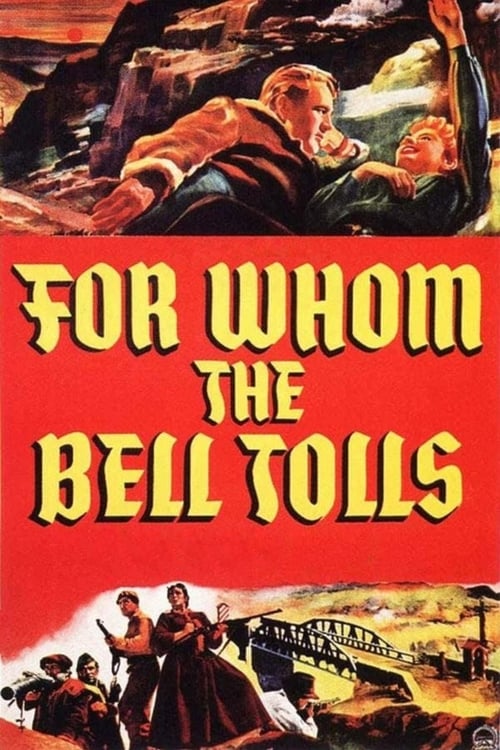
Spain in the 1930s is the place to be for a man of action like Robert Jordan. There is a civil war going on and Jordan—who has joined up on the side that appeals most to idealists of that era—has been given a high-risk assignment up in the mountains. He awaits the right time to blow up a crucial bridge in order to halt the enemy's progress.
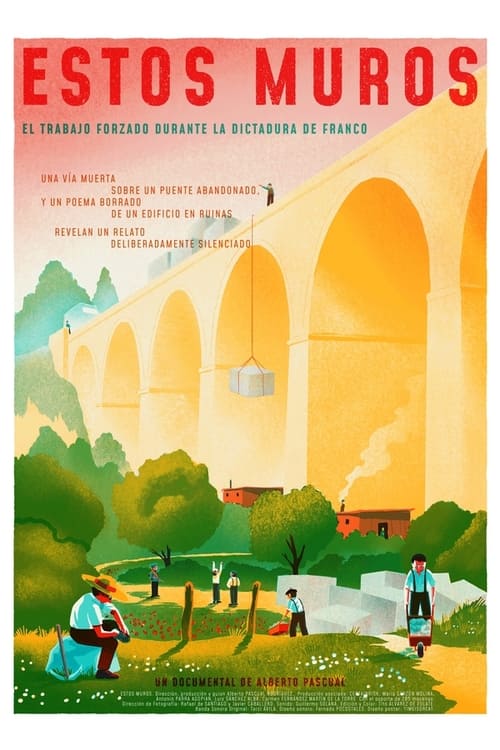
In the mountains of Madrid, Spain, a railway track on an abandoned bridge and a poem erased from the wall of a ruined building reveal a deliberately silenced story: the system established by Franco's dictatorship after the civil war (1936-39) that allowed hundreds of companies to use thousands of convicted Republicans as slave labor.
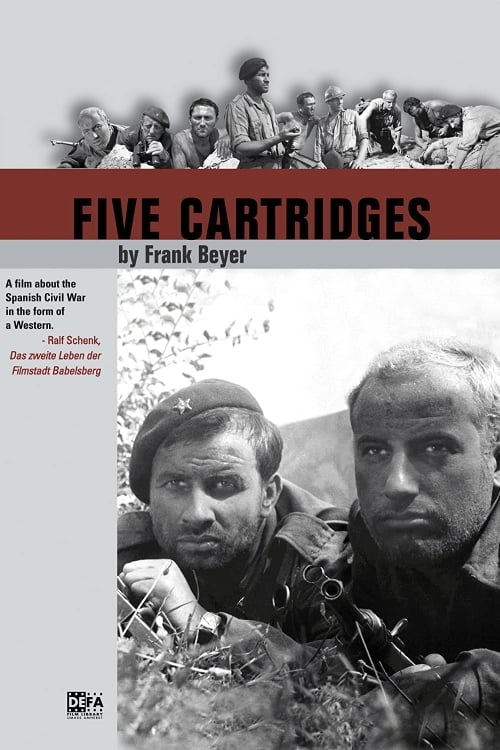
It is the year 1936 and the Spanish Civil War is raging. When the German commander of an international brigade is badly wounded he gives his five comrades a message which he divides up and secretes into in five cartridges. All five shells must reach the battalion in order for the message to be relayed. But Frenchman Pierre can’t bear the heat of the Sierra. When he leaves their hide-out to drink from a well he is hit by an enemy bullet.
The sailor Quico Carola, alleged war hero of the Francoist side, emigrated to America and amassed a great fortune. Fifteen years later he returns to Ferrera (Asturias), his homeland, in search of a wife who makes him forget his late girlfriend. There he will see his old friends and Armandina, the widow of a Republican shot during the Spanish civil war.