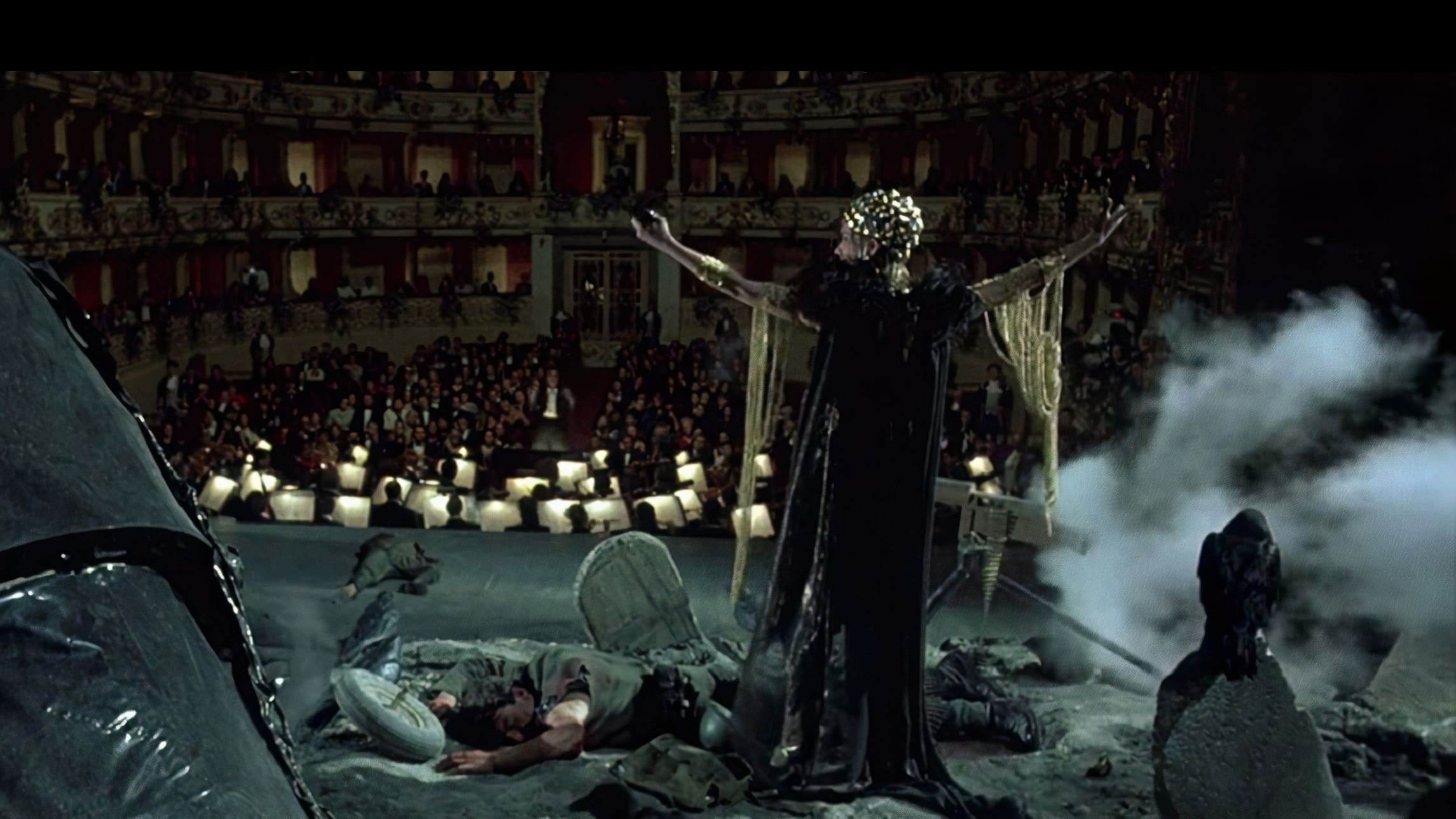
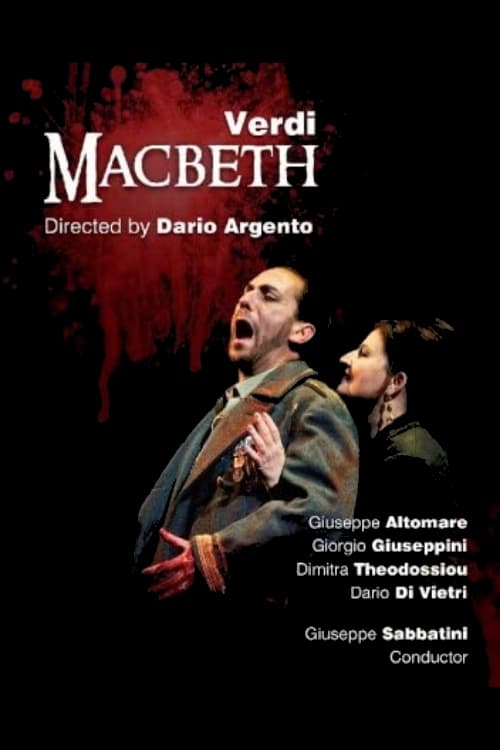
Giuseppe Verdi's opera "Macbeth" staged by Dario Argento, directed by Marco Scalfi.
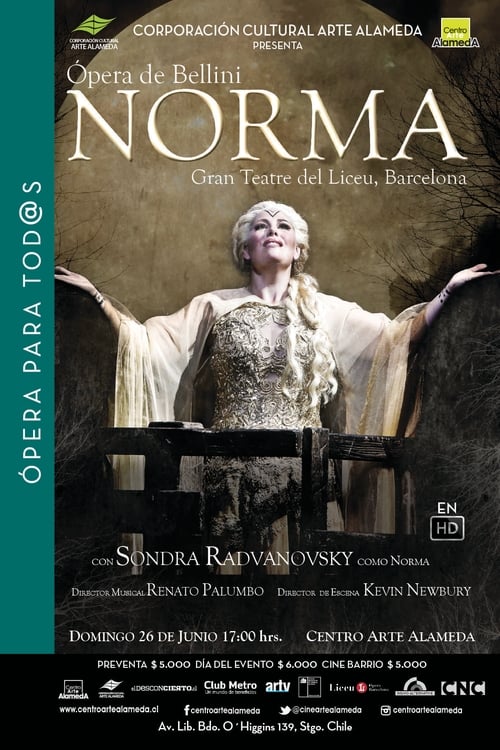
This new production of Norma, directed by Grammy Award-nominated opera, theatre and film director Kevin Newbury (winner of the Irish Times Theatre Award 2010) and starring Sondra Radvanovsky as a "powerful, elegant" Norma (New York Times) and Gregory Kunde as Pollione, is "something very special. The word 'historic' is used perhaps a little too often but tonight there really is no other adjective to describe the sensational performances offered to us by Sondra Radvanovsky and Gregory Kunde."
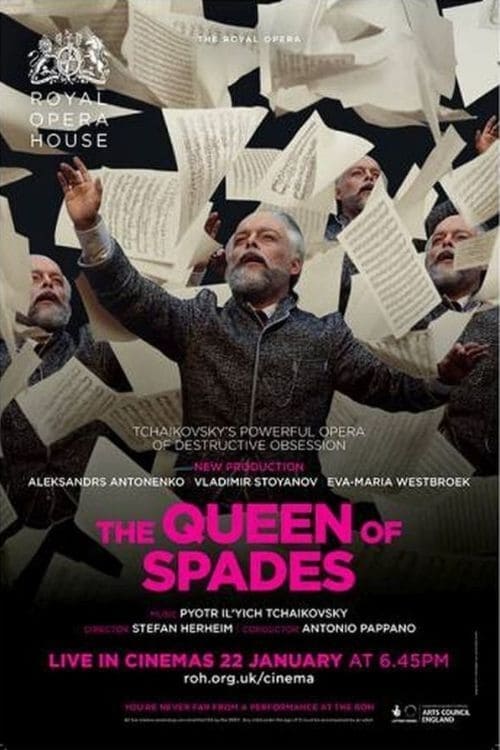
The dark world of Tchaikovsky’s penultimate operatic masterpiece Queen of Spades hinges on obsession, greed, and a secret in winning at cards… In 2005, the Opéra Bastille mounted a compelling production featuring Vladimir Galouzine as the mad lover Hermann, Hasmik Papian as the doomed Lisa, and Irina Bogatcheva as the mysterious Comtesse.
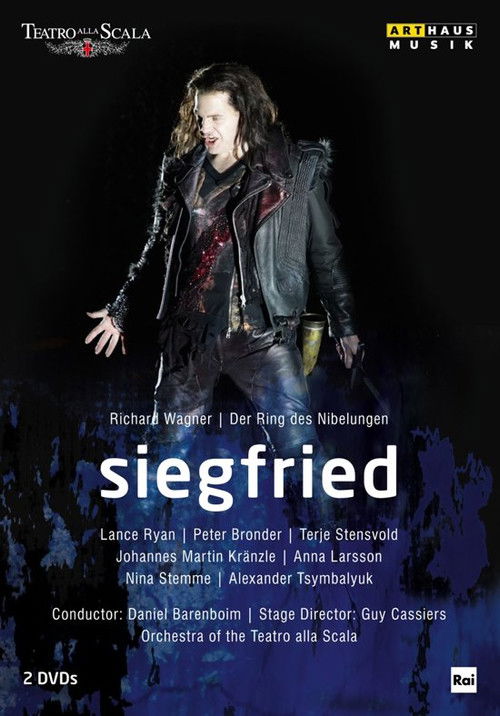
In Siegfried, the “Second Day” or third evening of the Ring Cycle, we meet the pivotal hero of the epic tale. The energetic drive from Die Walküre is pursued here while Siegfried finally recaptures the mighty ring from Fafner the Dragon and awakens Brünnhilde from her penal sleep on the great rock. Lance Ryan, having interpreted this role on the greatest stages of the world including the Bayreuth Festival, portrays the naïve hero. His antagonists are Peter Bronder, great and agile as Mime, Terje Stensvold, an experienced Wanderer and Johannes Martin Kränzle, who continues his mean and deceitful depiction of Alberich. The leading ladies are Nina Stemme, once again unrivalled as Brünnhilde and Anna Larsson, moving as the God-mother Erda.
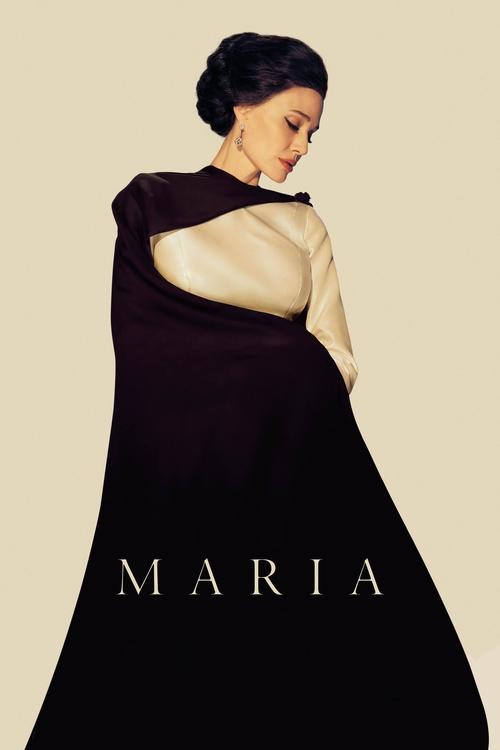
Maria Callas, the world's greatest opera singer, lives the last days of her life in 1970s Paris, as she confronts her identity and life.
Easter is a five story-arc opera about the coming-of-age of juking. The first of its tales aptly deals with contemporary civil unrest with foci on the interrelationships between law enforcement in communities it serves, and corruption within the justice system as a whole. It unfolds from the perspective of an African-American male who feels circumstantially slighted by society, and because of that, takes the law into his own hands and goes on a rampage which erupts into a war in the process.
A new generation of rising stars shines in Franco Zeffirelli’s classic production of Puccini’s most popular opera. Vittorio Grigolo is the poor poet Rodolfo who falls head over heels for his neighbor, the seamstress Mimì, sung by the radiant Kristine Opolais. Susanna Phillips is the flirtatious Musetta, Massimo Cavaletti is her sweetheart Marcello, and Patrick Carfizzi as Schaunard and Oren Gradus as Colline complete the ensemble. Stefano Ranzani conducts.
This 1969 BBC production is about as close as we can get to a definitive version of Benjamin Britten's PETER GRIMES, one of the greatest 20th Century operas. The story of the individualistic fisherman hounded by his neighbors who believe he murdered his young apprentice packs tremendous emotional power. The compelling narrative is richly enhanced by its subtexts: the lone outsider versus the conformist mob; the dreamer of improbable dreams that lead to tragedy; the artist (dreamer) versus the Philistines, and the homosexual overtones of Grimes' abuse of his child apprentices. Britten is conductor of his work and tenor Peter Pears is Grimes, 25 years after he created the title role at the opera's premiere. As the widow Ellen Orford, soprano Heather Harper is magnificent. Best of all, the sea is an ever-present actor here. When we don't see it in the background it exerts its presence in the abundant visual references to nets, barrels, and other paraphernalia of a seaside fishing village.
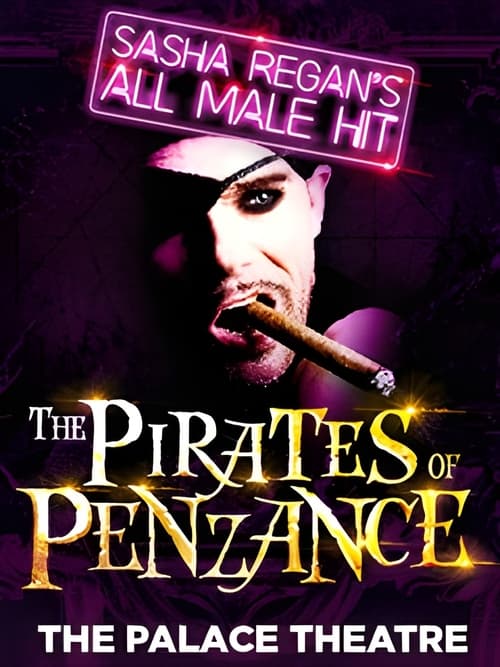
Sasha Regan’s award-winning All-male Company are set to lift everyone’s spirits with a treat in their new West End pirate’s cove. The swashbuckling pirates and their winsome lasses sail into the Palace Theatre with their inventive new take on W. S. Gilbert & Arthur Sullivan’s classic operetta THE PIRATES OF PENZANCE. Featuring a dazzling cast singing songs including: “I am a Pirate King”; “Oh, happy day, with joyous glee” and “A rollicking band of pirates we”, they are sure to raise the roof off the Palace Theatre!
Engelbert Humperdinck's beloved musical fairy tale HÄNSEL UND GRETEL is brought to life by Sir Georg Solti and an illustrious cast - all part of a shimmering production that continues to enchant audiences of all ages.
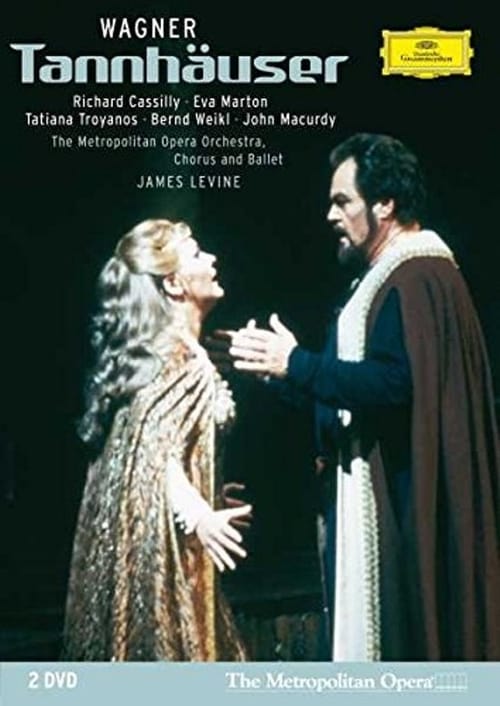
As renowned for its harmonious overture as for its romantic storybook characters, this three-act masterwork features some of the composer’s most groundbreaking and unforgettable music, as well as a theme the young Wagner would revisit again and again later in his career—the redemptive and transcendent power of a woman’s love. The enchanting plot harks back to medieval history: Wolfram is a lovesick troubadour who desires the virtuous Elisabeth. She, however, has eyes for another: the rebellious knight Tannhäuser, who in turn cannot get over an overwhelming sensual experience in the realm of the goddess Venus, and is banished for singing her praises at court. Only saintly Elisabeth’s death can atone for his misdeeds.
Can the darkest moments of life also lift our souls? Drawing on his own experience in a Siberian prison in the company of misfits, murderers and theives, Dostoevsky was inspired to write his novel Notes from a Dead House, telling his brother at the time: ‘Believe me, there were among them deep, strong, beautiful natures, and it often gave me great joy to find gold under a rough exterior.’ In Janáček’s hands, Dostoevsky’s inspiration and the raw material drawn from an appalling world of incarceration find an even more powerful form of expression in his last opera, From the House of the Dead. Unfettered by conventional story-telling, Janáček wrote his own libretto, freely weaving together a series of stories of everyday prison life and of the fates of individual convicts.
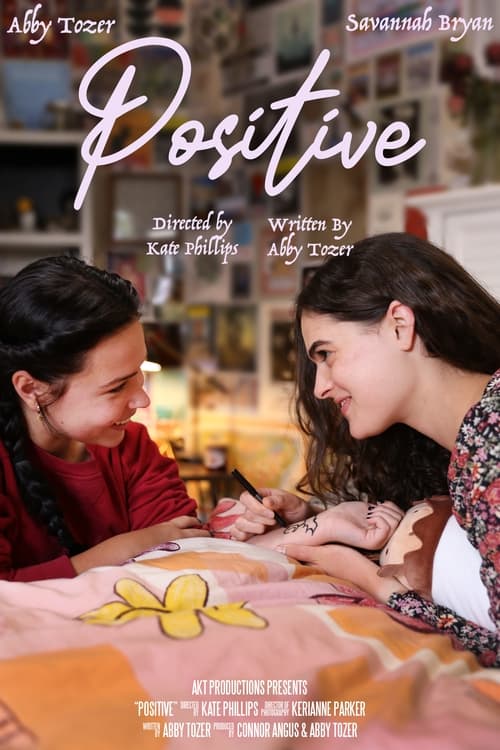
Twenty-two year old Neuroscience student Wendy is in the midst of a transition from pre-med to performance when she is thrown into quarantine with her 17 year-old sister, April. Suddenly sharing a full-sized bed, the sisters struggle to make peace with their newfound living quarters. But, while editing April’s college essays, Wendy discovers her purpose–to help April find hers. Over fourteen days, the girls grow from acquaintances to artistic allies as they realize their unstoppable potential to pursue their passion. Based on a true story, this film was shot in Houston with an entirely Texan cast & crew. Creator Abby Tozer donated $2500 to the Cynthia Woods Mitchell young performing artists' scholarship.
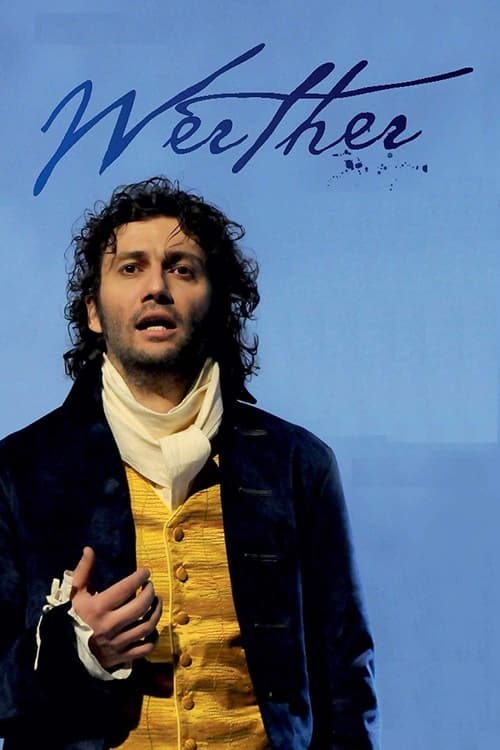
Werther loves Charlotte, but she promised her mother on her deathbed that she would marry Albert. After the marriage Charlotte suggests that Werther should travel - but not forget her. In addition to the singing and orchestral accompaniment, the entire cast acts very convincingly. And, there's no backstage mugging, entrances and spoken nonsense to spoil the experience of the drama.
This epic opera follows Virgil, beginning as the Greeks appear to have ceded the field after ten years of the Trojan War. Cassandra tries to warn of the terrible fate to come, but fate is set and Troy falls. The first two acts cover this tragic end, then the flight of survivors to Carthage and events at Carthage continue in acts 3 - 5, culminating in the further voyage for Italy and Rome. This is Virgil's classic epic, in operatic form, in about a three and a half hour performance from French Opera.
No overview available.
La traviata in Paris is a film-opera of Giuseppe Verdi's La traviata filmed live on television and worldwide, directed by Giuseppe Patroni Griffi, conceived and produced by Andrea Andermann in 2000. A Traviata that takes place live, with a television reporter who, amid the events of the day that took place in France on June 3, 2000, connects live to the scene of the action but at the time exactly a century earlier, in the Paris of June 3, 1900 (the setting of the opera is thus postdated from the original, which was conceived for the 1850s).
The hero of this admirably complete August 2013 Guillaume Tell from Pesaro is homegrown maestro Michele Mariotti. The inimitable overture is (mercifully) unstaged and terrifically played, with splendid cello and flute solos: the fine standard never flags. Rossini’s extraordinary 1829 score audibly presages Meyerbeer, Berlioz, Glinka, Verdi and Wagner, among many others. Graham Vick’s direction privileges class conflict, with a clenched fist on the red-and-white forecurtain. The Edwardian costumes place Austrians in white evening garb; the black-clad Swiss polish the floor while the rulers savor a filming (much of that to follow) — the fisherman Ruodi, in a boat with a blonde and fake scenery, with Tell and his family providing tech support. Vick deploys geographical and historical kitsch liberally but not (always) pointlessly. Ron Howell’s pretentious, mannered choreography, however, beggars belief.
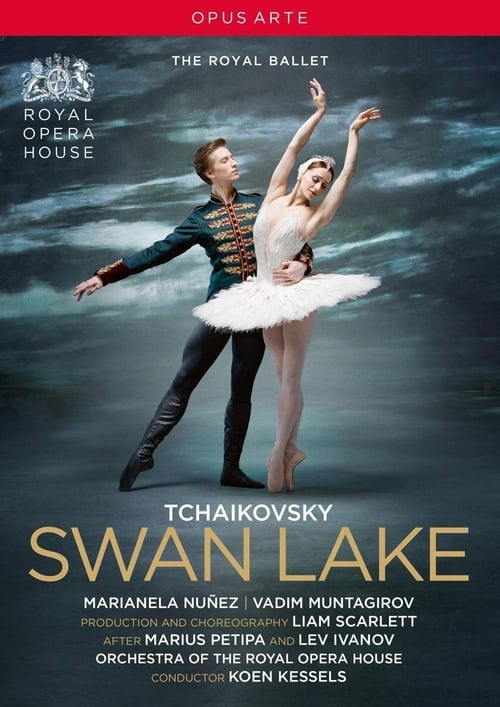
The Royal Ballet performs Tchaikovsky's classic ballet, choreographed by Liam Scarlett and starring Marianela Nunez as Odette/Odile and Vadim Muntagirov as Prince Siegfried.
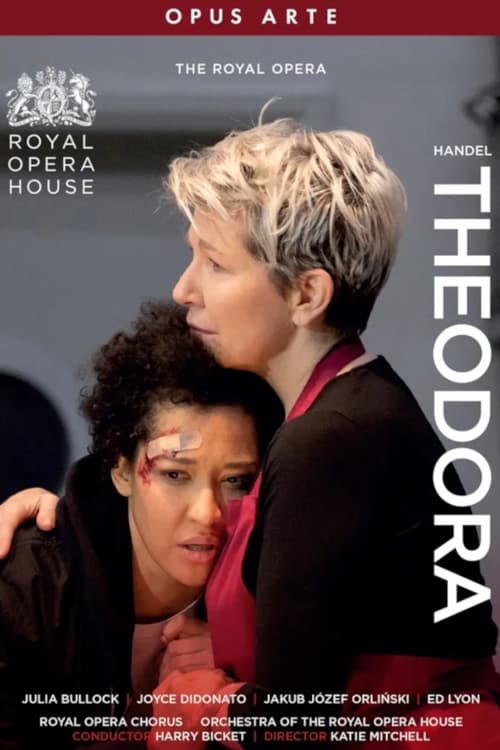
Julia Bullock, Joyce DiDonato and Jakub Jozef Orlinski star in Katie Mitchell’s thrilling new production of Handel’s Theodora in an alternative modern-day reality, Theodora, a religious fundamentalist, plots for the resistance against the Roman occupation. But when her secret plan to destroy the Roman embassy is discovered, she learns the true brutality of her oppressors. Harry Bicket conducts the Orchestra of the Royal Opera House
Franz Schreker’s career was cut short by the events of 1933 in Germany but he achieved real fame with his operas, and the huge success of Der Schatzgräber (‘The Treasure Hunter’) in the 1920s was the high point of his career. In a complex and ultimately tragic tale of destructive greed, desire and toxic social hierarchy, the innkeeper’s daughter Els is forced to confront the consequences of her murderous intent in what conductor Marc Albrecht considers ‘a work of exceptional quality, concentration and significance’. Following the huge success of Korngold’s Das Wunder der Heliane (Naxos DVD 2.110584–85 / Blu-ray NBD0083V), director Christof Loy continues his exploration of strong female characters and neglected 20th-century masterpieces with this highly acclaimed Deutsche Oper Berlin production.
No Trailers found.