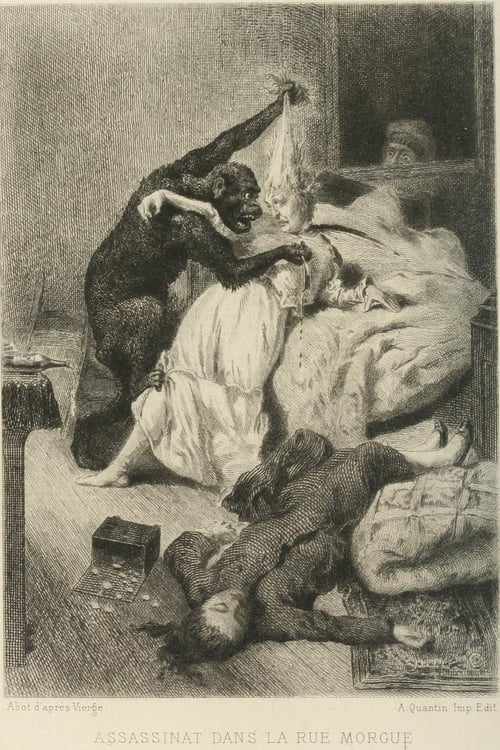
The first film adaption of Edgar Alan Poe's novel.
No Trailers found.
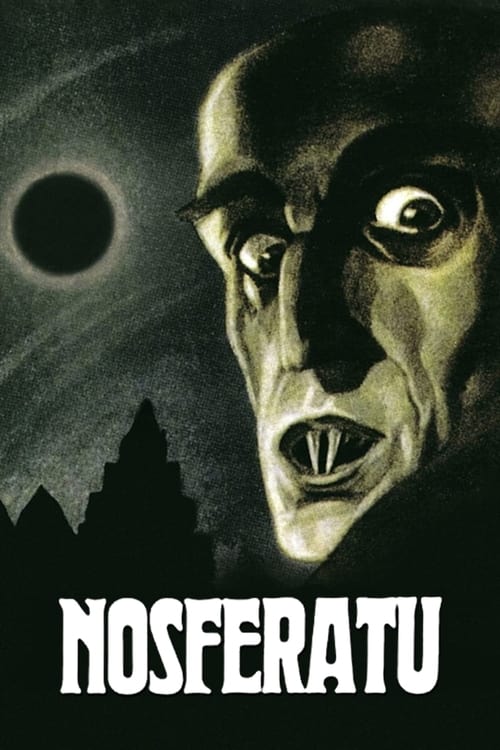
The mysterious Count Orlok summons a happily married real estate agent to his castle, located up in the Transylvanian mountains, to finalise a terrifying deal.
A young woman who lives with her uncle begins to dream about a monster that lurks in the shadows of the night.
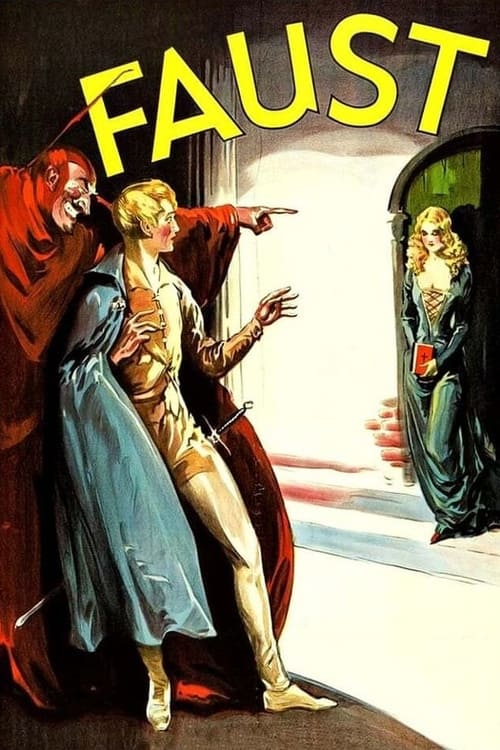
God and Satan wager on the soul of a learned and prayerful alchemist as part of their eternal war over Earth.
This mostly lost film is often confused with director Paul Wegener third and readily available interpretation of the legend; Der Golem, wie er in die Welt kam (1920). In this version of the golem legend, the golem, a clay statue brought to life by Rabbi Loew in 16th century Prague to save the Jews from the ongoing brutal persecution by the city's rulers, is found in the rubble of an old synagogue in the 20th century. Brought to life by an antique dealer, the golem is used as a menial servant. Eventually falling in love with the dealer's wife, it goes on a murderous rampage when its love for her goes unanswered.
Charles Abbott is implicated in the death of his friend Escobar, brother to the woman he loves.
The rise and inevitable fall of an amoral but naive young woman whose insouciant eroticism inspires lust and violence in those around her.
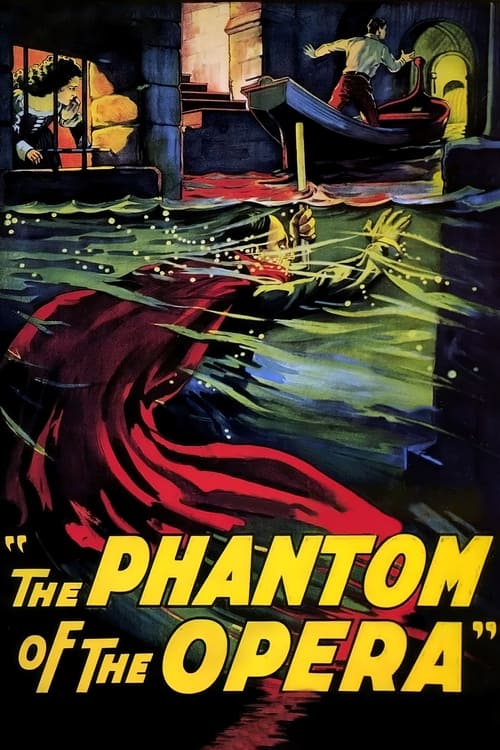
The deformed Phantom who haunts the Paris Opera House causes murder and mayhem in an attempt to make the woman he loves a star.
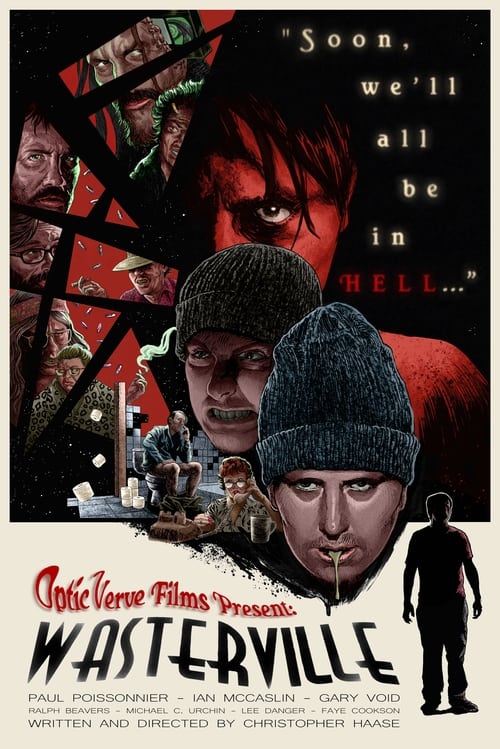
Set off by a traumatic breakup, Paul Fisher (Poissonnier) spirals into a vicious underworld of sex, drugs and violence. Broke and clamoring for his next fix, Paul is lured into the clutches of pornographic film producer Ralph Beavers (Himself), where he is betrothed to none other than his own ex-girlfriend! Can Paul escape the malevolent forces that hunger for the flesh of his soul? Find out the mind-melting conclusion in this phantasmagoric journey into the heart of the unknown. Welcome to WASTERVILLE.
A minister founds a fraud company, but a lawyer smells a rat.
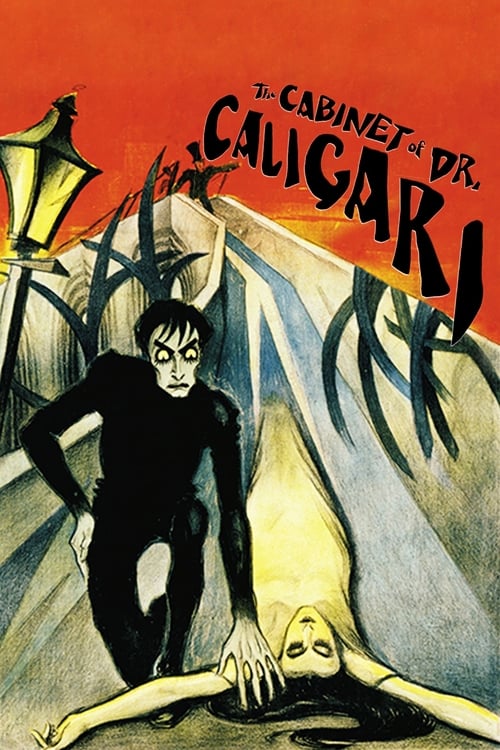
Francis, a young man, recalls in his memory the horrible experiences he and his fiancée Jane recently went through. Francis and his friend Alan visit The Cabinet of Dr. Caligari, an exhibit where the mysterious doctor shows the somnambulist Cesare, and awakens him for some moments from his death-like sleep.
The film is about a woman who experiences frightening visions after visiting an insane asylum where one of the inmates claims to be Count Dracula (here following the Hungarian spelling Drakula). She has trouble determining whether the inmate's visions are real or merely nightmares.
A middle aged woman is desperately wondering in the streets looking for her daughter. A man finds her before she does.
After the train station clerk is assaulted and left bound and gagged, then the departing train and its passengers robbed, a posse goes in hot pursuit of the fleeing bandits.
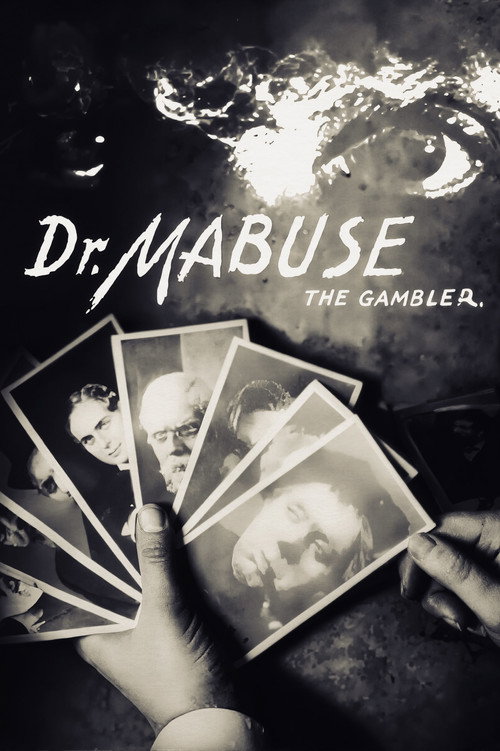
Dr. Mabuse and his organization of criminals are in the process of completing their latest scheme, a theft of information that will allow Mabuse to make huge profits on the stock exchange. Afterwards, Mabuse disguises himself and attends the Folies Bergères show, where Cara Carozza, the main attraction of the show, passes him information on Mabuse's next intended victim, the young millionaire Edgar Hull. Mabuse then uses psychic manipulation to lure Hull into a card game where he loses heavily. When Police Commissioner von Wenk begins an investigation of this mysterious crime spree, he has little to go on, and he needs to find someone who can help him.
A man is being haunted by a masked stranger. The only language used in the movie comes from three (inter) title cards and a few sentences of sermon-like talk in Danish. Some of the talk is modified citations from the bible and similar sources.
No overview available.
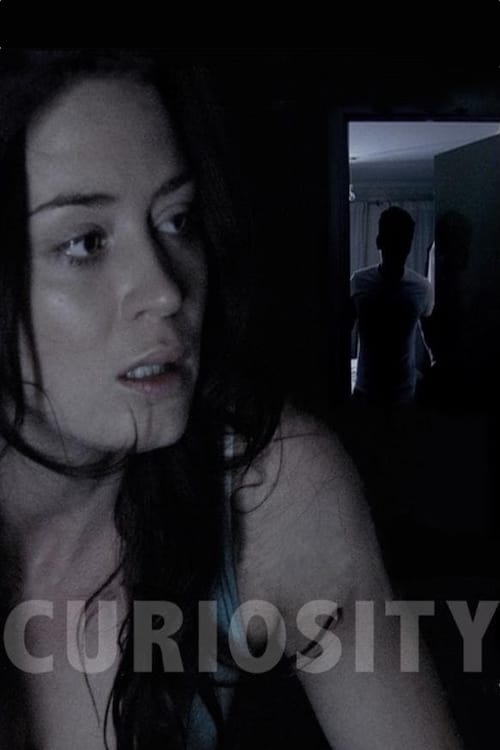
On a quiet night, a young couple find themselves caught up in a nightmarish ordeal after they witness a murderer disposing of a body in this claustrophobic thriller.
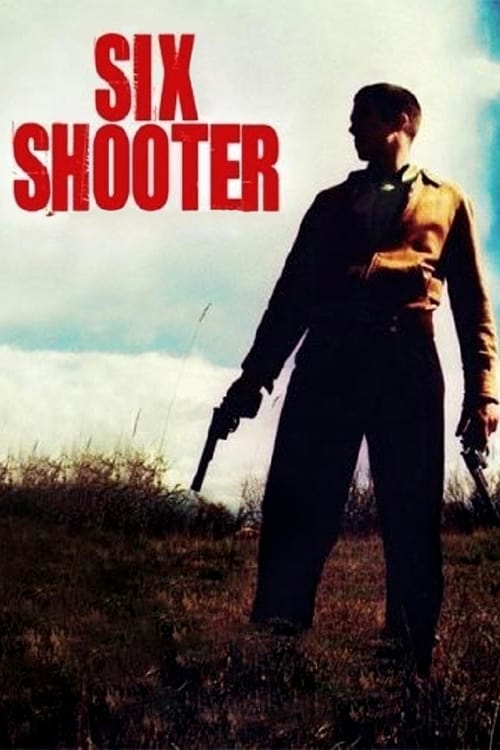
Overwhelmed by grief following the death of his wife, Donnelly shares a train carriage home with a troubled young man identified only as the 'Kid'. As the Kid becomes more agitated and foul-mouthed, the journey takes on a violent and dangerous hue – for the bereaved Donnelly and for other hapless passengers on the train. Academy Award Winner: Best Live Action Short Film – 2005
In the aftermath of an emotional shock, a ruthless high-class manager faces her own abyss, becomes pervaded by a sensory spirit and undertakes a purifying voyage.
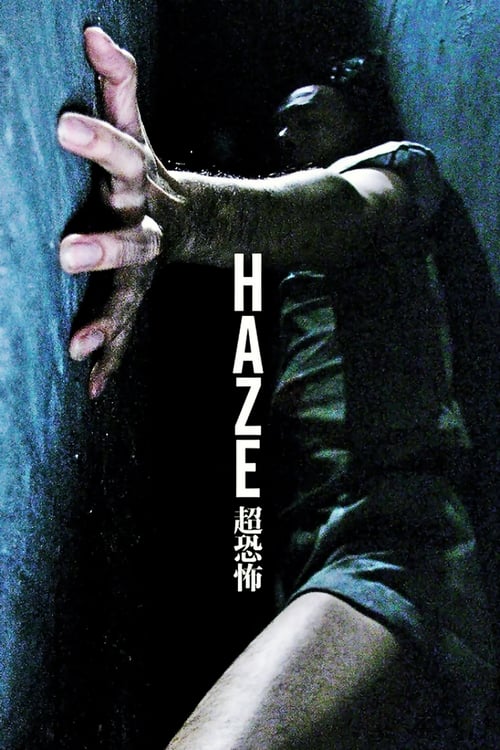
A man awakes to find himself trapped in a dirty, confined crawlspace. He barely has enough room to move. He also has no memory of why he's there, or why he's bleeding from a stomach wound. Apparently drugged, he occasionally 'zones out' of his surroundings as he tries to edge towards his way to freedom. But the more he explores, the more pain he has to endure, and the more frightening his predicament becomes.
No Cast found.