Based on information from FBI cases, this documentary investigates the dark years of American cinema and attempts to discover the mechanisms leading to one of the most diabolical periods in US history.
An examination of the effect of McCarthyism on two ordinary Americans. Interviews with Paul McCarty and his family describe the loss of his job in a Paducah, Kentucky power plant in 1953 when his loyalty was questioned; he lost job after job for over twenty years. Interview with Luella Mundel, the object of false accusations based on her unconventional views and actions. Interviews with colleagues, friends, and a historian recreate the dramatic trial which devastated Mundel personally.
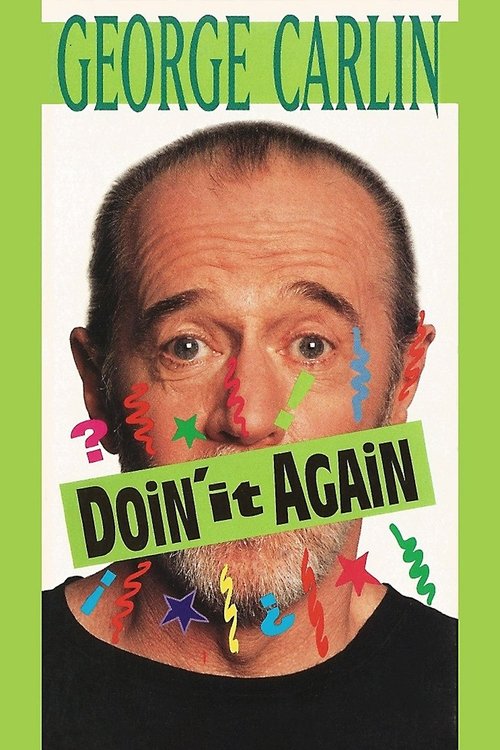
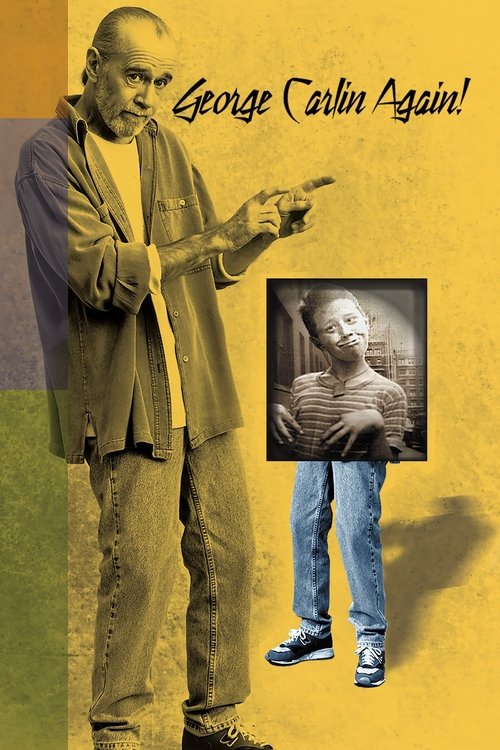
George Carlin brings his comedy back to New Jersey and this time talks about Offensive Language, Euphemisms, They're Only Words, Dogs, Things you never hear, see or wanna hear, Some people are stupid, Cancer, Feminists, Good Ideas, Rape, Life's moments, and organ donors.
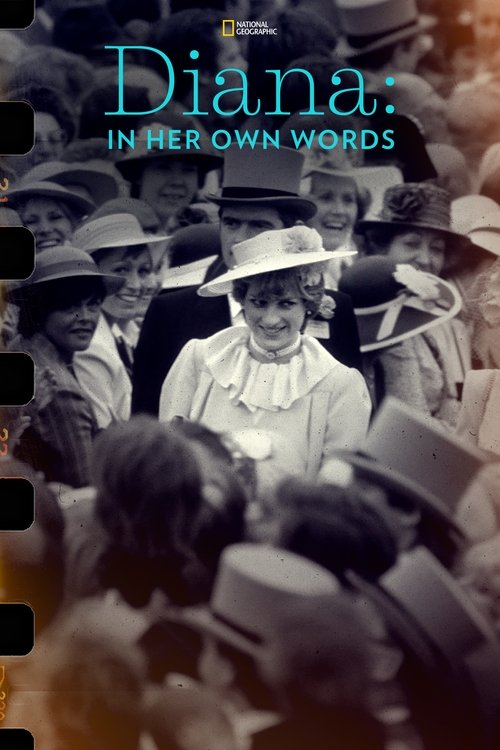
Using home videos recorded by her voice coach, Diana takes us through the story of her life.
No overview available.
The first of two documentaries about Ingmar Bergman produced to mark his 70th birthday. Includes behind the scenes "home movies" from Bergman's personal archive, interviews with Bergman recorded over his 40 years in the film industry and passages from his autobiography read by Max von Sydow and Bergman himself.
Documentary on musician Robbie Robertson.
Carlin returns to the stage in his 13th live comedy stand-up special, performed at the Beacon Theatre in New York City for HBO®. His spot-on observations on the deterioration of human behavior include Americans’ obsession with their two favorite addictions - shopping and eating; his creative idea for The All-Suicide Channel, a new reality TV network; and the glorious rebirth of the planet to its original pristine condition - once the fires and floods destroy life as we know it.
Performing at the Celebrity Star Theater in Phoenix on July 23, 1978, Carlin mesmerizes his audience in the second of his 12 HBO specials. The show was originally planned as part of a concert/sketch movie, The Illustrated George Carlin, that never came to fruition.The routines include: Death, Kids & Parents, Newscast #2, Time and Al Sleet, the Hippy-Dippy Weatherman. -- From Amazon.com
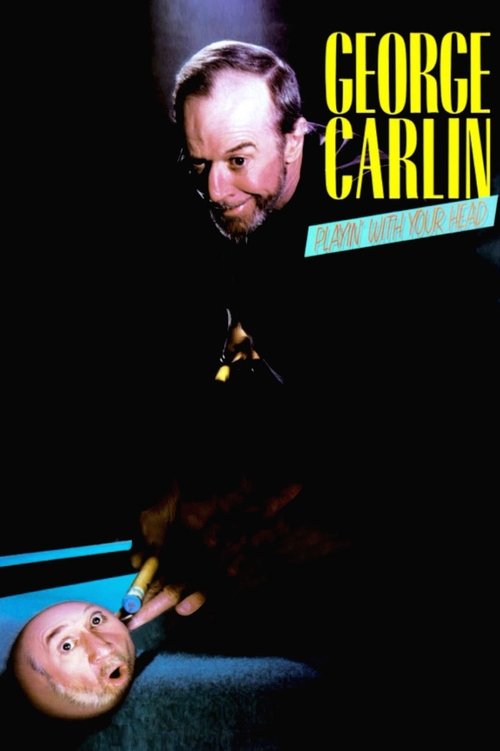
George Carlin is in top form with these stand-up recorded at the Beverly Theater in Los Angeles in 1986. Routines included are "Losing Things," "Charities," "Sports," "Hello and Goodbye," "Battered Plants," "Earrings," and "A Moment of Silence." Also included is a short film entitled "The Envelope" co-starring Vic Tayback.
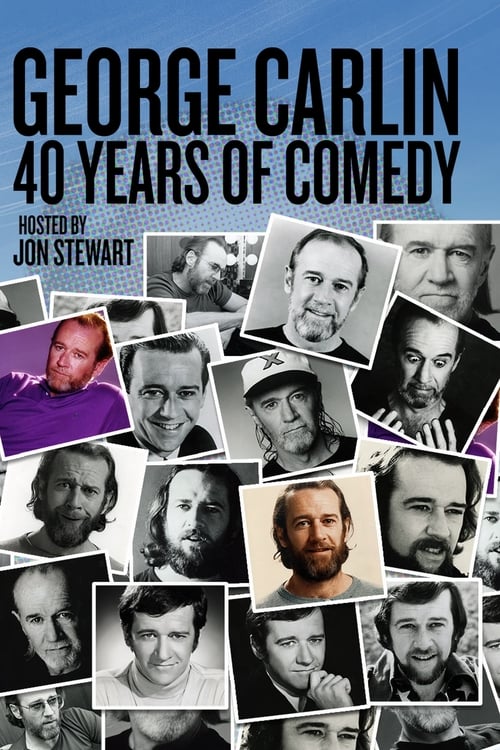
George Carlin celebrates 40 years of comedy and here, he presents 2 new standup bits, comedian Jon Stewart gives an interview with him, and we look at his old comedy work through the last 4 decades.
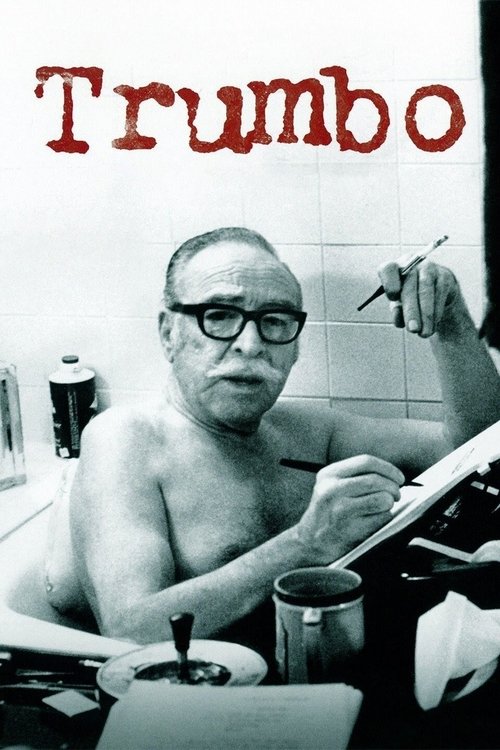
Through a focus on the life of Dalton Trumbo (1905-1976), this film examines the effects on individuals and families of a congressional pursuit of Hollywood Communists after World War II. Trumbo was one of several writers, directors, and actors who invoked the First Amendment in refusing to answer questions under oath. They were blacklisted and imprisoned. We follow Trumbo to prison, to exile in Mexico with his family, to poverty, to the public shunning of his children, to his writing under others' names, and to an eventual but incomplete vindication. Actors read his letters; his children and friends remember and comment. Archive photos, newsreels and interviews add texture. Written by
Relive an unspeakable tragedy detailed with unforgettable images, videos, and recordings only recently rediscovered.
They called themselves the United Society of Believers in Christ's Second Appearing, but because of their ecstatic dancing, the world called them Shakers. Ken Burns creates a moving portrait of this particularly American movement, and in the process, offers us a new and unusually moving way to understand the Shakers.
Faced with the challenging behaviour of their kids, more and more parents in America are turning to psychoactive medication to help them cope, even though the drugs, and sometimes the diagnoses, remain controversial. Louis travels to one of America's leading children's psychiatric treatment centres, in Pittsburgh, Pennsylvania, to get to know the diagnosed children and hoping to understand what drives parents to put their kids on drugs.
George Carlin's first ever comedy special, filmed live at the University of Southern California. Here, he talks about monopoly, flying on planes, random thoughts, walking, and other things.
The 1960's and 1970's were a time of change, a time of revolution, a time of the Hippies. Hippies reached across the nation and their effects are still felt today.
A documentary about James Dean. People who knew him or had worked with him reminisce.
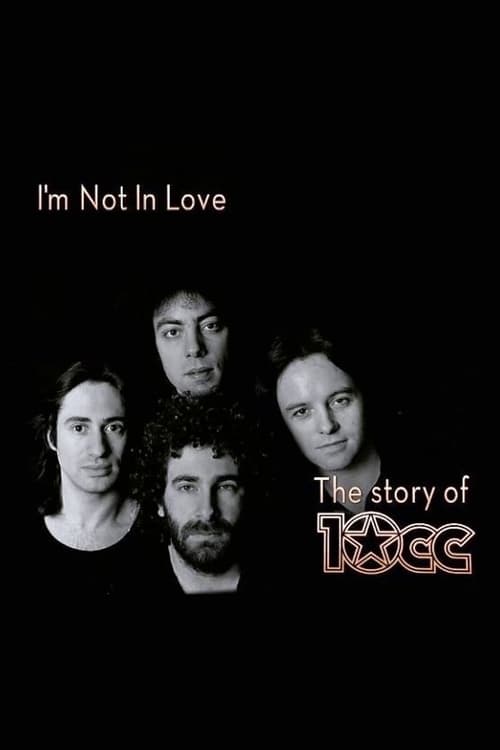
In celebration of the 40th anniversary of smash hit I'm Not in Love, the original members of 10cc - Graham Gouldman, Eric Stewart, Kevin Godley and Lol Creme - reunite to tell their story. The documentary shares the secrets to some of their most successful records, from the writing and the recording to the tours and the tensions.With contributions from an impressive array of music industry legends including 10cc's band manager Harvey Lisberg, lyricist Sir Tim Rice, broadcaster Paul Gambaccini, legendary producer Trevor Horn, Stewart Copeland (the Police), Graham Nash (the Hollies) and Dan Gillespie Sells (the Feeling), not only does this film highlight the diversity of these four brilliant musicians' songwriting talent, but it also delves into the influence they had, as well as the politics beneath their acrimonious split in 1976, at the height of their fame.
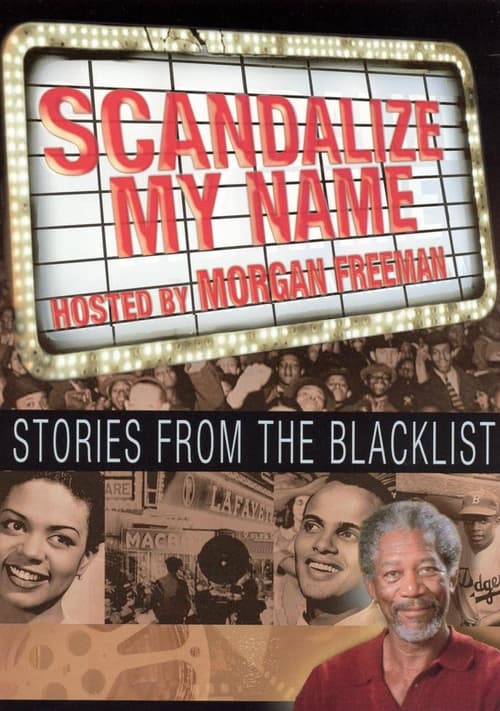
A look at the confluence of the Red Scare, McCarthyism, and blacklists with the post-war activism by African Americans seeking more and better roles on radio, television, and stage. It begins in Harlem, measures the impact of Paul Robeson and the campaign to bring him down, looks at the role of HUAC, J. Edgar Hoover and of journalists such as Ed Sullivan, and ends with a tribute to Canada Lee. Throughout are interviews with men and women who were there, including Dick Campbell of the Rose McLendon Players and Fredrick O'Neal of the American Negro Theatre. In the 1940s and 1950s, anti-Communism was one more tool to maintain Jim Crow and to keep down African-Americans.
An unparalleled portrait of Arthur Miller (1915-2005), a major writer who left an indelible mark on the world. Miller's life is intimately connected with the great themes that marked the 20th century. Glamour, fame, social criticism and Marilyn Monroe.
Self
No Trailers found.