Self
No Trailers found.
The story was born from the pen of debutante Callie Khouri: Thelma, married to a macho man, and Louise, an independent waitress, go on a girls' getaway that turns into a runaway when the latter, during a stopover in a bar, shoots a man who was trying to rape her friend. But at the dawn of the 1990s, screens were dominated by testosterone-fueled opuses, and Hollywood studios were reluctant to entrust the steering wheel to a female duo. Seduced by the script, forwarded by his associate Mimi Polk, Ridley Scott agreed to produce the film and decided, against all odds, to direct it himself. Under the British director's watch, the two accidental outlaws, fabulously portrayed by Susan Sarandon and Geena Davis, flee across the vastness of the Far West on an emancipatory epic that sees them defy male oppression and reveal themselves to themselves.
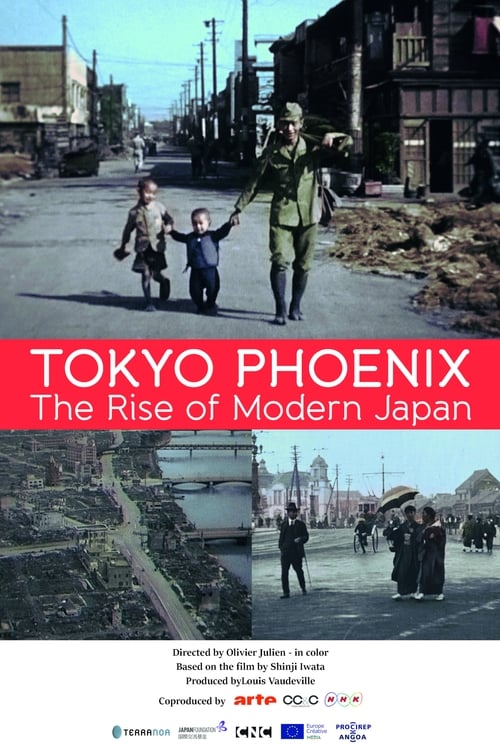
In 150 years, twice marked by total destruction —a terrible earthquake in 1923 and incendiary bombings in 1945— followed by a spectacular rebirth, Tokyo, the old city of Edo, has become the largest and most futuristic capital in the world in a transformation process fueled by the exceptional resilience of its inhabitants, and nourished by a unique phenomenon of cultural hybridization.
No overview available.
In CATHEDRALS, filmmaker Dan Algrant embarks on a journey to reconnect with two black collaborators from a film made nearly 50 years ago. CATHEDRALS becomes a powerful exploration of the bonds that tie us together and the experiences that shape our identities. Through the lens of a creative collaboration, the film illuminates the struggles and triumphs that define life in a close-knit community, ultimately reaffirming the importance of human connection and the power of collective memory.
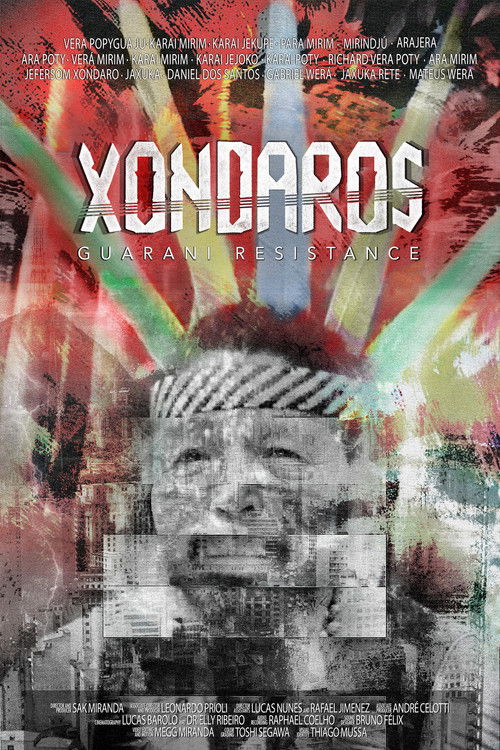
The 6 Guarani villages of Jaraguá, in São Paulo, fight for land rights, for human rights and for the preservation of nature. They suffer from the proximity to the city, which brings lack of resources, pollution of rivers and springs, racism, police violence, fires, lack of infrastructure and sanitation, among others. Unable to live like their ancestors, their millenary culture is lost as it merges with the urban culture.
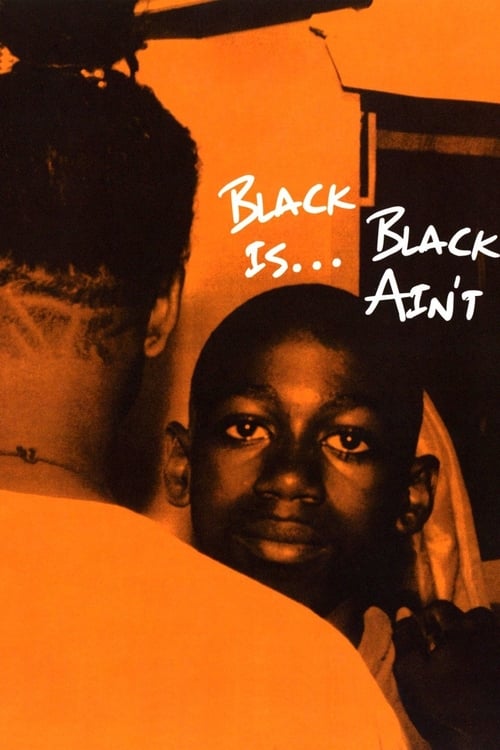
African-American documentary filmmaker Marlon Riggs was working on this final film as he died from AIDS-related complications in 1994; he addresses the camera from his hospital bed in several scenes. The film directly addresses sexism and homophobia within the black community, with snippets of misogynistic and anti-gay slurs from popular hip-hop songs juxtaposed with interviews with African-American intellectuals and political theorists, including Cornel West, bell hooks and Angela Davis.
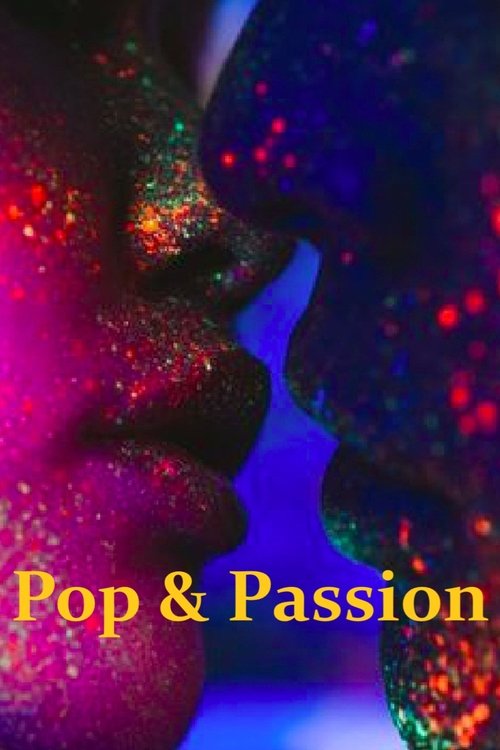
The two-part documentary Pop & Passion tells of power and magic, but also of the pressure and excess that prevails in the pop business.
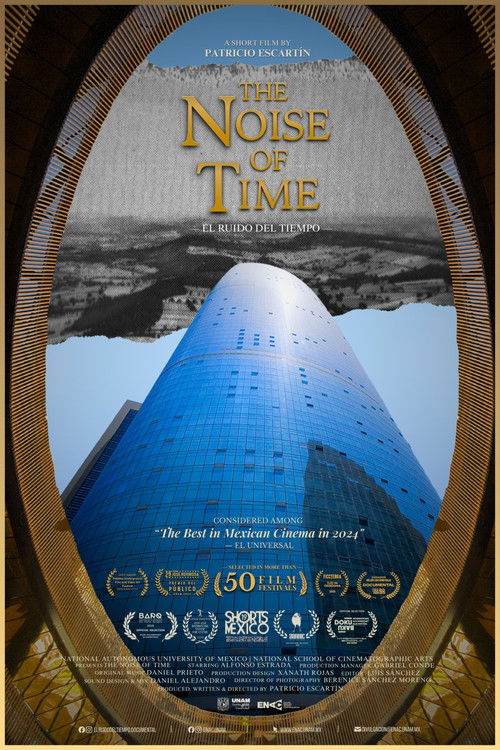
In the town of Xoco, the spirit of an old villager awakens in search of its lost home. Along its journey, the ghost discovers that the town still celebrates its most important festivities, but also learns that the construction of a new commercial complex called Mítikah will threaten the existence of both the traditions and the town itself.
Through the unrelenting winter in the north of Japan, a small group of workers must brave unusual working conditions to bring to life a 2,000-year-old tradition known as sake. A cinematic documentary, The Birth of Sake is a visually immersive experience of an almost-secret world in which large sacrifices must be made for the survival of a time-honored brew.
Early 90s London gets a vibrant dose of African culture in this mini odyssey fusing dance, music and fashion.
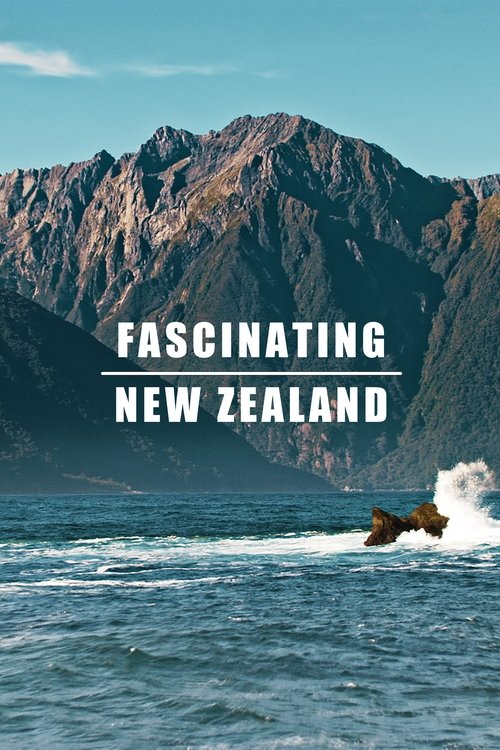
There are landscapes that hardly anyone has entered or seen: this film takes the viewer through New Zealand from the southern edge to the northernmost tip. High-quality images from the air, on land and in the water bring paradise to the other end of the world.
Nestled at the heart of Canada’s national capital, the Wabano Centre for Aboriginal Health has been a haven for generations of Indigenous people from many cultures since its founding in 1998. A place of togetherness, thecentre celebrated a large expansion in 2013 designed by renowned First Nations architect Douglas Cardinal, which greatly increased its ability to serve Ottawa’s Indigenous population in one of the city’s poorest neighbourhoods. Under the determined leadership of Allison Fisher, Wabano has become far more than a health centre; through its focus on Indigenous pillars of healing and good health, Wabano has become a home for many.
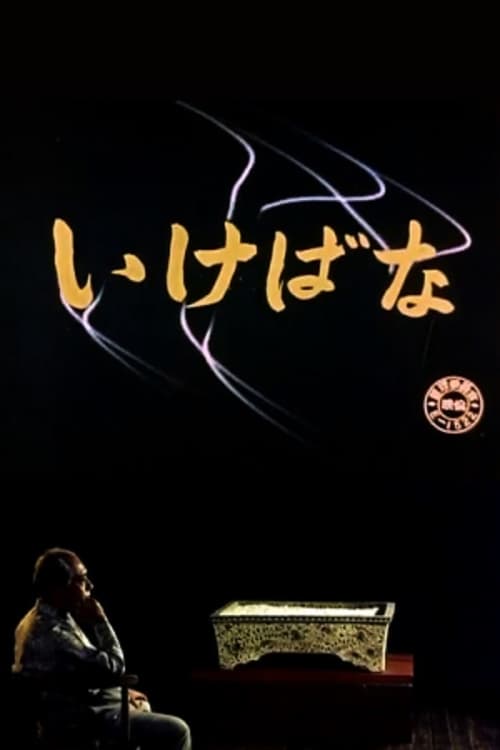
The history and art of ikebana, a centuries old Japanese art of flower arrangement and a look inside the Sogetsu School of Ikebana, where the director's father Sofu Teshigahara worked as the grand master of the school.
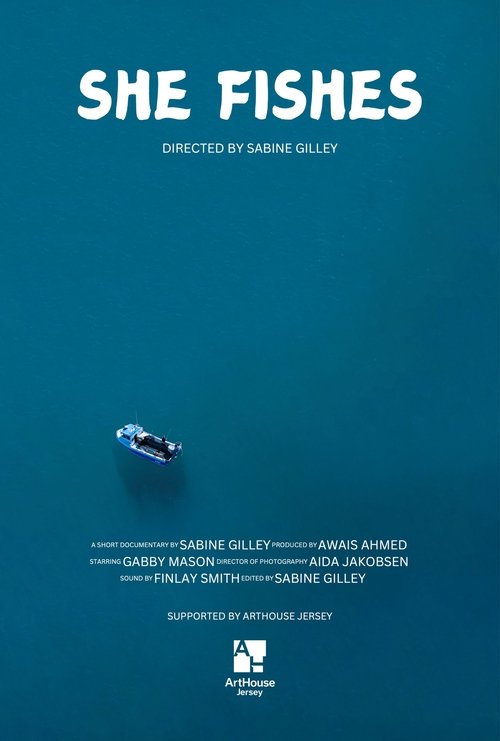
A local fisherwoman navigates her way through a male dominated environment to work in an industry that has been essential to island life for hundreds of years.
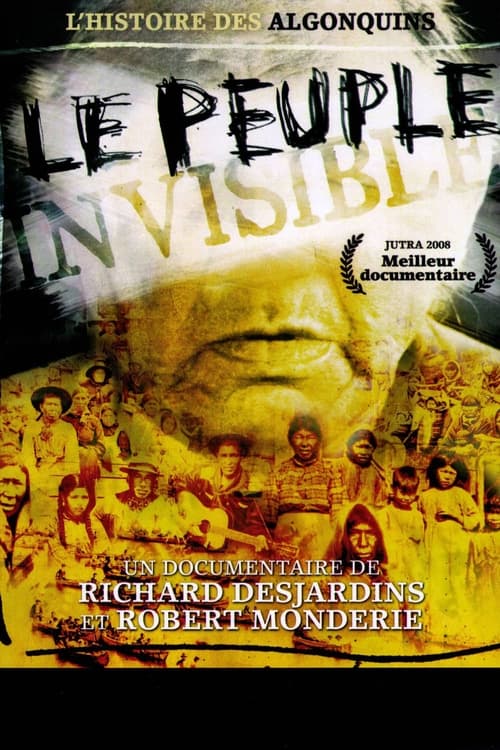
The Algonquin once lived in harmony with the vast territory they occupied. This balance was upset when the Europeans arrived in the 16th century. Gradually, their Aboriginal traditions were undermined and their natural resources plundered. Today, barely 9,000 Algonquin are left. They live in about 10 communities, often enduring abject poverty and human rights abuses. These Aboriginal people are suffering the threat to their very existence in silence. Richard Desjardins and Robert Monderie have decided to sound the alarm before it's too late.
From time immemorial, the Bretons have fought many battles to safeguard their culture, rich in language, music and dance. However, Brittany was for a long time a forgotten land, neglected by the Republic which forbade its language. From the 1960s onwards, the agricultural revolution turned peasant life upside down. Its culture, which had long been supported by Catholic priests, was emancipated in the seventies, carried by a new breath of air that accompanied the Breton angers. The youth then reappropriated their language and culture. From the long years of relegation to their great anger, the Bretons have written a fascinating saga since the end of the 19th century.