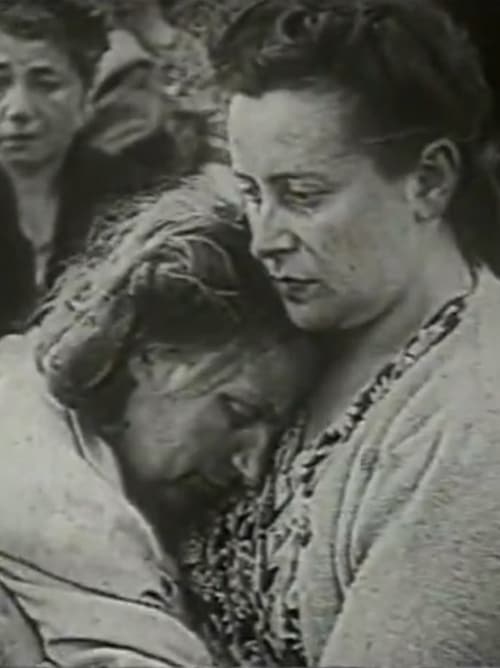
On July 4th, 1946, the crowd in Kielce, Poland, slaughtered forty-two Jews and wounded many others. Forty years later, in 1987, Marcel Łoziński visited those places and met some witnesses of the carnage.
No Cast found.
No Trailers found.
Filmmaker Alain Resnais documents the atrocities behind the walls of Hitler's concentration camps.
For four years (1977-1981) Esaias Baitel documented a violent Parisian neo-Nazi gang. Having gained their trust, he was able to get close to them. Living among the gang members, he witnessed horrific events, and while hiding his real identity, he photographed a one-of-a-kind collection of gripping stills. Over thirty years have passed. Esaias Baitel has laid his camera down. He returns to the dark nights he spent in the City of Lights, the city where he lived a double life, going back and forth from the gang to the young family he had just started.
Documentary brings the time of the Holocaust to life and provides insight into the mind of the organizer of this crime: Adolf Eichmann. The documentary contrasts Eichmann's statements and memories - documented in the original soundtrack - directly with those of Holocaust survivors. The picture of the person and the crime is rounded off by the many contemporary witnesses who were involved either in Eichmann's arrest or the subsequent trial - such as the doctors and psychologists who looked after him, the guards and police officers through to the interrogator, the public prosecutor and the judge at the trial.
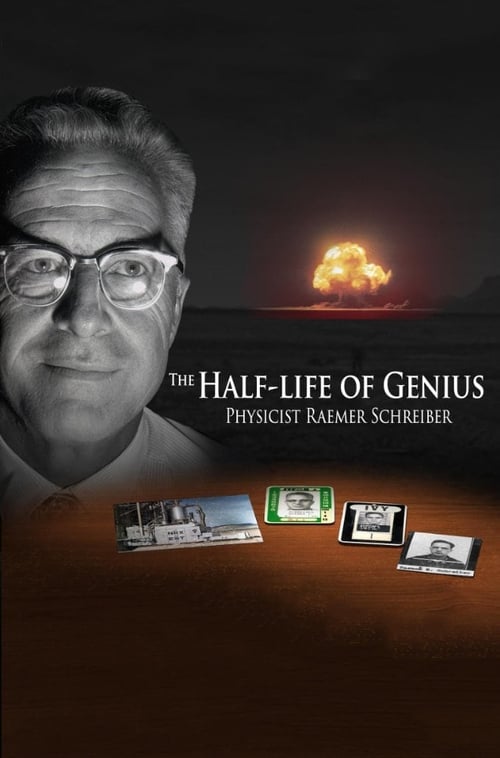
Our two-hour film highlights the life and career of Dr. Schreiber with respect and clarity. Raemer, his wife Marge, and young daughter Paula would move to the high-desert of New Mexico where he and other brilliant minds would change the world forever.
The documentary of the Nuremberg War Trials of 21 Nazi dignitaries held after World War II.
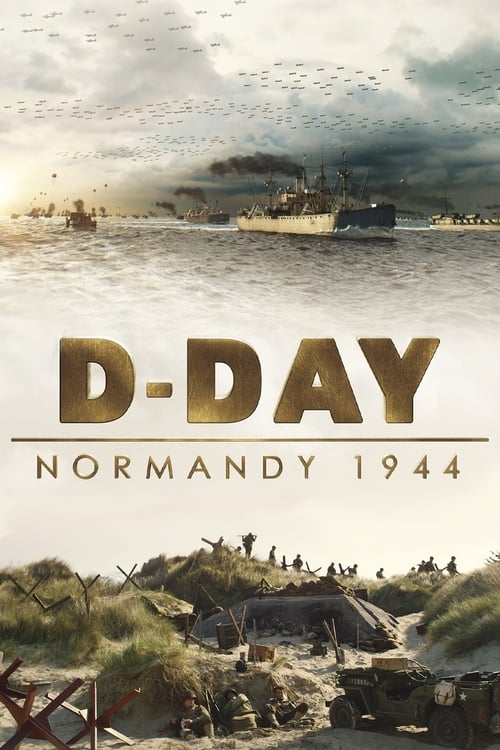
June 6, 1944: The largest Allied operation of World War II began in Normandy, France. Yet, few know in detail exactly why and how, from the end of 1943 through August 1944, this region became the most important location in the world. Blending multiple cinematographic techniques, including animation, CGI and stunning live-action images, “D-Day: Normandy 1944” brings this monumental event to the world’s largest screens for the first time ever. Audiences of all ages, including new generations, will discover from a new perspective how this landing changed the world. Exploring history, military strategy, science, technology and human values, the film will educate and appeal to all. Narrated by Tom Brokaw, “D-Day: Normandy 1944” pays tribute to those who gave their lives for our freedom… A duty of memory, a duty of gratitude.
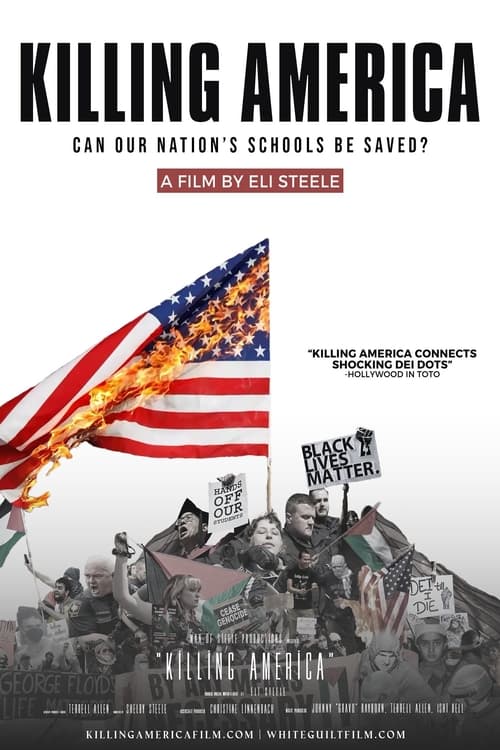
A 38 minute documentary that investigates why antisemitism exploded in Bay Area High Schools after Hamas attacked Israel on October 7. This comes after years of anti-Asian hate and anti-white hate.
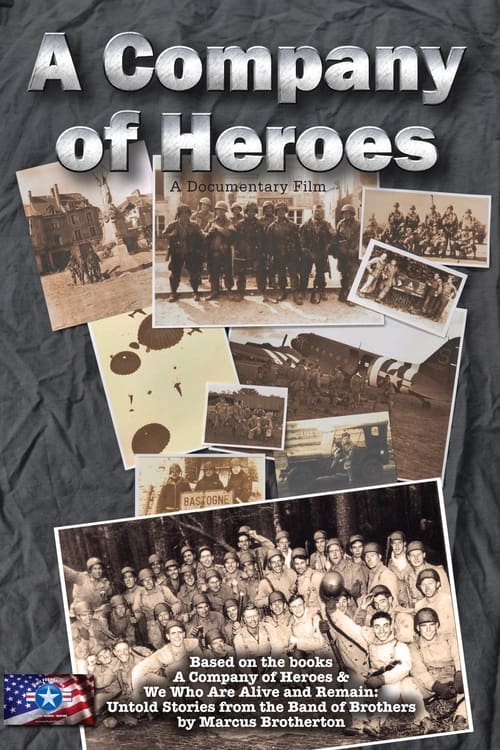
Easy Company, the 2nd Battalion of the 506th Parachute Infantry Regiment of the 101st Airborne Division, fought their way through Europe, liberated concentration camps, and drank a victory toast in April 1945 at Hitler's hideout. Veterans from Easy Company, along with the families of three deceased others, recount their horrors and victories, bonds they made and the friends they lost.
Composed of numerous archives and film clips, this documentary is the story of a transgressive actor, a pirate who came to crack America's too perfect mask to reveal its most infantile and moronic face, right in the heart of the Hollywood system.
Live footage from concentration camps after the liberation, and the complex transport and lodging of masses of prisoners of war and other deported people back to their home countries, at the end of World War II. A 45min 35mm print also exists (shown at Cinémathèque française in 2023).
Return to Oz for a fantastic behind-the-scenes journey with this expansive look inside the characters, choreography, and creativity that make up the movie's unforgettable world.
A wartime short encouraging workers to join free, government-organised engineering training schemes.
The filmmaker's father and uncle, Norm and Stan, are third generation Japanese Americans. They are "all American" guys who love bowling, cards and pinball. Placed in the Amache internment camp as children during World War II, they don't think the experience affected them that much. But in the course of navigating the maze of her father's and uncle's pursuits while simultaneously trying to inquire about their past, the filmmaker is able to find connections between their lives now and the history that was left behind.
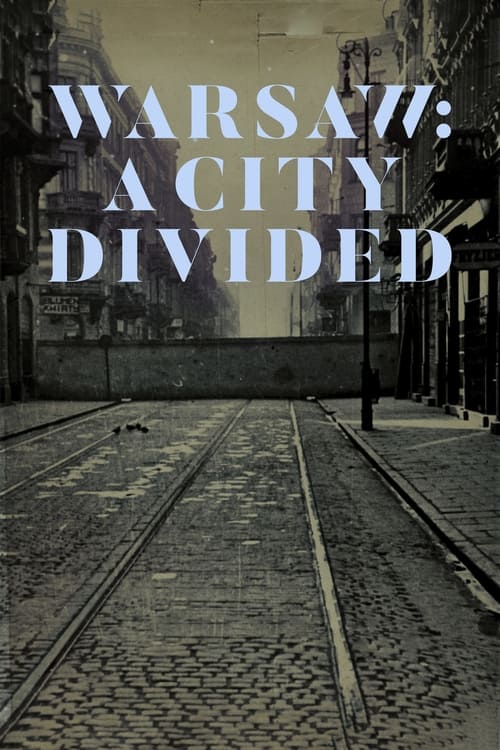
The history of the Warsaw Ghetto (1940-43) as seen from both sides of the wall, its legacy and its memory: new light on a tragic era of division, destruction and mass murder thanks to the testimony of survivors and the discovery of a ten-minute film shot by Polish amateur filmmaker Alfons Ziółkowski in 1941.
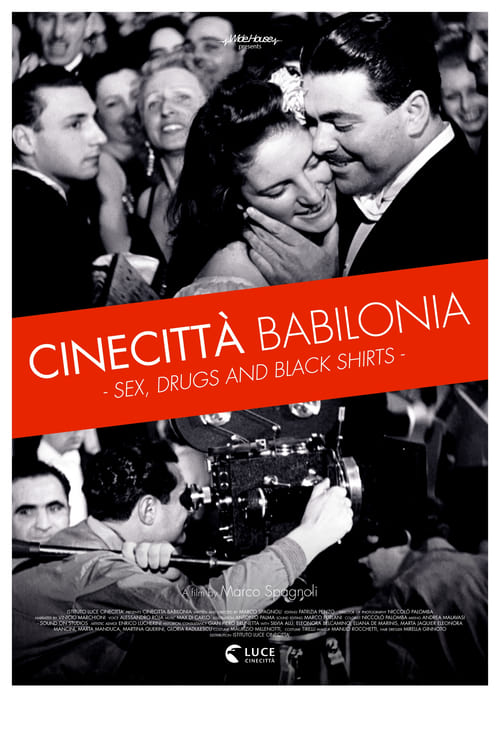
The story of Italian cinema under Fascism, a sophisticated film industry built around the founding of the Cinecittà studios and the successful birth of a domestic star system, populated by very peculiar artists among whom stood out several beautiful, magnetic, special actresses; a dark story of war, drugs, sex, censorship and tragedy.
No overview available.
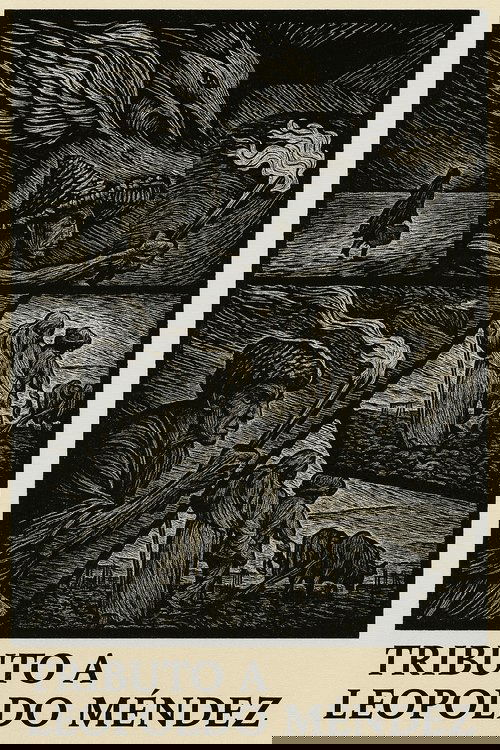
Tribute to Leopoldo Méndez, a prominent Mexican artist, considered the most important printmaker in Contemporary Mexico
Informed by the conviction that film was a means to advocate patriotism, Lai established China Sun Motion Picture Company in the early 1920s. He teamed up with friends to follow Dr Sun, traversing provinces for several years and filming precious historical moments such as Sun's inspection of the country and the Northern Expedition led by Chiang Kai-shek after the death of Sun. Some of those footage was edited into A Page of History, available to the public today, albeit deteriorated and incomplete. The Battle of Shanghai records the famous conflict at the beginning of the war in 1937 when, fervently resisting the invading Japanese army, 800 soldiers defended a warehouse until the very last moment. Shot by Lai and his team at the risk of death, the film is now an invaluable visual document in Chinese modern history.
Behind the scenes look at the D-Day special effects created in filming The Americanization of Emily (1964).
Five Jewish Hungarians, now US citizens, tell their stories: before March 1944, when Nazis began to exterminate Hungarian Jews, months in concentration camps, and visiting childhood homes more than 50 years later. An historian, a Sonderkommando, a doctor who experimented on Auschwitz prisoners, and US soldiers who were part of the liberation in April 1945.