logologo
MovieVerse© 2024
Privacy PolicyTerms of ServiceContact Us
Made with ❤️ by Thathsara
movie poster
Columbine: Understanding Why
Sign in to create your own watchlist

Columbine: Understanding Why

Apr 15, 2002
0h 45m
★ 5.0

Overview

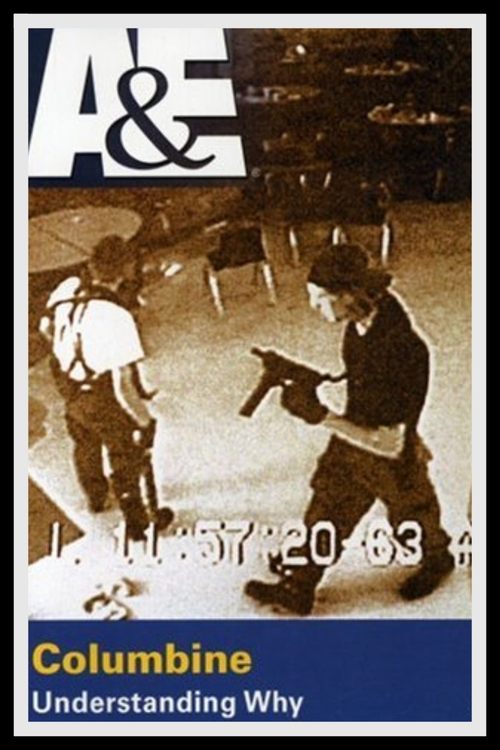
Why did Eric Harris and Dylan Klebold murder a dozen students and one teacher—and then kill themselves—at Columbine High School? In this A&E Special, the renowned Threat Assessment Group comes to Littleton, Colorado, to perform a psychiatric autopsy to better understand why Harris and Klebold killed. Armed with that information, TAG hopes to educate parents, teachers, and students on how to see the warning signs of impending violence and intervene appropriately to stop such tragedies before they take place somewhere else.

Genres

Documentary
History

Columbine: Understanding Why Trailers

No Trailers found.

Cast

No Cast found.

You may also like

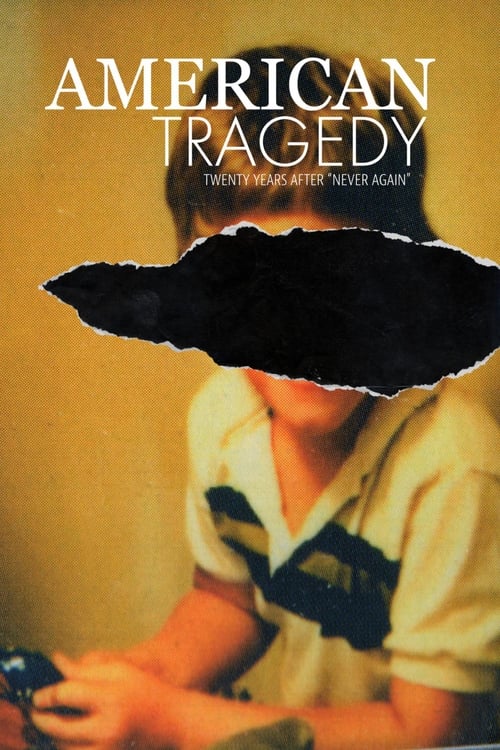
American Tragedy
7.6

American Tragedy

Oct 14, 2019

Sue Klebold attempts to reconcile how the son she affectionately referred to as "Sunshine Boy" became a school shooter. "If love could have stopped Columbine," she says, "Columbine would never have happened."

Bowling for Columbine
7.5

Bowling for Columbine

Oct 9, 2002

This is not a film about gun control. It is a film about the fearful heart and soul of the United States, and the 280 million Americans lucky enough to have the right to a constitutionally protected Uzi. From a look at the Columbine High School security camera tapes to the home of Oscar-winning NRA President Charlton Heston, from a young man who makes homemade napalm with The Anarchist's Cookbook to the murder of a six-year-old girl by another six-year-old. Bowling for Columbine is a journey through the US, through our past, hoping to discover why our pursuit of happiness is so riddled with violence.

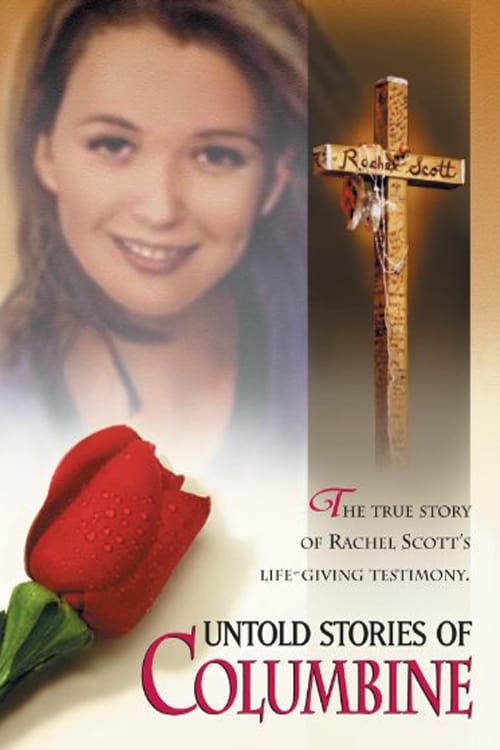
Untold Stories of Columbine
8.0

Untold Stories of Columbine

Feb 14, 2000

Darrell Scott tells stories of his daughter, high school student, Rachel Joy Scott. Also included is footage from her funeral.

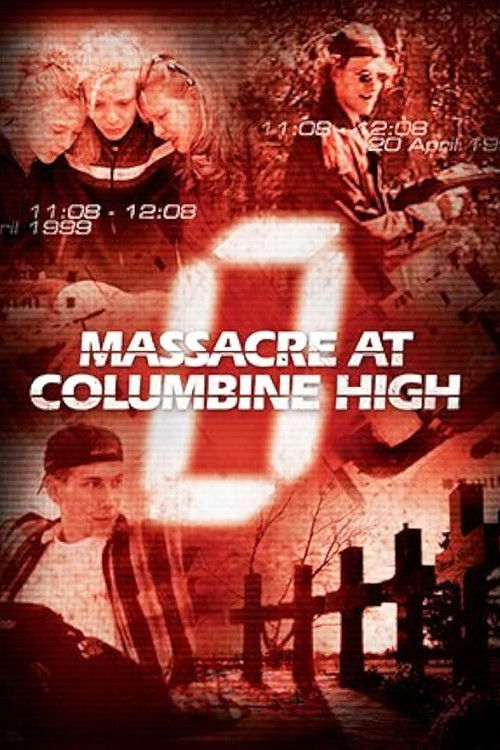
Zero Hour: Massacre at Columbine High
8.1

Zero Hour: Massacre at Columbine High

Sep 12, 2004

This movie covers the final hour leading up to the Columbine High Massacre. On April 20, 1999, two boys from Columbine High School in Colorado embarked on a massacre and killed 12 students, one teacher, and injured 21 other students, before turning the guns on themselves.

Elephant
7.0

Elephant

Sep 20, 2003

Several ordinary high school students go through their daily routine as two others prepare for something more malevolent.

O
5.9

O

Aug 31, 2001

Even though he's the only black student at the elite Palmetto Grove Academy, star basketball player Odin James has the adoration of all, including the team's coach and the Dean's beautiful daughter Desi. Odin's troubled friend Hugo, the coach's son, deeply resentful of his father's preference of Odin on and off the court, plots a diabolical scheme to sow the seed of mistrust between O and Desi, setting in motion a disturbing chain of events which erupts into a firestorm of breathtaking intensity.

Poor Pierrot
6.0

Poor Pierrot

Oct 28, 1892

One night, Arlequin comes to see his lover Colombine. But then Pierrot knocks at the door and Colombine and Arlequin hide. Pierrot starts singing but Arlequin scares him and the poor man goes away.

I'm Not Ashamed
7.2

I'm Not Ashamed

Oct 21, 2016

Based on the journal entries of Rachel Joy Scott, the first student killed in the Columbine High School shooting in 1999.

The History of White People in America: Volume II
7.7

The History of White People in America: Volume II

Jan 1, 1986

In this daring follow-up to The History of White People in America, comedian Martin Mull takes us on an in-depth look at such topics as White Religion, White Stress, White Politics, and White Crime.

In the Shadow of Hollywood: Race Movies and the Birth of Black Cinema
6.5

In the Shadow of Hollywood: Race Movies and the Birth of Black Cinema

Sep 15, 2007

This documentary captures the sounds and images of a nearly forgotten era in film history when African American filmmakers and studios created “race movies” exclusively for black audiences. The best of these films attempted to counter the demeaning stereotypes of black Americans prevalent in the popular culture of the day. About 500 films were produced, yet only about 100 still exist. Filmmaking pioneers like Oscar Micheaux, the Noble brothers, and Spencer Williams, Jr. left a lasting influence on black filmmakers, and inspired generations of audiences who finally saw their own lives reflected on the silver screen.

General Hercules
0.0

General Hercules

Jun 12, 2022

In June 1893, European prospectors unlawfully took claim to ‘The Golden Mile’ on Aboriginal land. In little over a hundred years the natural landscape has been transformed into the industrial hellscape of Kalgoorlie-Boulder. As incumbent Mayor John Bowler starts to campaign for a second term, independent prospector John ‘General Hercules’ Katahanas decides to run against him on an anti-corruption ticket. What starts out as a quirky David-vs-Goliath political battle, unravels into a portrait of a man, a town and a country sent mad by the timeless cycles of exploitation, racism and greed.

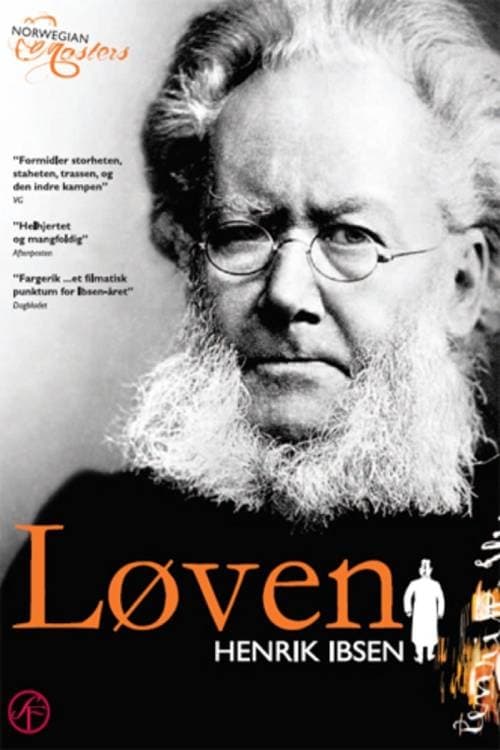
Løven - Henrik Ibsen
0.0

Løven - Henrik Ibsen

Oct 20, 2006

We follow Henrik Ibsen throughout his life. From early shame over his father's bankruptcy, via bitterness over the then conservative public life, to his older years as a national institution that tourists gathered to watch on their way to their very punctual, daily lunch at the Grand Café in Oslo.

The Ferrari Dino Girl
6.0

The Ferrari Dino Girl

Jan 28, 2009

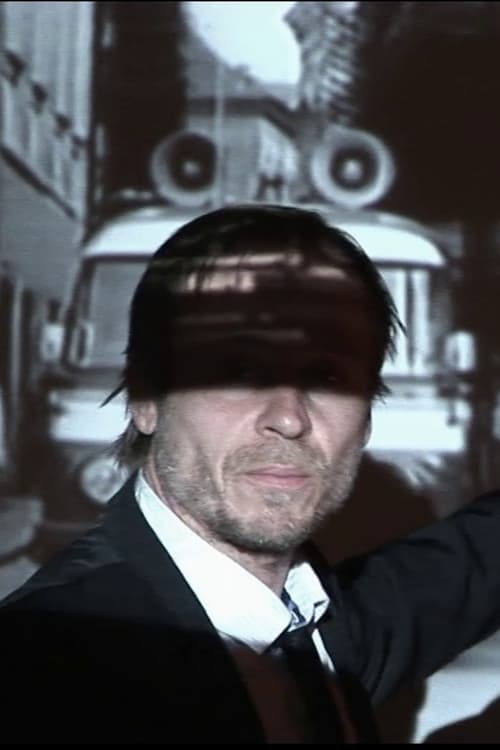
It's nighttime in Prague, 21 August 1968. Soviet troops and tanks are occupying the city - random attacks, soldiers shooting, bodies lying dead on the sidewalk. With an impromptu crew, the director (Karel Roden) captures some unique evidence - material which is, however, worthless in occupied Prague; it has to be shown to the rest of the world. So, while the Soviets are concocting false reports of heartfelt receptions without military resistance for propaganda purposes, the director sets off on a risky trip across the closed Czech-Austrian border to Vienna.

Fish Story
5.8

Fish Story

Jan 20, 2017

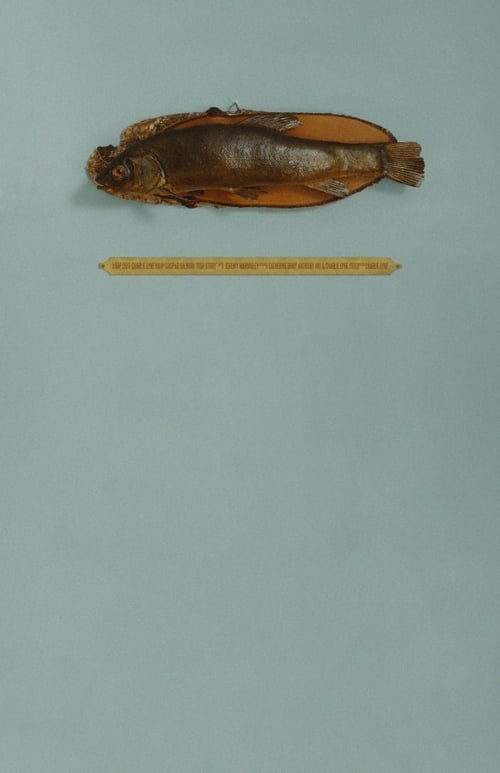
Sometime in the 1980s, Caspar Salmon's grandmother was invited to a gathering on the Welsh island of Anglesey, attended exclusively by people with fish surnames. Or so he says. Thirty years later, film-maker Charlie Lyne attempts to sort myth from reality.

I Be Done Been Was Is
0.0

I Be Done Been Was Is

Jan 1, 1983

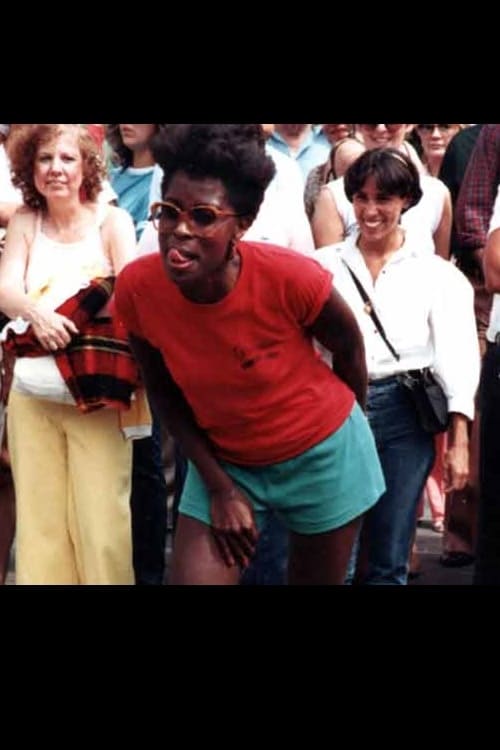
A documentary about four African-American comediennes set in 1984. Restored in 2021 by the Academy Film Archive. 

La soule
6.7

La soule

Feb 8, 1989

In the debacle of the battle of Vitoria in Spain in 1813, Pierre Cursey was robbed of the horses of his unit by a fugitive. He is taken prisoner and sent to a floating pontoon. He managed to survive but vowed to find the traitor who had put him through hell. He finds him two years later in a village in the Dordogne. Francois Lemercier is the town's shoemaker and above all the captain and hero of the local soule team, a ball game that dates back to the Middle Ages. Cursey will discover in Lemercier a man of chivalrous honor.

The Address
5.8

The Address

Apr 15, 2014

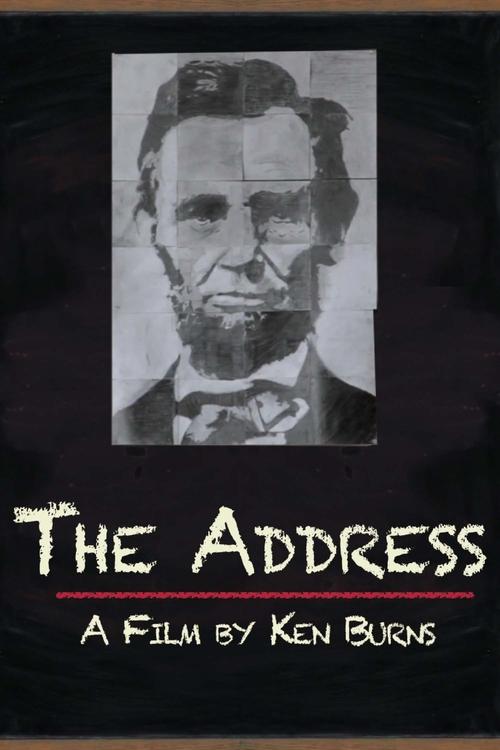
The Gettysburg Address is the subject of a new documentary by Ken Burns. The documentary tells the story of students at the Greenwood School whose study of the Gettysburg Address brings new understanding to the speech.

James Ensor: Demons Teasing Me
8.0

James Ensor: Demons Teasing Me

Oct 14, 2010

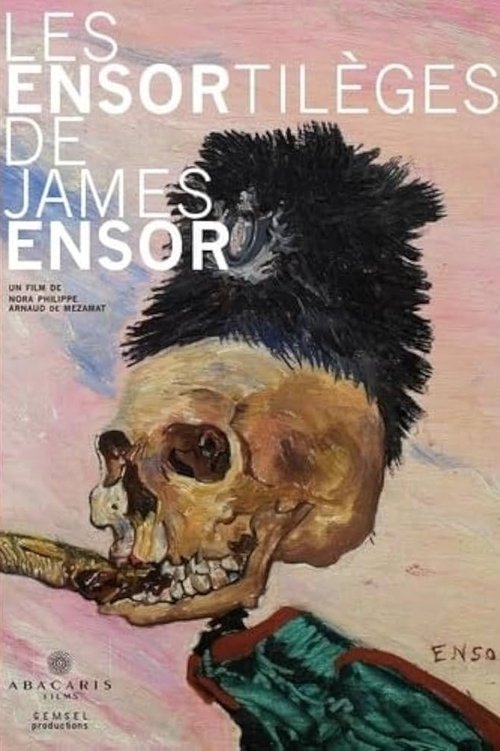
This film explains what James Ensor (1860-1949) meant for the development of art and makes palpable where he got his inspiration from.

American Drug War 2: Cannabis Destiny
6.0

American Drug War 2: Cannabis Destiny

Jan 1, 2013

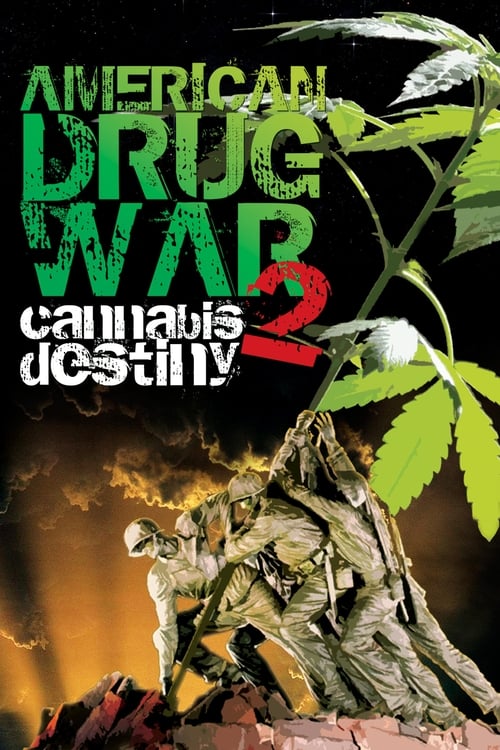
Director Kevin Booth navigates through the cutting edge of Cannabis research while becoming a foster parent to a child court ordered to take powerful mind altering drugs.

No Image Available
3.4

Bosnia!

May 18, 1994

The carnage in Sarajevo provides the focus of this French documentary which seeks to call attention to the terrible conflict in the hopes of finally ending it. The film is divided into five parts. Each part covers a time frame ranging from April 4, 1992, the beginning of the war, to the present. The major issues that occur are three-fold. It depicts the systematic genocide of Bosnians, the silence of Western countries, and the determination of the Bosnians to resist. They refuse to be seen as victims, even though the filmmakers portray them so. Also included are the origins and political aspects of the war. It offers interviews with participants. It also reveals how the U.S. State Department censored reports about Serbian death camps.