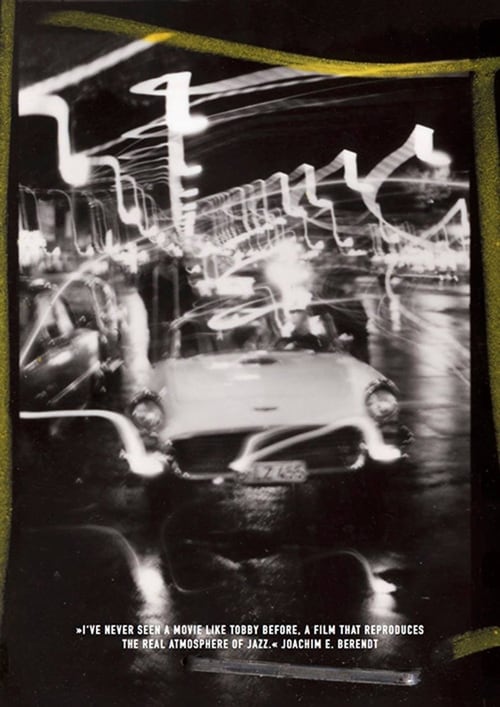
Fictional film with documentary elements about a jazz musician in Berlin.
No Trailers found.
Tobby
Danny
A documentary focusing on the rebuilding projects in Berlin after the fall of the Berlin Wall.
A struggling band find themselves attached to a fugitive and drawn into a series of old feuds and love affairs, as they try to stay together and find musical success.
The Sonny Sharrock Band live in Prague as part of the Knitting Factory Festival Tour of Europe 1990.
This documentary explores the creation of the Holocaust Memorial in Berlin as designed by architect Peter Eisenman. Reaction of the German public to the completed memorial is also shown.
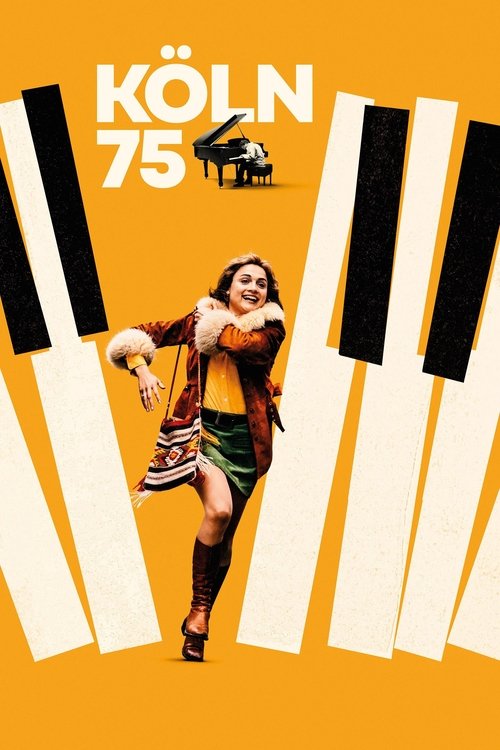
The true story of Vera Brandes, teenage patron saint of the 1970s Cologne music scene, who risked everything to organize the greatest solo concert in music history: Keith Jarrett’s legendary Köln Concert.
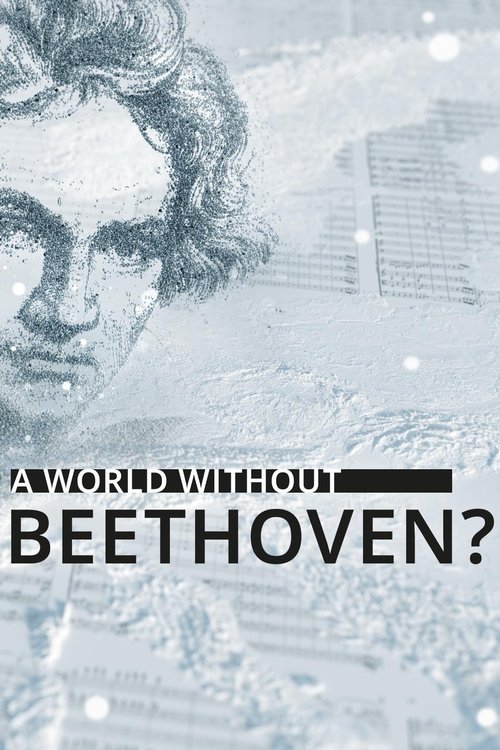
"What would the world be like without Beethoven?" That’s the provocative question posed by this music documentary from Deutsche Welle. To answer it, the film explores how Ludwig van Beethoven's innovations continue to have an impact far beyond the boundaries of classical music, 250 years after his birth.
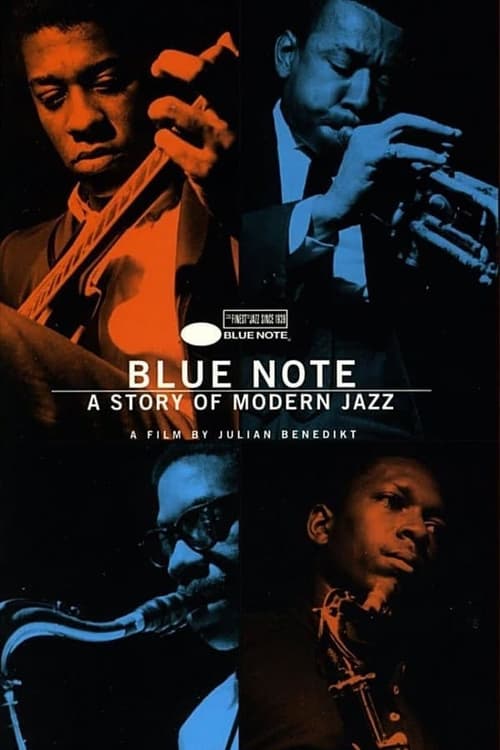
"It must schwing!" was the motto of Alfred Lion and Francis Wolff, two German Jewish immigrants who in 1939 set up Blue Note Records, the jazz label that was home to such greats as Miles Davis, John Coltrane, Herbie Hancock, Thelonious Monk, Art Blakey, Dexter Gordon and Sonny Rollins. Blue Note, the most successful movie ever made about jazz, is a testimony to the passion and vision of these two men and certainly swings like the propulsive sounds that made their label so famous.
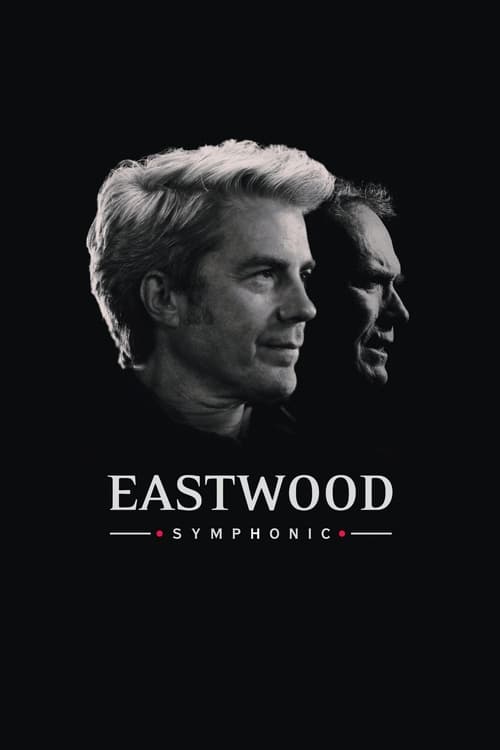
Bassist and composer Kyle Eastwood reunites his quintet with the Orchestre National de Lyon to pay tribute to the career of his father, legendary actor and filmmaker Clint Eastwood, in a concert combining jazz, classical music and cinema, held at the auditorium of the Orchestre National de Lyon on October 19, 2022.
The film chronicles the story of how the Nazis and the IOC turned, to their mutual benefit, a small sports event into the modern Olympics. The grand themes and controversial issues from the 1936 Games have continued to this day: Monumentality, budget overruns, collusion with authoritarian regimes, corruption and sometimes even bribery.
After connecting with the shy Madeline, a jazz trumpeter embarks on a quest for a more gregarious paramour, but through a series of twists and turns punctuated by an original score, the two lovers seem destined to be together.
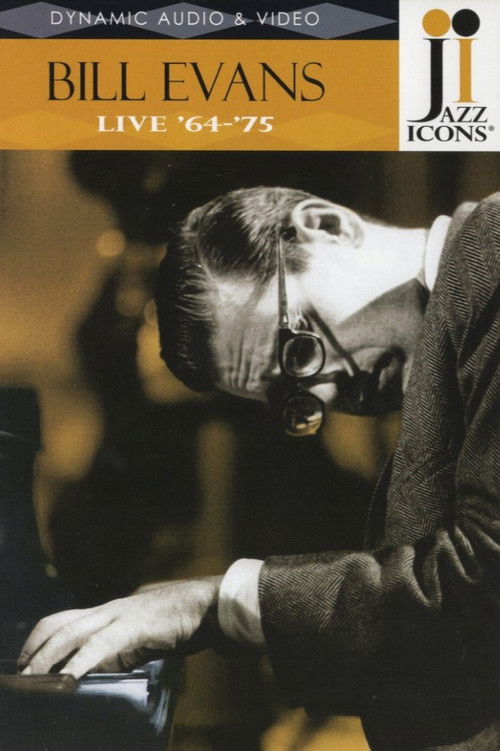
Jazz Icons: Bill Evans features five separate performances by one of the most revered pianists in music history. This collection covers an 11-year span, highlighting Evans’ ever-deepening artistry as he performs with four different all-star rhythm sections, including the stunning duo of bassist Niels-Henning Ørsted Pedersen and drummer Alan Dawson. This DVD includes for the first time on home video Evans’ renditions of the rarely performed “Sareen Jurer,” “Blue Serge” and “Twelve Tone Tune Two.” Among the many surprises in this collection is a live performance of “My Melancholy Baby” with saxophonist Lee Konitz.
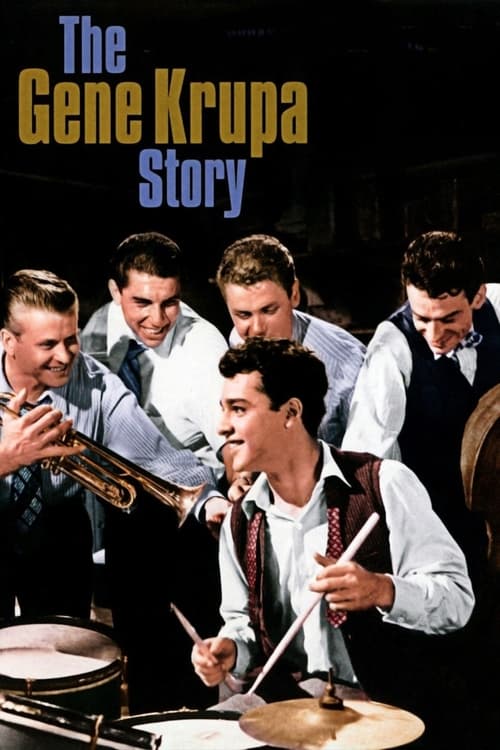
The story of legendary jazz drummer, Gene Krupa. Since his youth, all Gene ever wanted to do is play the drums and make music. This is something his parents would not approve of- they want him to be a priest. When Gene's father dies he promises to enter the priesthood. He soon realizes that he doesn't belong there and leaves to join his friend, Eddie's band. Ethel, Eddie's girlfriend, convinces Gene to go to New York and make it big. The 3 of them head to New York. Here Ethel and Gene soon fall in love and Gene makes a name for himself. Gene starts to live in the fast lane, with drugs, alcohol, women and parties. Ethel, unhappy with Gene's lifestyle, leaves him. Gene soon "hits rock bottom" where he has to face reality and choose where to take his life.
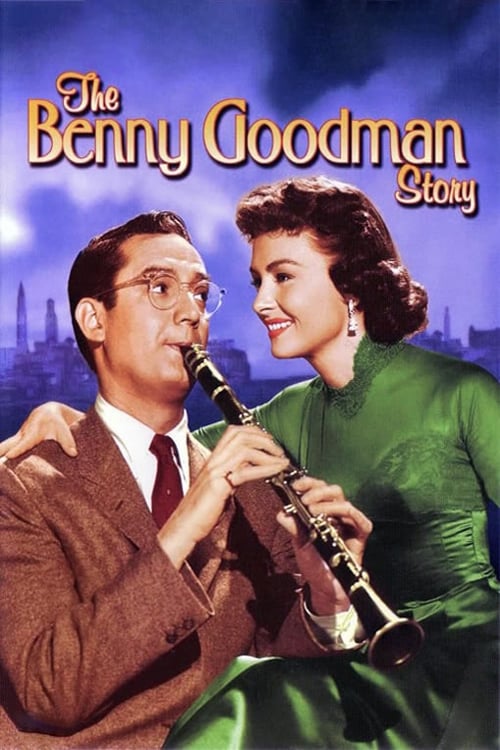
Young Benny Goodman is taught clarinet by a music professor. He is advised to play whichever kind of music he likes best, but to make a living, Benny begins by joining the Ben Pollack traveling band.
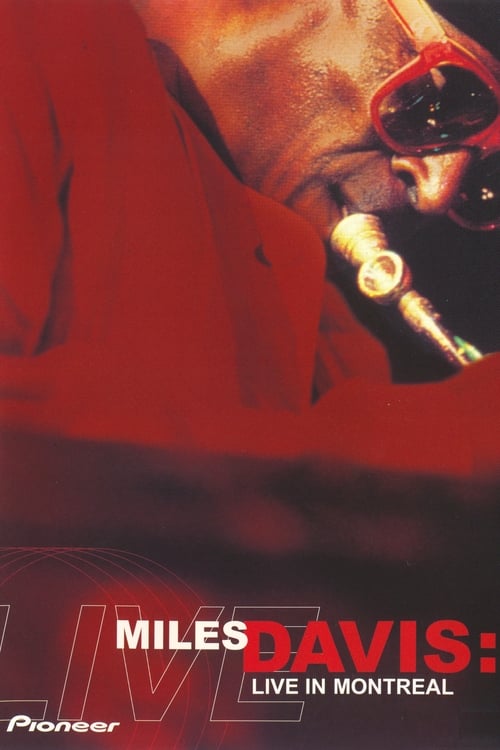
One of the true legends of the jazz scene, Miles Davis was not only a virtuoso on the trumpet, but also one of the founders of cool Jazz, Groove, Hard Bop, and Fusion. Available for the first time completely digitally re-recorded is Davis' live performance in Montreal with rare concert footage. This is a must-have for all jazz lovers.
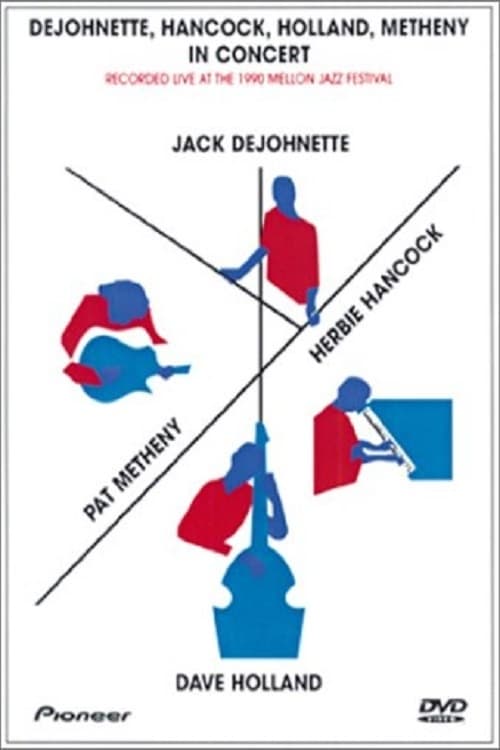
Jack DeJohnette - Drums, Herbie Hancock - Keyboards, Dave Holland - Bass, Pat Metheney - Guitars. For the first time, these four masterful musicians come together to form a jazz group most people would never expect to see happen. Taking their collaborations around the world, they toured Canada, Europe, Japan, and the United States, performing concerts and festivals to sold out audiences and rave reviews. On June 23, 1990, this extraordinary group performed two concerts at the Mellon Jazz Festival at the Philadelphia Academy of music. Both shows were filmed and have been carefully edited to create a technically flawless video of a truly "once in a lifetime" event. All of the songs were selected with great care, as might be expected from a band of this caliber.
The intricate history of UFA, a film production company founded in 1917 that has survived the Weimar Republic, the Nazi regime, the Adenauer era and the many and tumultuous events of contemporary Germany, and has always been the epicenter of the German film industry.
LIVE IN EUROPE 1969 lives up to the Miles Davis Bootleg Series mission of presenting live performances that are previously unreleased, have previously only been bootlegged, or are very rare. This new set is the first collection of Miles's Third Great Quintet, the "Lost" Band of 1968-1970 with Miles Davis, Wayne Shorter, Chick Corea, Dave Holland, and Jack DeJohnette at their peak (they were never recorded in the studio). The album captures the short-lived quintet in three separate concert settings, starting with two full-length (one hour-plus) sets at the Antibes Jazz Festival in France, in Stockholm as part of "The Newport Jazz Festival In Europe," and completed with a stunning 46-minute performance at the Berlin Philharmonie, filmed in color. Recorded 11/7/69 at Berliner Jazztage in the Berlin Philharmonie 1. Introduction by John O Brien-Docker 2. Directions 3. Bitches Brew 4. It s About That Time 5. I Fall In Love Too Easily 6. Sanctuary 7. The Theme
Boundary-pushing Russian dancer and actress Ida Rubinstein selects renowned French composer Maurice Ravel to compose the music for her next ballet. Ravel ends up creating his greatest success ever: Boléro.
This anti-coming-of-age film follows Generation Y characters as they chase the desire for radical self-realisation.
No overview available.