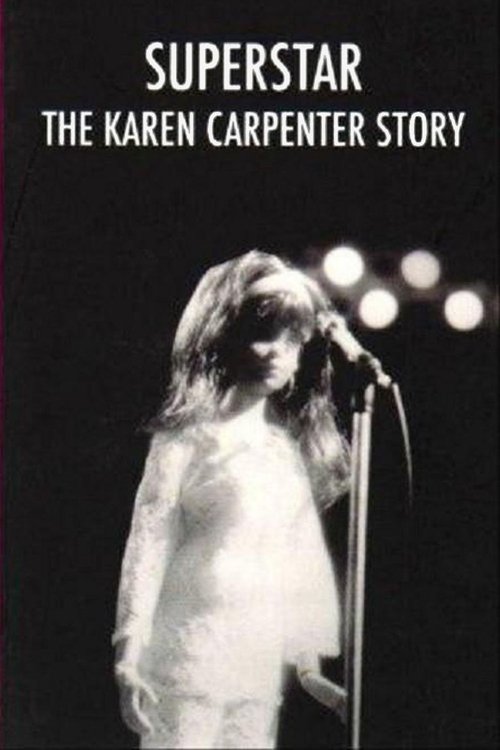
The final 17 years of American singer and musician Karen Carpenter, performed almost entirely by modified Barbie dolls.
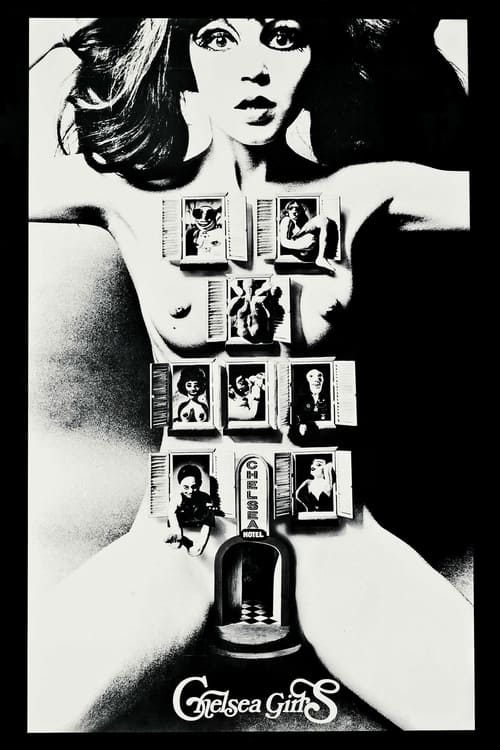
Lacking a formal narrative, Warhol's mammoth film follows various residents of the Chelsea Hotel in 1966 New York City. The film was intended to be screened via dual projector set-up.
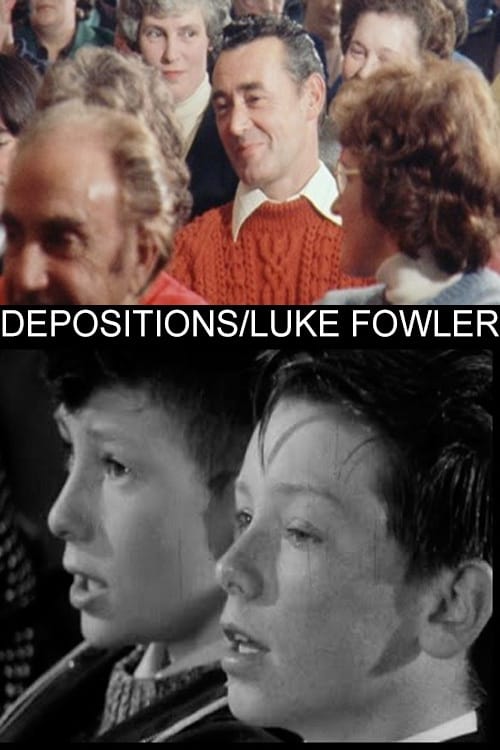
The quietly insistent and critical DEPOSITIONS attempts to restore some dignity to images of the communities of the Scottish highlands taken from patronizing BBC documentaries and news features from the 70’s and 80’s. DEPOSITIONS repurposes footage from the archives of the BBC and sound from the School of Scottish Studies, it is a film about differences and dichotomies: science and superstition, near and far, community and the individual.
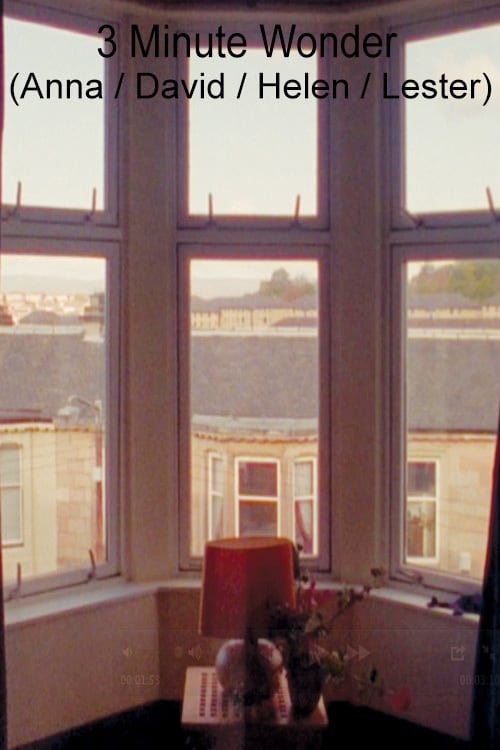
A series of portraits, made for Television, of four diverse individuals brought together through shared residence. These short films were filmed in the tenement where I lived for eight years. The first is shot in our bedroom, which doubled up as my former partner's office, the three others were shot in architecturally identitical spaces owned by my then neighbours. Shot and edited on a single 16mm bolex camera using available light throughout, the films invoke reflections on the four individuals, how they occupy these particular spaces together.
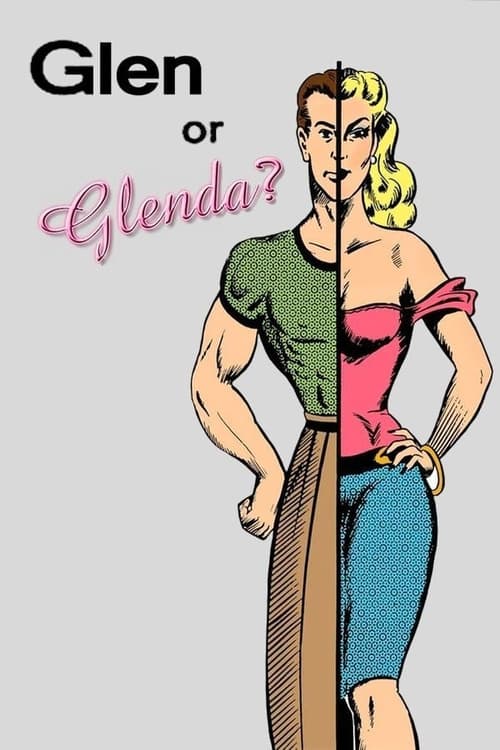
Glen doesn't dare tell his fiancée Barbara that he is a transvestite; in addition, Alan is undergoing medical treatment to become a woman named Anne; both stories are told by a psychiatrist.
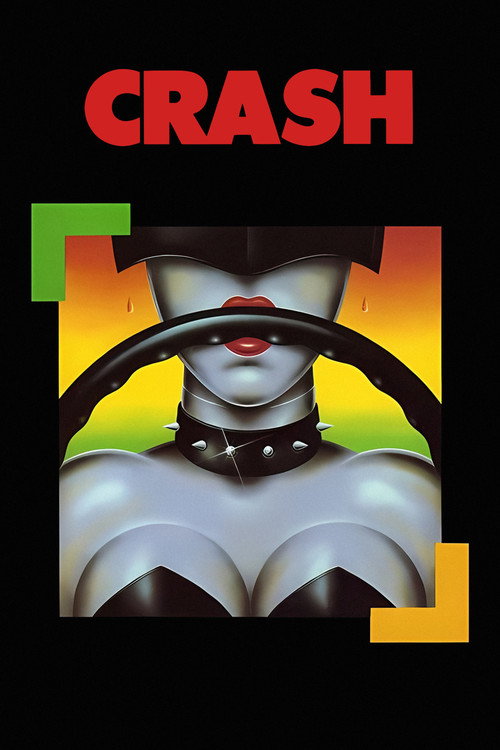
A surreal, moody short about the fetishisation of automobiles and auto accidents.
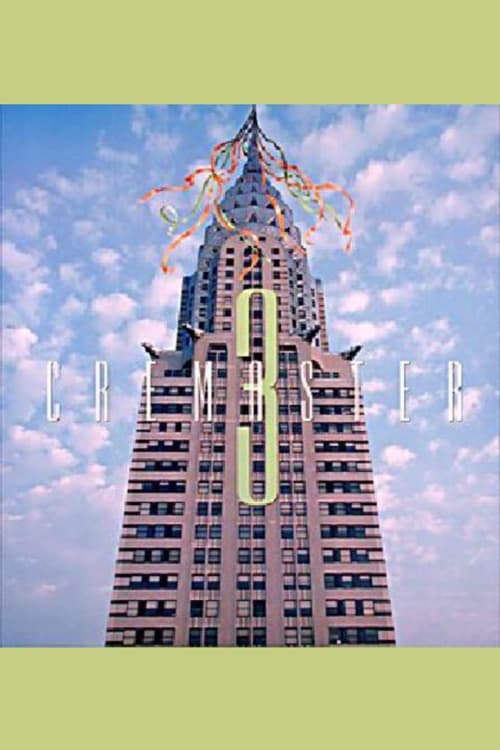
CREMASTER 3 is set in New York City and narrates the construction of the Chrysler Building, which is in itself a character - host to inner, antagonistic forces at play for access to the process of (spiritual) transcendence. These factions find form in the struggle between Hiram Abiff or the Architect...
A bohemian painter named Artist and a guitarist named James meet at a concert and have an instant connection. They start a philosophical discussion at her apartment, but they are interrupted by strange occurrences which reveal they are no longer in reality but an ominous dream world. Both Artist and James are confronted by characters and situations from their past, and they must work together to put the memory pieces together and escape to reality, if they can.
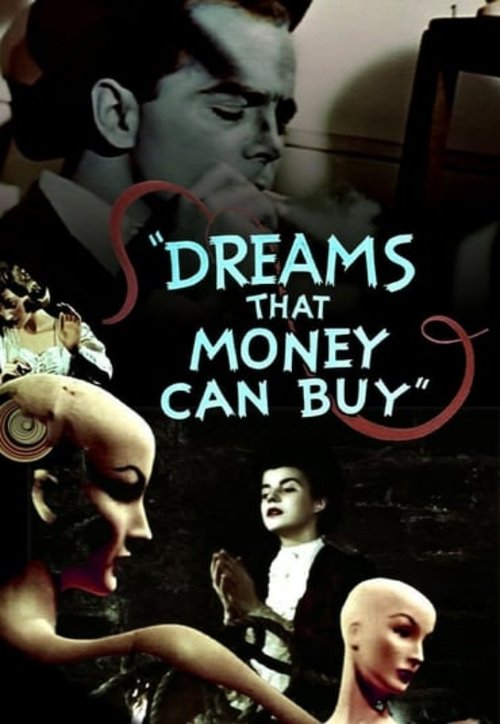
An attempt to bring the work of surrealist artists to a wider public. The plot is that of an average Joe who can conjure up dreams that will improve his customer's lives. This frame story serves as a link between several avant-garde sequences created by leading visual artists of their day, most of whom were emigres to the US during WWII.
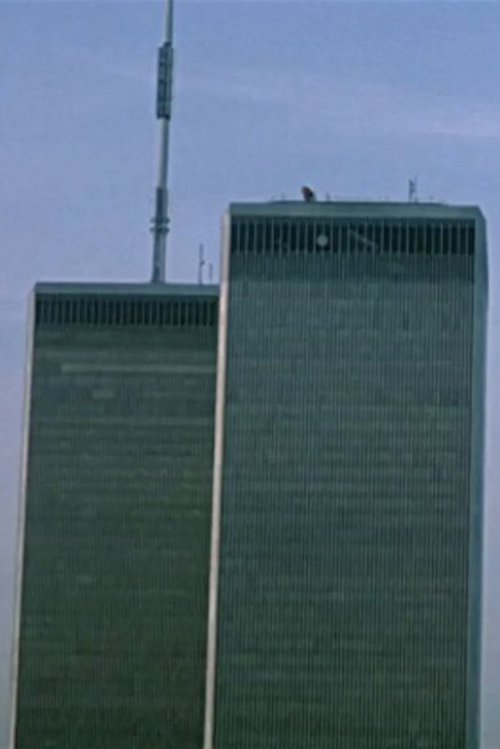
The television images of the collapse of the World Trade Center were preceded by manifold stagings of the building, either as a highly symbolic icon, a speculative destruction fantasy or merely as a spectacular backdrop. In Misty Picture, city symphony, disaster movie and media trauma therapy become one.
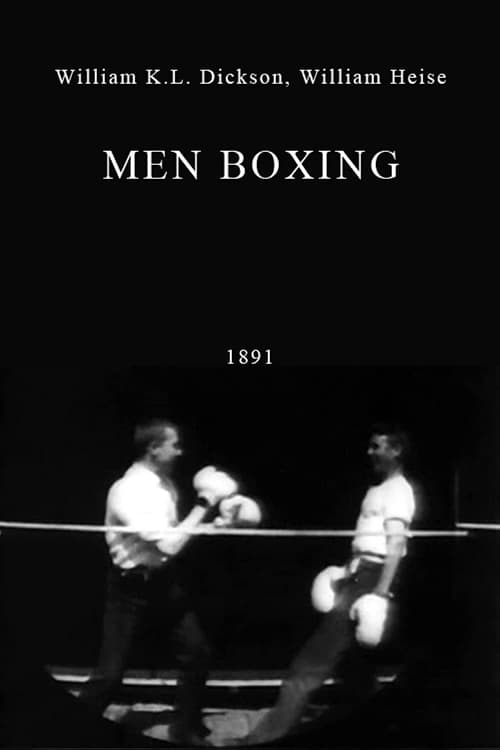
Experimental film fragment made with the Edison-Dickson-Heise experimental horizontal-feed kinetograph camera and viewer, using 3/4-inch wide film.
At various points in its history, tiny St. John's Island was where Singapore's colonial founder Sir Stamford Raffles docked his ship upon arrival, a quarantine centre for immigrants and pilgrims returning from Mecca, a penal colony for political detainees and secret society leaders, and a sleepy holiday resort. Unlike its neighbouring islands, however, St. John's was never fully developed. It occupies an in-between space, the vestiges of its history scattered around the land. Its indeterminacy stands in sharp contrast to Singapore, where land use is meticulously planned to fulfil economic and social functions. In this film, St. John's Island - otherwise known as 'Bukit Orang Salah', a nickname coined by the people who were quarantined there - becomes a site of and for reflection, prompting questions about our history, heritage and identity.
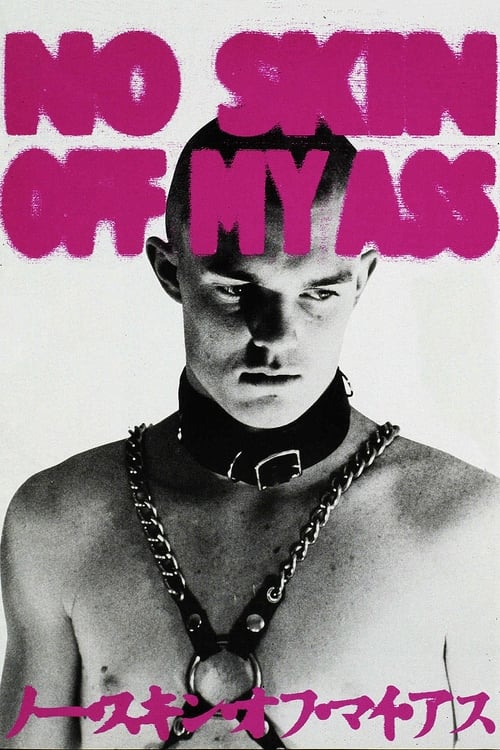
A lonely hairdresser watches the title sequence of "That Cold Day in the Park" then visits a local park to invite a down-and-out skinhead to his apartment. He draws the silent man a bath and talks to him as he soaks. He locks his guest in a bedroom. Next day, the skinhead leaves through the window and visits his sister, who's making a film called "Sisters of the SLA." He helps with a screen-test. The hairdresser has dreams and fantasies involving the skinhead, the skinhead returns to visit him, and then the filmmaker pays a call on the two men, exposing her brother as faking his silence and pretending a lack of sexual interest. Fantasies can come true.
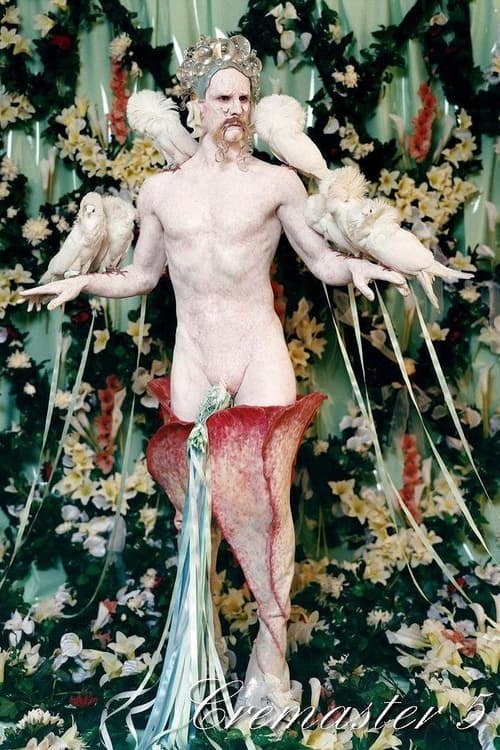
CREMASTER 5 is a five-act opera (sung in Hungarian) set in late-ninteenth century Budapest. The last film in the series, it represents the moment when the testicles are finally released and sexual differentiation is fully attained. The lamenting tone of the opera suggests that Barney invisions this as a moment of tragedy and loss. The primary character is the Queen of Chain (played by Ursula Andress). Barney, himself, plays three characters who appear in the mind of the Queen: her Diva, Magician, and Giant. The Magician is a stand-in for Harry Houdini, who was born in Budapest in 1874 and appears as a recurring character in the Cremaster cycle.
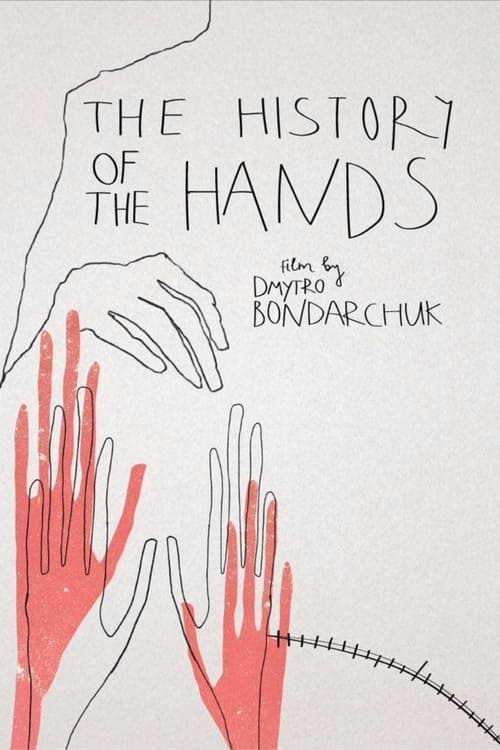
The film is a study of nature and significance of the hands in cinema. Besides review of movements and actions, which creates an independent story, it reveals interactions and interdependence of cinematic traditions of various authors, countries and periods
No overview available.
Steadily reading while/becomes treading into murky waters.
An experimental film about a peaceful and carefree life in a small Dalmatian town, which turns into bloodshed and horror on the eve of the Italian occupation of the country.
A teenager decides to shut himself off from the world around him after receiving bad news.
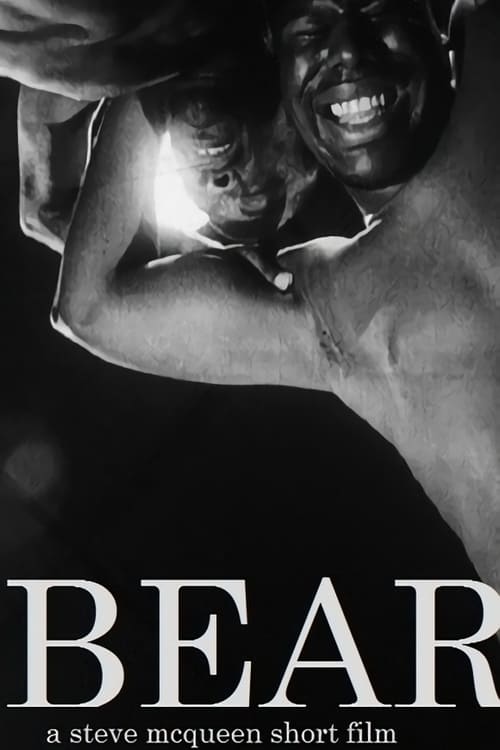
Bear (10 minutes, 35 seconds) was Steve McQueen's first major film. Although not an overtly political work, for many viewers it raises sensitive issues about race, homoeroticism and violence. It depicts two naked men – one of whom is the artist – tussling and teasing one another in an encounter which shifts between tenderness and aggression. The film is silent but a series of stares, glances and winks between the protagonists creates an optical language of flirtation and threat.
No Trailers found.