No Trailers found.
Self
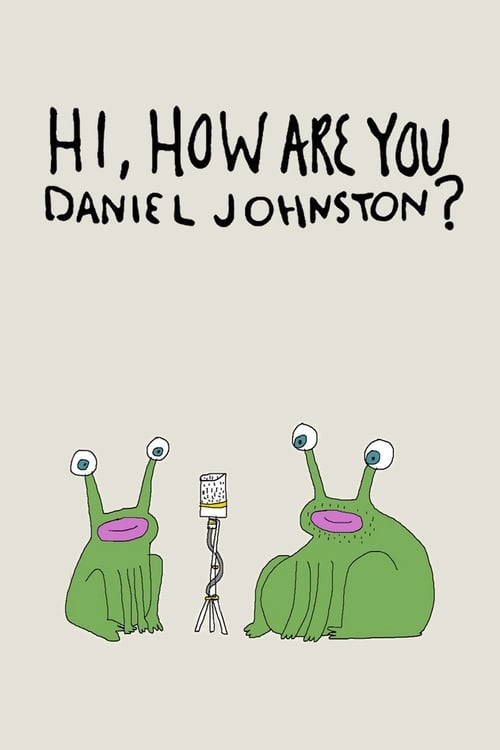
Daniel Johnston stars in this psychedelic short film about an aging musician coming to terms with the dreams of yesteryear.
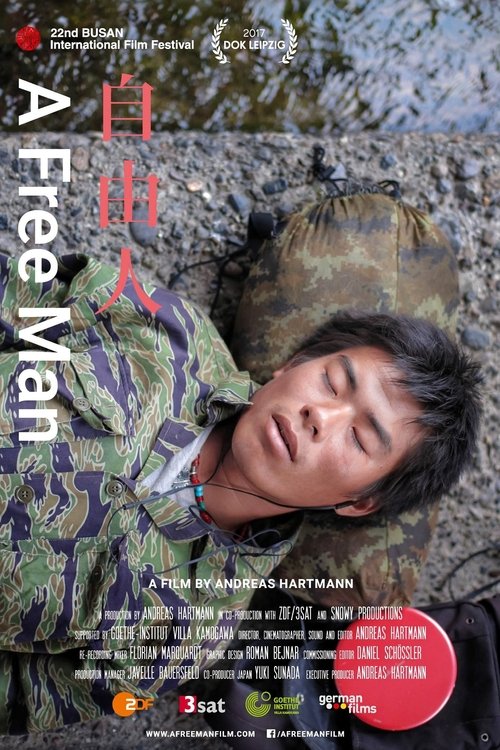
22-year-old Kei refuses to conform to the Japanese achievement-oriented society. He is homeless by choice, living on the streets and under the bridges of Kyoto. His love for nature and music keeps him afloat in his dream world. However, when he runs out of money, he is forced to face reality.
Documentary about Japan's Unit 731 of World War II.
Welcome to The Great Happiness Space: Rakkyo Café. The club's owner, Issei (22), has a staff of twenty boys all under his training to become the top escorts of Osaka's underground love scene. During their training, they learn how to dress, how to talk, how to walk, and most importantly, how to fake relationships with the girls who become their source of income. Join us as Osaka's number one host boy takes us on a journey through the complex and heartrenching world of love for sale in the Japanese underground.
How the Japanese process American pop culture and make it their own -- a mind-bending odyssey through cultural mixing.
No overview available.
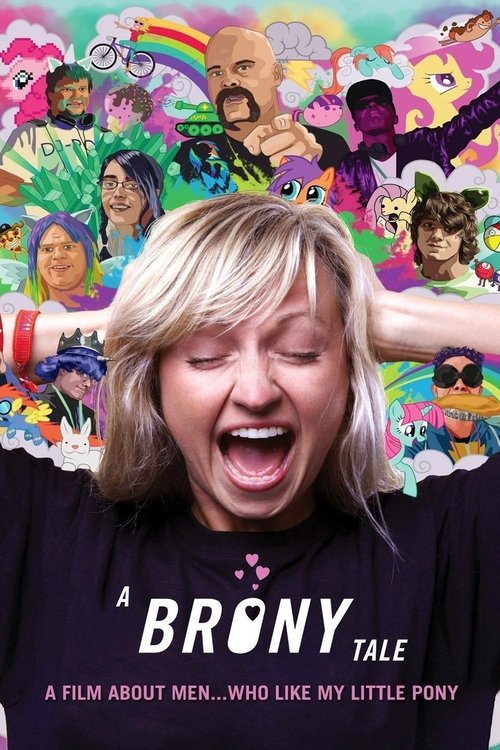
Vancouver-based voice artist Ashleigh Ball has been the voice of numerous characters in classic cartoons such as Care Bears, Strawberry Shortcake, Cinderella and more. When Ashleigh was hired to voice Apple Jack and Rainbow Dash for Hasbro's fourth series to use the My Little Pony name - My Little Pony: Friendship Is Magic - she had no idea she would become an Internet phenomenon and major celebrity to a worldwide fan-base of grownups. Bronies are united by their belief in the show's philosophy. This documentary gives an inside view of the Pony fan-world, and an intimate look at the courage it takes to just be yourself...even when that means liking a little girls' cartoon.
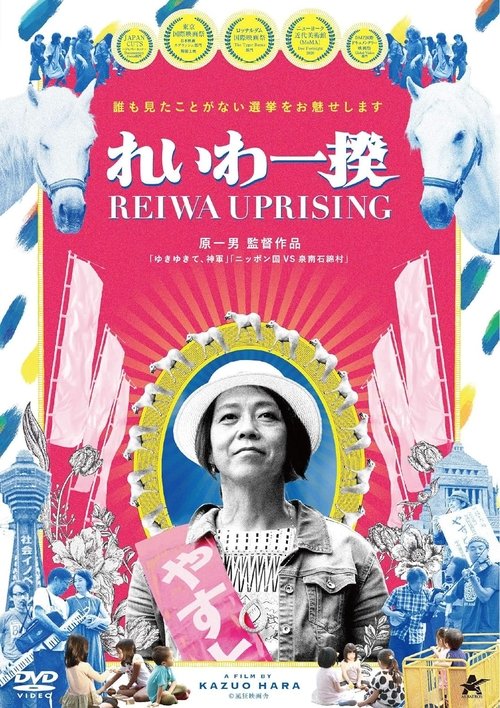
Kazuo Hara follows Ayumi Yasutomi, a transgender candidate, who is also a Tokyo University professor, as she embarks on a national campaign for a seat in Japan's Upper House.
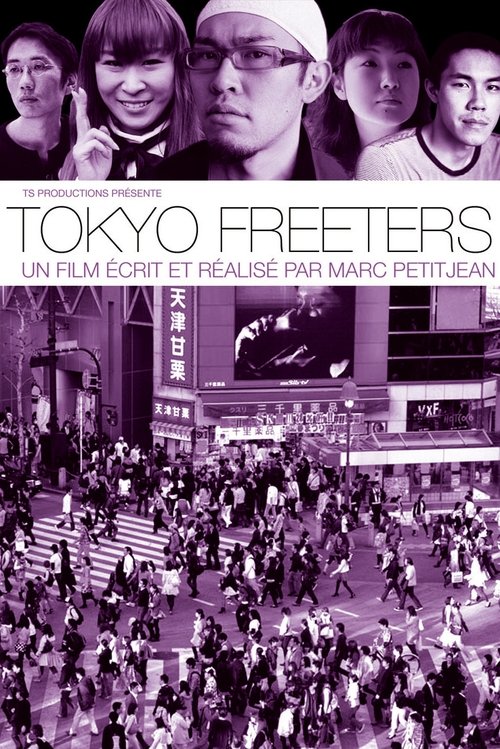
In Japan, more than four million young people survive by taking on precarious jobs. They are called “freeters”. The film gives voice to these “discard-after-use” workers, who regard their situation with both lucidity and desperation, as well as to ex-freeters who have become activists in the fight against exclusions.
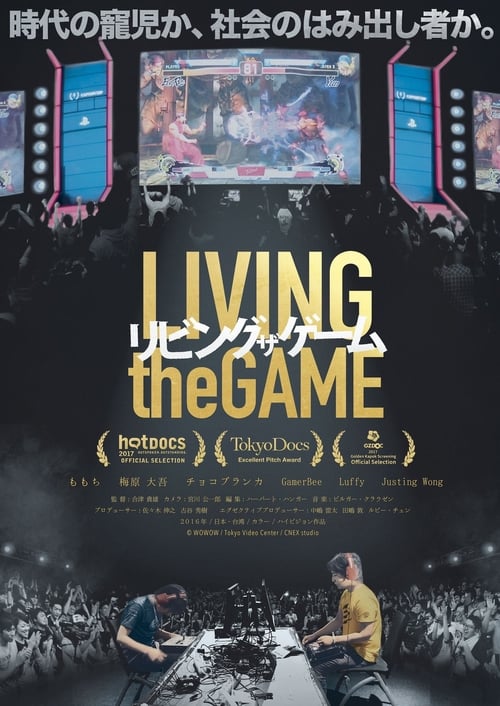
In the world of computer games, there are players earning fight money as a PRO. They are sponsored by digital tool companies or beverage companies, and tour around the world to earn money in tournaments. This film goes over the days of Pro Gamers in Japan, USA, France and Taiwan.
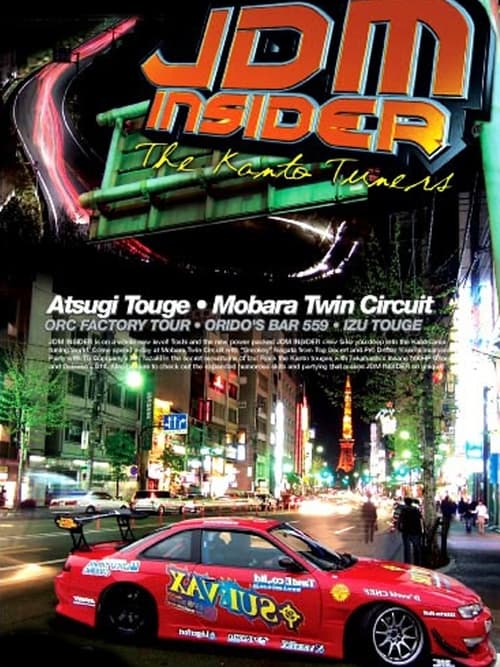
An in-depth look at the world of Japanese street racing.
Actual footage by the United States Signal Corps of the landing and attack on Arawe Beach, Cape Glouster, New Britain island in 1943 in the South Pacific theatre of World War Two, and the handicaps of the wild jungle in addition to the Japanese snipers and pill-box emplacements.
Using never-before-seen footage, Japan's War In Colour tells a previously untold story. It recounts the history of the Second World War from a Japanese perspective, combining original colour film with letters and diaries written by Japanese people. It tells the story of a nation at war from the diverse perspectives of those who lived through it: the leaders and the ordinary people, the oppressors and the victims, the guilty and the innocent. Until recently, it was believed that no colour film of Japan existed prior to 1945. But specialist research has now unearthed a remarkable colour record from as early as the 1930s. For eight years the Japanese fought what they believed was a Holy War that became a fight to the death. Japan's War In Colour shows how militarism took hold of the Japanese people; describes why Japan felt compelled to attack the West; explains what drove the Japanese to resist the Allies for so long; and, finally, reveals how they dealt with the shame of defeat.
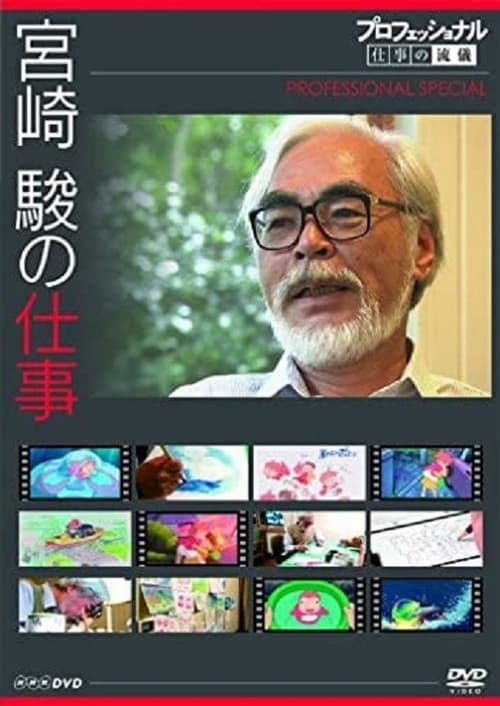
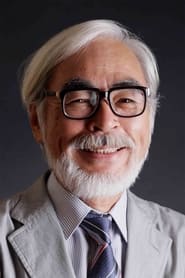
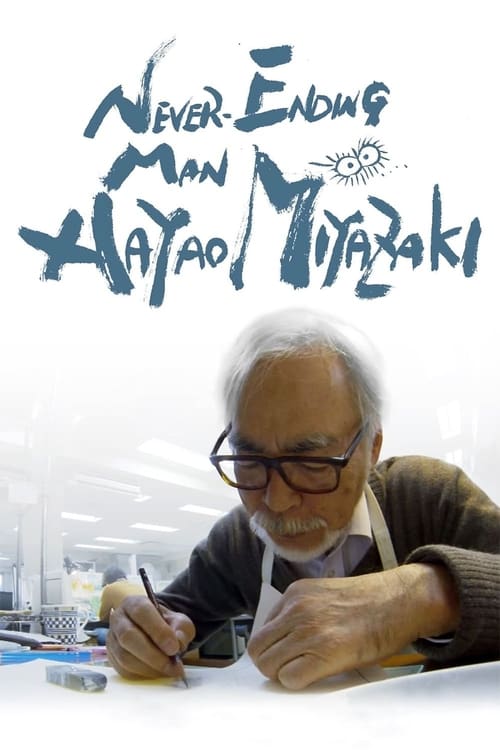
A look at legendary Japanese animator Hayao Miyazaki following his retirement in 2013.
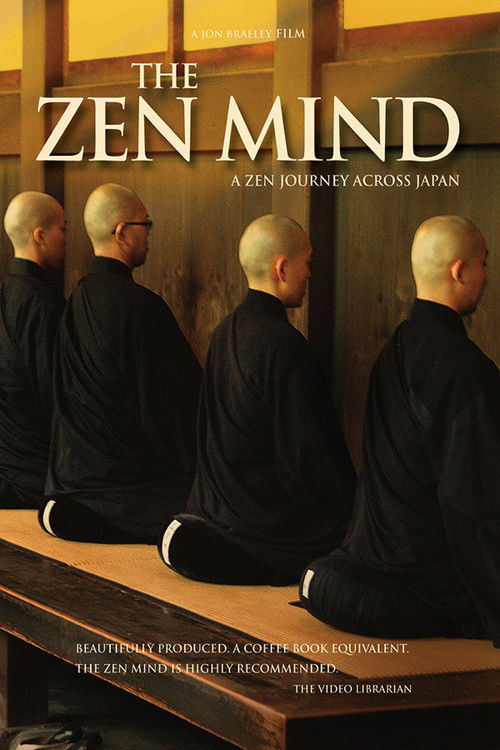
In the last fifty years the culture of Zen has spread far beyond Japan. Zen centers and zen retreats have sprung up throughout America and Europe. When Dogen, the founder of Soto Zen, brought Zen to Japan from China 800 years ago, it quickly took root and became an integral part of Japanese life. Yet what do we know about zen practice in Japan today? The Zen Mind is a fascinating journey across Japan to explore zen in its natural habitat.
Documentary about two boys and a girl who travel to surfing spots around the world.
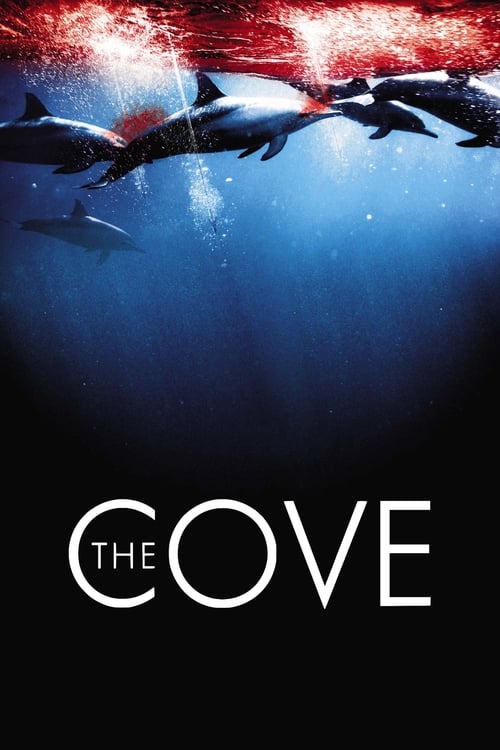
The Cove tells the amazing true story of how an elite team of individuals, films makers and free divers embarked on a covert mission to penetrate the hidden cove in Japan, shining light on a dark and deadly secret. The shocking discoveries were only the tip of the iceberg.
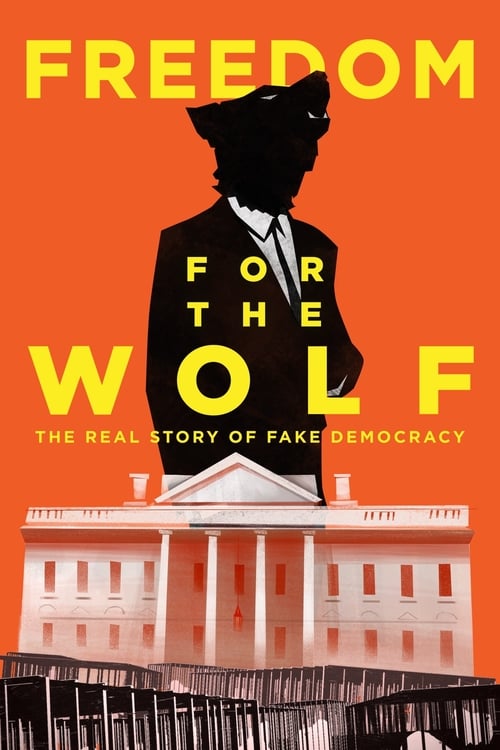
The Real Story of Fake Democracy. Filmed over three years in five countries, FREEDOM FOR THE WOLF is an epic investigation into the new regime of illiberal democracy. From the young students of Hong Kong, to a rapper in post-Arab Spring Tunisia and the viral comedians of Bollywood, we discover how people from every corner of the globe are fighting the same struggle. They are fighting against elected leaders who trample on human rights, minorities, and their political opponents.