A short film to warn children of sexual predators.
No Trailers found.
Stranger
Policewoman
Teresa's Dad
Teresa's Mum
Narrator
Commentator
Warsaw's Central Railway Station. 'Someone has fallen asleep, someone's waiting for somebody else. Maybe they'll come, maybe they won't. The film is about people looking for something.
"Africa Light" - as white local citizens call Namibia. The name suggests romance, the beauty of nature and promises a life without any problems in a country where the difference between rich and poor could hardly be greater. Namibia does not give that impression of it. If you look at its surface it seems like Africa in its most innocent and civilized form. It is a country that is so inviting to dream by its spectacular landscape, stunning scenery and fascinating wildlife. It has a very strong tourism structure and the government gets a lot of money with its magical attraction. But despite its grandiose splendor it is an endless gray zone as well. It oscillates between tradition and modernity, between the cattle in the country and the slums in the city. It shuttles from colonial times, land property reform to minimum wage for everyone. It fluctuates between socialism and cold calculated market economy.
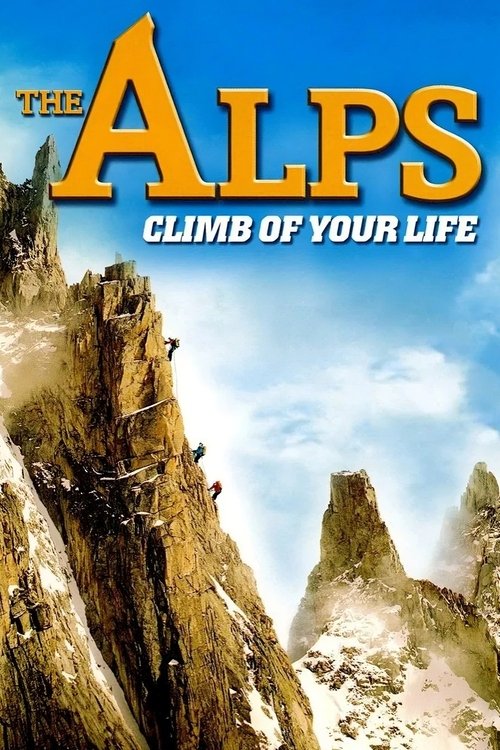
In 1966, John Harlin II died while attempting Europe's most difficult climb, the North Face of the Eiger in Switzerland. 40 years later, his son John Harlin III, an expert mountaineer and the editor of the American Alpine Journal, returns to attempt the same climb.
In the 1968 movement in Paris, Jean-Luc Godard made a 16mm, 3-minute long film, Film-tract No.1968, Le Rouge, in collaboration with French artist Gérard Fromanger. Starting with the shot identifying its title written in red paint on the Le Monde for 31 July 1968, the film shows the process of making Fromanger’s poster image, which is thick red paint flows over a tri-color French flag. —Hye Young Min
Filmed in IMAX, a young girl questions her grandfather about the alleged curse of King Tutankhamen. His response takes us up to the source of the nourishing river Nile, to the Great Pyramids of Giza, to the Valley of the Kings.
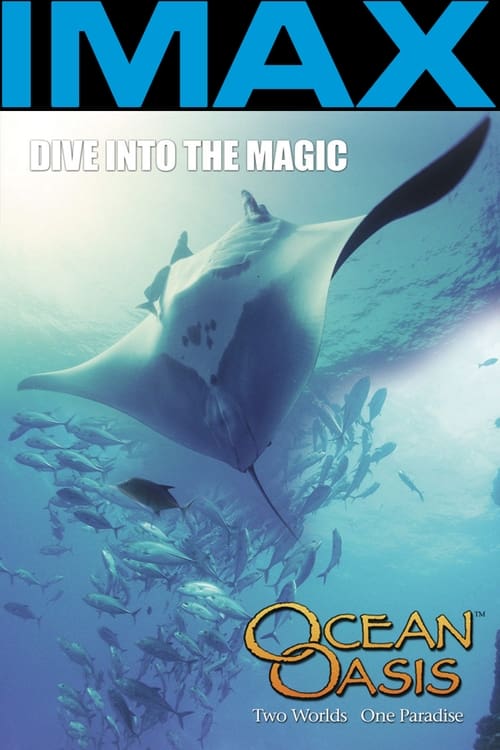
Ocean Oasis is a fascinating journey into the bountiful seas and pristine deserts of two remarkably different, but inextricably linked worlds — Mexico's Sea of Cortés and the Baja California desert.
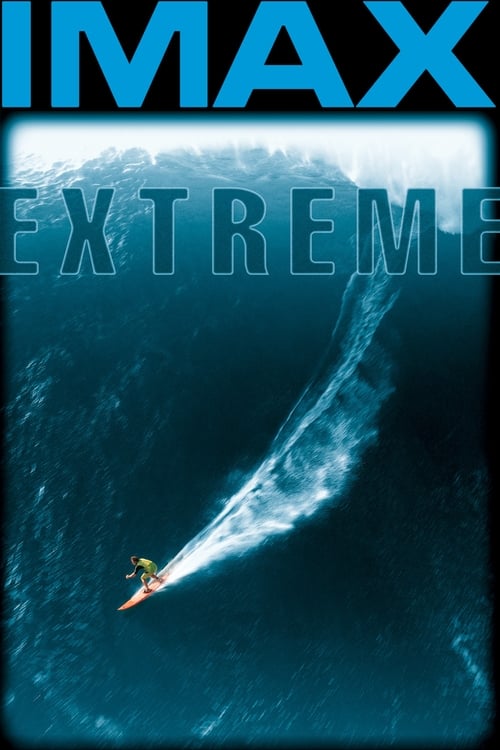
EXTREME is a visually stunning 45-minute journey into the soul of adventure featuring a cast of world champion athletes. Combining incredible extreme sport action with narration from the athletes and an eclectic, contemporary soundtrack, EXTREME explores the paradox of human nature: facing fear from the edge of life.
No overview available.
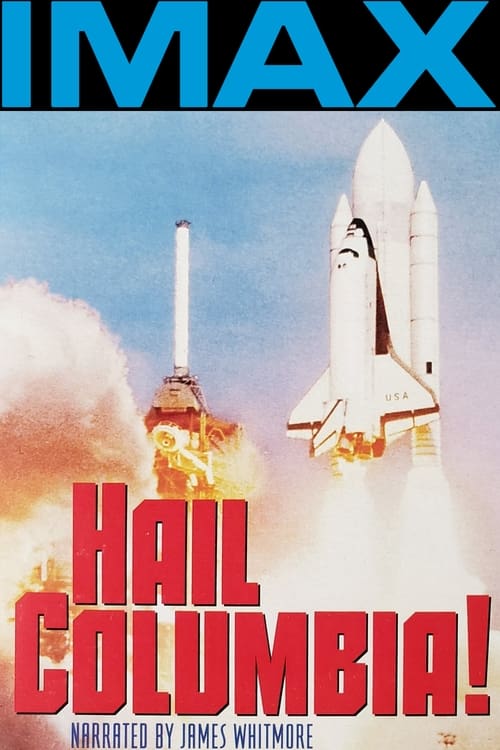
An IMAX documentary that follows the first flight of Space Shuttle Columbia, from launch preparations to its historic return to Earth.
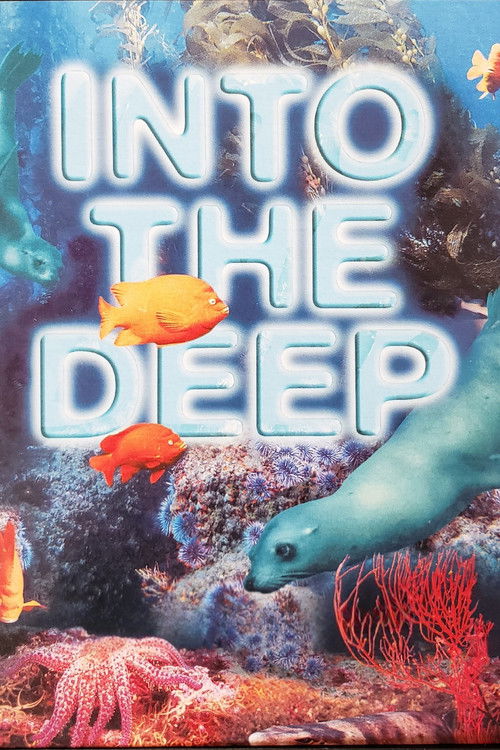
An underwater exploration beneath kelp forests in the Pacific Ocean off the coast of Southern California. The film captures the birth of a shark, squids mating, a lobster molting, a fish protecting its nest from an octopus and a sea urchin, and the sea bed covered with brittle stars.
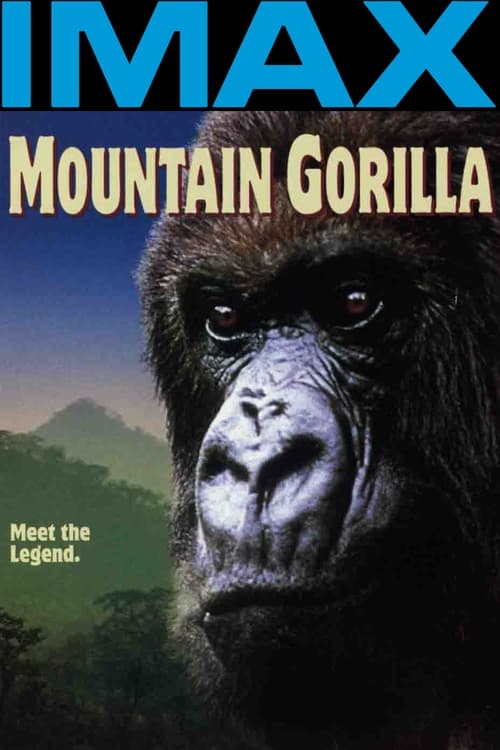
Mountain Gorilla takes us to a remote range of volcanic mountains in Africa, described by those who have been there as ""one of the most beautiful places in the world"", and home to the few hundred remaining mountain gorillas. In spending a day with a gorilla family in the mountain forest, audiences will be captivated by these intelligent and curious animals, as they eat, sleep, play and interact with each other. Although gorillas have been much-maligned in our popular culture, viewers will finally ""meet the legend"" face to face, and learn about their uncertain future.
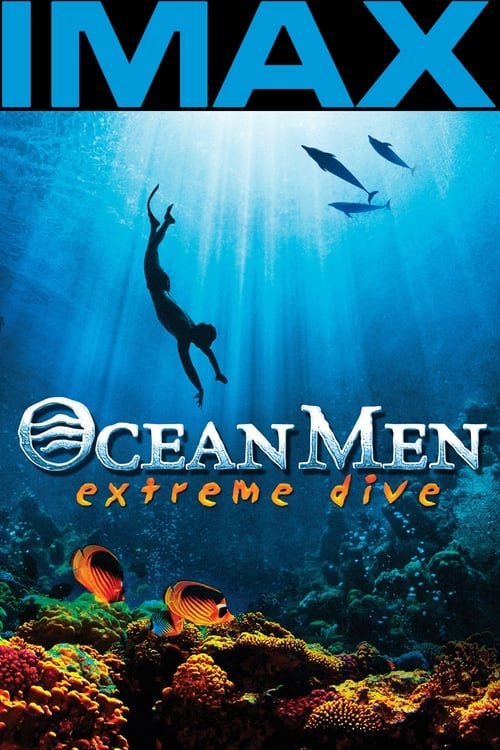
For more than 10 years, world champion freedivers Pipin Ferreras and Umberto Pelizzari have been vying for world records. Their love of the sea without compromise is what unites these two rivals. However, it is their different personalities and opposing diving philosophies that separate them. Pipin is the "No Limits" man who wants to go deeper and deeper. Umberto, the purist, seeks harmony in the ocean's depth. Ocean Men takes you into the world of these two awe-inspiring freedivers through the use of breathtaking underwater photography, enchanting music, and insightful animation.
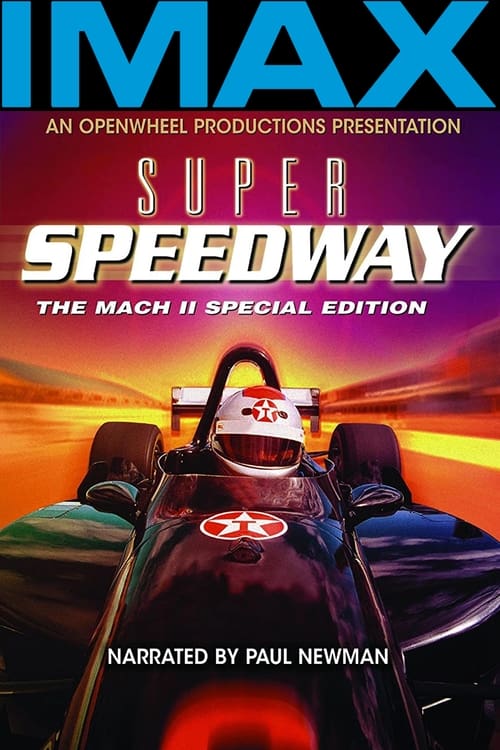
We follow the Newman-Haas (Andretti) racing team through the process of building, testing, and racing for a season. This includes extensive race speed on-track footage, including some pre-race footage with a full squad of cars. From time to time, we check in with a small shop building/restoring one of the first roadsters Mario Andretti raced; the finale includes him taking it for a spin.
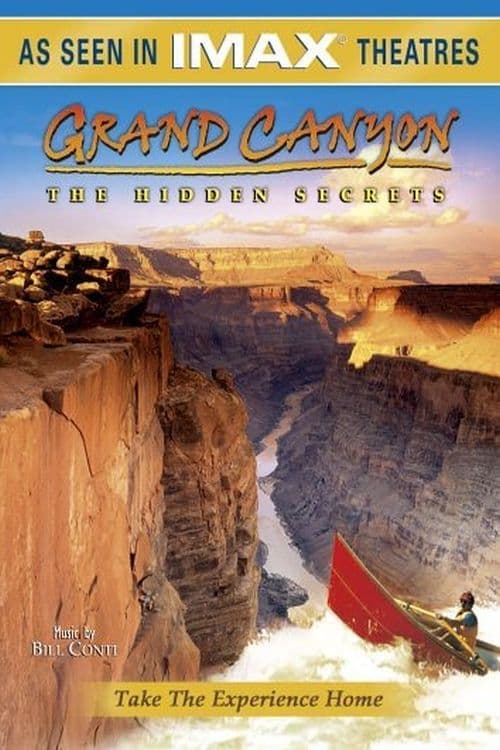
In this spectacular exploration you'll take a journey through the 4,000-year history of mankind's relationship with the Grand Canyon. Discover the earliest inhabitants of the Canyon whose lives are still shrouded in mystery. Travel with Spanish explorers as they become the first Europeans to uncover the Canyon's awesome beauty. Ride along in the re-enactment of US explorer John Wesley Powell's expedition down the raging Colorado River, when nine crew members risk their lives to become the first to travel the length of the Canyon by boat. Grand Canyon: The Hidden Secrets will take you into the rarely visited side canyons filled with hidden waterfalls and unusual wildlife. Experience the Canyon as never before: soaring over the rim and flying through some of the most inspiring scenery on Earth.
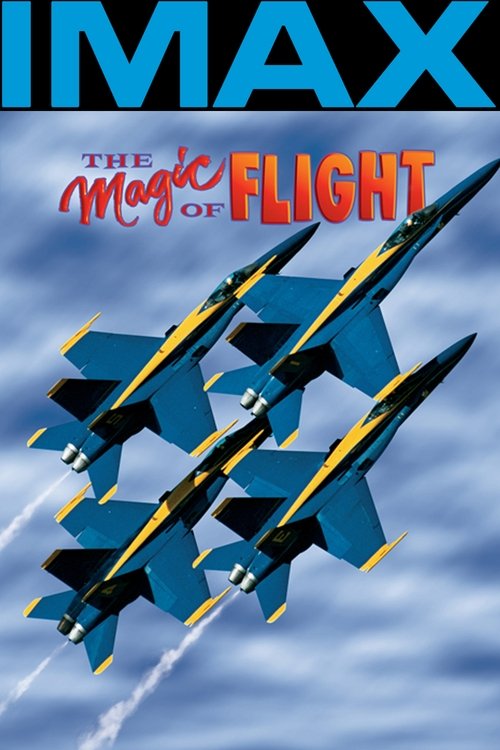
Take a technological thrill ride The Magic of Flight takes you on a technological thrill ride faster, higher and wider than modern science or even your imagination! Relive the first flight of the Wright Brothers, then soar with the Blue Angels as they defy the laws of gravity. Narrated by Tom Selleck.
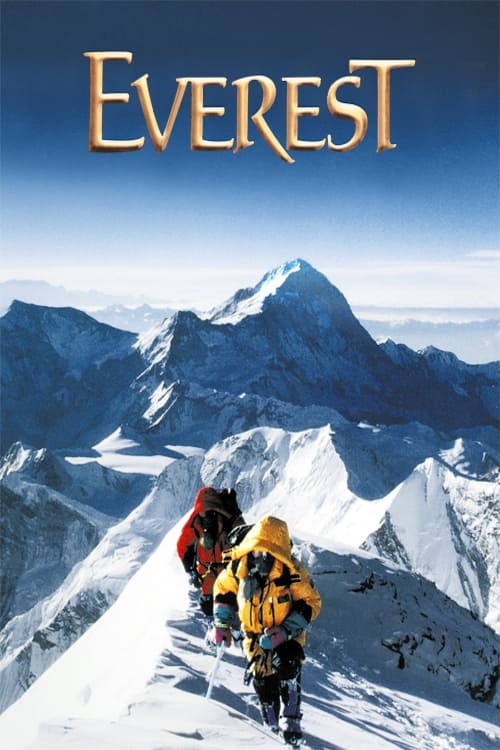
An international team of climbers ascends Mt. Everest in the spring of 1996. The film depicts their lengthy preparations for the climb, their trek to the summit, and their successful return to Base Camp. It also shows many of the challenges the group faced, including avalanches, lack of oxygen, treacherous ice walls, and a deadly blizzard.
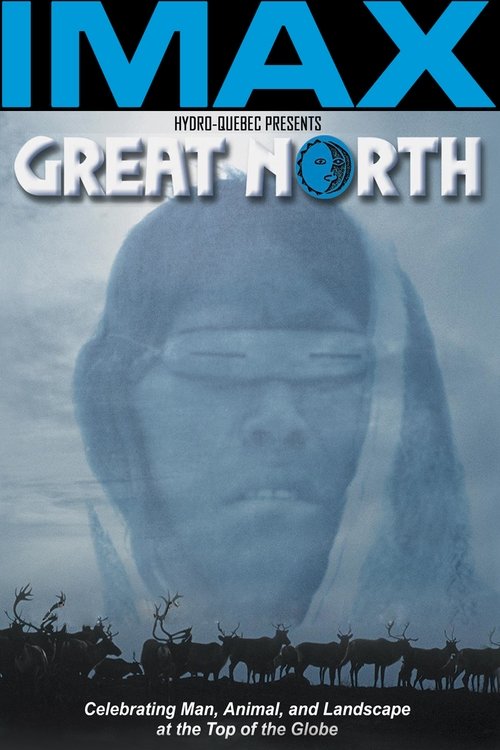
This film takes viewers through the rich, white majesty of the Inuit Great North. Along with doing justice to the breathtaking and awesome landscape of the freezing, snow-covered environment, Great North also looks into the long-standing traditions, such as fishing and hunting, of the Inuit tribes.
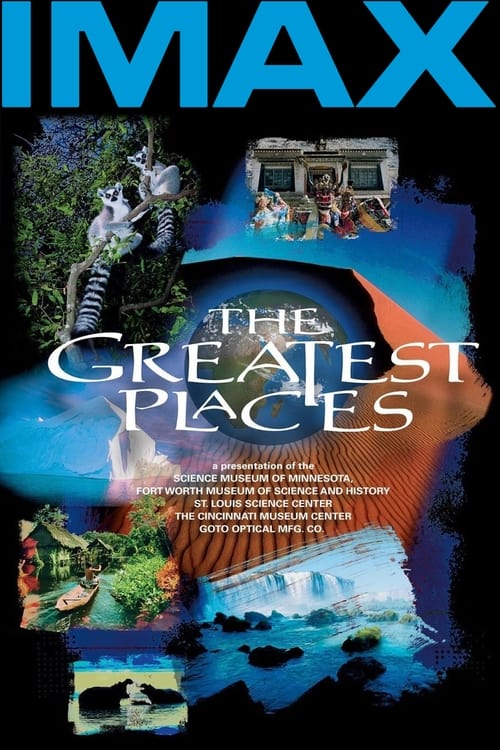
A journey to seven of the most geographically dynamic locations on earth. The film features spectacular land forms, diverse wildlife and the people and cultures indigenous to these places. Distinct geographic places include the great island of Madagascar, home to unique limestone pinnacles and the playful lemur; and the greatest desert—the Namib—home of the largest sand dunes in the world that tower majestically over its western border, the Atlantic Ocean. Other locations featured are the great icecap of Greenland, Iguazu Falls in Brazil, the Okavango Delta in Botswana, the Chang Tang Plateau in Tibet, and the Amazon River in South America.
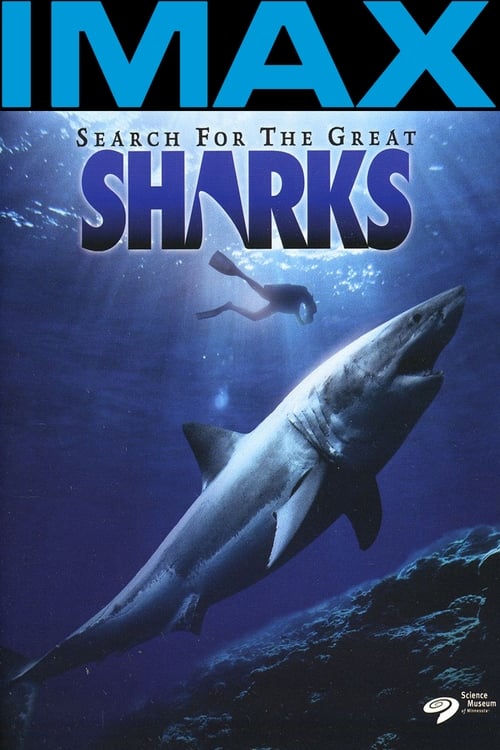
A journey into the land of sharks. The old myth of swimming killing machines is put against the true nature of those rather peaceful hunters, whose evolution ended in biological perfection millions of years ago. We accompany expeditions of Dr. Eugenie Clark and Rodney Fox, who have studied sharks since the 1950's.
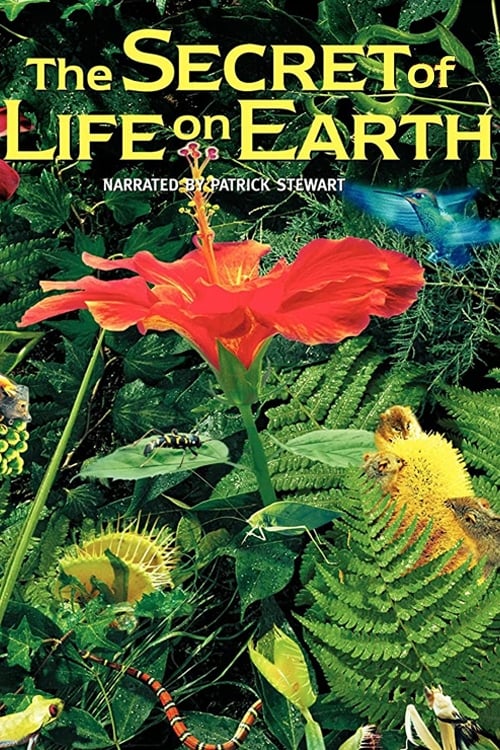
A breathtaking adventure across five continents and through time to reveal nature's most vital secret. Watch a flying fox gorge itself on a midnight snack of figs. Climb into the prickly jaws of insect-eating plants. Witness a mantis disguised as a flower petal lure its prey to doom.