No Trailers found.
Using original footage and interviews, this documentary tells the nail-biting story of Apollo 13 and the struggle to bring its astronauts safely home.
In Japan, thousands of people disappear voluntarily every year. And there are companies ready to help those who want to disappear without a trace and start a new life somewhere else. Meet some of them in a film that soberly examines a modern phenomenon.
An exploration —manipulated and staged— of life in Las Hurdes, in the province of Cáceres, in Extremadura, Spain, as it was in 1932. Insalubrity, misery and lack of opportunities provoke the emigration of young people and the solitude of those who remain in the desolation of one of the poorest and least developed Spanish regions at that time.
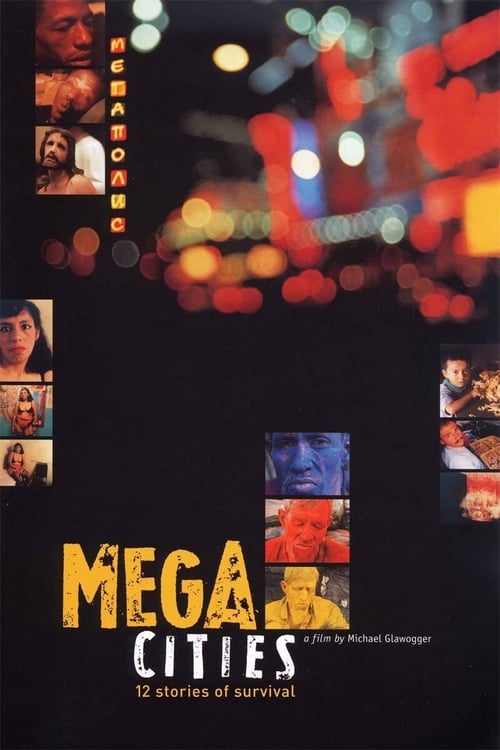
Megacities is a documentary about the slums of five different metropolitan cities.
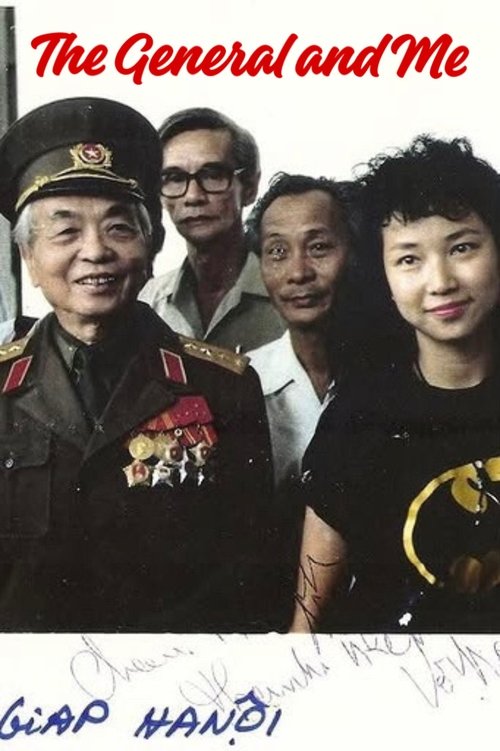
Over the period of 25 years the director met General Võ Nguyên Giáp, a legendary hero of Vietnam’s independence wars, a number of times. She was the first American who entered the home of the “Red Napoleon”. The fruit of this friendship is a film, personal and politically involved at the same time. Travelling across the country and talking to important figures as well as ordinary people, the director finds out more about her roots and offers the audience a unique perspective on Vietnam’s present and past.
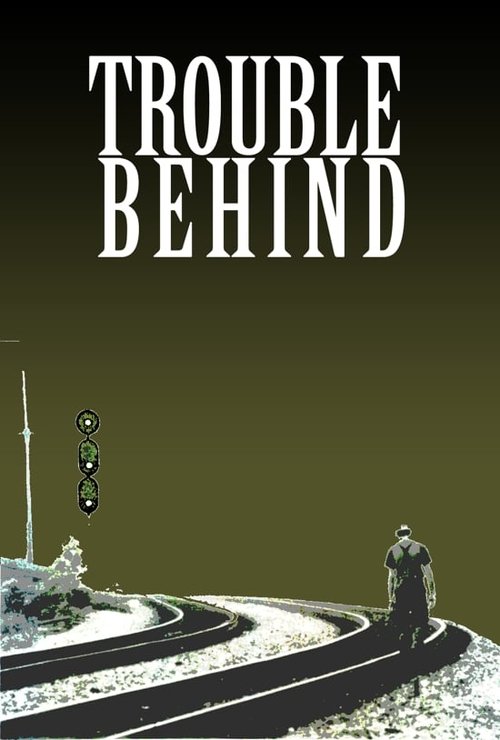
During World War I, African-Americans worked on the railroad near Corbin, Kentucky. When whites returned from the war, there was conflict. Whites sought their former jobs and positions in the community. In 1919, a race riot occurred. Whites put the African-Americans on railroad cars and ran them out of town. In Trouble Behind, members of the Corbin community speak out on the issue. The filmmakers also interview former members of the Corbin, which at the time of filming had only one black family. Some Corbin residents express confusion as to why African-Americans don't move back. Others openly use racial epithets. Some young adults seem troubled by the racism, past and present. Others don't.
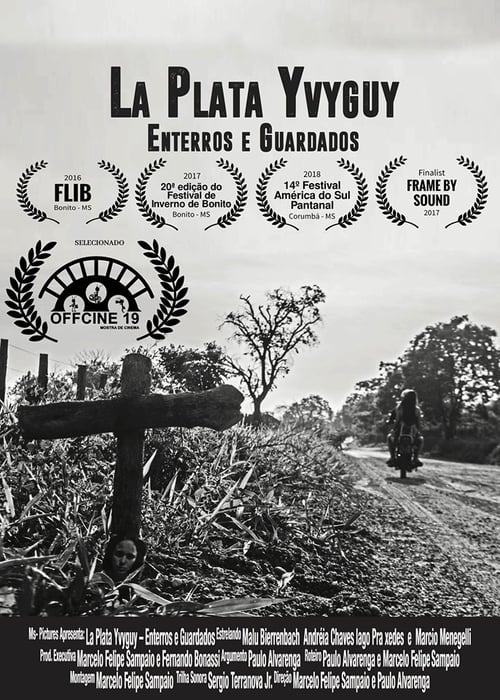
The Legend of the Paraguay War Legend tells that during the Paraguay War (1864-1870), families that lived near the border and soldiers who were leaving for battle used to hide their valuable belongings by burying them in secret spots, in order to safely recover them after the war. In several cases, though, the only people who knew about the secret spots of those personal treasures died before they could go back to recover them. According to inhabitants of that region, the spirits of those tormented men would reveal the location of those "buried and hidden" treasures to chosen people in their dreams, visions or by haunting them. "The Legend of the Paraguay War" approaches local legends in a historic and literary way. Those legends were born from within the biggest conflict in South America, and were developed and influenced by the local imaginary view of the world and which can be considered a relevant part of those people's identity up to this day
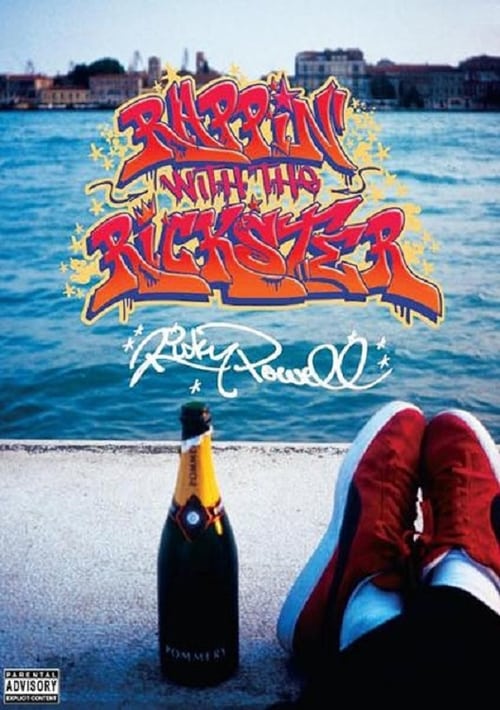
Join photographer turned public access guru Ricky Powell in this collection of clips from his influential NY TV show, Rappin' With The Rickster.
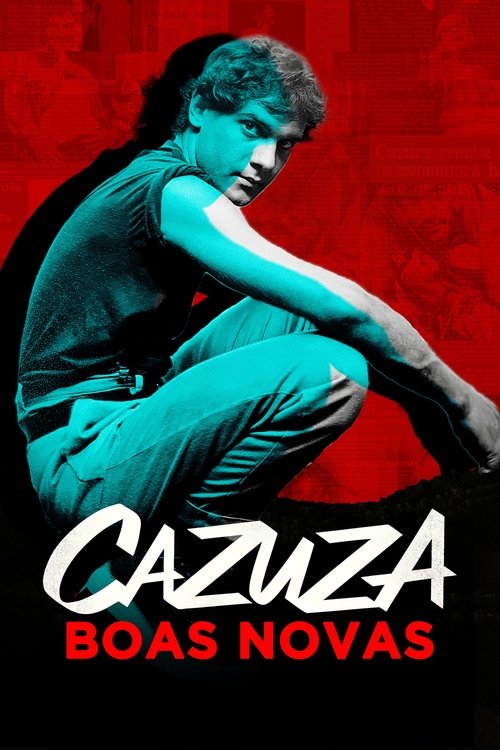
It explores the last two years of Brazilian singer Cazuza's life, from his AIDS diagnosis until his death. Nilo Romero, Cazuza's music producer and the film's director, created a collection of rarely seen and controversial images.
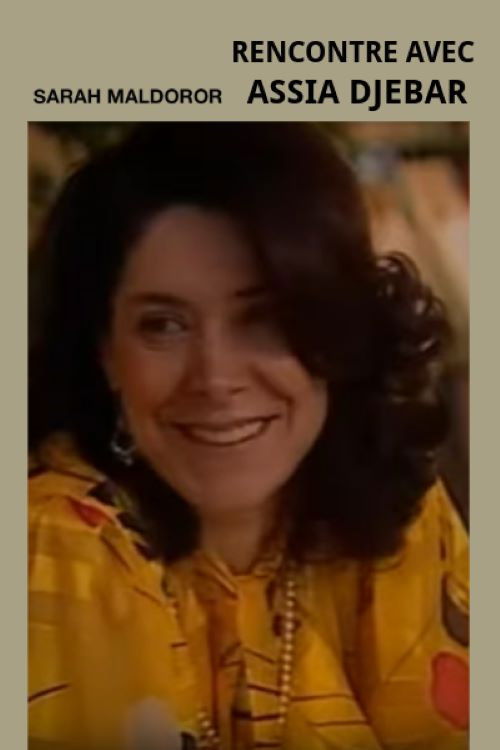
For the France 3 show, Mosaïque, Sarah Maldoror met Assia Djebar on Sunday March 29, 1987 on the occasion of the publication of her book Ombre Sultane. She discusses the status of the traditional woman in the Arab Muslim world: "The woman is always on the move, she is never anchored. To the extent that she is always in the process of repudiation, she is in the process of leaving. With Ombre Sultana, I wanted to make the reader feel that these women from elsewhere are like her, even if the reader is Western.
The opening of The Vasulka Effect couldn’t be more apt: Steina Vasulka addresses her husband Woody through various TV screens. He does the same and replies. A perfect image of the relationship between the free-spirited, groundbreaking pioneers of video art. After meeting in Prague in the early 1960s, they relocated from Czechoslovakia to New York, where they later founded The Kitchen, their legendary art and performance gallery.
No overview available.
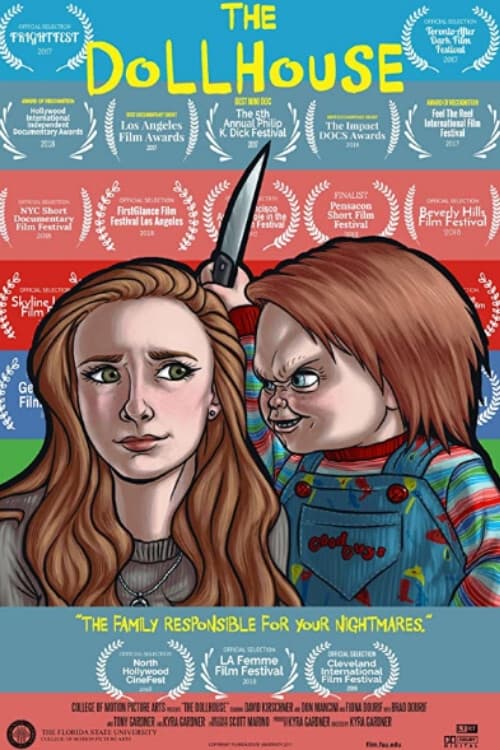
Kyra Gardner's loving tribute to growing up in the world of the psycho killer doll, Chucky.
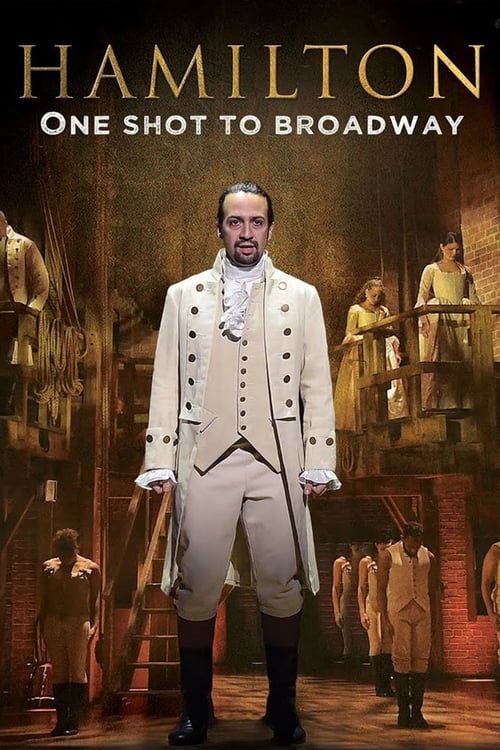
It’s the hit musical that changed Broadway forever and brought the genius of Lin Manuel Miranda to the attention of legions of fans across the world. A story of how a group of mavericks made an unlikely marriage of hip-hop and history to create the biggest show in America…and are getting ready to conquer the world. Featuring interviews with Miranda, as well as the cast and crew of Hamilton.
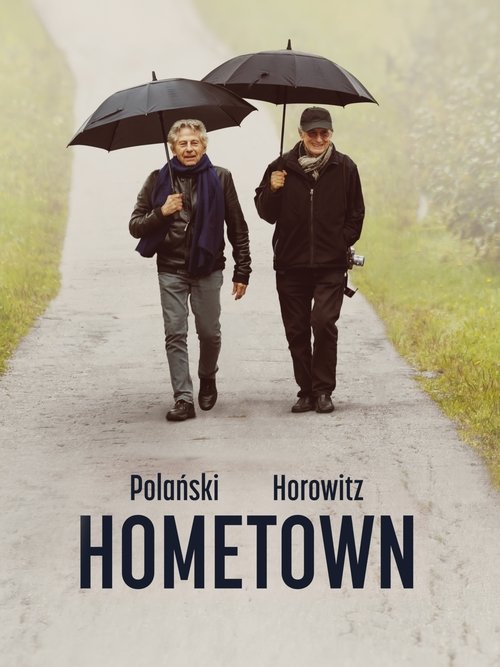
Filmmaker Roman Polanski and photographer Ryszard Horowitz meet in Kraków, Poland, where, strolling the streets, they share memories of their childhood and youth, the hardest days of their lives, when, during World War II, they met in the ghetto established by the Nazi occupiers.
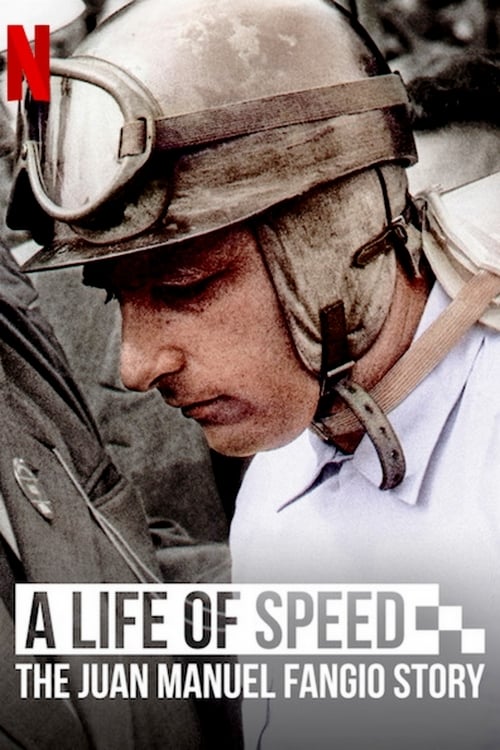
Juan Manuel Fangio was the Formula One king, winning five world championships in the early 1950s — before protective gear or safety features were used.
The film discusses the traits and originators of some of metal's many subgenres, including the New Wave of British Heavy Metal, power metal, Nu metal, glam metal, thrash metal, black metal, and death metal. Dunn uses a family-tree-type flowchart to document some of the most popular metal subgenres. The film also explores various aspects of heavy metal culture.
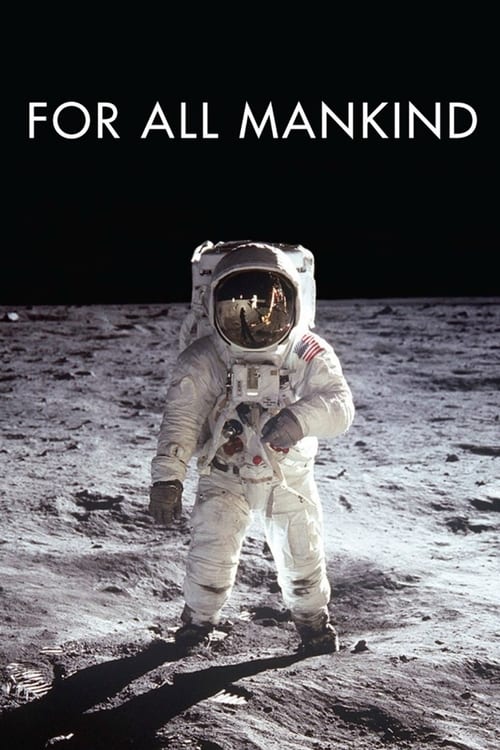
A testament to NASA's Apollo program of the 1960s and '70s. Composed of actual NASA footage of the missions and astronaut interviews, the documentary offers the viewpoint of the individuals who braved the remarkable journey to the moon and back.
A short documentary about the making of "The Great Dictator."
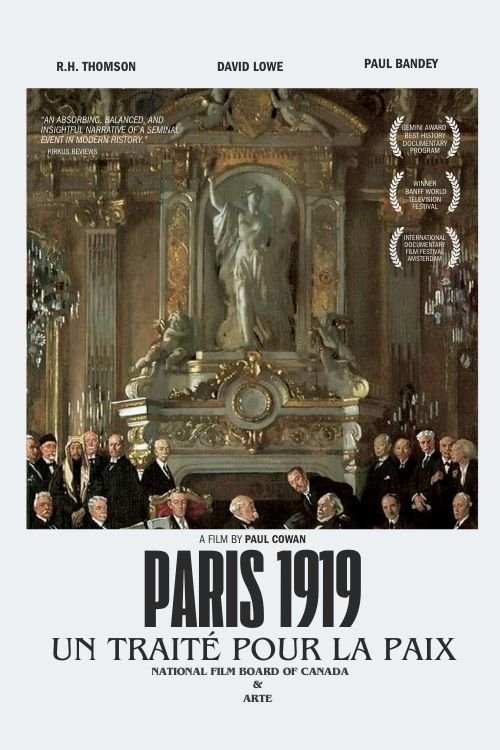
The last shots had been fired in the First World War — but peace had yet to be made. Inspired by Margaret MacMillan’s acclaimed work of popular history, Paris 1919 takes us inside the most ambitious peace talks in history, revisiting the event with a vivid sense of narrative. Evoking a pivotal moment when peace seemed possible, director Paul Cowan reflects upon the hard-learned lessons of history.