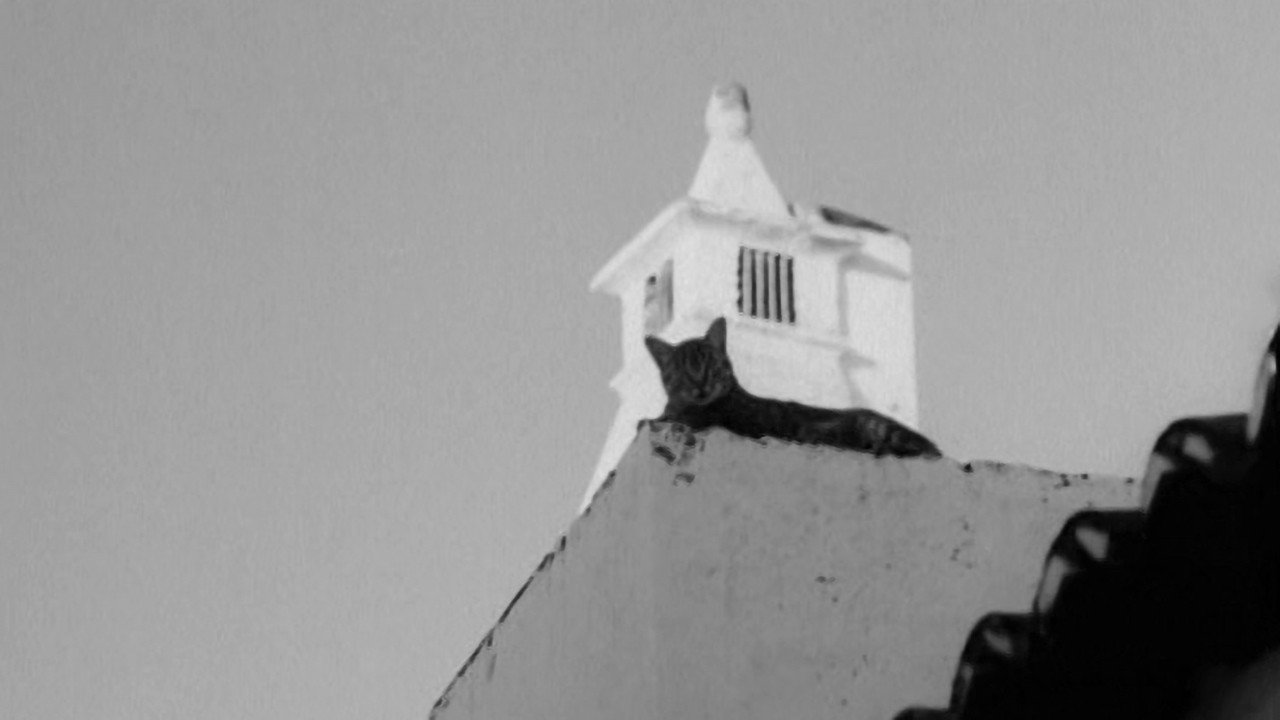
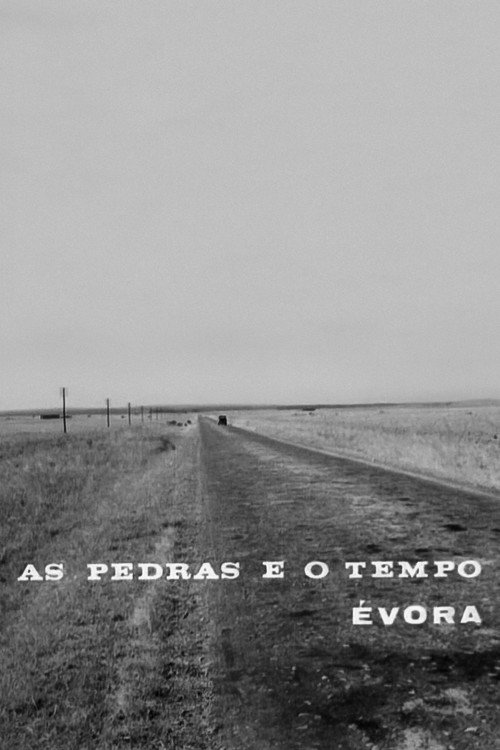
Documentary short film on the city of Évora, Portugal. Usually regarded as the first film of the Portuguese New Wave.
Narrator (voice)
No Trailers found.
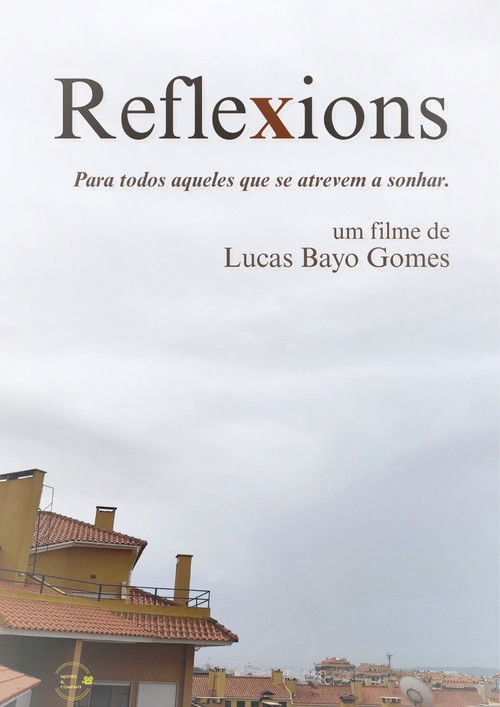
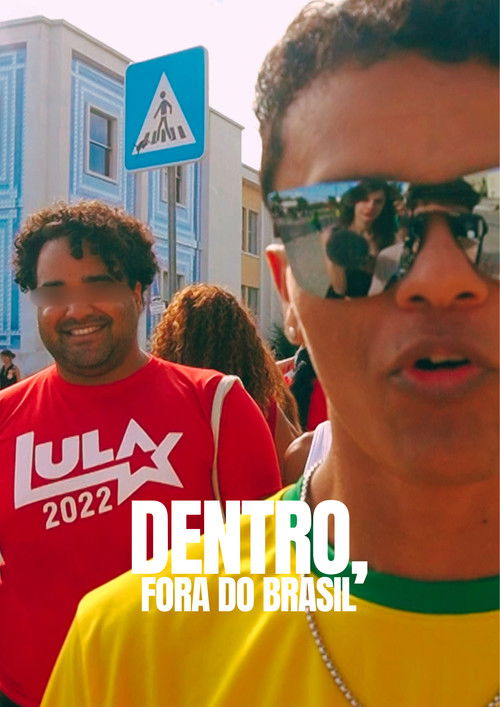
In the year of 2022, a late teenager and their friends film moments they would prefer not to forget: their long season.
Documentary about the photo session for the photobook "Castella", filmed in Portugal.
No overview available.
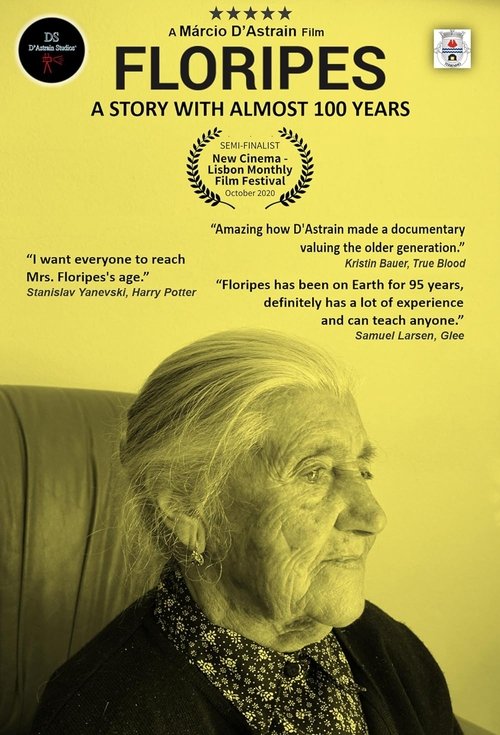
A story with almost 100 years told by the 95 years old woman Floripes.
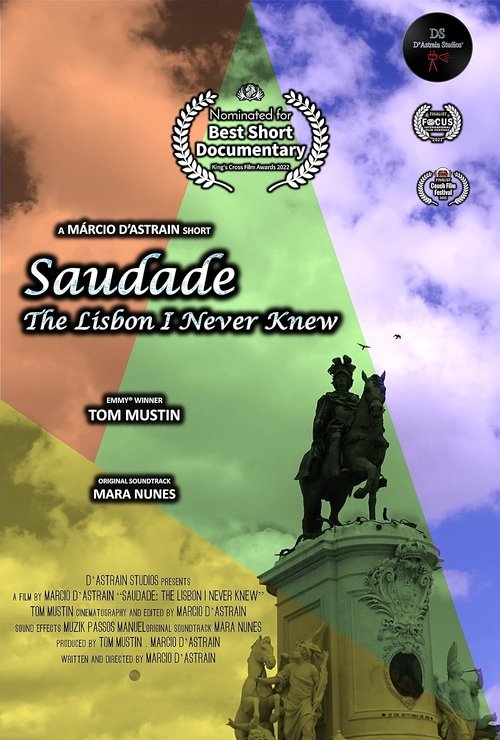
A love letter from an American soul to the city of Lisbon.
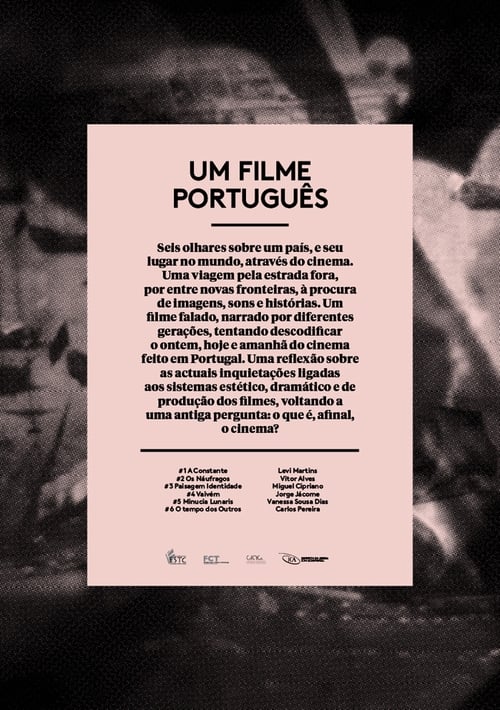
A documentary about the world of portuguese cinema, with interviews with some critics and directors.
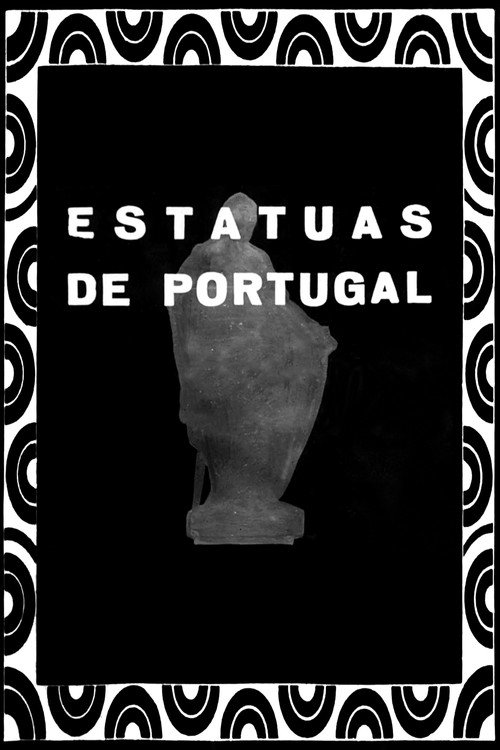
Launch of a competition, organized by the newspaper O Século, entitled Statues of Portugal.
To understand firsthand what the United States of America can learn from other nations, Michael Moore playfully “invades” some to see what they have to offer.
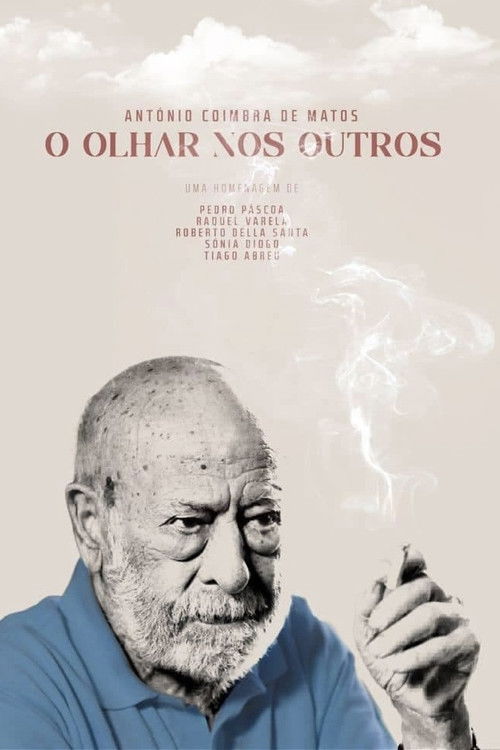
"Thoughts on the moon, feet on the road, eyes on others": António Coimbra de Matos revolutionized psychoanalysis.
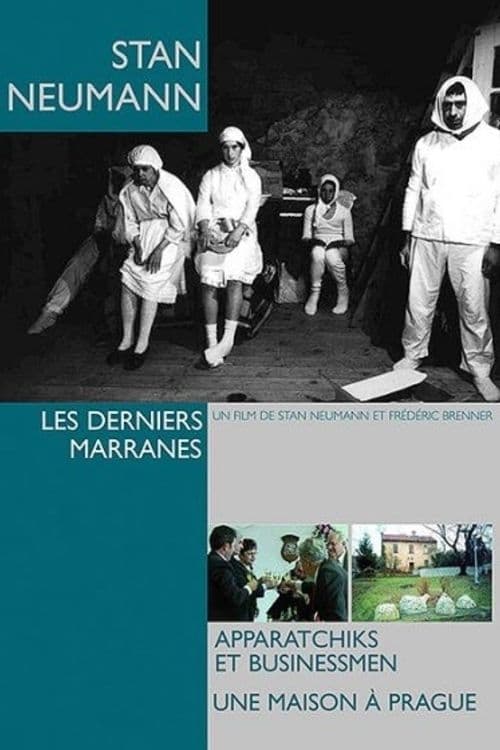
Despite being forcibly converted to Christianity in 1497 many of the Jews of Portugal continued to practice Judaism in secret. Today, residents of the village of Belmonte practice an amalgam of Christian and Jewish rituals.
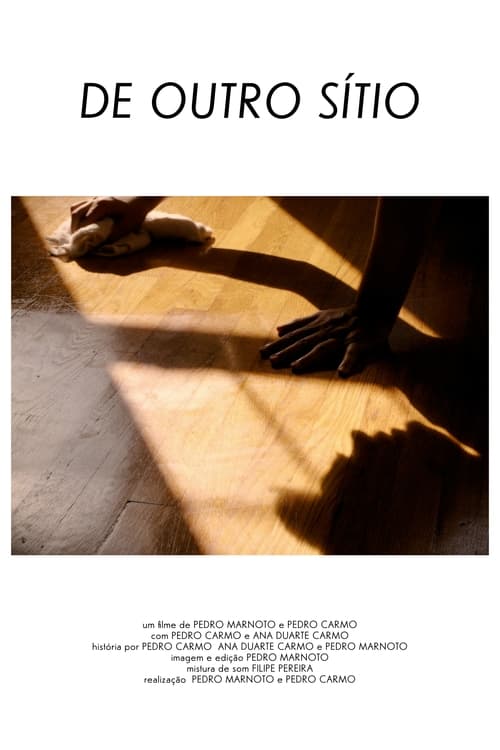
On a Summer afternoon, Pedro packs the last few boxes before having to leave his apartment in New York. 12 years ago, Pedro and Ana had arrived in America from Portugal, in search of a dream. Now, Ana's voice describes, from the other side of the ocean, that same country to which they are returning. As the rooms are emptied, Pedro bids farewell to one life, welcoming another. But the dream that brought him will remain forever in the city that never sleeps, awaiting his return.
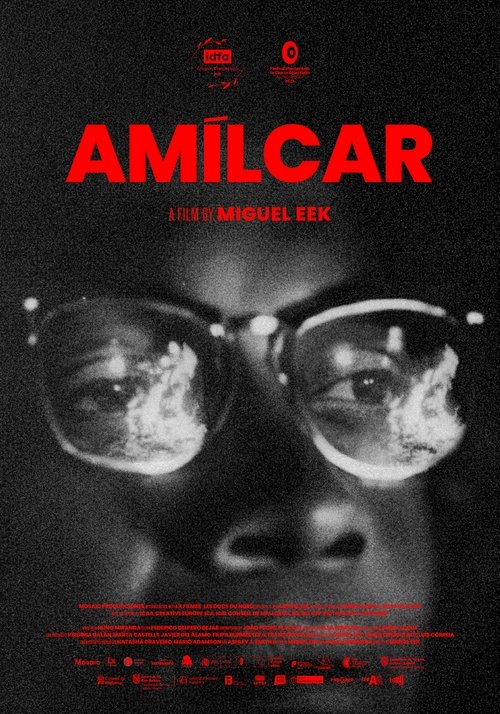
Poet, agricultural engineer and revolutionary Amílcar Cabral was born in Guinea-Bissau to Cape Verdean parents. After studying in Portugal, he emerged as the charismatic leader of the anti-colonial struggle against Portuguese rule. With his utopian ideas, he sparked a cultural and an armed uprising that went on to inspire other African liberation movements.
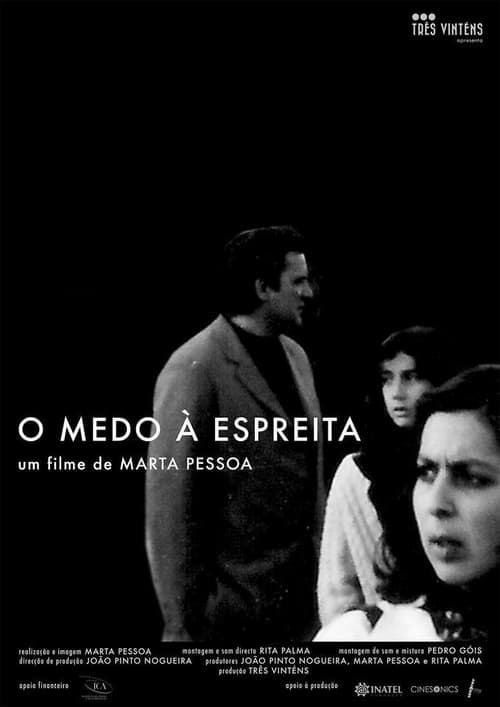
"The Lurking Fear" interviews Portuguese citizens whose lives where hit by the torture of its fascist political police.
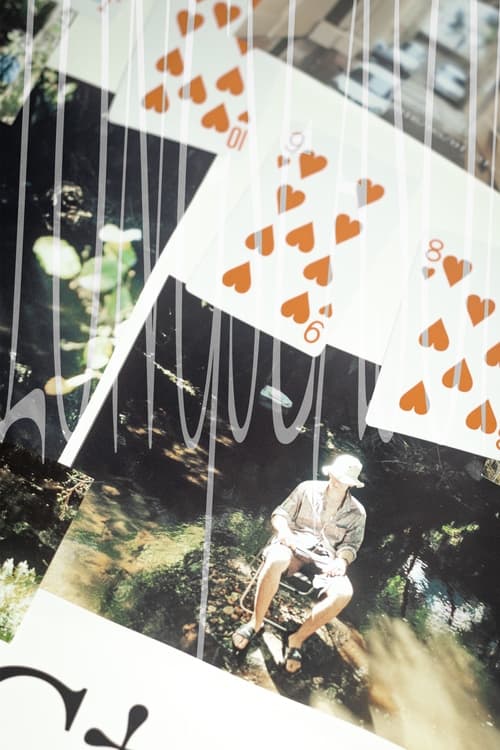
An intimate glimpse into 3 years of serene moments, compiling video, polaroids and other things that were lying around when editing.