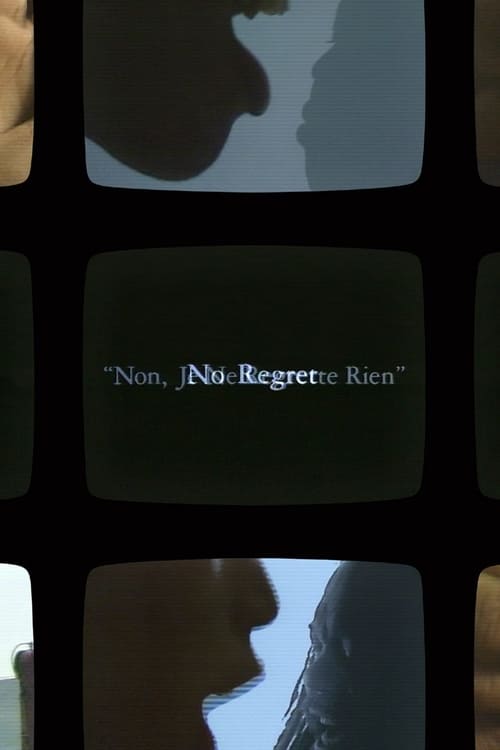
Five gay Black men who are HIV-positive discuss how they are battling the double stigmas surrounding their infection and homosexuality.
Self
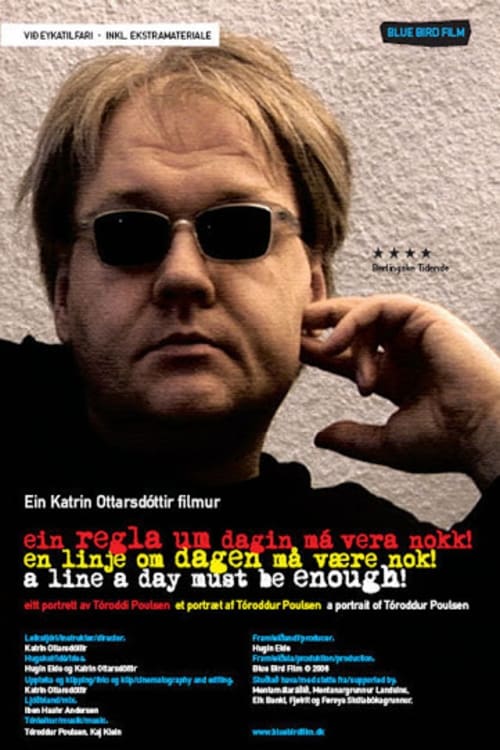
In a film bursting with lyrics, pictures, and music the director shows us a way into the peculiar universe of Tóroddur, and the otherwise not very talkative artist gives us a glimpse of his thoughts on art, God, life and death.
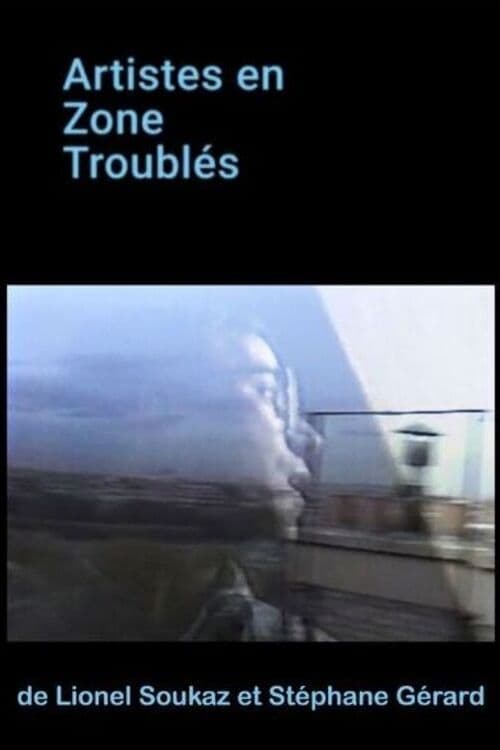
Daily spleen, drunkenness among friends, conversations and the passage of time: the video diaries composed by Lionel Soukaz chronicle the early 1990s, the comet tail of those never-ending winter years and the nightmare of the AIDS years. But edited thirty years later with Stéphane Gérard, they are also a tribute to Hervé Couergou, the beloved partner at the center of all the filmed scenes. Slowly, in conversations between couples and friends, the dandy spirit and intimate confession overlap. What emerges is a portrait of a way of dealing with the times and their pain, which, beneath the act of commemoration, seeks to inscribe a living presence.
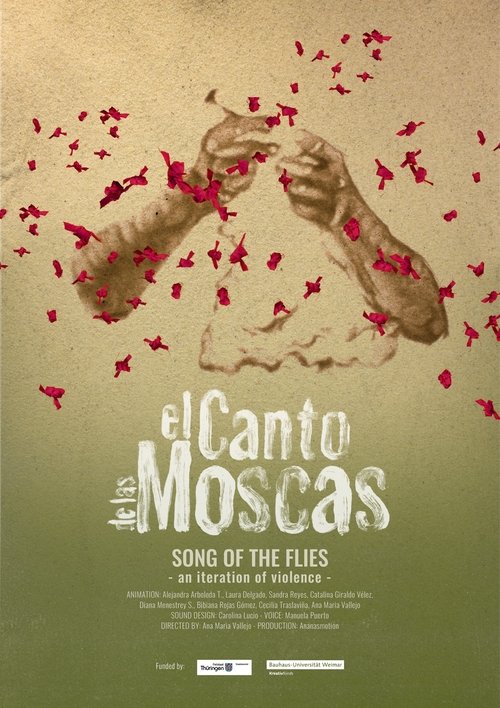
The experimental animated film Song of the Flies (El Canto de las Moscas), translates the desolation caused by the violence of the Colombian armed conflict through the poetic voice of Maria Mercedes Carranza (1945–2003) and the audiovisual dialogue between 9 Colombian women. In 24 places, as a transit over the course of a day (Morning, Day, Night) a map of terror is drawn where massacres took place in Colombia in the 1990s. Archival images, the artists’ personal memories and the use of loops and analogue materials bring to life the landscapes ravaged by violence and build a polyphony of memory and mourning, a universal song of pain.
An exploration of the interconnected experiences of queerness and illness, this film navigates personal and collective journeys through medical spaces, sexual violence, and survival, displays the profound impact on body and identity.
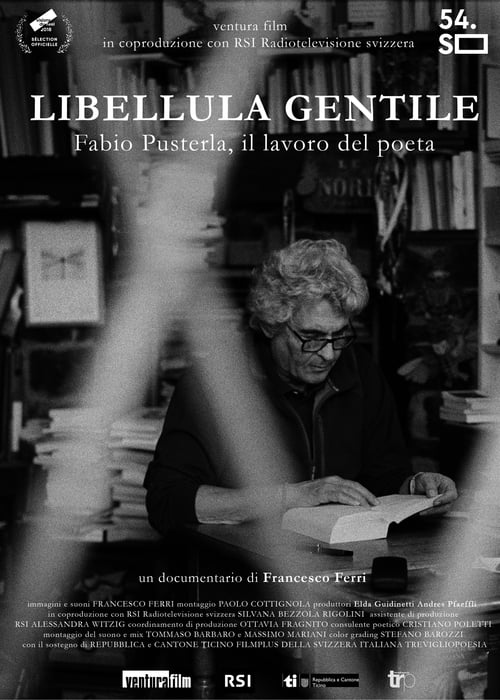
A film about the Swiss Italian poet Fabio Pusterla and his creative poetic process, his struggle to find an honest language, one which adheres to the personal experience and is able to unfold a hidden truth that creates a strong and profound bond with the other, with his public.
Documentary film interviews leading African Americans on race, identity, and achievement.
As Black and LGBTQ+ History Month begin this February, material science clothing brand PANGAIA leads celebrations with a poetic film that honors these two communities. Following a year of isolation, and with it a deeper understanding of the importance of outdoor spaces and the environment, Wè is a portrait of the self-love and acceptance we have learned to show others and gift to ourselves.
Since ancient times, the Green Man has been one of the most mysterious and menacing of mythical characters. He also has a familiar face as Robin Hood , Jack in the Green and on numerous pub signs. Across the arts from comic strips to classical opera, the Green Man is now making a comeback. Where is he taking us? Writer Sir Kingsley Amis , film director John Boorman , composer Sir Harrison Birtwistle and other leading artists offer their interpretations of the mystery in this Omnibus documentary film from 16th November, 1990.
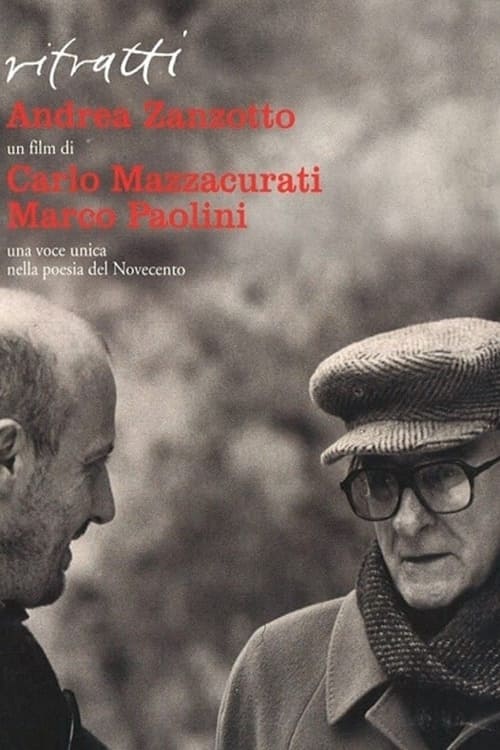
Marco Paolini discusses with poet Andrea Zanzotto about nature, history and language.
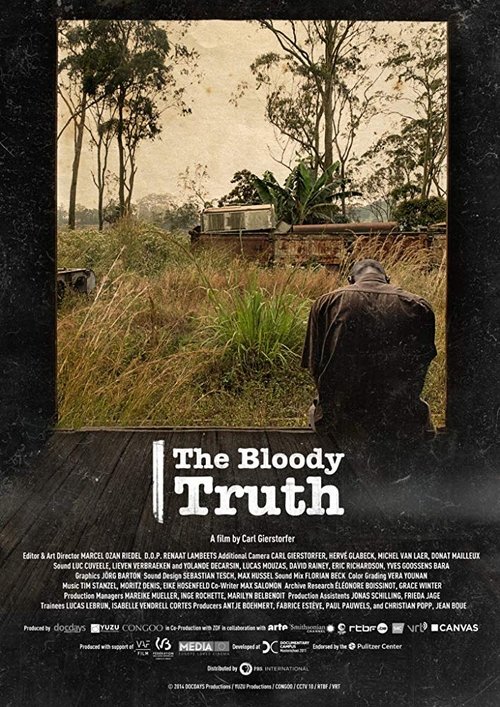
This film tells the story of the unknown pre-history of the AIDS virus, long before people started to die in the US and Europe. Following a team of scientists we uncover a forgotten medical archive in the Democratic Republic of Congo, that tells of an epidemic a full two decades before anyone knew about the novel killer. From high-tech labs in the US to African medics who have their boots on the ground, we trace HIV back to its origin in the jungles of Cameroon. In the decades around the turn of the 20th century, colonialism fundamentally changed the lives of millions of people in central Africa; it created an environment that allowed HIV to leave its original host, the chimpanzee, and start to spread in humans.
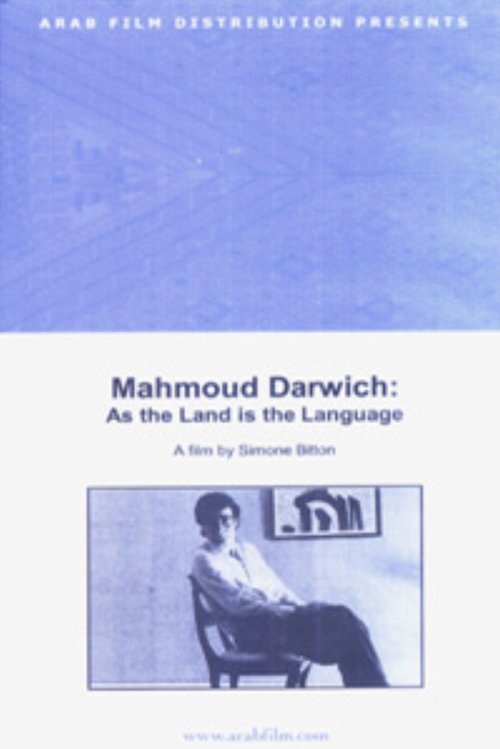
Accompanying from a place to another the poet who spent years in exile far from his native land of al-Birwa, in Haifa, Cyprus, Tunis, Amman, Paris, Cairo and Ramallah.
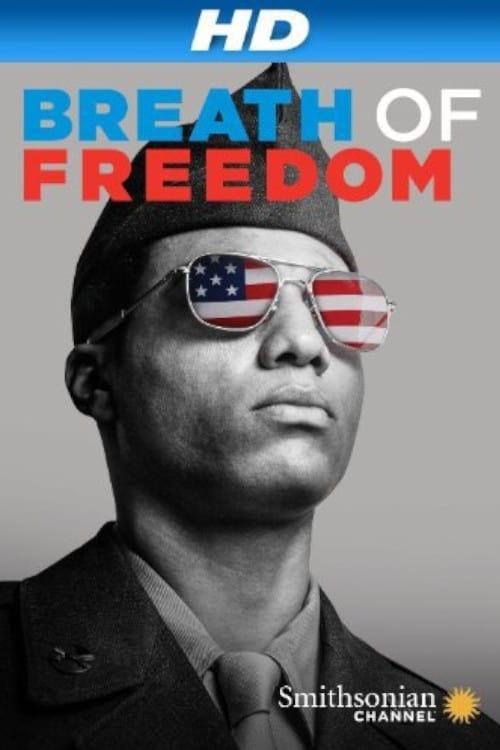
In World War II. African-American GIs liberate Germany from Nazi rule while racism prevailed in their own army and home country. Returning home they continue fighting for their own rights in the civil rights movement.
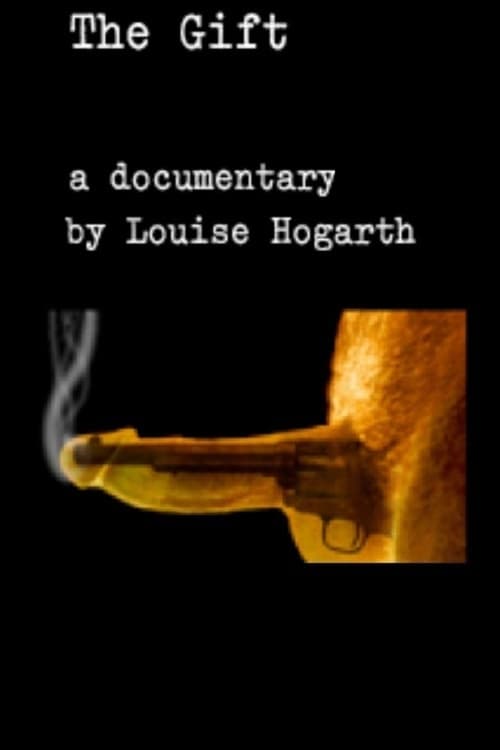
Controversial documentary about gay men purposely contracting the AIDS virus.
The story behind the Uganda-based YouTube dance sensations who have endured devastating personal loss from famine and war, and use the power of dance and song to overcome hardship.
WAR OF WORDS is an energizing, controversial and inspiring feature documentary that lifts the lid on the fast growing UK Battle Rap scene. The documentary is an examination of an exciting subculture of youth in the UK today; their creativity and work ethic, their passion for language and ability to control their own destiny. It investigates freedom of expression and respect for other cultures and lifestyles. While the language is often harsh and unflinching, the 'anything goes' philosophy of the battle arena results in one of the most harmonious and creative scenes in youth culture. The film is a truly entertaining expose on how the UK has embraced this American art form, creating one of the most exciting youth subcultures happening right now.
James Franco interviews three experts on the poet Hart Crane, whose life was the subject of his feature The Broken Tower (2011).
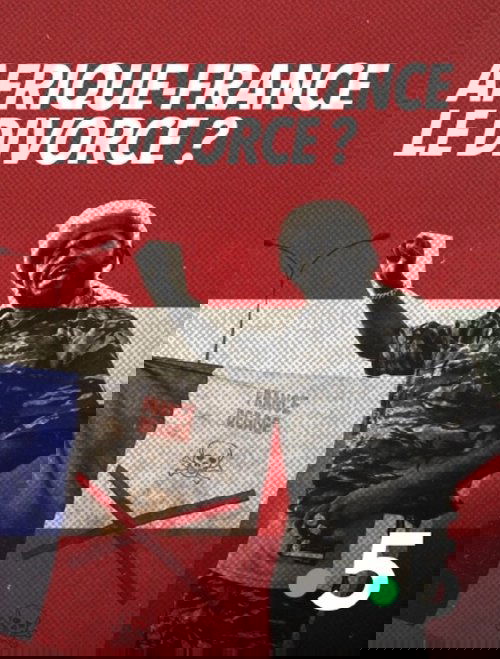
At a time when French flags are being burned and French embassies targeted, this documentary delves into the growing disaffection between French-speaking Africa and the former colonial power. Through the voices of African leaders, pan-African activists, and committed young people, the film questions the persistence of a relationship marked by the aftermath of colonization, the opaque agreements of "Françafrique," and a military presence deemed paternalistic.
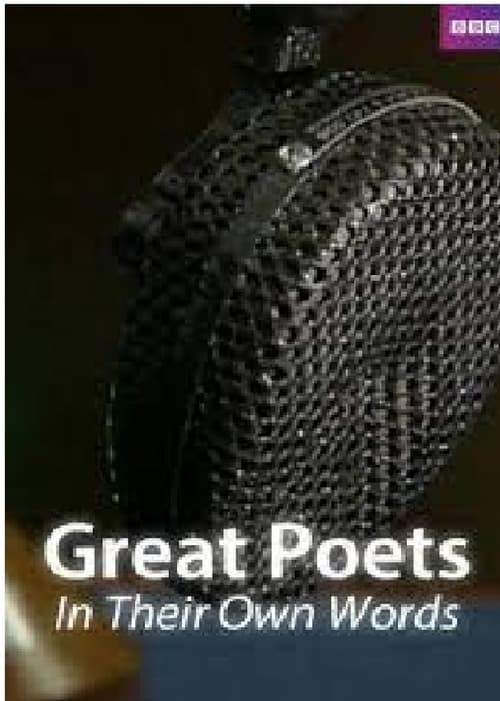
A journey into the BBC archives unearthing glorious performances and candid interviews from some of Britain's greatest poets.
THE BLACK LIST: VOL. 2 profiles some of today's most fascinating African-Americans. From the childhood inspirations that shaped their ambitions, to the evolving American landscape they helped define, to the importance of preserving a unique cultural identity for future generations, these prominent individuals offer a unique look into the zeitgeist of black America, redefining the traditional pejorative notion of a blacklist.
This documentary highlights the evolution of Brazil's Circo Voador venue from homespun artists' performance space to national cultural institution.
No Trailers found.