Bernard
Férfi
Nő
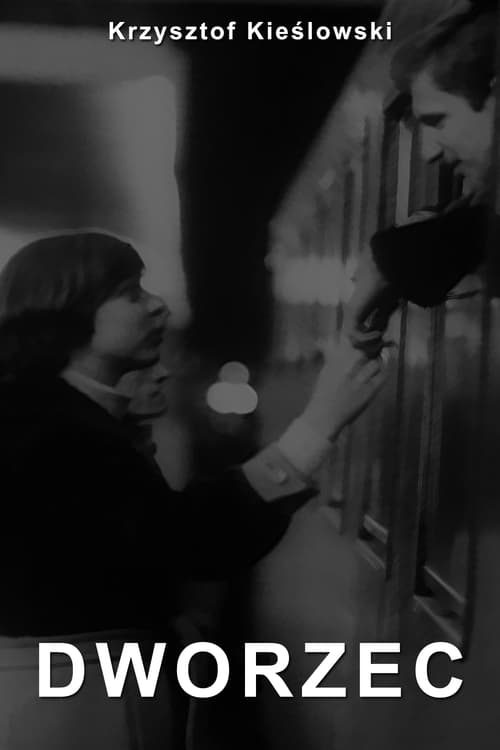
Warsaw's Central Railway Station. 'Someone has fallen asleep, someone's waiting for somebody else. Maybe they'll come, maybe they won't. The film is about people looking for something.
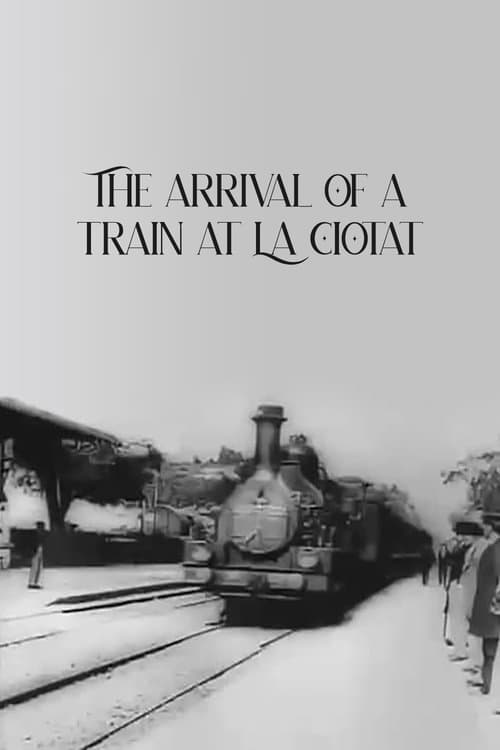
A group of people are standing along the platform of a railway station in La Ciotat, waiting for a train. One is seen coming, at some distance, and eventually stops at the platform. Doors of the railway-cars open and attendants help passengers off and on. Popular legend has it that, when this film was shown, the first-night audience fled the café in terror, fearing being run over by the "approaching" train. This legend has since been identified as promotional embellishment, though there is evidence to suggest that people were astounded at the capabilities of the Lumières' cinématographe.
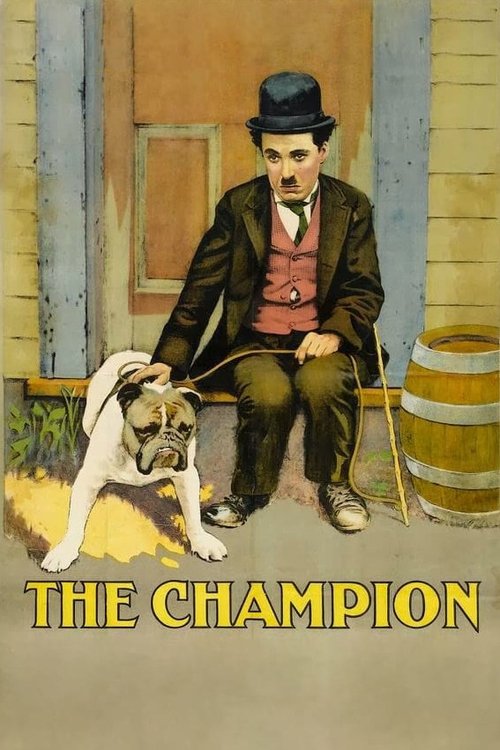
Walking along with his bulldog, Charlie finds a "good luck" horseshoe just as he passes a training camp advertising for a boxing partner "who can take a beating." After watching others lose, Charlie puts the horseshoe in his glove and wins. The trainer prepares Charlie to fight the world champion. A gambler wants Charlie to throw the fight. He and the trainer's daughter fall in love.
After blowing his professional ballet career, John's only way to redeem himself is to concoct the demise of his former partner, Leah, who he blames for his downfall; he rehearses his salvation in his mind in the way that he rehearses a dance, but being able to break from the routine will be the key to his success.
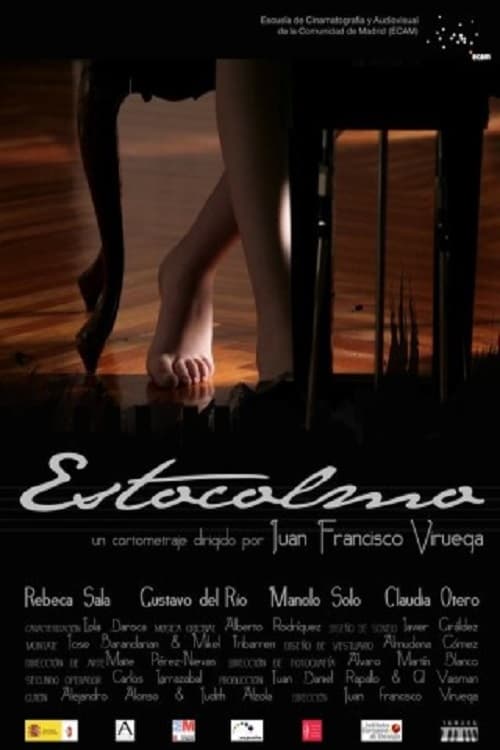
Adela has just settled in Madrid with her father, Claudio, a retired concert musician and a hermit. Both teach piano to small children in a quiet, sparsely-furnished flat in the centre of town.
No overview available.
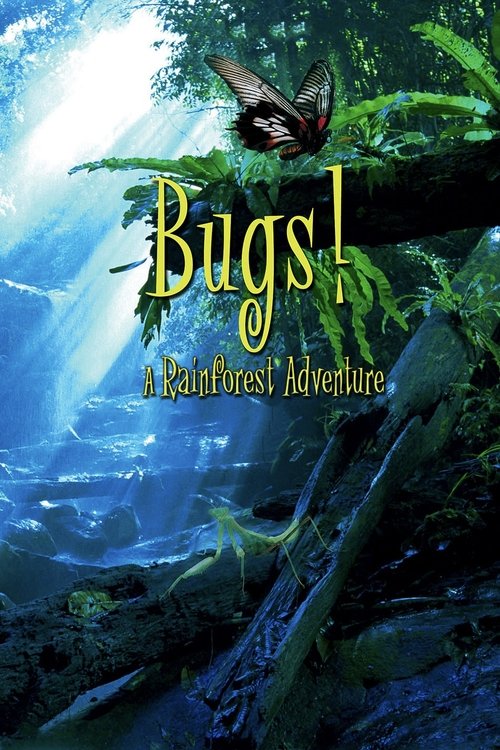
Explore the extraordinary hidden world of insects, where a leaf weighs more than a car, rain drops feel like exploding hand grenades and a blade of grass soars like a skyscraper. Shot on location in the Borneo rainforest, Bugs! brings the beautiful and dangerous universe of its tiny stars up close and personal with cutting-edge technology that magnifies them up to 250,000 times their normal size.
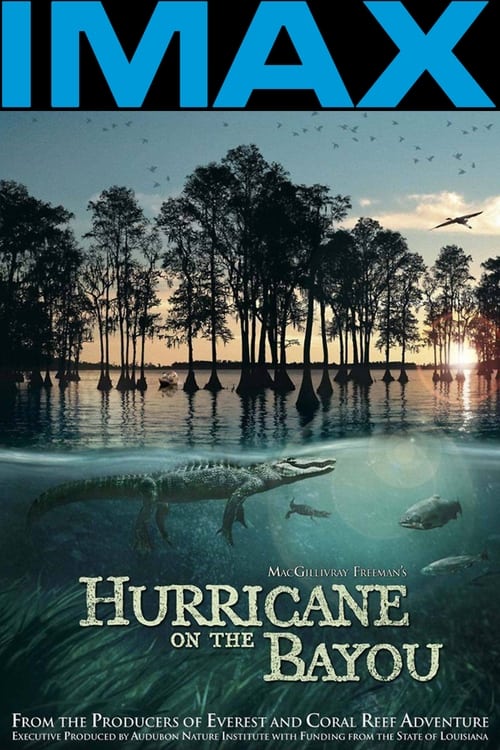
The film "Hurricane on the Bayou" is about the wetlands of Louisiana before and after Hurricane Katrina.
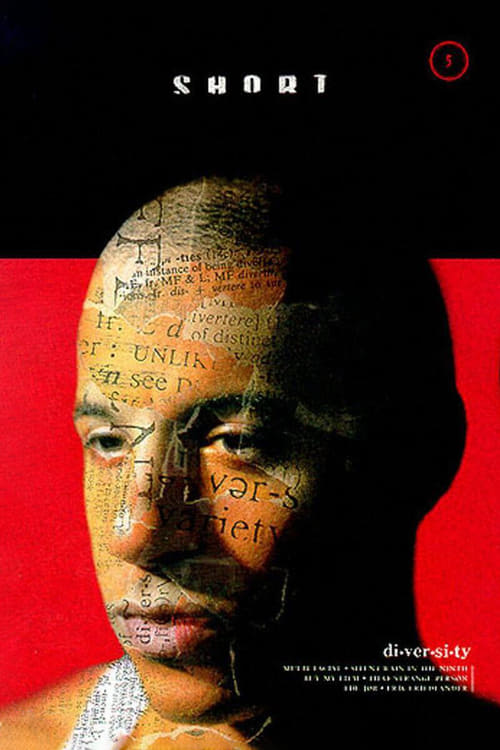
Through a series of auditions, a young actor in New York City struggles with his identity.
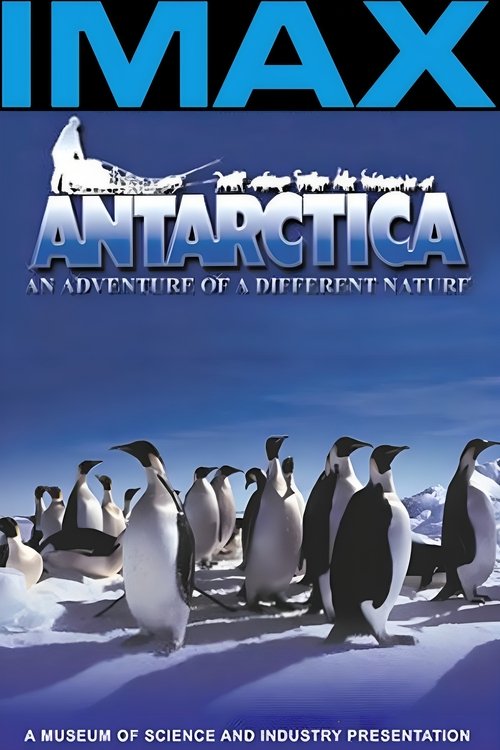
This large format film explores the last great wilderness on earth. It takes you to the coldest, driest, windiest continent, Antarctica. The film explores the life in Antarctica, both for the animals that live their and the scientist that work there.
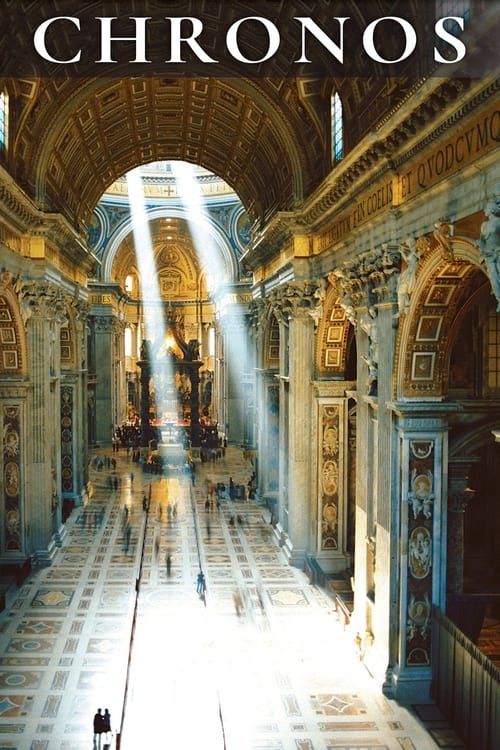
Carefully picked scenes of nature and civilization are viewed at high speed using time-lapse cinematography in an effort to demonstrate the history of various regions.
“Convalescing, when you don't have to participate in the world. Time to read, to dream, to look - the blue, the light of the television, the blue, the book, the patterns the light, the blue. Time to appreciate how much that really is.”
A rhythmical montage made from old photographs and films in which past and present merge.
Faces pass by in quickly edited, split-screen recordings. A 'structuralist' film in which the film material itself plays an important role. Grain, scratches and flickering give the film texture. The music is by Steve Reich.
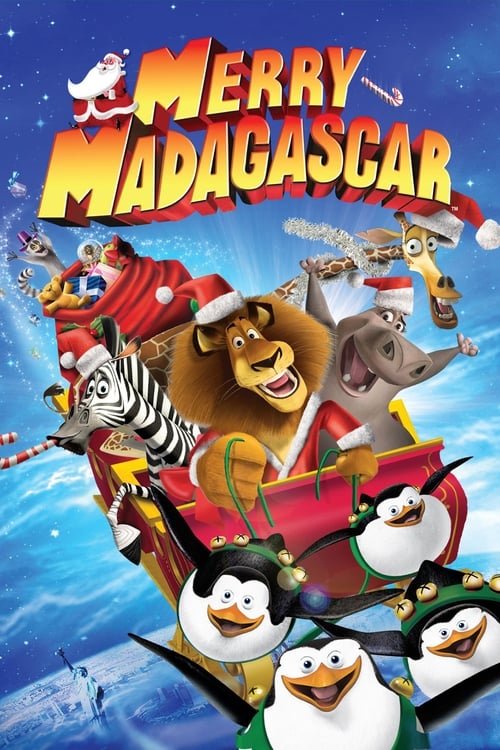
While trapped on the island of Madagascar, the Central Park Zoo escapees receive a visit from Santa--crash landing on their territory and getting amnesia to boot! The animals must help Santa assume his rightful place in the universe, while King Julian laps up the opportunity for his subjects.
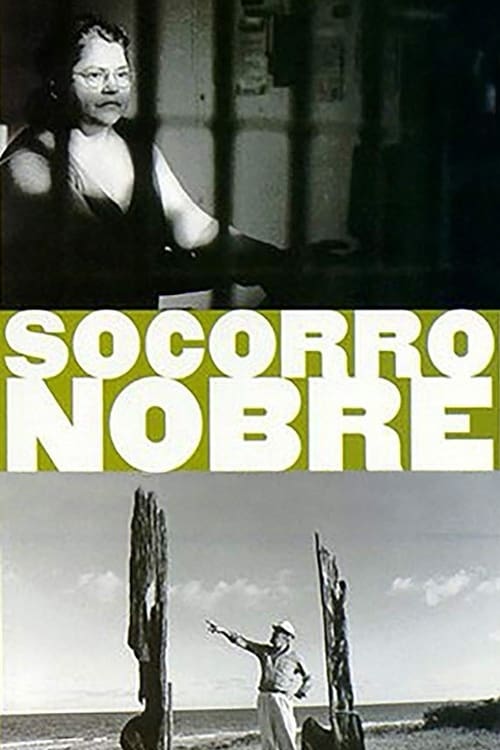
When the inmate Maria do Socorro Nobre reads an article about the Polish artist Franz Krajcberg in Veja magazine, she decides to write a letter to him. Socorro was sentenced to more than twenty-one years in a prison for women in Salvador, Bahia, while Franz is a tormented artist that lost his family and lived his childhood in a ghetto in Poland but survived the Holocaust. Franz moved to Brazil and recovered life wish living close to nature and inspires Socorro to dream with life again.
A young boy called Justen, who went through doleful past, discoveres a way to change his situation greatly.
Documentary about the leader of the fascist party in The Netherlands, from 1931 till 1945. This architect called Anton Mussert was shot in 1946 after having been convicted for high treason and aiding the enemy.
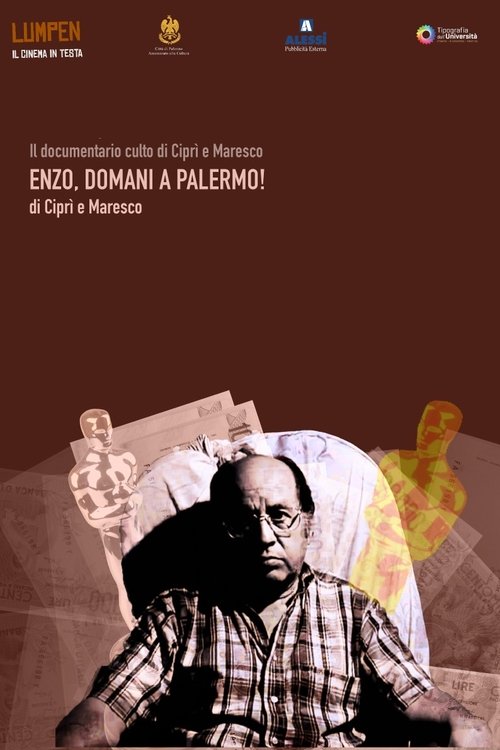
Ciprì and Maresco's delicious documentary portrays Sicilian super-agent Enzo Castagna, a man with some 20,000 extras on his books, who has worked with the likes of Loren, Pasolini, Rosi, Coppola and Cimino (indeed, virtually anyone who's ever chosen to film in Palermo). It's typically weird, witty and wonderful, partly due to its subject, a self-styled 'little big man' who consents to be described as 'almighty' and 'the greatest contributor to Italian cinema in the last 35 years'. The local favourite has also done time for bribery, but refuses to comment on Cosa Nostra. The film is as astonishing as its subject. Shot in luscious b/w, it's driven forward by an offscreen interrogator who alternates between ludicrously hyperbolic flattery and forthright questions about corruption and crime. It also serves as a study of the way ethics get abandoned in the unending pursuit of fame, wealth and self-esteem.
No Trailers found.