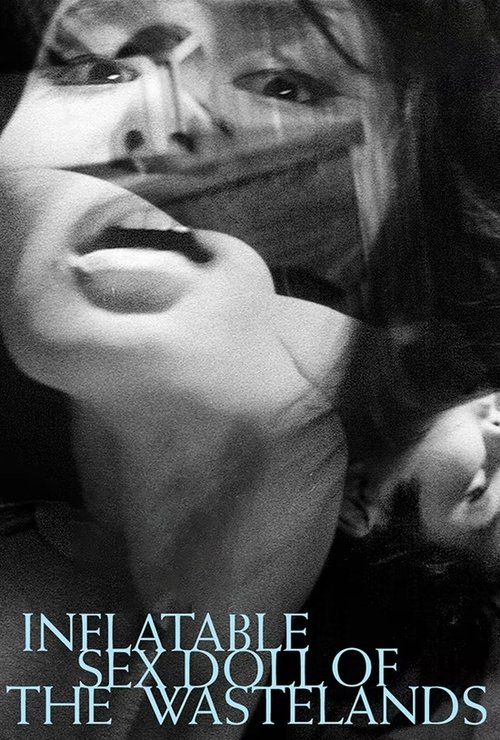
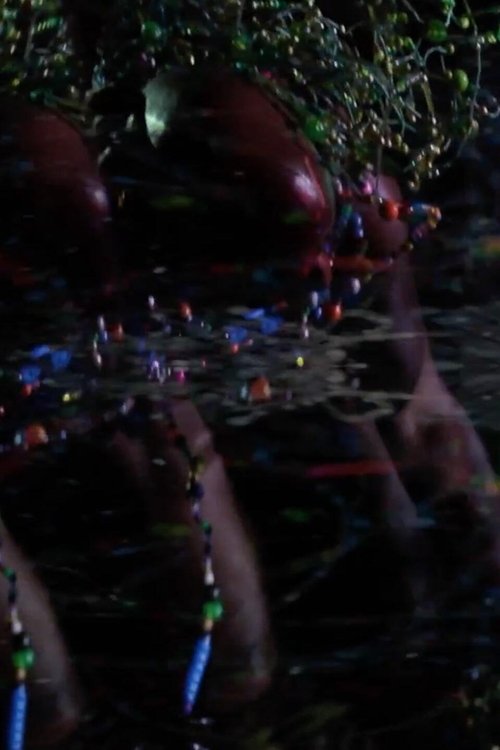
From the Maroon village of Malobi in Suriname, South America, this single-take film offers a strikingly contemporary take on a Jean Rouch classic. It’s Halloween at the Equator, Andrei Tarkovsky for the jungle set.
No Trailers found.
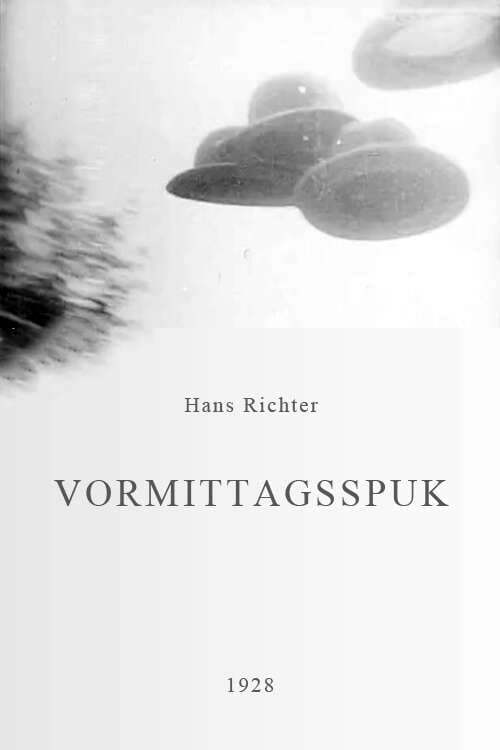
Hans Richter, noted for his abstract shorts, has everyday objects rebelling against their daily routine.
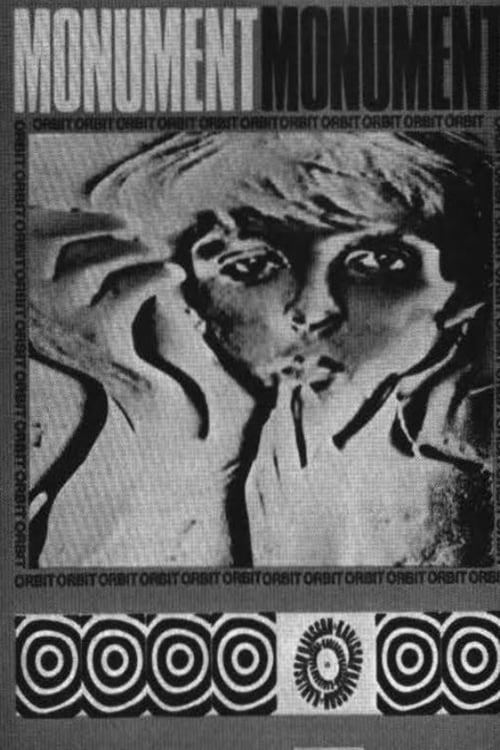
In the fall of 1967, intermedia artists Ture Sjölander and Lars Weck collaborated with Bengt Modin, video engineer of the Swedish Broadcasting Corporation in Stockholm, to produce an experimental program called Monument. It was broadcast in January, 1968, and subsequently has been seen throughout Europe, Asia, and the United States. Apart from the technical aspect of the project, their intention was to develop a widened consciousness of the communi - cative process inherent in visual images. They selected as source material the "monuments" of world culture— images of famous persons and paintings.
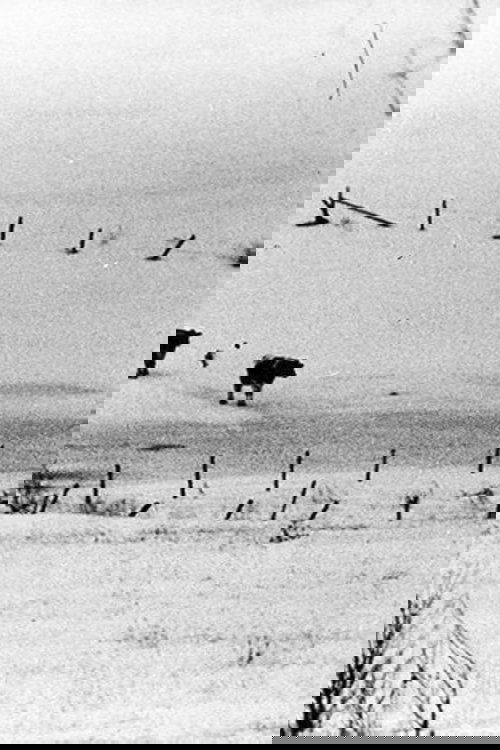
A serene winterscape glides, as in a dream, across the screen, from darkness to darkness...Vision shivers, hesitates ever so slightly to savor, to hold still, but inevitably everything passes. Far becomes near, near far. Shadows seed their counterparts in the depths of the viewer's heart.
The mutating forms of Tensai Banpaku, or “Genius Expo” create a stunning abstract orchestra.
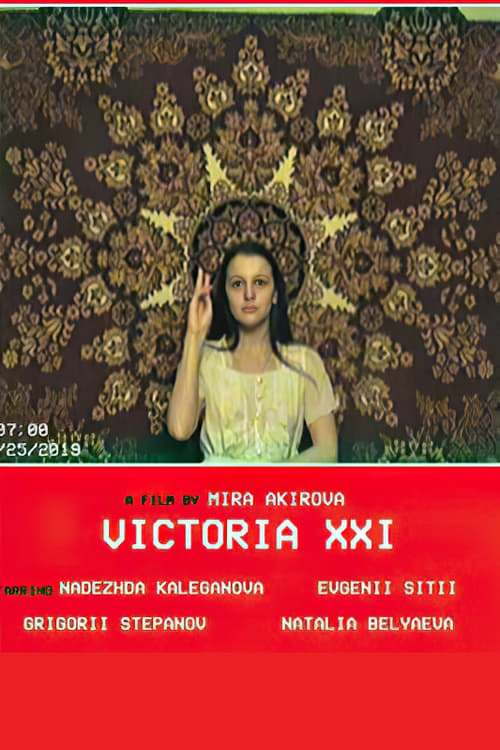
"This is a video for my generation. I'm Lucia Izmailova. And I can control time. See the future. I was eight years old when I dreamt of World War III. Even though my parents didn't believe me, I still love them very much. Their wedding anniversary is soon. And I'm preparing a surprise for them. Mom will cook a lot of tasty food. Dad, like always, will sing... And I will dance. They will see that I can..."
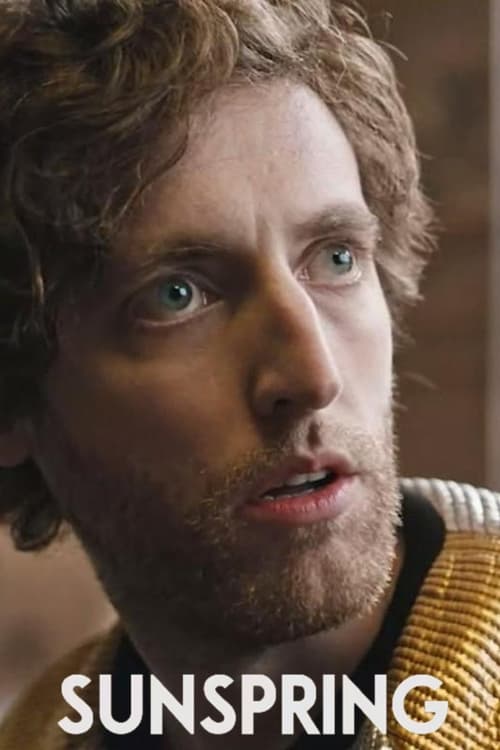
Sunspring is a short film about three people living in a weird future, possibly on a space station, probably in a love triangle. You know it's the future because H (played with neurotic gravity by Silicon Valley's Thomas Middleditch) is wearing a shiny gold jacket, H2 (Elisabeth Gray) is playing with computers, and C (Humphrey Ker) announces that he has to "go to the skull" before sticking his face into a bunch of green lights. It sounds like your typical sci-fi B-movie, complete with an incoherent plot. Except Sunspring isn't the product of Hollywood hacks—it was written entirely by an AI. To be specific, it was authored by a recurrent neural network called long short-term memory, or LSTM for short. At least, that's what we'd call it. The AI named itself Benjamin.
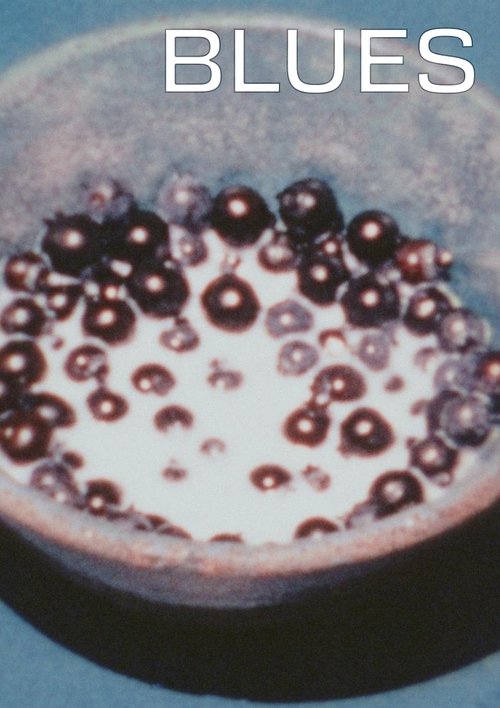
A bowl of blueberries in milk, changing light radiant on the berries and on the glazed bowl, the ever more radiant orb of milk transforming into glowing light itself, with a brief shadow coda answering the complex play of shadows. The regular pulses of light framing the looser rhythmus of the spoon, itself a frame. A charging of each of the frame's edges with its own particular energy. Within and without, whites and blues, lines and curves. The pulses of vision, the simple natural processes, lift the spirit.
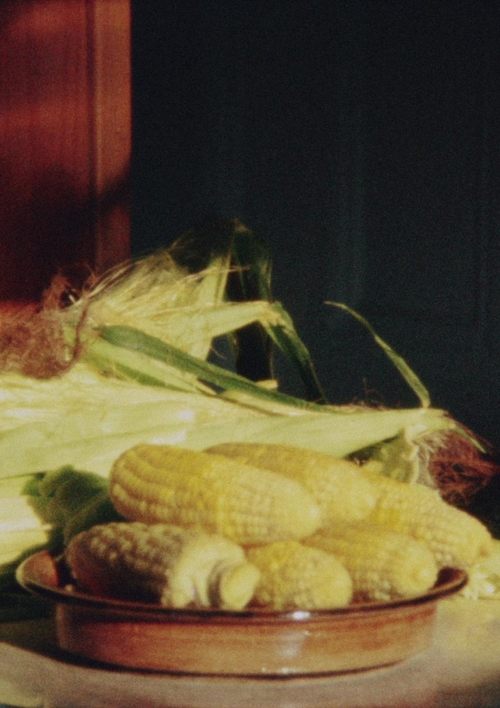
A fixed camera companion to FOG LINE. Bright green leaves stripped from ears of corn, and later, the vibrant yellow ears placed steaming in the waiting bowl. Each of these actions inaugurates a period in which one contemplates an image whose steady transformation is barely perceptible–the delicate slow movement of light and shadow, the evolution of subtle steam into the film grain. A meditation on the fragile moments of corn's passage from living sun-nourished plant to food to light image. The mind attempts to grasp duration itself, to distinguish its own creating from its perceiving, but distictions blur in the wholeness of times's and consciousness' flow.
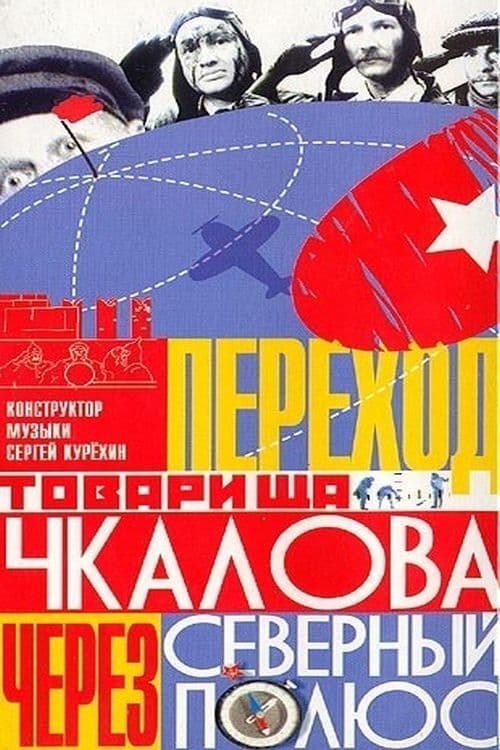
A satiric comedy which dissects the iconography of the 'Soviet Hero'. Original footage of a propaganda film from 1941 is the starting point for this parody of the ideological cliches of Soviet cinema. It follows the story of a Russian crew across the North Pole.
A wealthy real estate investor is forced to watch the rape of his girlfriend and then is sent a film showing the fact. He hires a hitman, Sho, and shows him the film, so that the detective can get rid of the criminals. But the boss of the criminal band is Ko, Sho's archnemesis, who raped and murdered his girlfriend.
Antony Balch tackles key themes and ideas from the writing of William S. Burroughs in a unique, cinematic style.
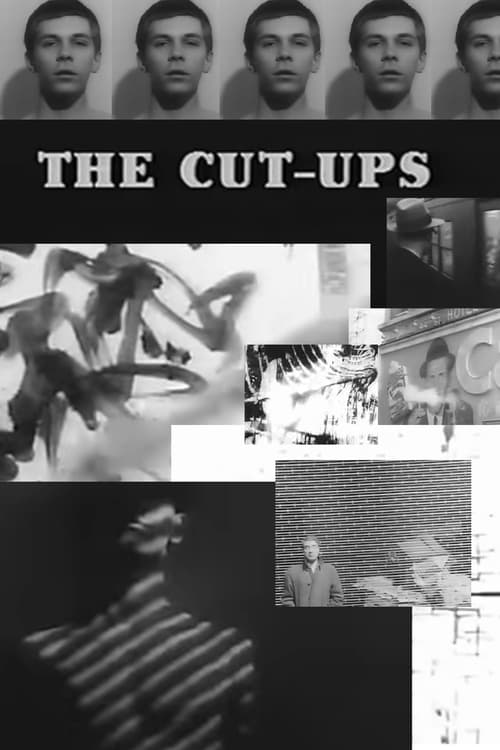
Essentially a dizzying montage of quirky shots of legendary Beat Generation writer William S. Burroughs and noted surrealist artist Brion Gysin, this nearly 20 minute avant-garde short features repeated articulations of such random things as "Hello," "Where are we now?," and "Look at that picture" instead of music or standard dialogue. The narrative is decidedly nonlinear and perplexing, with no discernible plot whatsoever as we see images of Gysin working on his paintings and calligraphic designs and Burroughs rummaging through draws, packing a suitcase, giving a young man a physical, making a call in a phone booth, and waiting on a platform for a subway train.
An experimental film of the group Throbbing Gristle in concert.
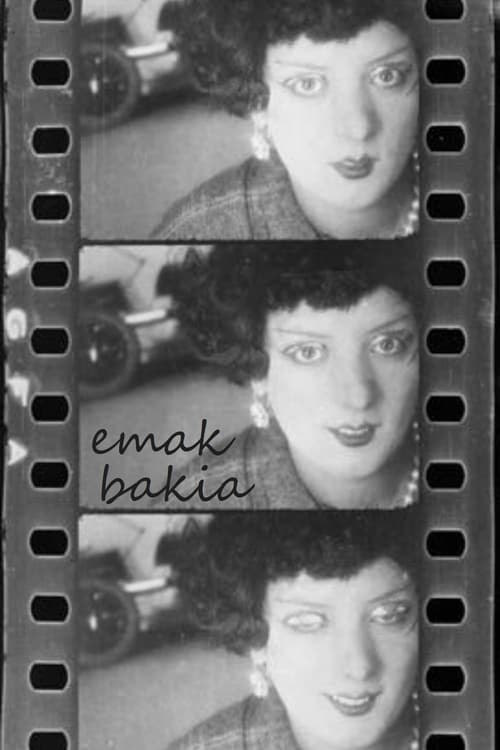
Emak-Bakia (Basque for Leave me alone) is a 1926 film directed by Man Ray. Subtitled as a cinépoéme, it features many techniques Man Ray used in his still photography (for which he is better known), including Rayographs, double exposure, soft focus and ambiguous features. The film features sculptures by Pablo Picasso, and some of Man Ray's mathematical objects both still and animated using a stop motion technique.
A collage of Derek Jarman's super 8 footage spanning over 20 years.
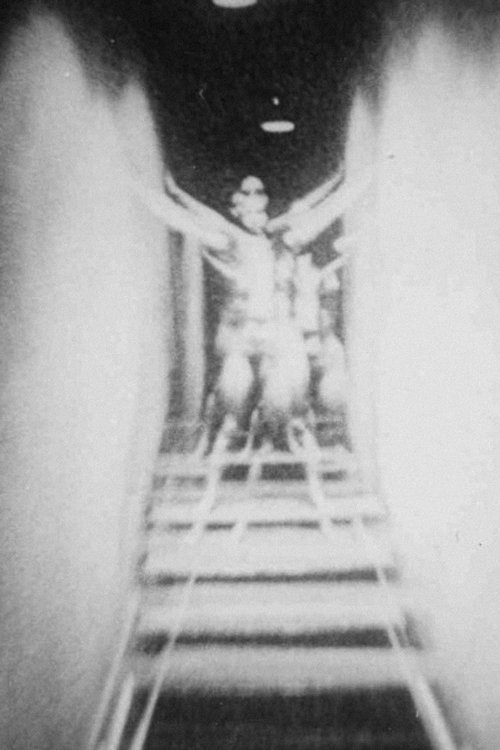
An unknown observer is seen traveling through a bleak corridor. At the end of the corridor they see a naked woman, whom they are unable to reach as their trip seems to become increasingly twisted and looped.
A boy who finished school and spends time at home, between routine and sleep, during the COVID-19 pandemic.
"3D Video SBS (side by side) format. For viewing on 3D monitor or television" -Le Grice
A collectively made filmic opera in 35 parts. The Black and predominantly queer art collective, an evolving line up of poets and artists from across the world, abstracts and reimagines opera in any traditional conception. Set to hip-hop, blues, noise, R&B and electronica, the piece uses the voice (chanting, singing, screaming; written by poet and activist Dawn Lundy Martin) as its primary tool, verbalising centuries of alienation, vulnerability and protest in the global African diaspora through its disruptive libretto.
Inspired by the dominant motif of the novel by the great Austrian writer Adalbert Stifter, "L’Arrière-saison" is a diptych about roses.
No Cast found.