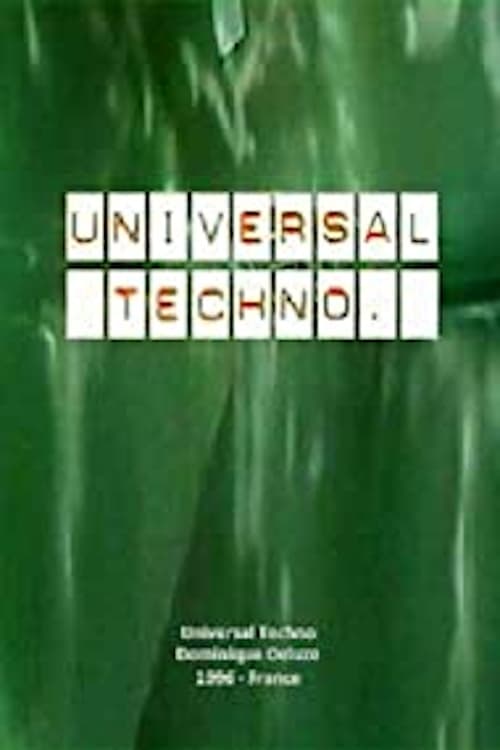
This French-produced 1996 documentary is an hour-long piece covering the history of techno music from Detroit to Berlin Sheffield.
The history of trance music between Goa and Tel Aviv. During their annual leave, young active duty Israeli soldiers discover the path to a new techno music genre: Goa trance is born.
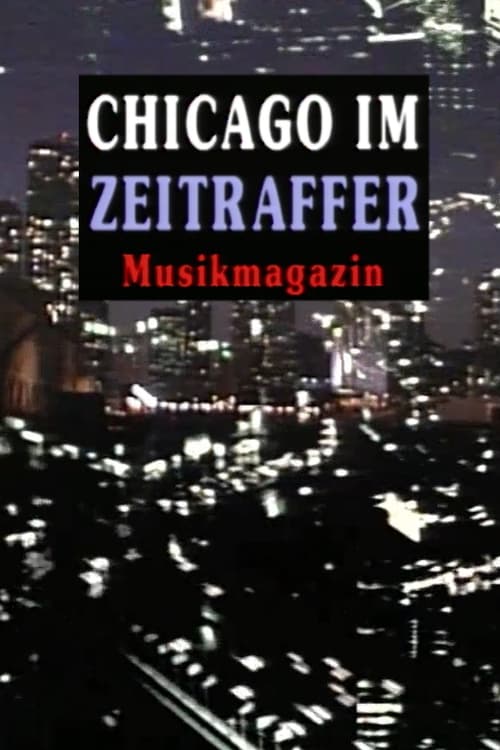
"At the beginning of the 19th century there is no Chicago. There was a fort that was set on fire by Indians shortly thereafter. Later, the turbulent expansion of a settlement began, which became a center for the immigrant workforce, traditional industry, slaughterhouses, and, in 1941, armaments for war. The Windy City on Lake Michigan is the fastest changing city in the world. This 35mm Arriflex film time-lapse footage is annotated with classic techno cuts and information about the tunnels under Chicago, the slaughterhouses, organized crime, Sears & Roebuck catalogs and other peculiarities of this strange city."
When Adam's job is threatened, he seeks distraction at a rave.
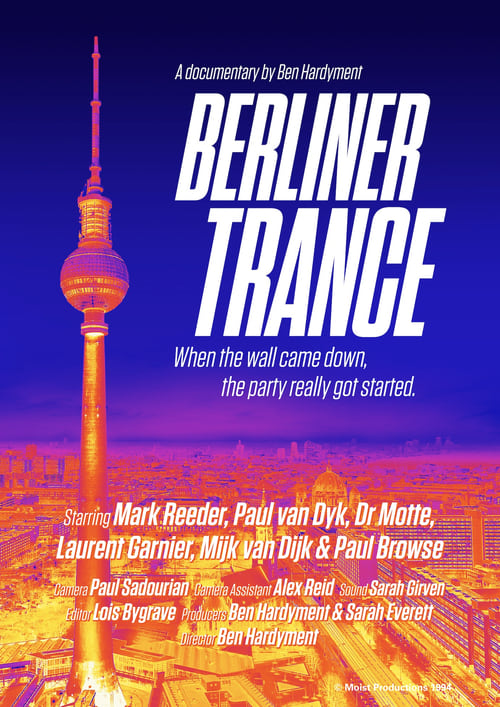
This lost classic, shot on 16mm in a wintry Berlin in 1993, explores the origins of the German trance scene. Featuring interviews with fresh-faced selectors including Laurent Garnier and MFS Records founder Mark Reeder, the documentary also feature footage from the city's iconic Love Parades in 1991 and 1993.
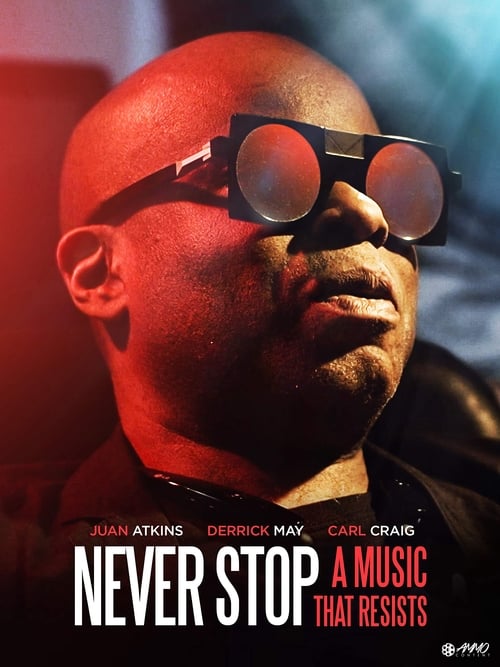
Featuring the pioneers of techno music Juan Atkins, Derrick May, Carl Craig, and Jeff Mills, Never Stop takes us into the fascinating universe of techno labels in Detroit. This film highlights the deep roots of the creation, more than thirty years ago, by each of the African-American pioneers of techno music, of their own record labels.
No overview available.
In an apartment, a party is in full swing. Sitting on a sofa, Perez is hypnotized by a group of four girls facing him.
It's been five years since techno overlord Sven Väth ascended the shores of party mecca Ibiza on a mission to conquer the small island. As an alternative to the oversaturation of house and trance that were the staples of island-goers' diets, Väth quietly built up a following during the party season with his Cocoon nights at the Amnesia club. This DVD features Sven Vath mixing live at Amnesia.
The super suave master of ceremonies himself SVEN VATH lays down some serious thump through old school vinyl and technics at Cocoon during the Amsterdam Dance Event . Soon after taking control he proceeds to smash the place to bits.
A documentary that explores the challenges that a life in music can bring.
The Metalheadz Documentary is an intimate and immediate account of a Drum & Bass label poised for world domination. DJs and producers talk openly of the artistic freedom they enjoy, how the label has evolved to represent such a diverse musical scene and why moving forward and pushing the boundaries is so vital. These names have created a global phenomenon and here talk for the first time of how it was achieved, where it's at and what the future holds.
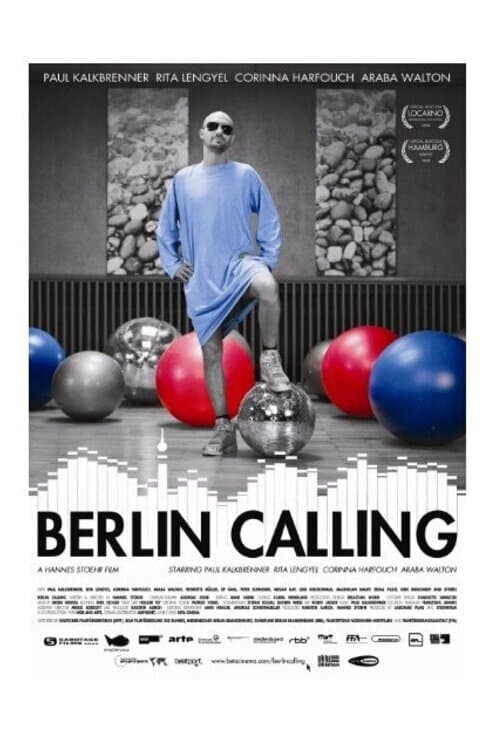
A man tours clubs around the globe with his manager and girlfriend. On the eve of their largest album release he is admitted to a psychiatric clinic after overdosing at a gig.
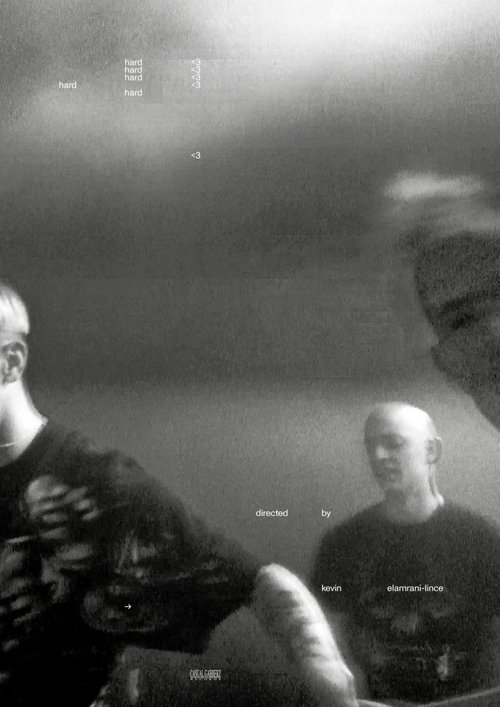
Since 2013, the Casual Gabberz collective has been storming dancefloors and the stages of the biggest festivals with its gabber surge, that hardcore techno sound born in Holland in the 90s. Until a virus causes the planet to go haywire. And triggered an existential crisis within the collective.
Booka Shade cap off their 150-show world tour with a live concert DVD. Movements – The Tour Edition is out early next month. The CD/DVD package includes a CD version of Booka Shade’s 2006 album ’Movements’ alongside a DVD titled We Came To Dance, the centrepiece of which is a live concert filmed at Belgium’s Pukkelpop Festival on August 18th, 2007. The show features the usual Booka hits ‘Body Language’, ‘Mandarine Girl’ and ‘In White Rooms’ as well as two previously unreleased tracks, ‘We Came To Dance’ and ‘Monkey On My Deck’. DVD - We Came to Dance: Live at Pukkelpop 01. We Came to Dance 02. Night Falls 03. Trespass 06 04. Oh Superman 05. Karma Car 06. Unhealthy Pleasures 07. Monkey on My Deck 08. In White Rooms 09. Darko 10. Mandarine Girl 11. Blue Rooms 12. Body Language
In a mockumentary style reality show, we follow X-Coast aka Bojan Cizmic going over the world and marketing his X-Coast Deejay Academy. On his travels he meets various known alumni from the techno scene. But when trouble starts, return to homeland is the best solution.
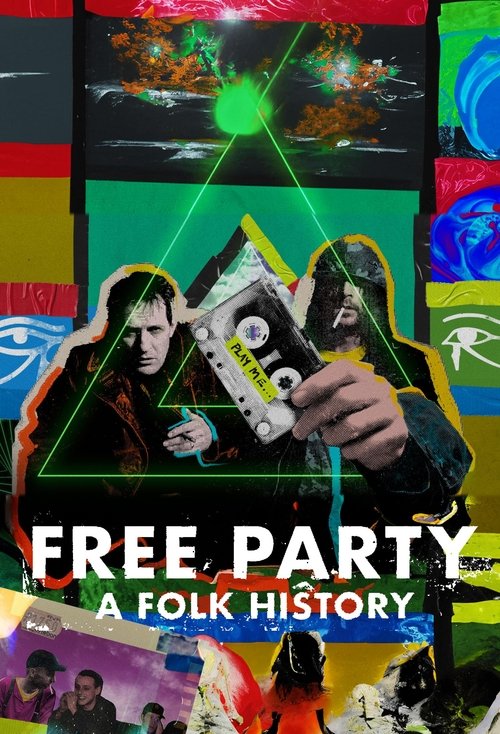
The film follows the inception of the movement, a meeting between ravers and the new age travellers during Thatcher's last days in power, and the explosive years that followed, leading up the infamous Castlemorton free festival in 1992 - the largest ever illegal rave, which provoked the drastic change of the laws of trespass with the notorious introduction of the Criminal Justice Act in 1994.
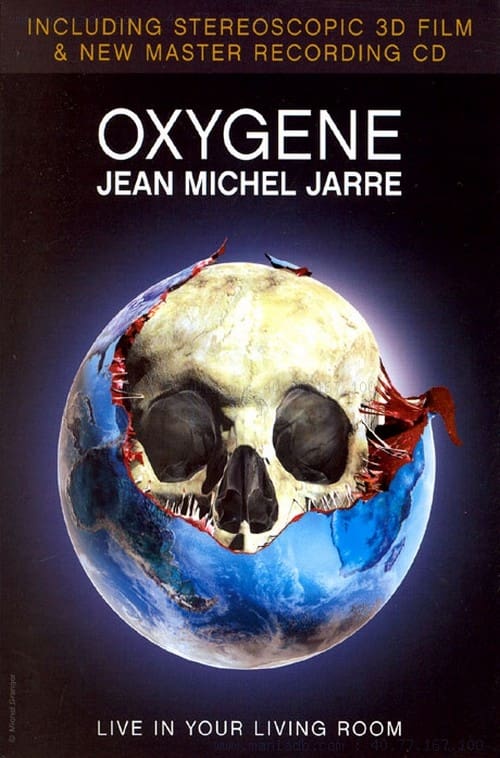
As part of the Oxygene 30th Anniversary Tour, Jean Michel Jarre performed 10 Oxygene concerts in Paris, from December 12 to December 26, 2007. The concerts took place at the Théâtre Marigny, a small, 1000 seats theater located in the Champs-Élysées.
The concept for the film was developed based on sociological research conducted as part of the Youth Subcultures conference in collaboration with the Institute of Sociology of the Slovak Academy of Sciences. The film’s core value lies in its ability to provide an inside look at selected subcultures, achieving an exceptional level of engagement with their members. The filmmakers managed to break through the participants' initial reluctance to openly discuss their experiences. The documentary directly addresses key aspects of these subcultures, including drugs, faith, and personal beliefs. It focuses on six specific groups: the techno scene, graffiti artists, antifascists, religiously oriented youth, skinheads, and young people inspired by Eastern spirituality. The film includes footage from illegal rave parties, graffiti sessions, and other underground activities. Overall, the documentary serves as an insightful map of Bratislava’s contemporary alternative scene.
No Trailers found.