Florence is a contemplative study of light and shadows, textures and planes, that makes beautiful use of the tonal qualities of black and white film. (mubi.com)
No Trailers found.
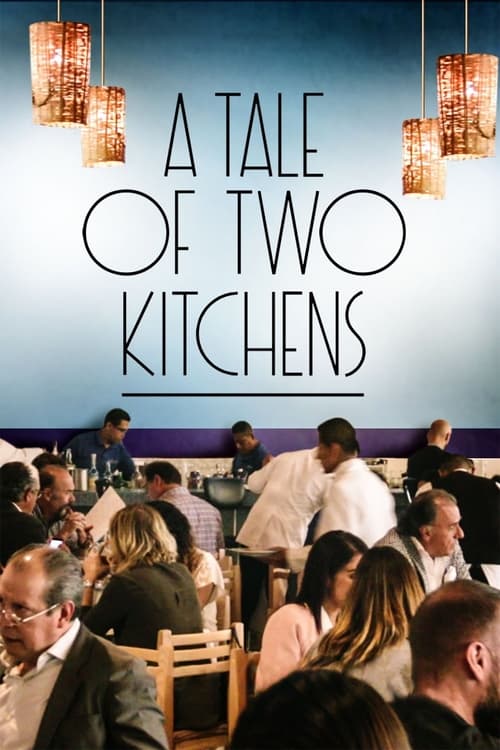
Two countries, two restaurants, one vision. At Gabriela Cámara's acclaimed Contramar in Mexico City, the welcoming, uniformed waiters are as beloved by diners as the menu featuring fresh, local seafood caught within 24 hours. The entire staff sees themselves as part of an extended family. Meanwhile at Cala in San Francisco, Cámara hires staff from different backgrounds and cultures, including ex-felons and ex-addicts, who view the work as an important opportunity to grow as individuals. A Tale of Two Kitchens explores the ways in which a restaurant can serve as a place of both dignity and community.
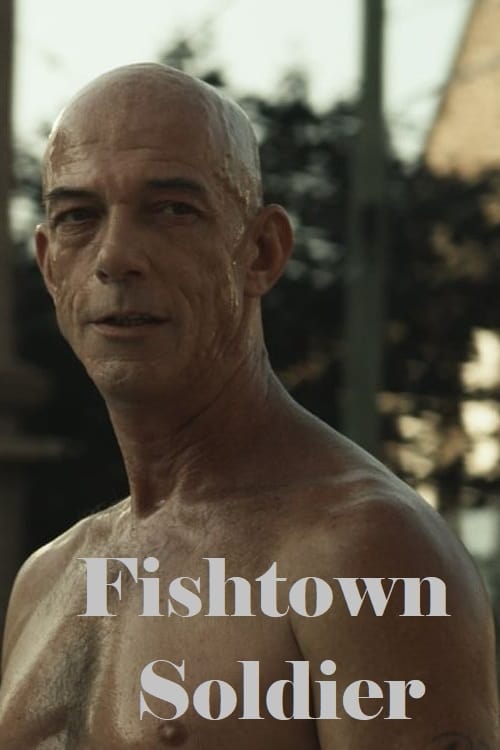
In the heart of the rapidly gentrifying Fishtown neighborhood of Philadelphia three streets meet to form a bustling intersection of born-and-raised locals and dilettante millennials. Dennis Bowers falls in the former camp. He grew up playing handball on that intersection and although he can no longer afford to live there, he still comes back every week to play on the same wall at age 50 that he did at age 12. Even if he doesn’t live in the neighborhood, it’ll always be his corner.
Short documentary on the wool industry.
Short documentary about the Belgian leather industry.
Everyone has heard about bee declines, but with so much attention focused on domesticated honeybees, someone has to speak up for the 4,000 species of native bees in North America. Natural history photographer Clay Bolt is on a multi-year quest to tell the stories of our native bees, and one elusive species – the Rusty-patched Bumble Bee – has become his white whale. Traveling from state to state in search of the Rusty-patched, he meets the scientists and conservationists working tirelessly to preserve it. Clay’s journey finally brings him to Wisconsin, where he comes face to face with his quarry and discovers an answer to the question that has been nagging him: why save a species?
A story about friendship, independence and the making of a record. Silversun Pickups deconstruct the making of their latest record “Better Nature” while starting their own record label.
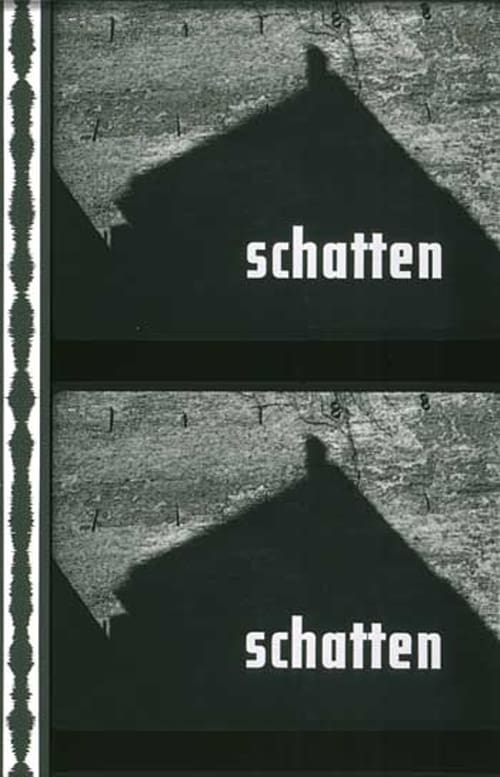
Hansjürgen Pohland's short documentary is an audiovisual study that captures events and people on the streets on film. The special feature of the work is that the people and objects are portrayed exclusively through their shadows.
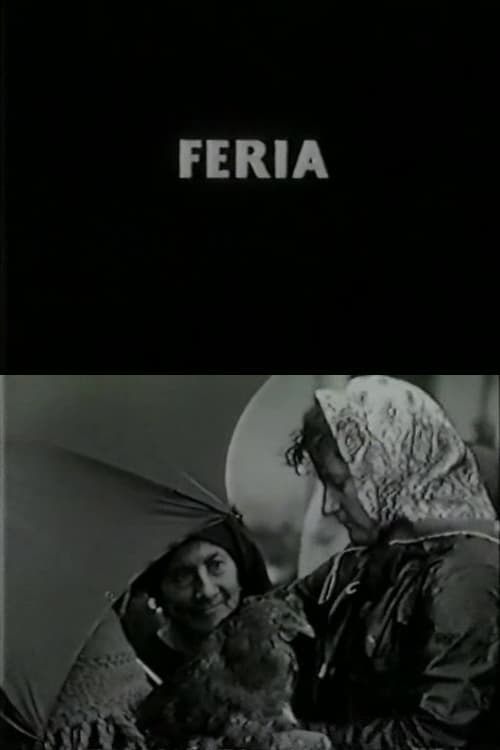
A Sunday fair with hunger in the air, in a lost Galician village under the black umbrellas of a pitiless rain...
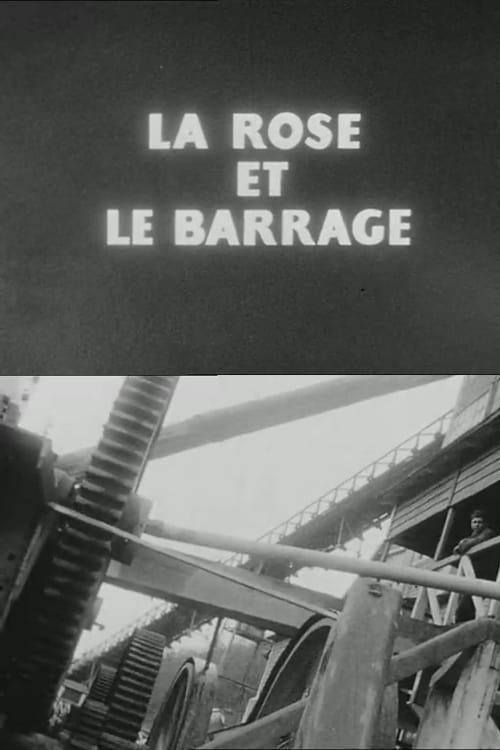
A parallel montage of the construction of a dam in Galicia and the architecture of a small Roman-style church.
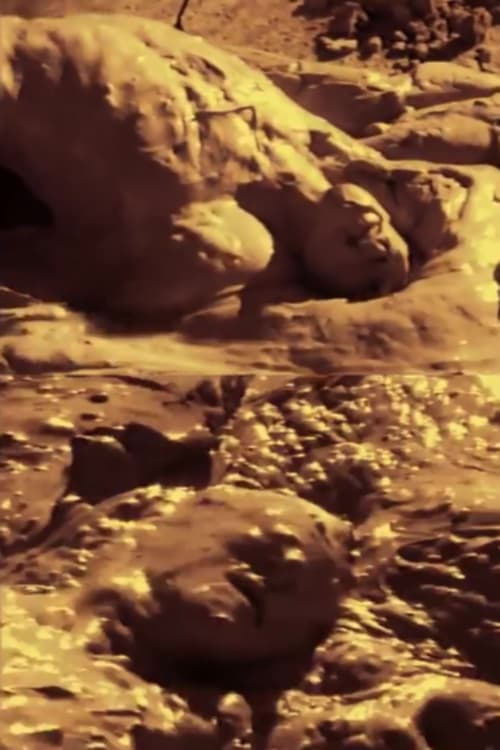
A sculptor carves and transforms himself.
At the microphone with Max Ferguson, radio satirist, as he creates his weekday-morning program. Filmed inside his CBC broadcasting booth, this film watches and records as Max ad-libs his way through zany interpretations of news events. His only script is the morning paper and with it he tilts at humbug with a flair that has made him a national figure.
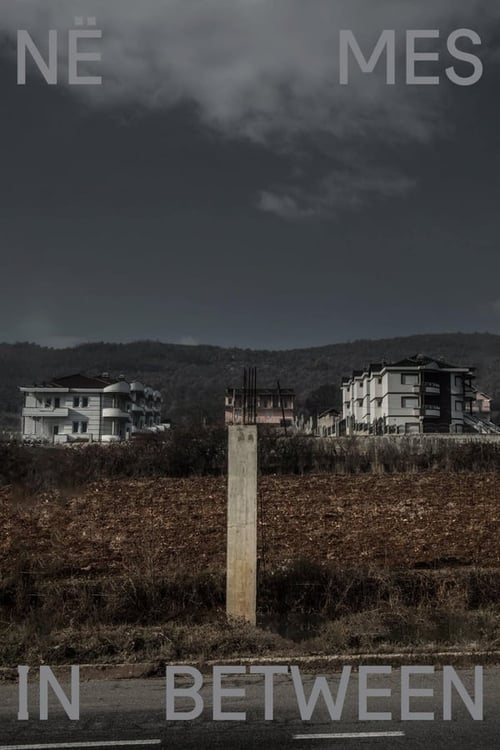
In rural Kosovo, identical houses are built for family members working abroad, in the hope that they will one day return to settle in their old homeland.
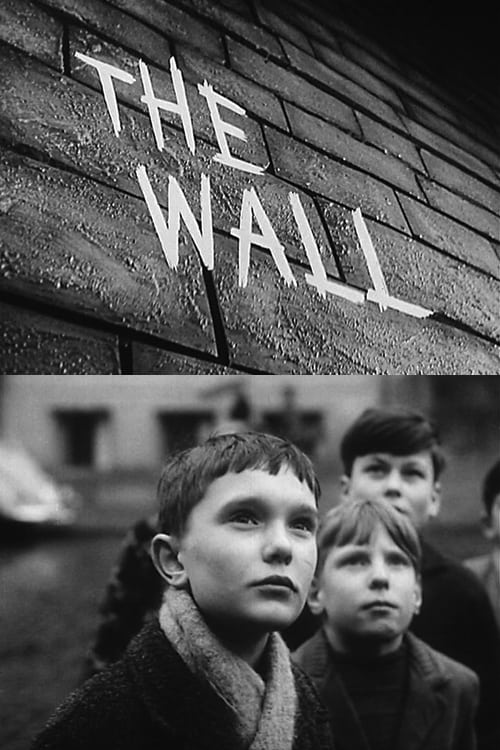
Like the best USIA films, The Wall distills political events into an emotionally clear and compelling ideological "story". In 1962 Walter de Hoog gathered footage from U.S. and German newsreel sources and crafted this taut short film about the first year of the Berlin Wall. Straightforward, keenly balanced narration portrays Berliners as "accepting the wall but never resigned to it". The extraordinary footage of the first escapes was propaganda enough-- His challenge was to make the politics human.
This project uses mixed reality convergence through which users can participate in some of the digital existing archive of Lynn Hershman Leeson, now housed in the Special Collections Library at Stanford University. Created in 2006, this project is one of the first artist archive projects in Second Life and has been exhibited at the Museum of Contemporary Art Montreal, ISEA and San Francisco Museum of Modern Art.
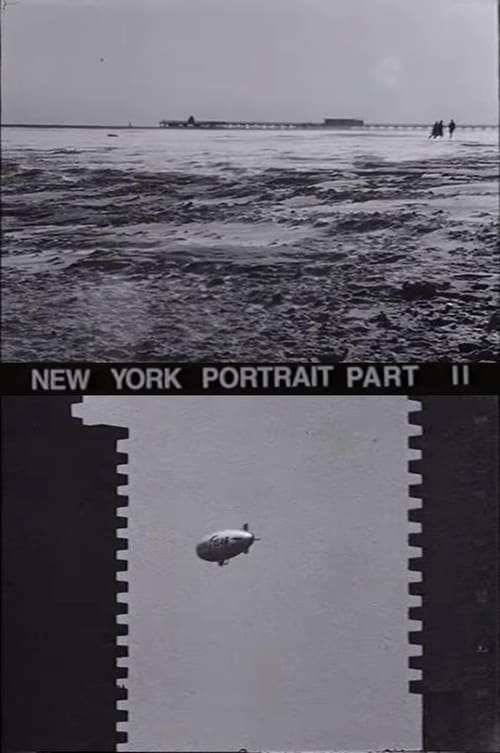
Chapter Two represents a continuation of daily observations from the environment of Manhattan compiled over a period from 1980-1981. This is the second part of an extended life's portrait of New York.
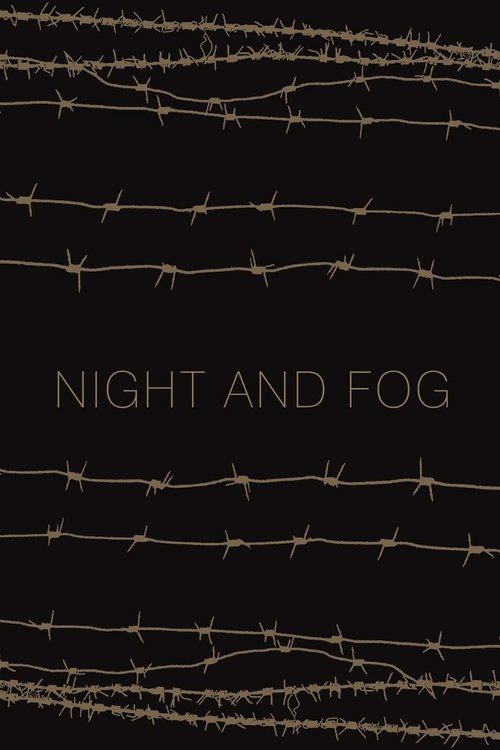
Filmmaker Alain Resnais documents the atrocities behind the walls of Hitler's concentration camps.
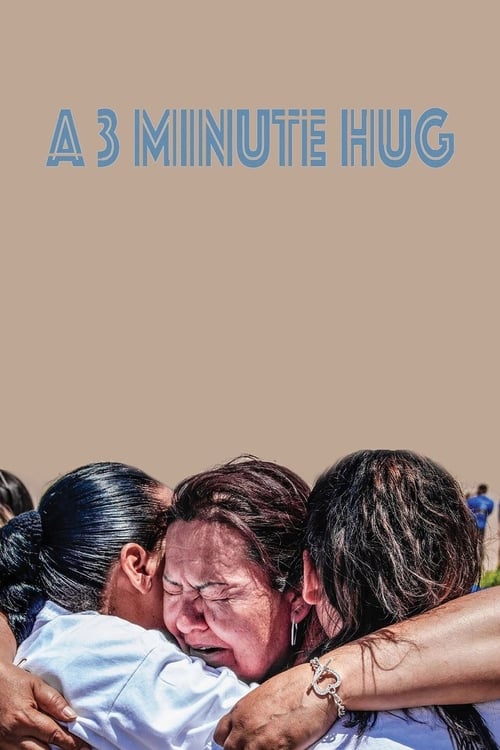
As daylight breaks between the border cities of El Paso, Texas, and Juarez, Mexico, undocumented migrants and their relatives, divided by a wall, prepare to participate in an activist event. For three minutes, they’ll embrace in no man’s land for the briefest and sweetest of reunions.
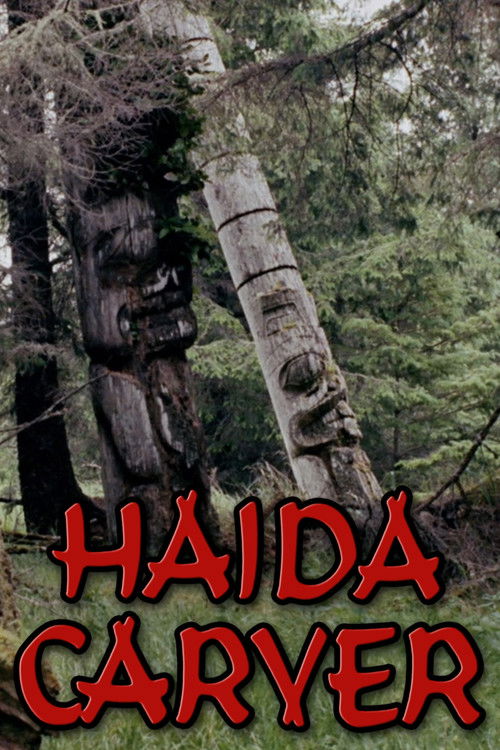
On Canada's Pacific coast this film finds a young Haida artist, Robert Davidson, shaping miniature totems from argillite, a jet-like stone. The film follows the artist to the island where he finds the stone, and then shows how he carves it in the manner of his grandfather, who taught him the craft.
The film sheds light on the topic of the high divorce rate among young people in the form of journalistic statements and scenes as well as analytically reflected statements and statements of experience by sociologist Dr. Ursula Hempel, divorced and single mother of two adolescent children, and her cousin, a puppeteer who is also divorced.
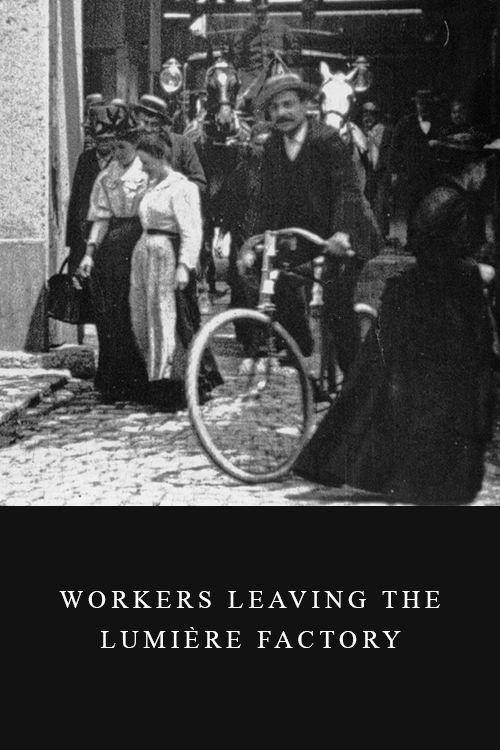
Working men and women leave through the main gate of the Lumière factory in Lyon, France. Filmed on 22 March 1895, it is often referred to as the first real motion picture ever made, although Louis Le Prince's 1888 Roundhay Garden Scene pre-dated it by seven years. Three separate versions of this film exist, which differ from one another in numerous ways. The first version features a carriage drawn by one horse, while in the second version the carriage is drawn by two horses, and there is no carriage at all in the third version. The clothing style is also different between the three versions, demonstrating the different seasons in which each was filmed. This film was made in the 35 mm format with an aspect ratio of 1.33:1, and at a speed of 16 frames per second. At that rate, the 17 meters of film length provided a duration of 46 seconds, holding a total of 800 frames.
No Cast found.