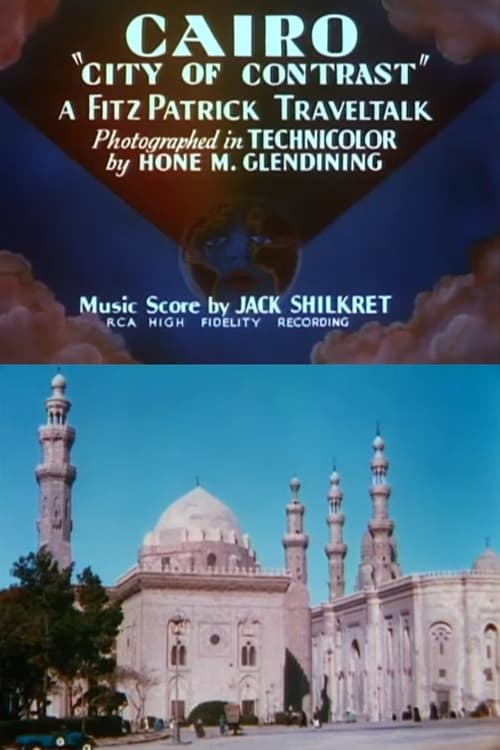
This Traveltalk series short takes a look at Cairo's landmarks, people, and culture.
Narrator (voice)
No Trailers found.
Bruce Brown's The Endless Summer is one of the first and most influential surf movies of all time. The film documents American surfers Mike Hynson and Robert August as they travel the world during California’s winter (which, back in 1965 was off-season for surfing) in search of the perfect wave and ultimately, an endless summer.
As part of a high-tech forensic probe into the demise of Egyptian Pharaoh Tutankhamun, scientists use X-rays and CT scans as they attempt to reach a conclusion about just how this famed king died. In addition, they explore the mysterious curse on explorers linked to Tut's tomb excavation.
Sports enthusiast Ernest is to cover 6,000 kilometers on his motorcycle in 15 days, crossing Austria, Italy, Switzerland, the Balkans and Czechoslovakia.
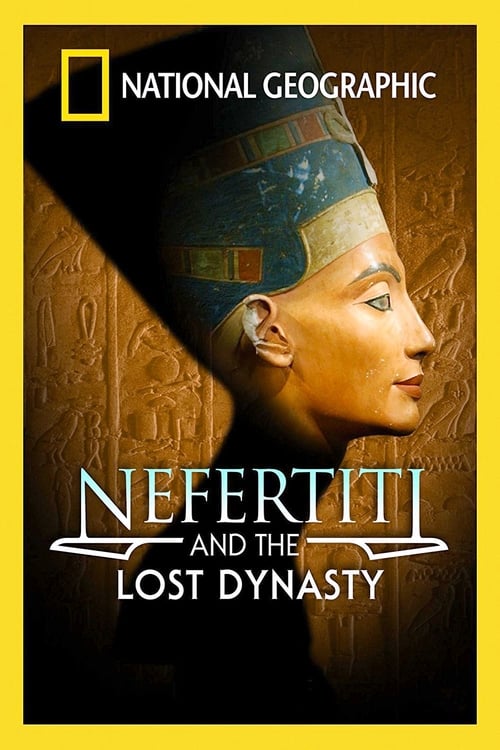
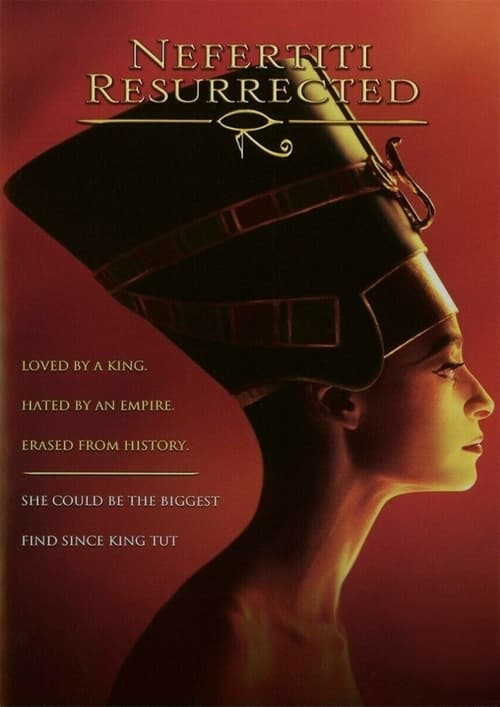
It is one of Egypt's enduring mysteries. What happened to Nefertiti and her husband, Akhenaten - the radical king, and likely father of King Tut? In a dark and mysterious tomb located in the Valley of the Kings, there is a small chamber with two mummies without sarcophagi or wrappings. At times, both have been identified as Queen Nefertiti by scholars, filmmakers and historians. But the evidence has been circumstantial at best.
To popularize the idea of automobile travel, Ford Motor Company produced Ford Educational Weekly, a film magazine distributed free to theaters. One 1916 series featured "Visits to American Cities." In this episode, Los Angeles is featured at the very beginning of the boom created by oil, movies and aircraft. On the occasion of its centennial in 1953, Ford donated its film to the National Archives and Records Service; this copy derives from a fine grain master printed from the Archive's preservation negative. Music by Frederick Hodges.
Has the famed Egyptian beauty, Queen Nefertiti, been found in a secret chamber deep in the Valley of the Kings? A Discovery Channel Quest expedition led by Dr. Joann Fletcher and a team of internationally renowned scientists from the University of York Mummy Research Team hopes to find out. If they find her, it will be one of the greatest archaeological discoveries since Nefertiti's stepson, King Tutankhamen, was discovered in 1922. The "Great Royal Wife" of the renegade Akhenaten, Nefertiti was a mother of six who helped lead a religious revolution that changed Egypt and the world forever. Yet after her death, her enemies destroyed all evidence of her life. Now, drawing on 13 years of research, Fletcher and her team bring Nefertiti's turbulent reign to life like never before with cutting-edge computer animations to recreate ancient Egypt's great temples, x-rays to reveal the telltale signs of foul play on her mummy, and forensic graphics to recreate the mummy's face.
This short film was made by filmmaker (later archivist) Liam Ó Laoghaire (aka Liam O’Leary) and was commissioned by the Cultural Relations Committee of the Irish Department of External Affairs. The film was designed to promote the city of Dublin to its inhabitants and to potential visitors from abroad. Brendan J. Stafford’s crisp black and white cinematography serves the city’s elegant architecture well while the narrator tells of the city’s cultural, literary and architectural history and its many venerable inhabitants. The elegant Georgian squares, the bustling markets, the tranquil parks and the sparkling nightlife present a city that is vibrant, cultured and steeped in history.
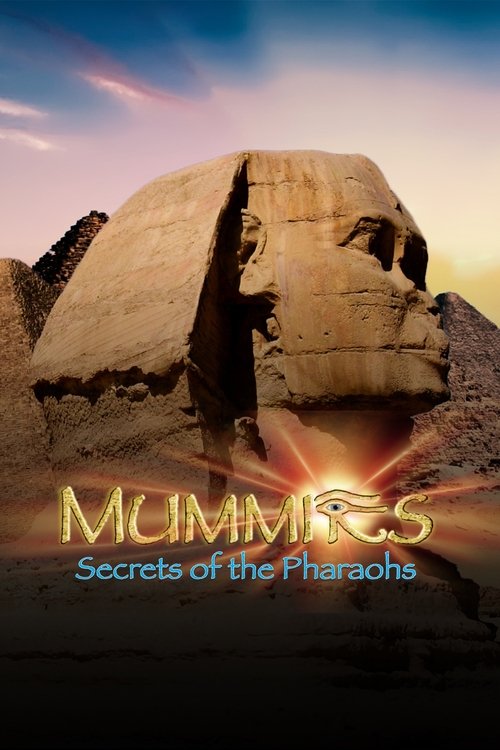
The grail is not the gold, nor the books of ancient wisdom, but the 3,000 year old DNA of the mummies, which may lead to a cure for malaria.
An exploration of Rodez Cathedral and its stained glass windows: praying figures and scientific imagery. A study on color, repetition and flickering consisting of 292 photographs.
No overview available.
Egypt's Great Pyramid may be humanity's greatest achievement: a skyscraper of stone built without computers or complex machinery. This super-sized tomb has fascinated historians and archaeologists for centuries, but exactly how the ancient Egyptians finished the monument and fitted its two and a half million blocks in a quarter of a century has long remained an enigma. Today the secrets of the pyramid are finally being revealed thanks to a series of new findings. At the foot of the monument, archaeologists are uncovering the last surviving relic of the pharaoh Khufu, whose tomb it is: a huge ceremonial boat buried in flat-pack form for more than 4500 years. It's a clue that points to the important role that ships and water could have played in the pyramids' construction. This documentary follows investigations that reveal how strong the link between pyramids and boats is. It's a story of more than how Egypt built a pyramid: it's about how the pyramid helped build the modern world.
This documentary visits the towns and villages of the Alsace region of France at Christmastime. See the charmingly decorated storybook towns and learn of the unique holiday traditions and celebrations. The Alsatian landscape is covered with medieval towns, castle ruins and vineyards, and the communities of the region create a season of enchantment in their celebration of Christmas.
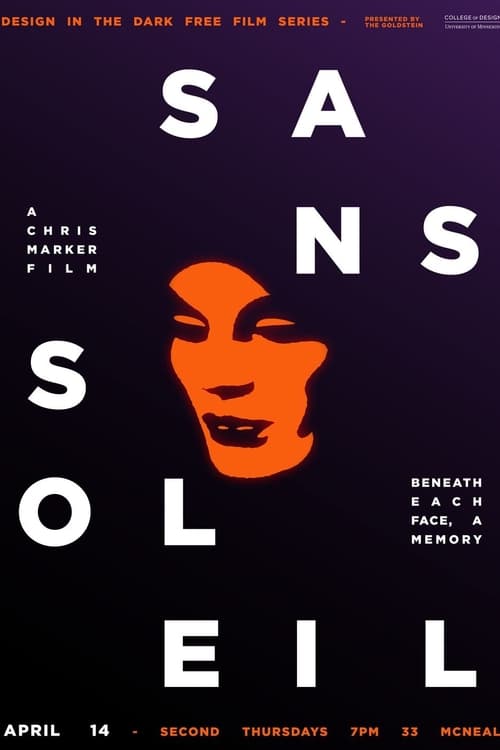
A woman narrates the thoughts of a world traveler, meditations on time and memory expressed in words and images from places as far-flung as Japan, Guinea-Bissau, Iceland, and San Francisco.
Travel films have an established format with their own conventions, history and baggage. It is a medium that has all too often sought to control, define and dictate perceptions of ”other” places. Comprised of footage shot while travelling on group excursions across Russia in 2019, An Uncountable Number of Threads is an attempt to draw out the ethical restrictions of a travelogue, while questioning how (and why) to make one. At times there is an awkward tourist-gaze, aware of its outsider position. But as a self-reflexive work that considers its own creation, it ultimately unravels, as the artist rationalises themselves out of a particular way of working, inviting the viewer into their uncertainty.
Spalding Gray sits behind a desk throughout the entire film and recounts his exploits and chance encounters while playing a minor role in the film 'The Killing Fields'. At the same time, he gives a background to the events occurring in Cambodia at the time the film was set.
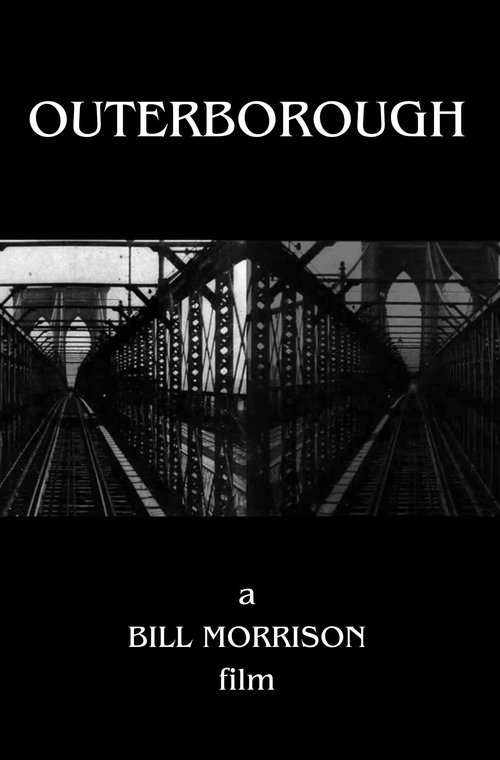
In 1899, a photographer at American Mutoscope & Biograph mounted his camera on the front of a trolley traveling over the Brooklyn Bridge. The three 90-foot rolls he created were edited together to complete the journey from Manhattan to Brooklyn, entitled Across the Brooklyn Bridge. As a commission by the Museum of Modern Art for the re-opening of their facility, American avant-garde filmmaker Bill Morrison took this remarkable footage and recombined it with itself to form a new split-screen extrapolation.
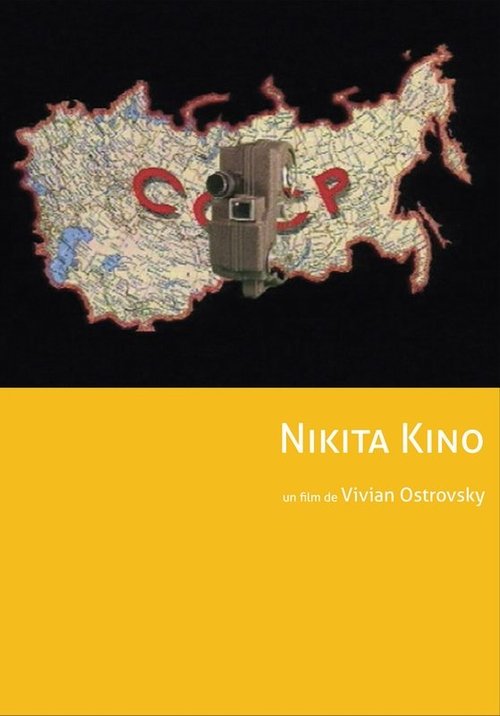
The film is a travelogue of sorts. Ostrovsky’s personal family footage meets the archives of Soviet propaganda footage. The result is a kind of Khruschev-era mix with a collage of Soviet music and a voice-over of my reminiscences of the Cold War era.
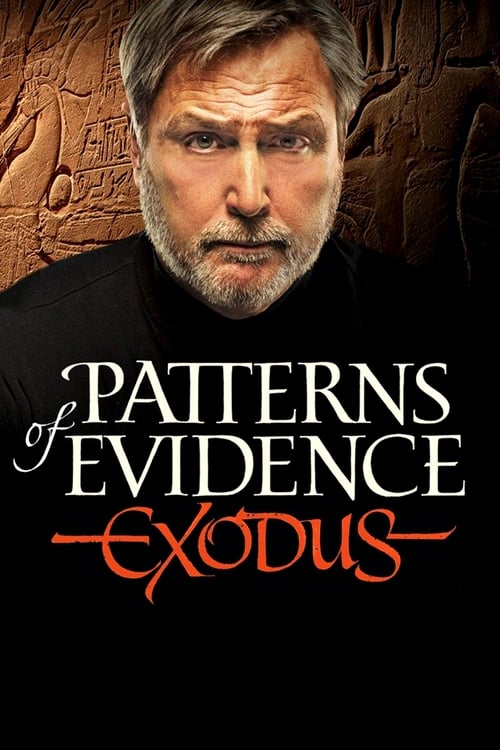
A debate rages over the credibility of the Bible. Most archaeologists today have concluded that there's no evidence that the Exodus of Israelite slaves from Egypt ever happened. Filmmaker Timothy Mahoney faces a crisis of faith: "Is this foundation event of the Bible really just a myth?" He embarks on a 12-year journey around the world to search for answers. The Exodus unlocks the mystery of this ancient saga, combining a scientific investigation with a retelling of the Exodus story to reveal an amazing pattern of evidence matching the biblical account that may challenge our understanding of history.
Inspired by Chris Marker's Sans Soleil, a girl decides to make her own rendition of Marker's mesmerising voyage through Japan, only for it to turn awry when she encounters another girl - a recurring stranger - haunting her path.
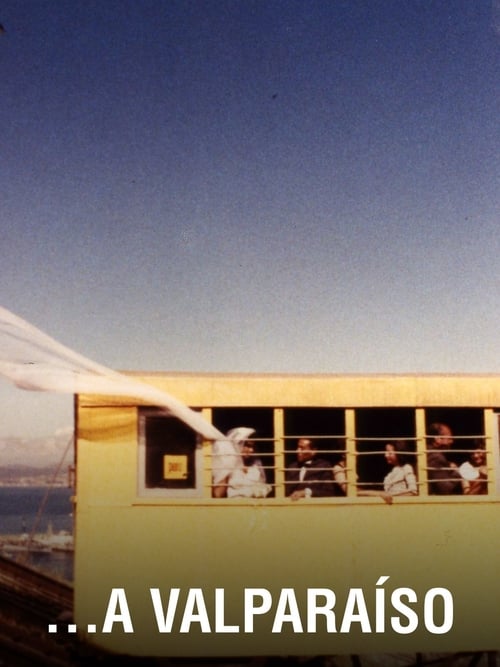
In 1962 Joris Ivens was invited to Chile for teaching and filmmaking. Together with students he made …A Valparaíso, one of his most poetic films. Contrasting the prestigious history of the seaport with the present the film sketches a portrait of the city, built on 42 hills, with its wealth and poverty, its daily life on the streets, the stairs, the rack railways and in the bars. Although the port has lost its importance, the rich past is still present in the impoverished city. The film echoes this ambiguous situation in its dialectical poetic style, interweaving the daily life reality (of 1963) with the history of the city and changing from black and white to colour, finally leaving us with hopeful perspective for the children who are playing on the stairs and hills of this beautiful town.