Narrator
No Trailers found.
Deep Blue is a major documentary feature film shot by the BBC Natural History Unit. An epic cinematic rollercoaster ride for all ages, Deep Blue uses amazing footage to tell us the story of our oceans and the life they support.
Marko Röhr's film crew takes the viewer to Europe's last unexplored area: Iceland's unique underwater world. We explore the geysers of boiling waters and the crystal clear lakes off the coast of Iceland. We dive under the icebergs, into the tears between the continental plates and into the deep caves.
21 Days, based on the story of six young fishermen who left Gros-Islet fishing village on a routine fishing expedition and simply vanished. The young men disappeared on February 15, 1985, after they set out on a fishing expedition.
While the Pelagic Life team is chasing the elusive sardine baitball in the open ocean near Baja California, they stumble upon a crude shark fishing operation that sparks a seismic shift in the group’s thinking. Departing from their original concept of documenting awesome sea-life phenomenon, they transform their mission to creating awareness of Mexico’s sea-life while creating sustainable livelihoods for the shark fishermen in order to preserve a delicate and critical ecosystem.
10 May 1943. Something is spotted drifting ashore off the coast of Northwest Donegal, Ireland. Something that would change the lives of the local people forever.
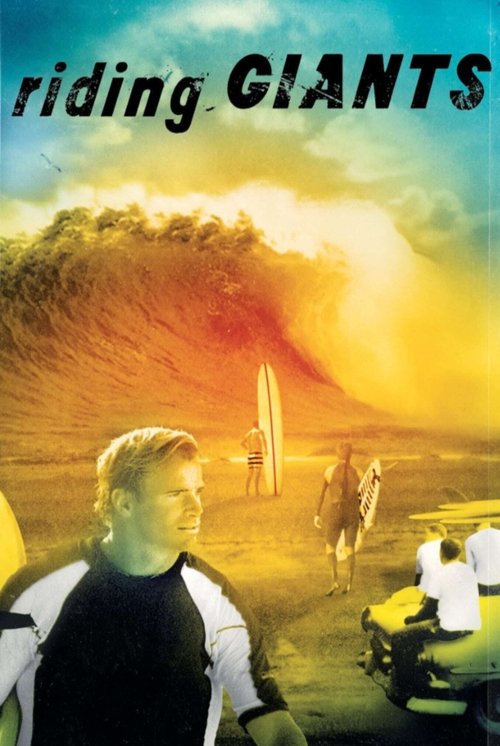
Riding Giants is story about big wave surfers who have become heroes and legends in their sport. Directed by the skateboard guru Stacy Peralta.
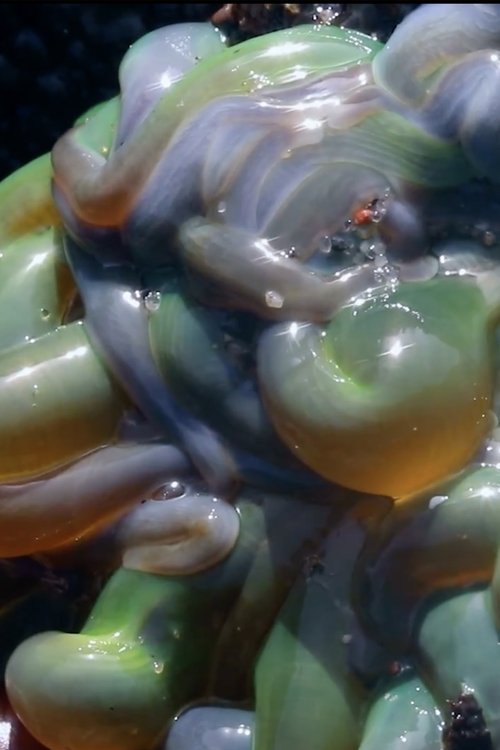
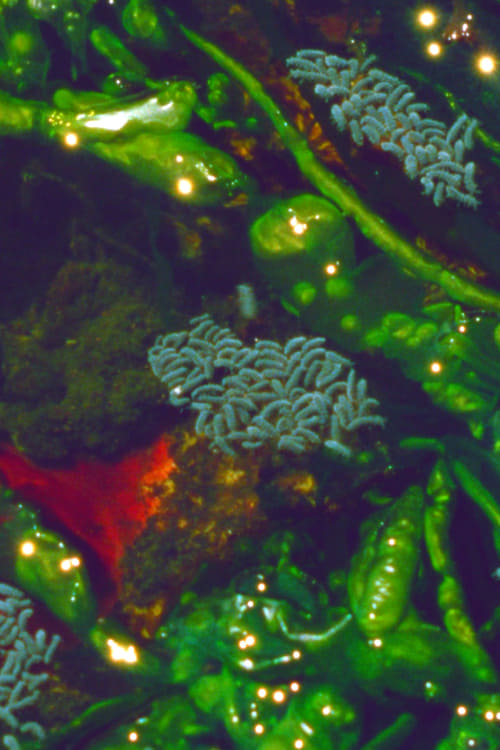
Aquatic life, textures, and viscera found along the Northern California coast.
Stanley Kubrick’s first color film, commissioned by the Seafarers International Union to promote the benefits of union membership. Shot inside the union’s Atlantic and Gulf Coast District facilities, it features scenes of ships, machinery, cafeteria life, and meetings, highlighting the daily routines and camaraderie of seafarers. Thought lost for decades, the film was rediscovered in 1973 and preserved by the Library of Congress.
No overview available.
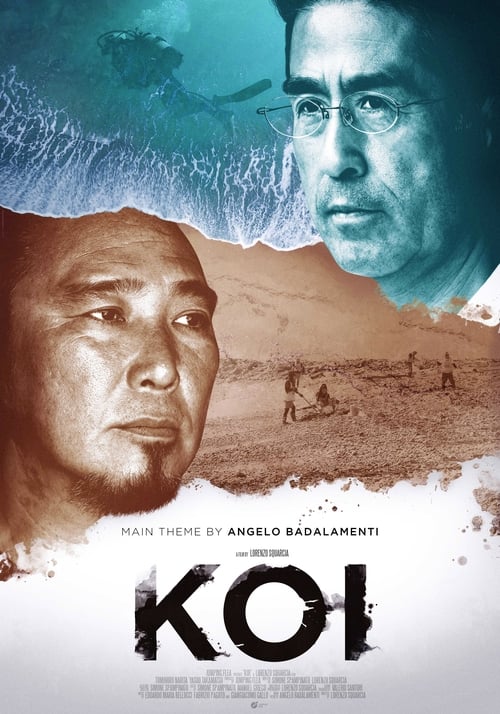
There's no definitive separation as long as there is memory'. Since the Tsunami hit the northern part of Japan's coast in 2011, more than 20 thousand people lost their lives, and many others are still missing. As time went by the families of the victims abandoned all hope and stopped looking for their loved ones. However, this is the story of two men that are still fully committed to their respective searching activities. Even though their backgrounds are extremely different, both share a strong force of will and firmly wish to keep alive the memories of the ones that went missing. Perseverance is what pushed an ex-convict to look for redemption by helping the victims' families to find the remains of their loved ones, and perseverance is what brought a bus driver to start to dive in order to search for his wife.
A study of the seashore in mid-coast Maine.
The sun rises over the tide pools of coastal Maine.
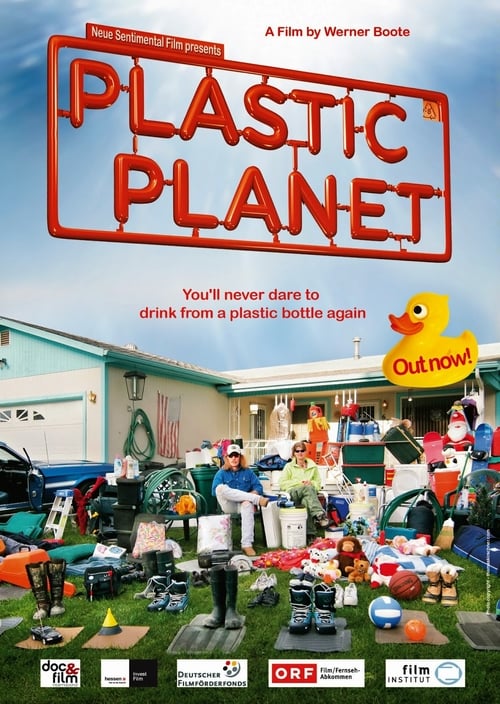
Werner Boote presents an up-close and personal view of the controversial and fascinating material that has found its way into every facet of our daily lives: plastic. He takes us on a journey around the globe, showing that plastics have become a threat for both environment and human health.
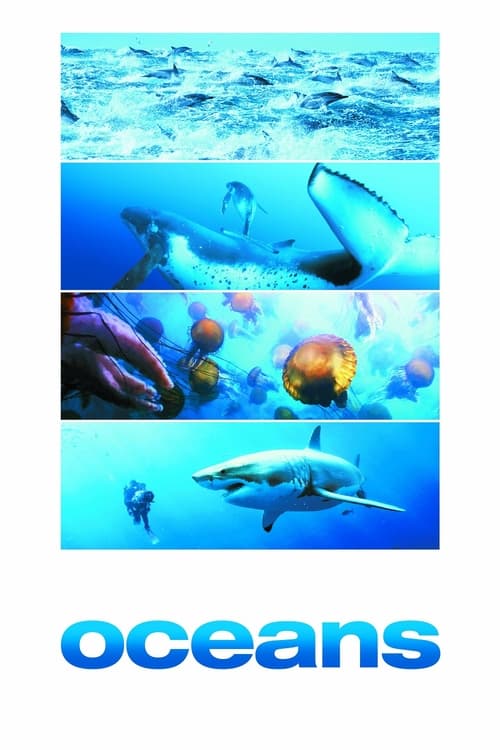
An ecological drama/documentary, filmed throughout the globe. Part thriller, part meditation on the vanishing wonders of the sub-aquatic world.
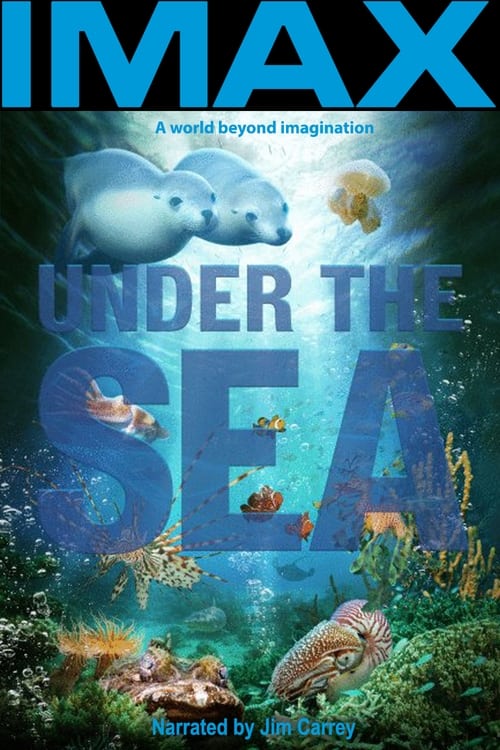
Imagine a world of incredible color and beauty. Of crabs wearing jellyfish for hats. Of fish disguised as frogs, stones and shag carpets. Of a kaleidoscope of life dancing and weaving, floating and darting in an underwater wonderland. Now, go explore it! Howard Hall and his filmmaking team, who brought you Deep Sea and Into the Deep, take you into tropical waters alive with adventure: the Great Barrier Reef and other South Pacific realms. Narrated by Jim Carrey and featuring astonishing camerawork, this amazing film brings you face to fin with Nature's marvels, from the terrible grandeur (and terrible teeth) of a Great White to the comic antics of a lovestruck cuttlefish. Excitement and fun run deep Under the Sea!
From a small garage in Redmond, Washington, to the furthest corners of the earth, Funko's story is one that is centered around the fans and the global community that arose from their unique passion - a story that spans twenty years full of joy, ambition, adversity, and... well... toys.
"After a period in intensive care, Britney sets out on a road trip where time becomes entangled. Along the journey, she seeks to understand her relationship with people, with affection, and with her own body."
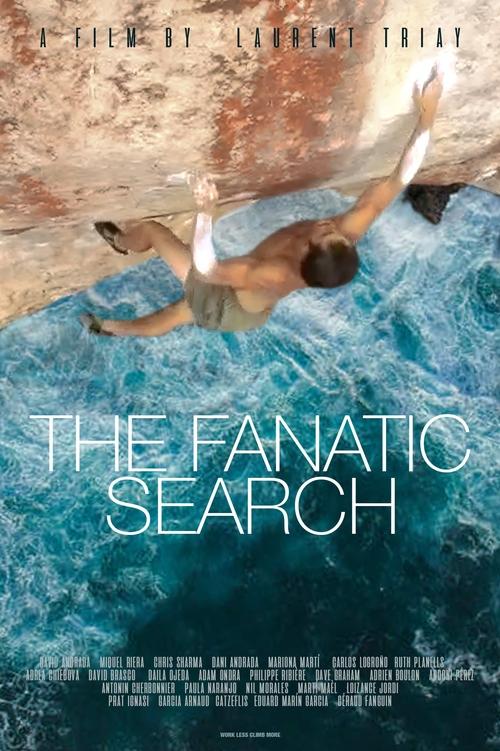
After a nice and slow start with some gorgeous deep water soloing footage from Mallorca, the movie slowly increases in tempo with footage of Sharma on what is now the potential 9b ‘ Golpe De Estado’ in Siurana, Dani Andrada linking most of the moves on some the craziest routes in the Ali Baba cave in Rodellar and other inspirational footage of routes being sent in Spain (Siurana, Santa de Linya, Rodellar).
The Indonesian archipelago in the Indo-Pacific Ocean comprises thousands of islands, atolls and the largest concentration of coral reefs in the world. This rich and varied environment is a product of a unique set of natural circumstances.
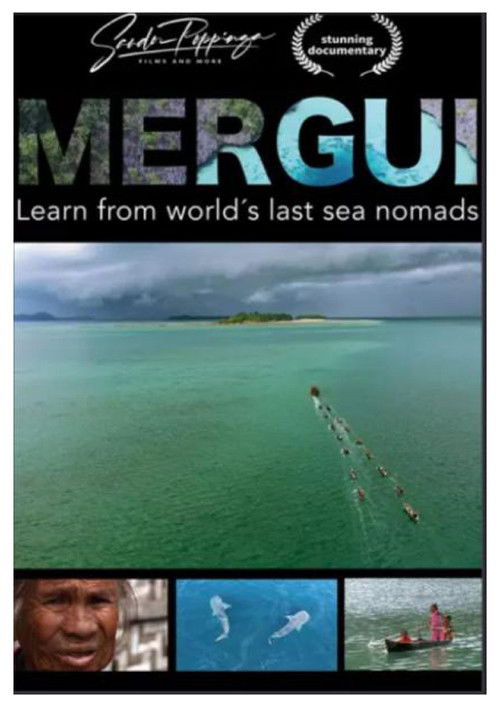
Using nature shots with narration and a musical score, this documentary tells the story about the Moken, Myanmar's last sea nomads.