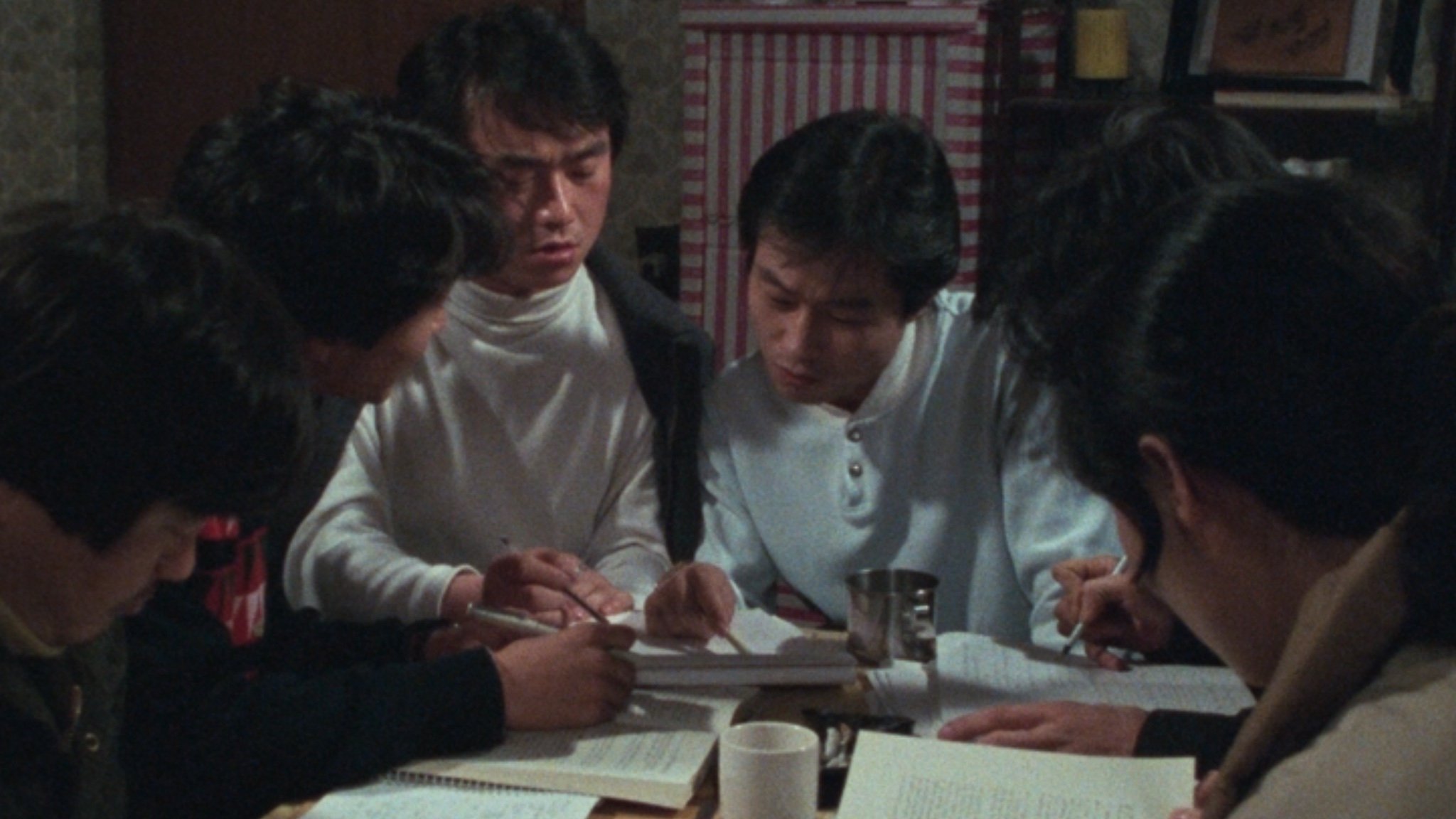
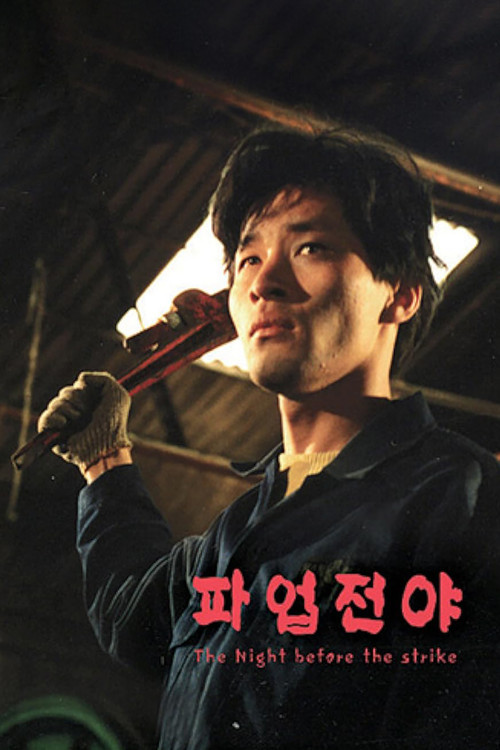
There are 200 miserably impoverished people working in the Dongseong Metalworks Factory. Ju Wan-ik is introduced to the forging team as a new member of the team and they all go drinking together to welcome him.
Trailer
Won-ki
Ju Wan-ik
Choon-seop
Jae-pil
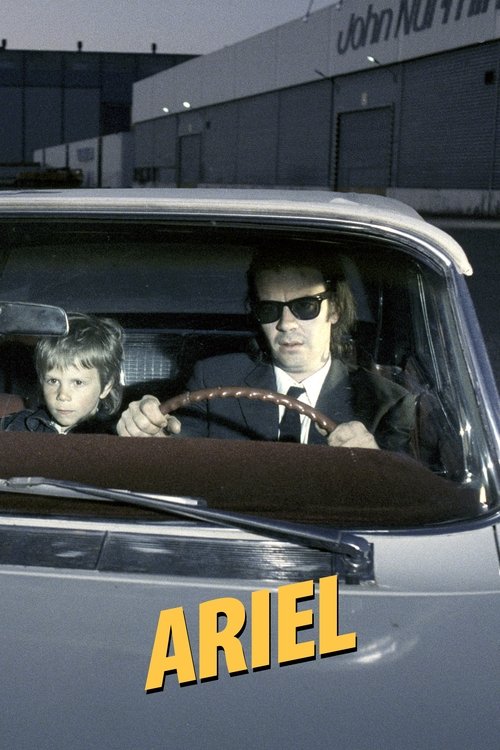
A Finnish man goes to the city to find a job after the mine where he worked is closed and his father commits suicide.
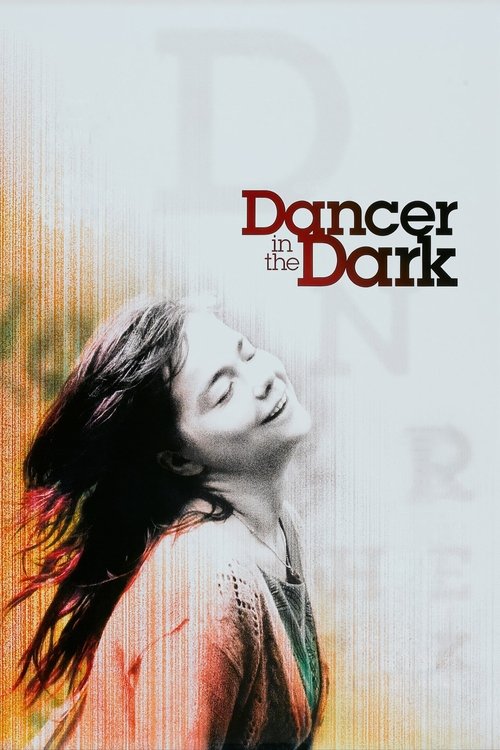
Selma, a Czech immigrant on the verge of blindness, struggles to make ends meet for herself and her son, who has inherited the same genetic disorder and will suffer the same fate without an expensive operation. When life gets too difficult, Selma learns to cope through her love of musicals, dreaming up little numbers to the rhythmic beats of her surroundings.
A solitary nurse bonds with a badly burned patient who survived an accident on an oil rig.
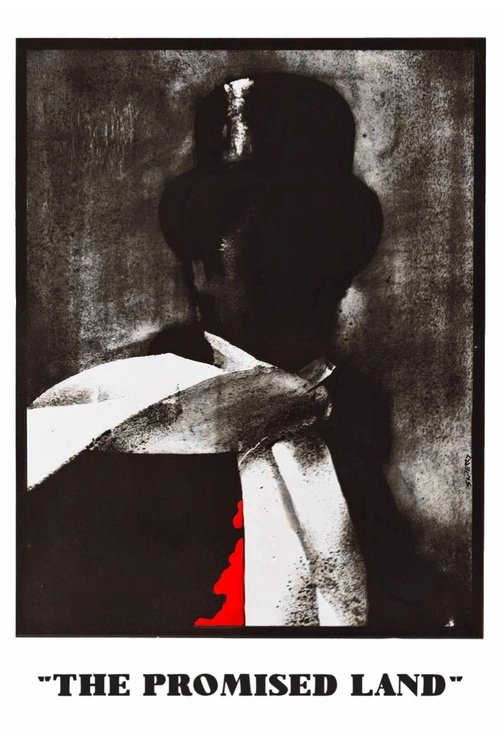
In nineteenth-century Łódź, Poland, three friends want to make a lot of money by building and investing in a textile factory. An exceptional portrait of rapid industrial expansion is shown through the eyes of one Polish town.
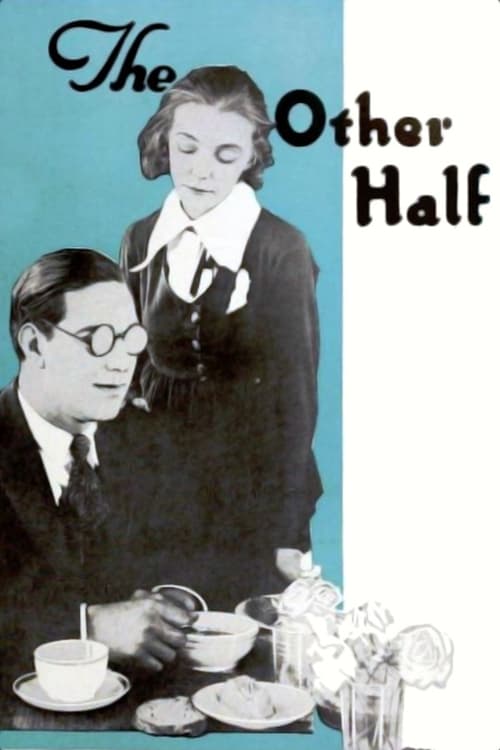
Social drama about a friendship that is pressurized by class differences.
In the 1950s, a poor Georgia cotton farmer and his sons search for the gold presumably buried on the farm by their grandfather but problems related to poverty, marital infidelity, unemployment and booze threaten to destroy their family.
In near-future New York, ten years after the “social-democratic war of liberation,” diverse groups of women organize a feminist uprising as equality remains unfulfilled.
A 22-year-old factory worker lets loose on the weekends: drinking, brawling, and dating two women, one of whom is older and married.
Andula, an innocent Czech girl from a factory town, is desperately in search of love. She believes she's found it when she beds Milda, a charming young musician visiting from Prague. Milda, however, is only looking for a casual encounter, and leaves town assuming he'll never see Andula again. But when Andula doesn't hear from him, she packs up and heads to Prague, to the surprise of Milda and his parents.
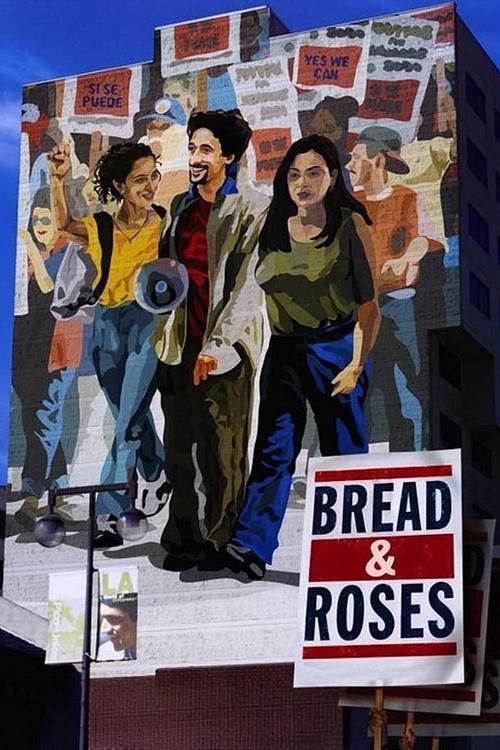
Maya is a quick-witted young woman who comes over the Mexican border without papers and makes her way to the LA home of her older sister Rosa. Rosa gets Maya a job as a janitor: a non-union janitorial service has the contract, the foul-mouthed supervisor can fire workers on a whim, and the service-workers' union has assigned organizer Sam Shapiro to bring its "justice for janitors" campaign to the building. Sam finds Maya a willing listener, she's also attracted to him. Rosa resists, she has an ailing husband to consider. The workers try for public support; management intimidates workers to divide and conquer. Rosa and Maya as well as workers and management may be set to collide.
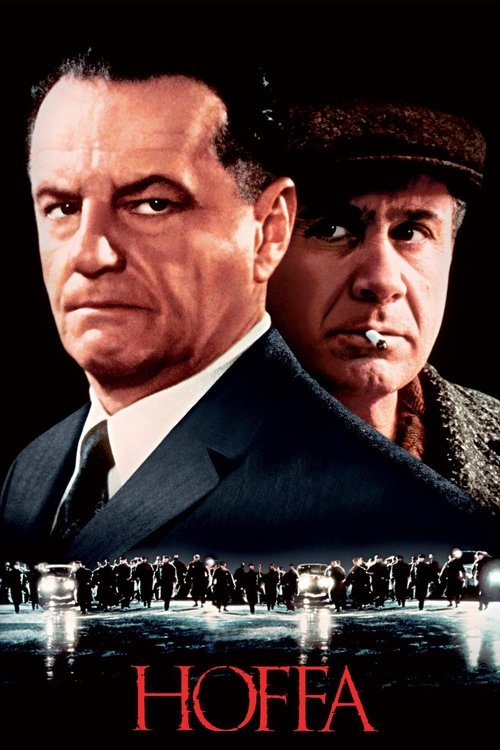
A portrait of union leader James R. Hoffa, as seen through the eyes of his friend, Bobby Ciaro. The film follows Hoffa through his countless battles with the RTA and President Roosevelt.
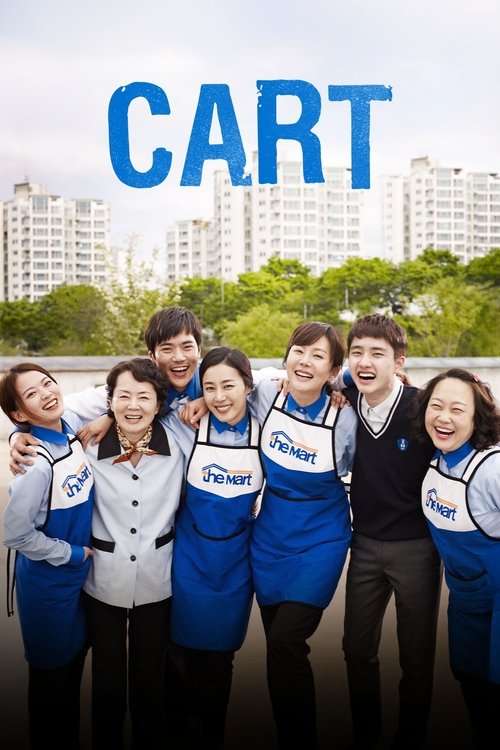
In response to a sudden dismissal of staff, workers at a big retail store begin a protest against their employer's oppressive labor policies.
Wallace is an efficiency expert, managing the high-profile downsizing of a major auto parts factory. But when he is hired to evaluate a small moccasin factory which seems from another era, Wallace has to reconsider the rapid modernization he advocates, as he is confronted by the human faces such plans hurt.
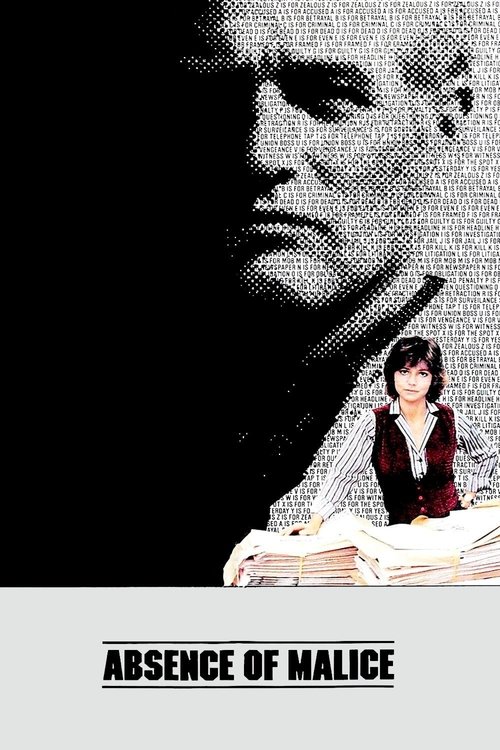
Megan Carter is a reporter duped into running an untrue story on Michael Gallagher, a suspected racketeer. He has an alibi for the time his crime was allegedly committed—but it involves an innocent party. When he tells Carter the truth and the newspaper runs it, tragedy follows, forcing Carter to face up to the responsibilities of her job when she is confronted by Gallagher.
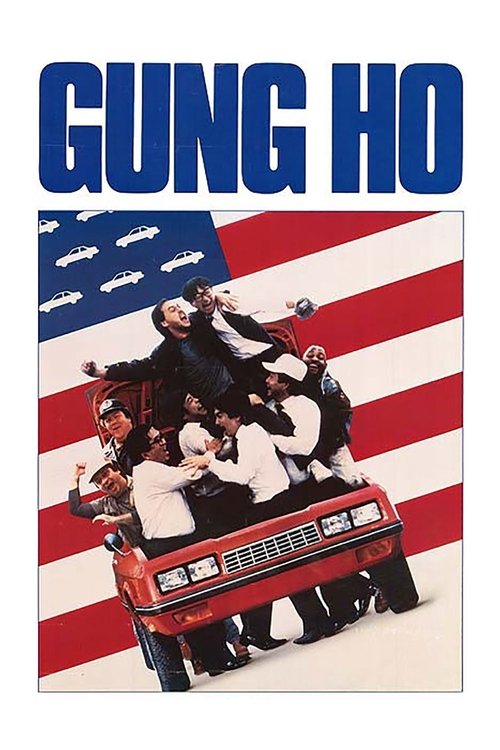
When a western Pennsylvania auto plant is acquired by a Japanese company, brokering auto worker Hunt Stevenson faces the tricky challenge of mediating the assimilation of two clashing corporate cultures. At one end is the Japanese plant manager and the sycophant who is angling for his position. At the other, a number of disgruntled long-time union members struggle with the new exigencies of Japanese quality control.
Robert moves from the Polish countryside to work on a fish processing factory on the coast of Norway. There he falls in love with Ivar who is openly gay and a member of the workers union. Robert is hiding his sexual orientation from the other Polish immigrant workers. When Ivar helps the Polish to start a strike for better working conditions at the factory, Robert has to choose between money or love.
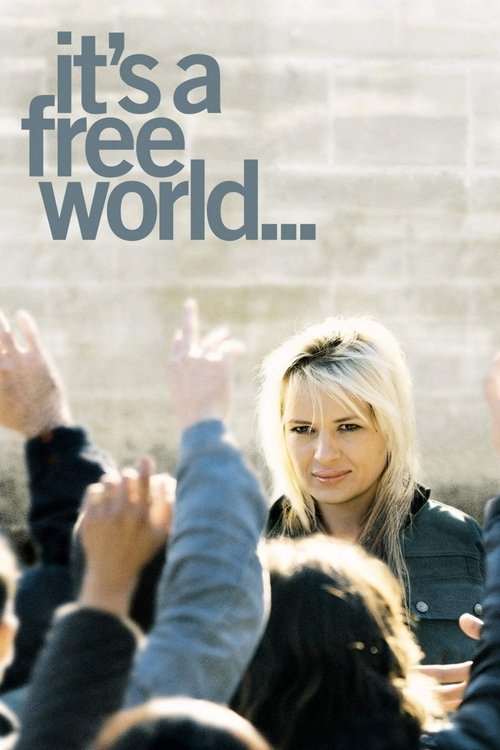
Angie is a working class woman. After being fired, she decides to set up a recruitment agency of her own, running it from her kitchen with her friend, Rose. Taking advantage of the desperation of immigrants, Angie builds a successful business extremely quickly.
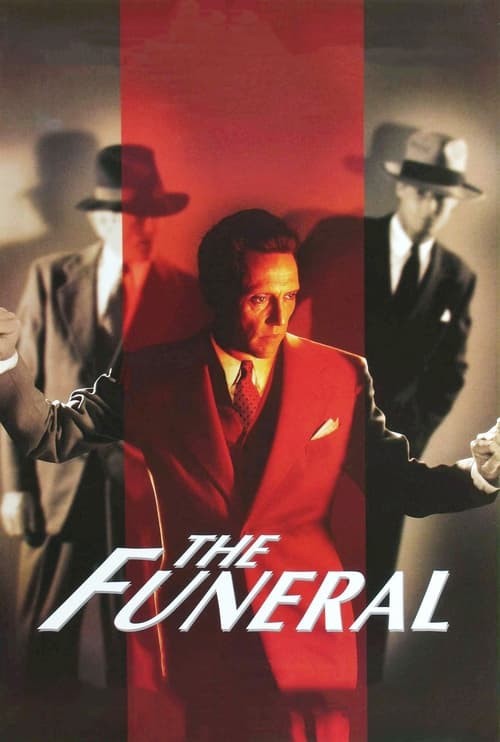
After the funeral of one of their own, a criminal family decides to embark on an emotionally unnerving journey in an attempt to exact bloody revenge.
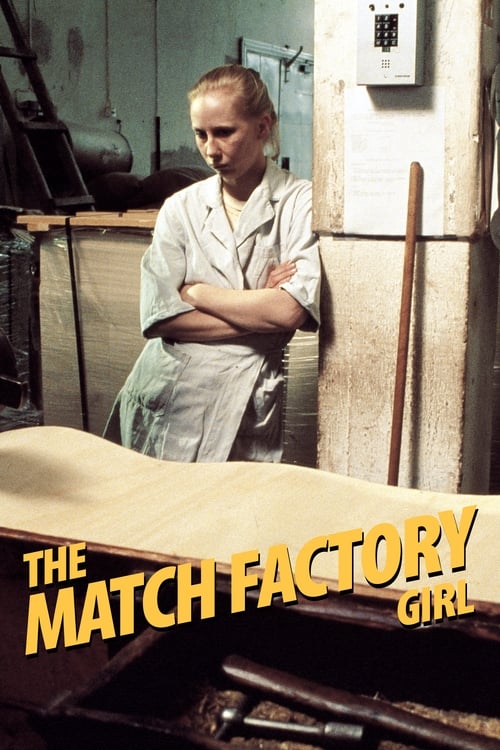
Iris is a shy and dowdy young woman stuck in a dead-end job at a match factory, who dreams of finding love at the local dancehall. Finding herself pregnant after a one-night stand and abandoned by the father, Iris finally decides the time has come to get even and she begins to plot her revenge.
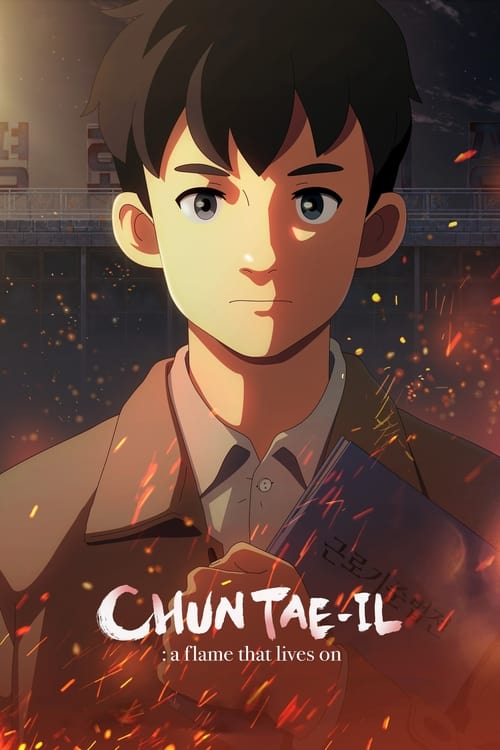
When Taeil gets hired as a tailor's assistant, he dreams of becoming a fully-fledged tailor to be able to financially support his family. But he finds himself constantly reminded of the laborers' inferior working conditions. The young 22-year-old Taeil decides to confront the reality and become the flame of hope himself.