A lucid dream turned nightmarish reality. A ship sinking into a world of fear. A short film that’s mostly puppetry by one of America's most prolific twentieth century artists.
No Trailers found.
No Cast found.
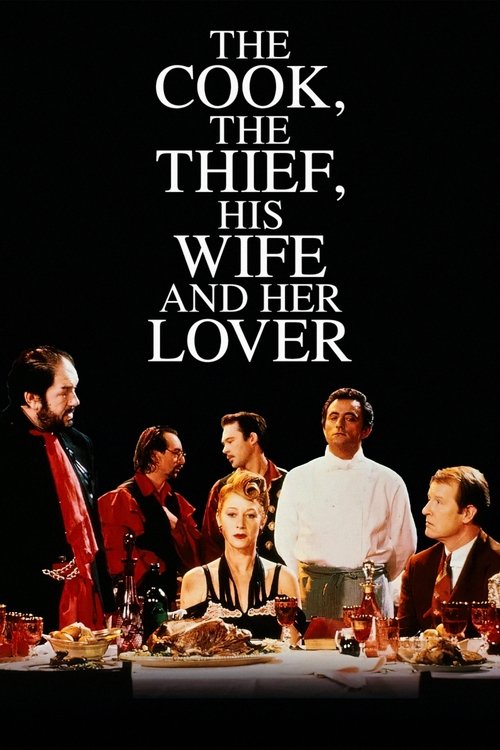
When churlish mobster Albert Spica acquires an upscale French restaurant in London, he dines there nightly, effectively scaring off the clientele with his bad manners. His wife, Georgina, is especially disgusted by him, and soon begins an affair with regular guest Michael. Despite their best efforts to keep it secret, Spica learns about their trysts, and he plots a terrible revenge.
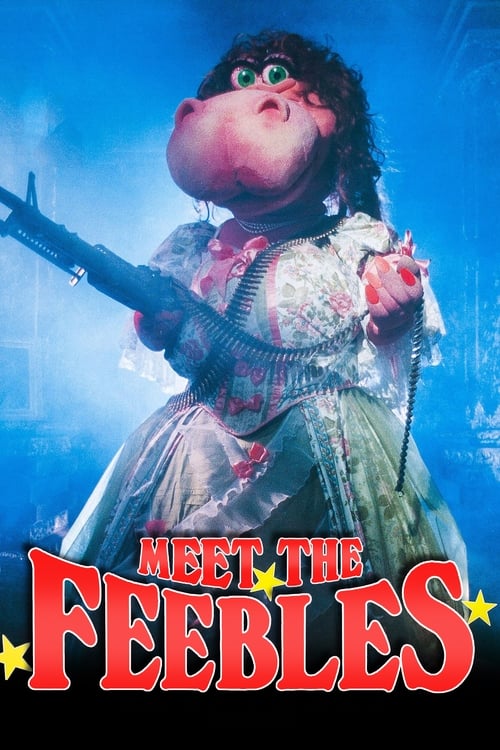
Heidi, star of the "Meet The Feebles Variety Hour" discovers her lover Bletch the Walrus is cheating on her. And with all the world waiting for the show, the assorted co-stars must contend with drug addiction, extortion, robbery, disease, drug dealing, and murder.
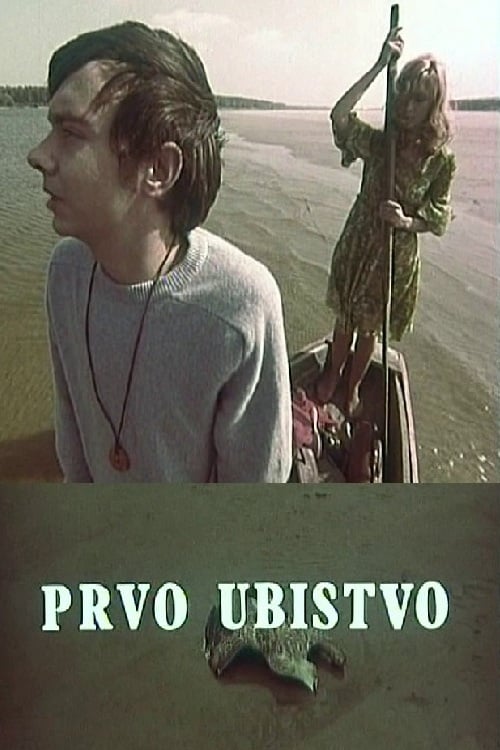
Based on the novel "Šta bi učinio Zobec?" (What Would Zobec Do?) by Svetozar Vlajković. It's a short movie about a young man who is afraid of being turned down by a girl.
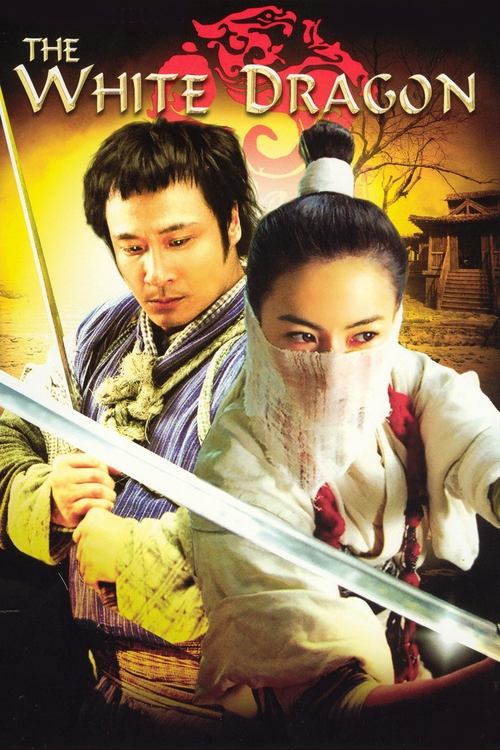
In this swordfighting comedy, a young noblewoman falls in love with a prince of the Imperial House. By accident, she acquires the martial arts skills of the White Dragon. New in her power, she learns that there are definite advantages in performing "good deeds" as the Little White Dragon.
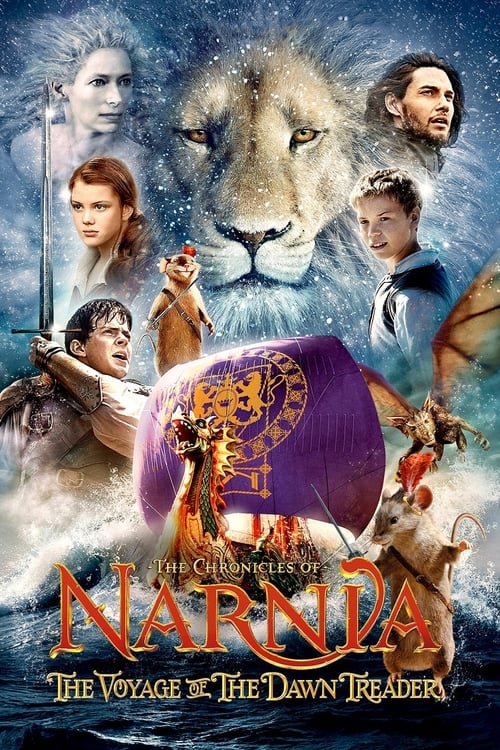
This time around Edmund and Lucy Pevensie, along with their pesky cousin Eustace Scrubb find themselves swallowed into a painting and on to a fantastic Narnian ship headed for the very edges of the world.
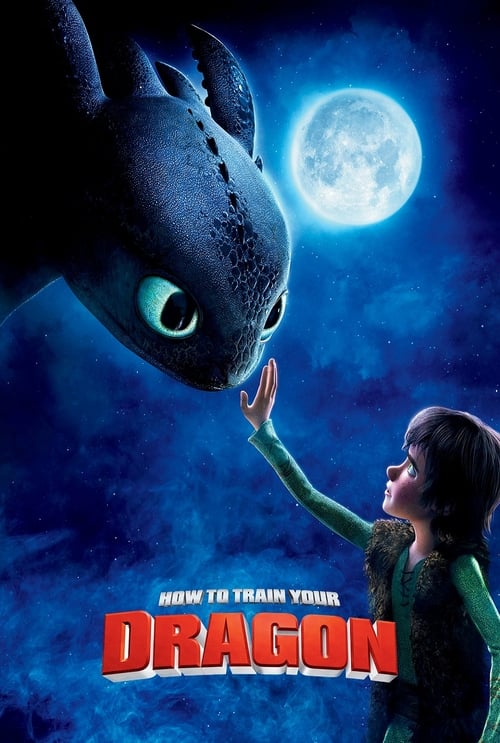
As the son of a Viking leader on the cusp of manhood, shy Hiccup Horrendous Haddock III faces a rite of passage: he must kill a dragon to prove his warrior mettle. But after downing a feared dragon, he realizes that he no longer wants to destroy it, and instead befriends the beast – which he names Toothless – much to the chagrin of his warrior father.
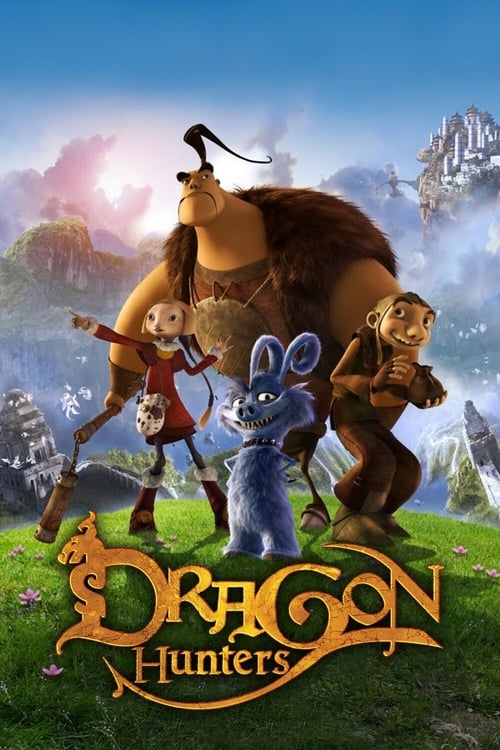
Dragon Hunters is a fantastic tale telling the adventures of two dragon hunters: the world has become a vast conglomerate of islands of varying size and shape. This babbling universe is mainly peopled with ruthless rogues, surly peasants and illiterate, petty lords Their main concerns revolve around two fundamental rules : Eat and don't get eaten.
Cursed to die by the evil fairy Maleficent when she was a baby, Princess Aurora is sent into hiding under protection from three good fairies. As she grows up far away, Maleficent becomes increasingly determined to seal the princess's fate.
Taran is an assistant pigkeeper with boyish dreams of becoming a great warrior. However, he has to put the daydreaming aside when his charge, an oracular pig named Hen Wen, is kidnapped by an evil lord known as the Horned King. The villain hopes Hen will show him the way to The Black Cauldron, which has the power to create a giant army of unstoppable soldiers.
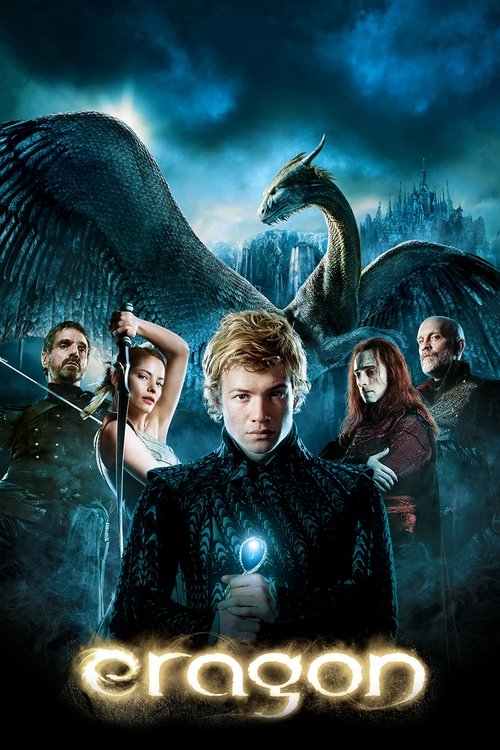
In his homeland of Alagaesia, a farm boy happens upon a dragon's egg -- a discovery that leads him on a predestined journey where he realized he's the one person who can defend his home against an evil king.
The King has sent his best Knights to defeat the Dragon besieging his castle. Along their epic adventure they encounter malicious sirens, warrior women on a mission of revenge and an unstoppable army of the undead.
An anthology of one-minute films created by 51 international filmmakers on the theme of the death of cinema. Intended as an ode to 35mm, the film was screened one time only on a purpose-built 20x12 meter public cinema screen in the Port of Tallinn, Estonia, on 22 December 2011. A special projector was constructed for the event which allowed the actual filmstrip to be burnt at the same time as the film was shown.
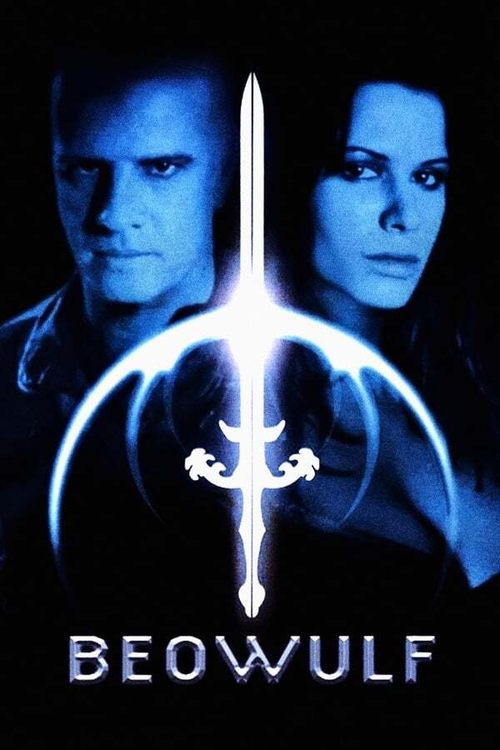
Beowulf is a wanderer who learns about a man-eating creature called Grendel, which comes in the night to devour warriors trapped at the Outpost. The Outpost is ruled by Hrothgar. He has a daughter, whose husband may have been murdered by the Outpost's master of arms.
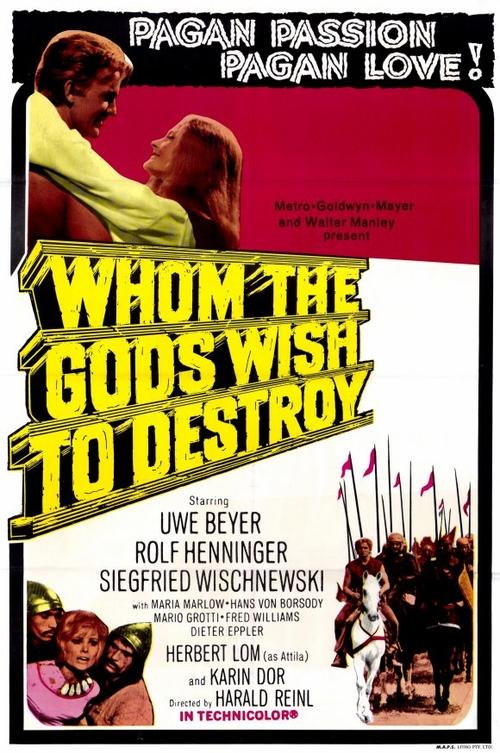
Siegfried of Xanten snatches the Nibelung treasure from the king of the underworld and slays the dragon Fafnir, whose blood makes him invulnerable. Siegfried falls in love with Kriemhild, the sister of the Burgundian king. But only if Siegfried helps Gunther marry Brunhild will he be allowed to marry Kriemhild. He fulfills this condition, but the two women bring ruin upon Xanten and Burgundy...
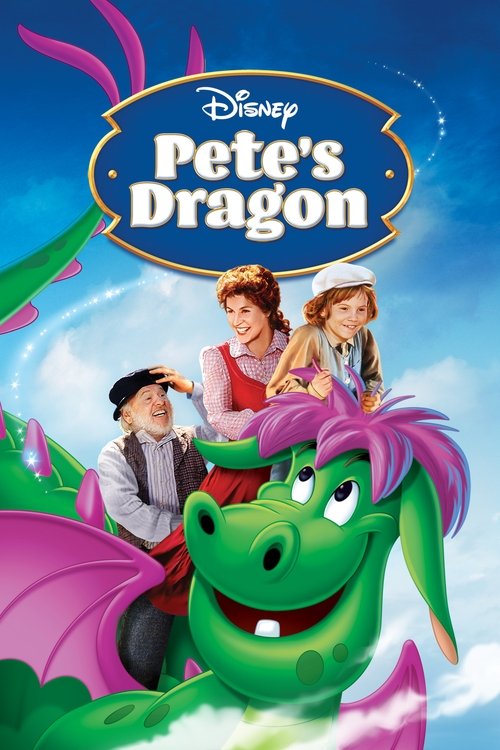
Pete, a young orphan, runs away to a Maine fishing town with his best friend a lovable, sometimes invisible dragon named Elliott! When they are taken in by a kind lighthouse keeper, Nora, and her father, Elliott's prank playing lands them in big trouble. Then, when crooked salesmen try to capture Elliott for their own gain, Pete must attempt a daring rescue.
In this swords-and-sorcery tale, good-hearted blacksmith Eyvind hides away infant Prince Siegfried after two malevolent kings murder his father. But a fiery meteor sent by the gods reveals Siegfried's destiny, sending him on the quest of a lifetime. To save a crumbling kingdom claim the heart of his true love, he'll have to slay the nefarious dragon, Fafnir.
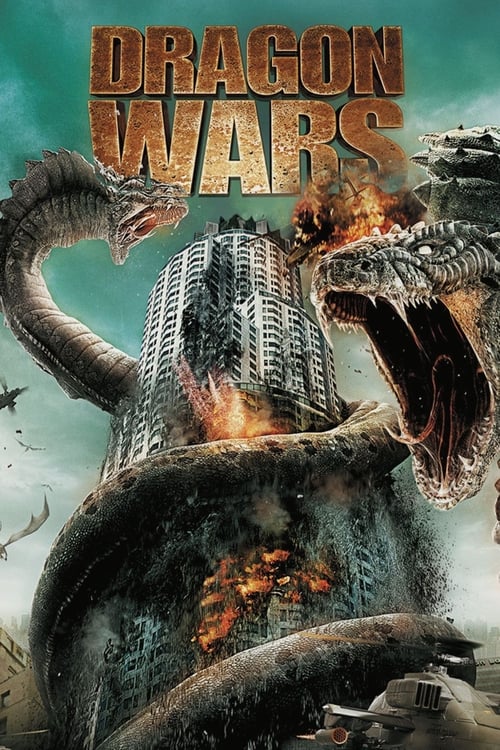
Ethan learns he carries the spirit of a warrior who battled dragons in 16th-century Korea -- and one day he'll find a tattooed girl carrying the spirit of that warrior's beloved. Years later, he meets Sarah and dragons soon descend on Los Angeles seeking out the two souls of the ancient lovers.
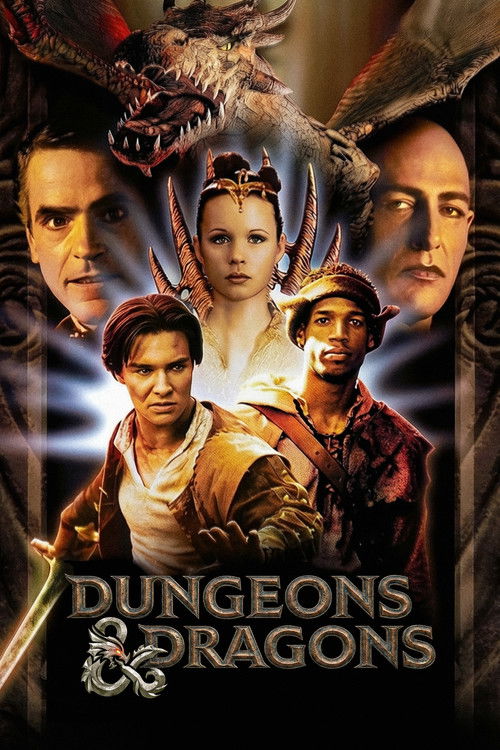
The Empire of Izmer is a divided land: elite magicians called “mages” rule while lowly commoners are powerless. When Empress Savina vows to bring equality and prosperity to her land, the evil mage Profion plots to depose her.
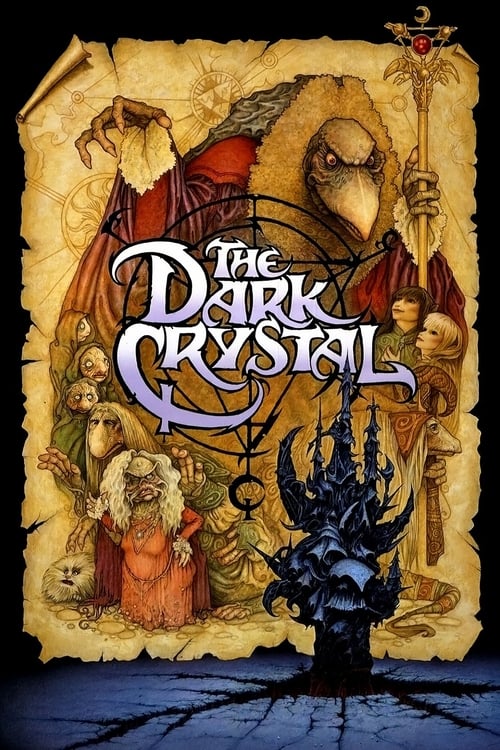
On another planet in the distant past, a Gelfling embarks on a quest to find the missing shard of a magical crystal and restore order to his world, before the grotesque race of Skeksis find and use the crystal for evil.
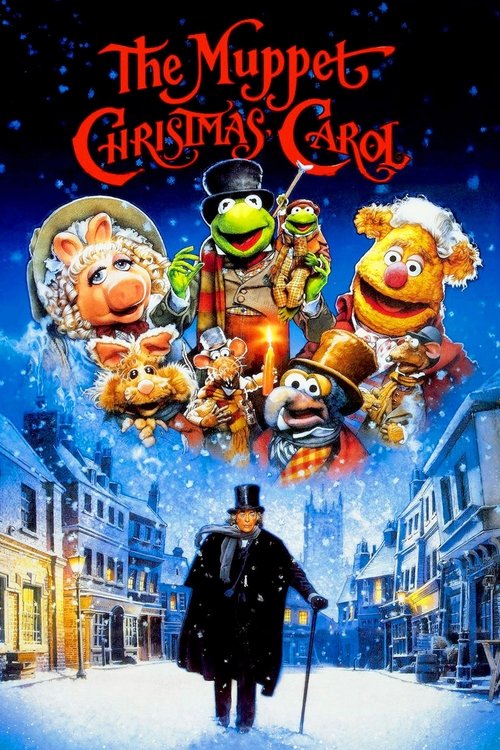
A retelling of the classic Dickens tale of Ebenezer Scrooge, miser extraordinaire. He is held accountable for his dastardly ways during night-time visitations by the Ghosts of Christmas Past, Present and Future.