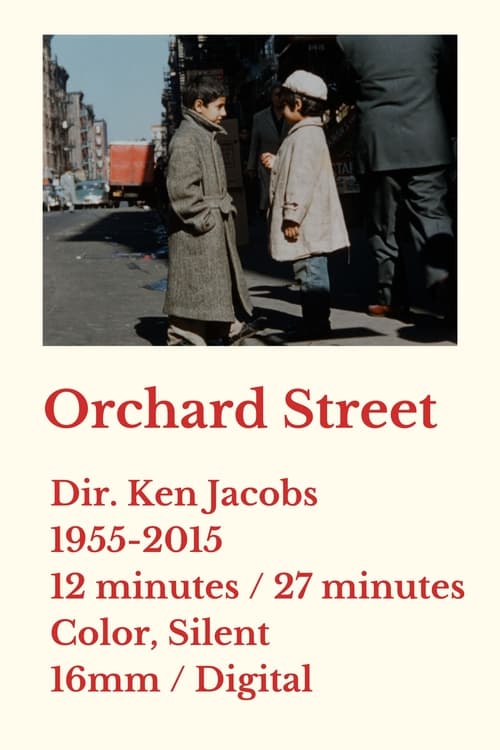
This short film documents the daily life of the goings-on on Orchard Street, a commercial street in the Lower East Side New York City.
No Trailers found.
No Cast found.
No overview available.
Woman on Fire follows Brooke Guinan, the first openly transgender firefighter in New York City. A character-driven documentary, the film follows Brooke as she sets out to challenge perceptions of what it means to be transgender in America today.
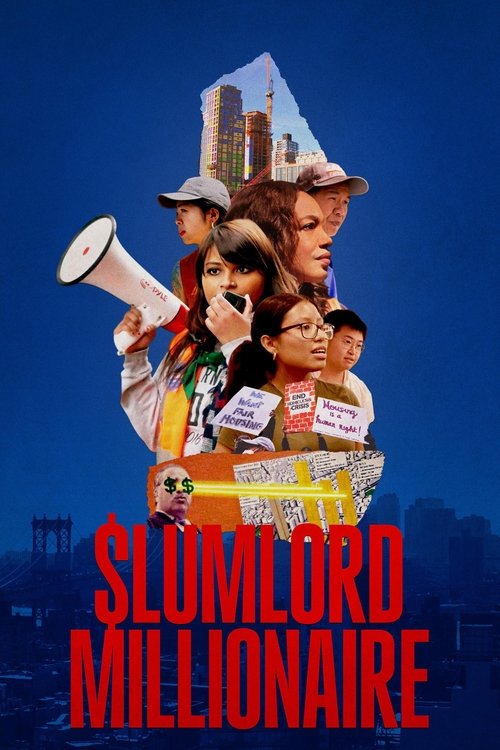
This documentary exposes housing injustice in New York City, following the David-and-Goliath battles between ordinary renters and powerful developers. Through stories from neighborhoods across the boroughs, the film reveals the harsh realities of unsafe housing, unethical landlords, and an overwhelmed housing court system.
The marks of the violence of the Chilean state, against its own compatriots. Flicker Film. 35mm B & W Still Photography. Silent.
Global soccer hero Thierry Henry stars in this up-close sports documentary that covers his 2010 move from Barcelona to the New York Red Bulls.
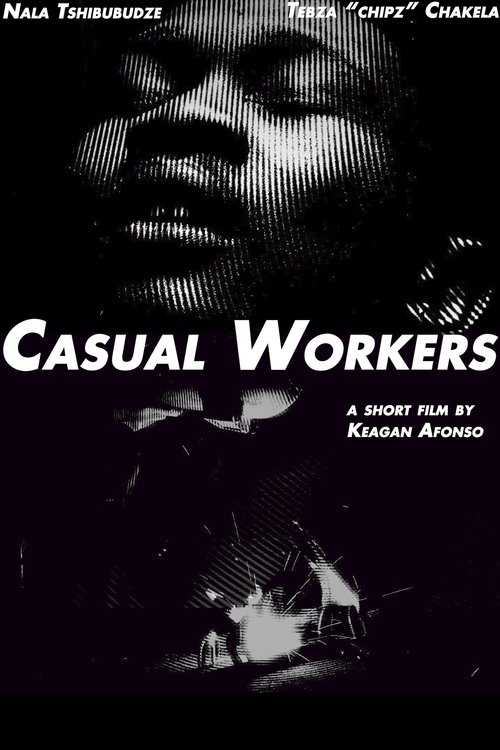
An abstract perspective into two young South African workers in the heart of Johannesburg's industrial sector during Covid-19
This documentary aims to register this unknown side of James Joyce: His Greek Notebooks. Trieste. Bloomsday, 2013. Dance in slow motion, accompanied by text. By deconstructing the body, we turn it into a memory: of the body, of life, of texts. The biographical references to Joyce and Mando Aravantinou, combined with the diagonal slicing of the image, cancel the realism of the landscape, including that of the Narrator’s space/study. As a culmination, Joyce’s letter “A request for a loan in Greek” functions as a timely denunciation. Various routes through cities, such as Trieste, London, New York, and Athens; languages such as Greek and English. In addition to the primal myth of Ulysses, there is another issue: Greek is “the language of the subject of Ulysses”
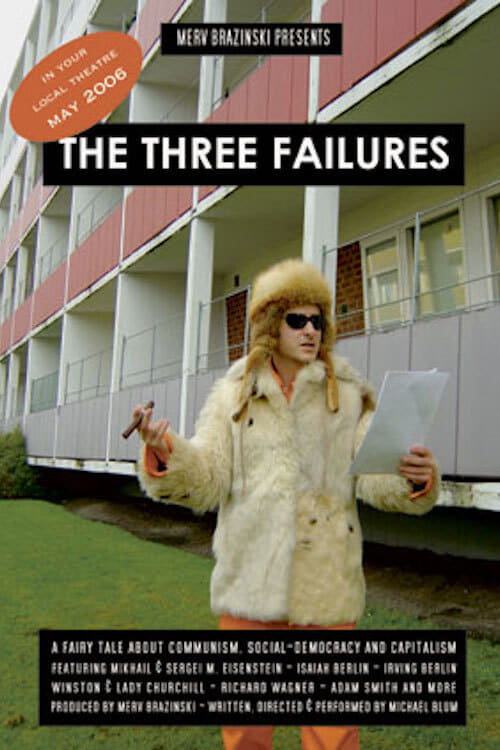
A fairy tale about communism, social-democracy, and capitalism. (The sequel to Wandering Marxwards)
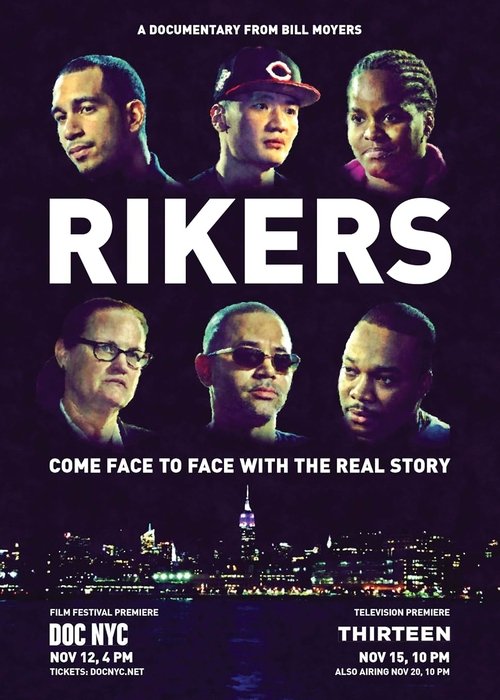
This film from Bill Moyers is the first documentary to focus exclusively on people formerly detained in New York City’s notorious Rikers Island Jail. They tell their compelling stories direct to the camera, revealing the violent arc of the Rikers experience – from the trauma of entry to extortion and control by inmates, to oppressive corrections officers, violence and solitary confinement.
A young adult's first-hand account of "accidentally becoming human again" after, and with, trauma induced depression. Lo-fi, vulnerable, and uniquely youthful, "The Afterlife" is a melancholic affirmation of life after death.
An 18-minute long single-channel video which uses CNN footage cut so that each word is spoken by a different newsperson. The pieces literally asks the viewers questions about media authenticity and give CNN a distinct voice
Shurochka, the film’s hero, spends her life walking from one village to another in order to weigh tractors. Yet, this makes just one part of her existence. She dances to Utiosov’s songs, she smiles to the pictures of old Soviet actresses and shows a wonderful taste for life amidst the lonely provincial disorderliness.
As beautiful and sleek as it is deadly, 52 Blocks merits special conservation efforts as the United States' only existing native martial culture, as it is indeed, the jazz of the martial arts world. Across the African diaspora, there are manifestations of African-derived warrior-dances, capoeira in brazil, mani in Cuba, ladja in Martinique, pinge in Haiti- yet the US offshoot has remained esoteric, because it was suppressed throughout slavery, Reconstruction and Jim Crow and then obscured in the criminal justice system. The history, interviews and training of the martial arts style that created Breakdance and boxing greats like Mike Tyson.
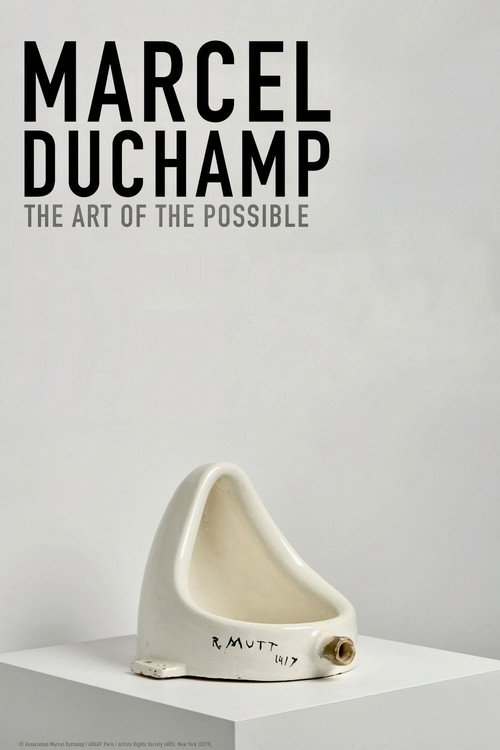
A remarkable walk through the life and work of the French artist Marcel Duchamp (1887-1968), one of the most important creators of the 20th century, revolutionary of arts, aesthetics and pop culture.
In this special edition of Globe Trekker Chinatown, Lavinia Tan, Justine Shapiro and Megan McCormick travel worldwide to explore the magic and mystery of Chinatowns across the globe. Lavinia Tan begins the journey in Malaysia and Singapore where overseas traders led the earliest migrations of Chinese people. The journey continues from there to the United States, where Justine Shapiro visits San Francisco. Megan McCormick explores New York s Lower East Side, home to the largest Chinatown in the Western Hemisphere. After a short trip to London s Soho district, Lavinia Tan ends this journey with a visit to Hong Kong exploring the world famous film industry and the 21st century migration of Chinese back to their homeland.
Loosely based on the true story of the killing of Kitty Genovese: A young woman's murder is witnessed by fifteen of her neighbors who do nothing to help and refuse to cooperate with the police.
Trance dances and out of body projection. In front of the camera, Parvaneh Navaï becomes a mediator who enters in contact with and immerses into the energies of Nature, while her own energy radiates and echos in the forest ("selva"). The camera amplifies and expands her presence, transforming the forest into an imaginary space. The camera becomes a painter's brush.
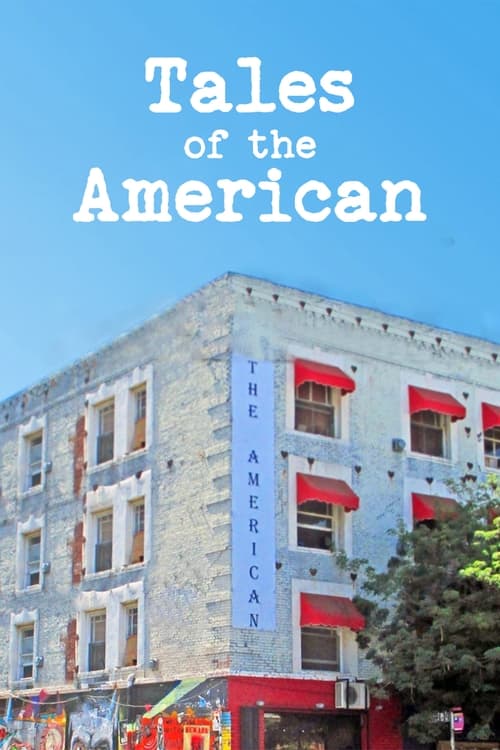
Seemayer Studios presents a new documentary about the American Hotel in downtown Los Angeles and the Arts District that surrounds it. Since 1979, the American Hotel has been the beating heart of a rich community of artists who began moving into the deserted factory buildings between Alameda and the Los Angeles River.
New York cop Frank Serpico blows the whistle on the rampant corruption in the force only to have his comrades turn against him.