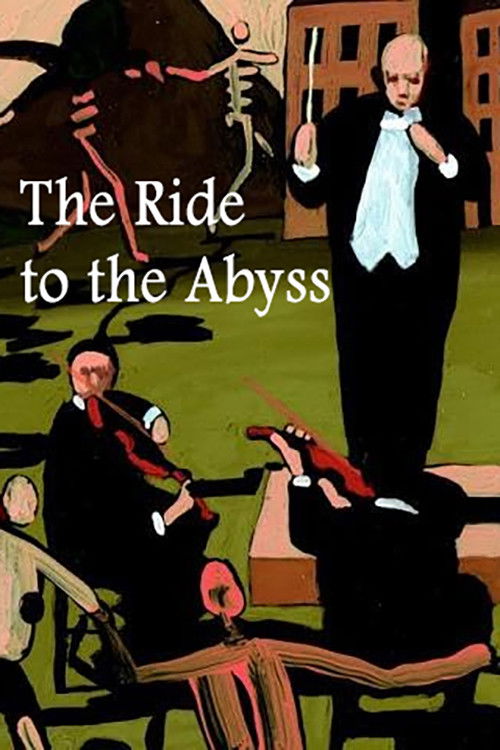
‘La course à l’abîme’ is a depiction of the final ride into hell from ‘La Damnation de Faust’ (1846) by Hector Berlioz.
No Trailers found.
No Cast found.
A duo of street performers learns how sound and picture work together to create amazing cinema experiences.
first stop motion animation puppet film by Eric Leiser completed in 2001. The film is a visual poem on Christ's command for believers to: deny self, pick up the cross daily and follow after Him. Matthew 16:24
Zero, Ribut, Taiga, Z, 80, Max, Mebius, Great, Powered, Grigio, and many more Ultra Heroes fight together to solve this mysterious case. This is the complete, director's cut version of the original web series with no breaks!
This animated short by Norman McLaren is a publicity message for a war bond campaign. Symbols, a stick man and lettering are drawn directly on 35mm film stock and synchronized with a brass band rendition of Sousa's march "The Thunderer."
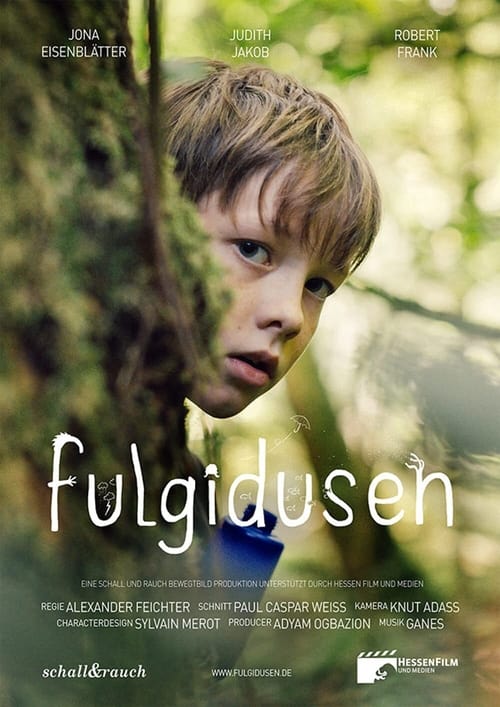
Felix is looking for a friend and discovers the 'Fulgidusen', the little lights of the forest. But the village of the Fulgiduses and thus also the secret of the forest are in great danger ...
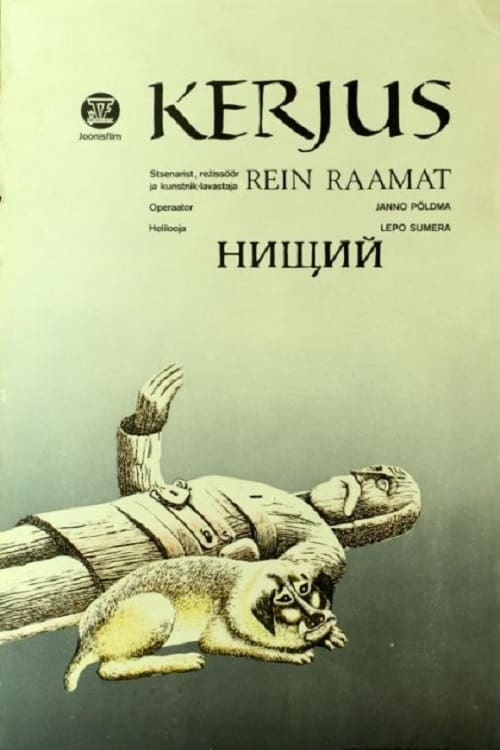
It is a parable about indifference
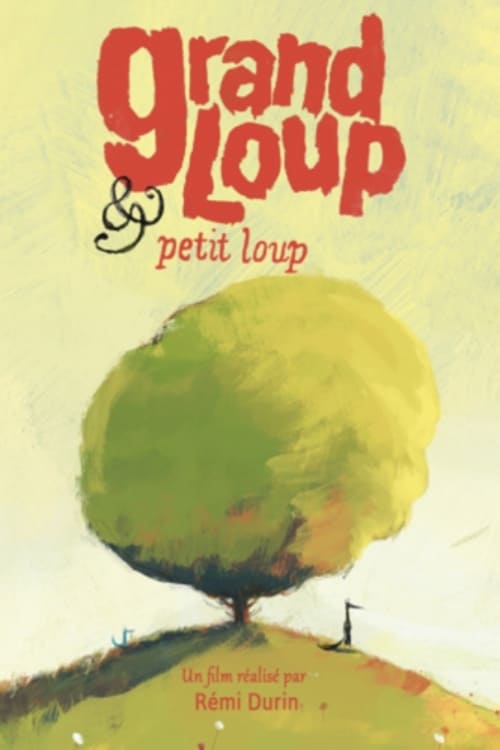
Big Wolf lives quite contentedly alone under his tree. One day he sees a Little Wolf approaching him who seems determined to keep him company. But Big Wolf has no need for his company. He likes the quiet life and his routine. At least, that’s what he thought… Loosely based on the kid’s book by Nadine Brun-Cosme & Olivier Tallec, published by Flammarion jeunesse
Today, a butterfly can never be certain that flitting from flower to flower won’t cause major incidents…
The film follows the staging of the opera Olimpiade while at the same time exploring the dramatic life of its composer Josef Mysliveček, a friend and teacher of W. A. Mozart.
Young Hobbit Frodo Baggins is thrown into an amazing adventure when he's tasked with destroying the One Ring, created by the dark lord Sauron. Frodo must travel in a small fellowship of nine warriors and accomplices. But it won't be an easy journey for the Fellowship of the Ring, on the ultimate quest to rid Middle-earth of evil.
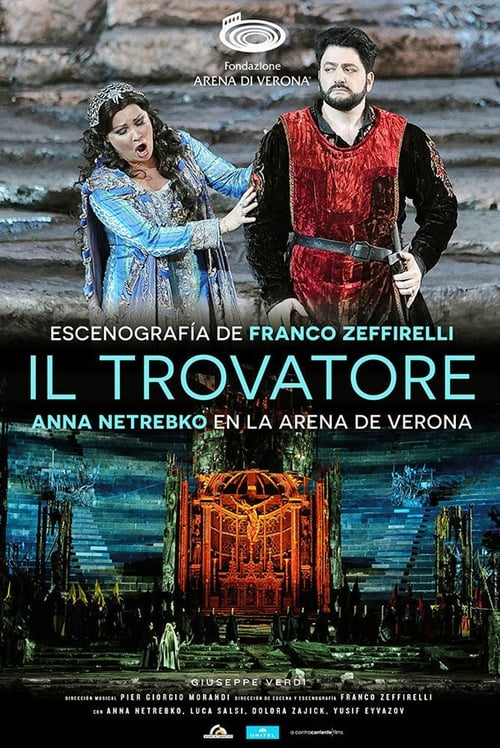
It's an event that draws many thousands of music lovers to one of the most beautiful cities in the world every summer: the opera season at the ancient Arena di Verona. The 2,000-year-old roman amphiteatre with its gigantic stage dimensions is one of the largest and best preserved Roman construction of its kind, and with over 22,000 seats it is undoubtedly one of the most spectacular open-air venues of the world! The revered master of opera Franco Zeffirelli, who died shortly before the premiere of Il Trovatore, created a legendary scenery with groups of giant sized armoured knights, a fortress turning into a luminous cathedral, an enormous choir, horses, breathtaking fights: “his perhaps best arena production” (Opernglas). It brings Anna Netrebko to the Arena of Verona where she is giving her much-anticipated debut in one of Giuseppe Verdi’s most popular operas.
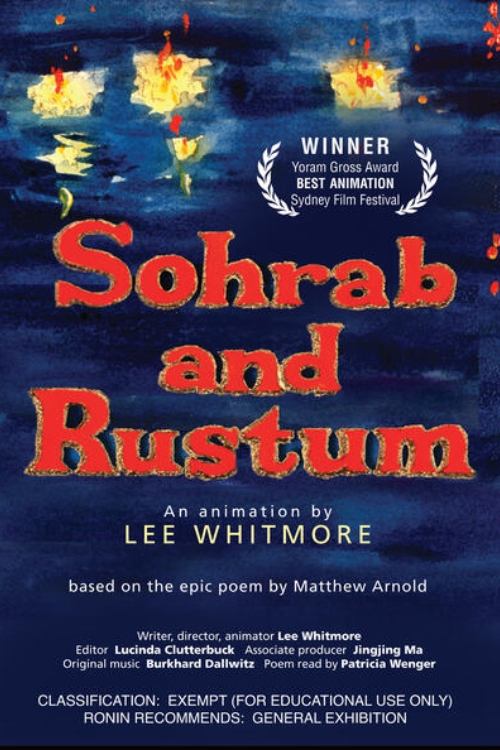
An inspiring English teacher transports her class into the very heart of a Persian poem.
The metamorphosis of a map of Canada into human forms who share the natural resources to the rhythm of a dance.
After receiving the key to the city for their heroic efforts, Rocket J. Squirrel notices that Bullwinkle falls in love with a robotic moose. Unbeknownst to him, inside the moose is Boris Badinov, who, along with Natasha Fatale and Fearless Leader, are carrying out another plan to eliminate Rocky & Bullwinkle.
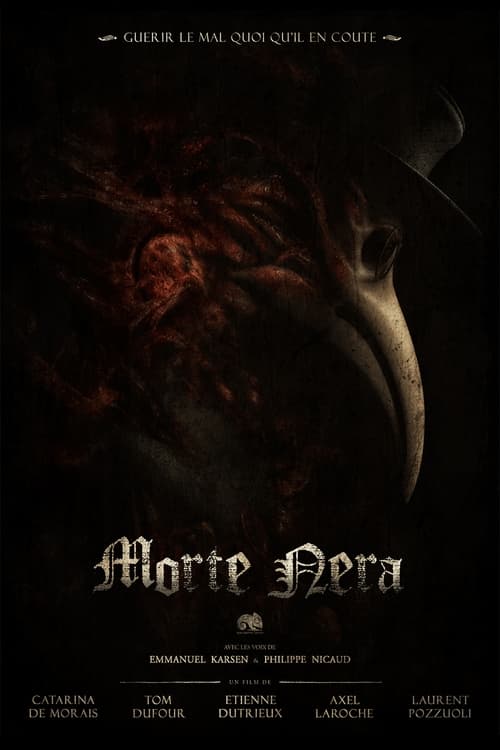
Florence, 1631. The black plague rages, the streets are deserted, healthy citizens are confined. Alvise, a plague doctor, discreetly paces the city in search of infected bodies to conduct his experiments, in the hope of finding a cure. One day, during an autopsy, a strange creature springs from one of the corpses...
Director helmut Dietls and Patric Susskinds illustrate a legendary story of two lovers who cant keep themselves away from death.
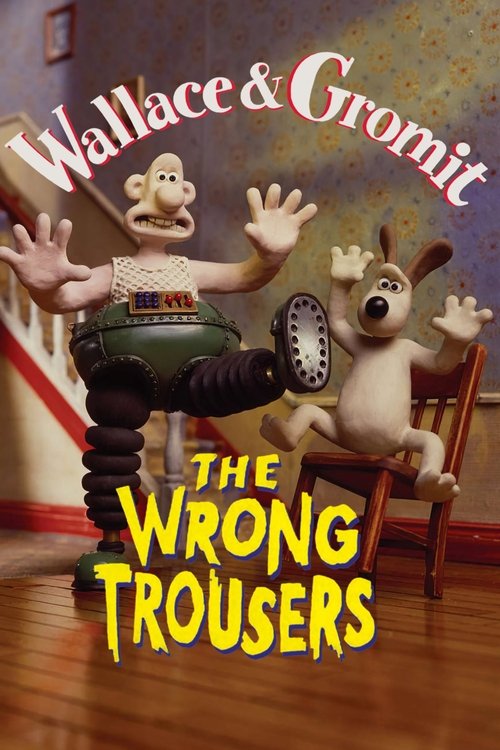
Wallace rents out Gromit's former bedroom to a penguin, who takes up an interest in the techno trousers created by Wallace. However, Gromit later learns that the penguin is a wanted criminal.
The story of Nellie the Indian Chief's Daughter.
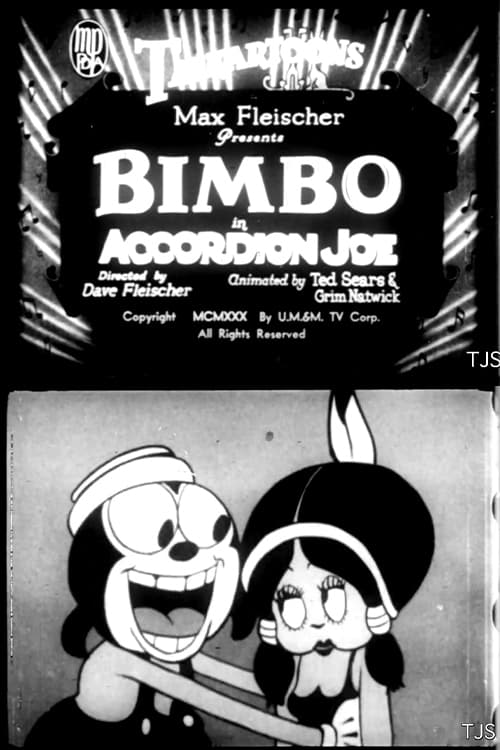
Bimbo becomes a long distance accordion champ and comes through with a load of credit.
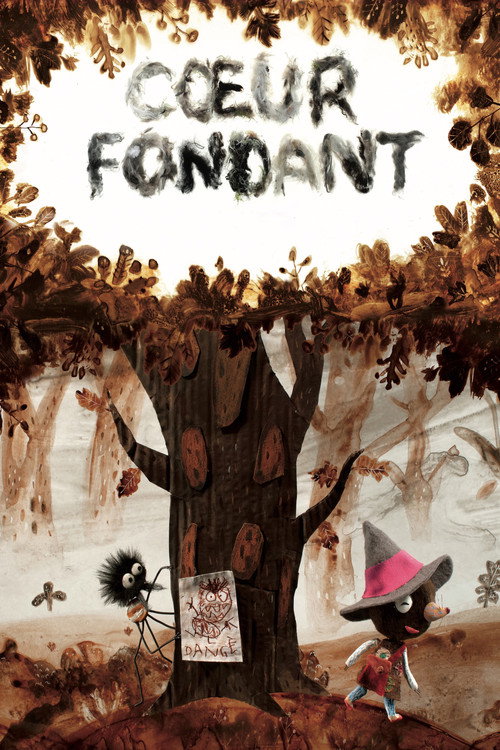
Anna wants to share her chocolate cake with her friend and ends up living an adventure through the forest, where the terrible bearded giant is the new inhabitant. In fact, all the animals that she meets are disappearing. Does the giant need company?