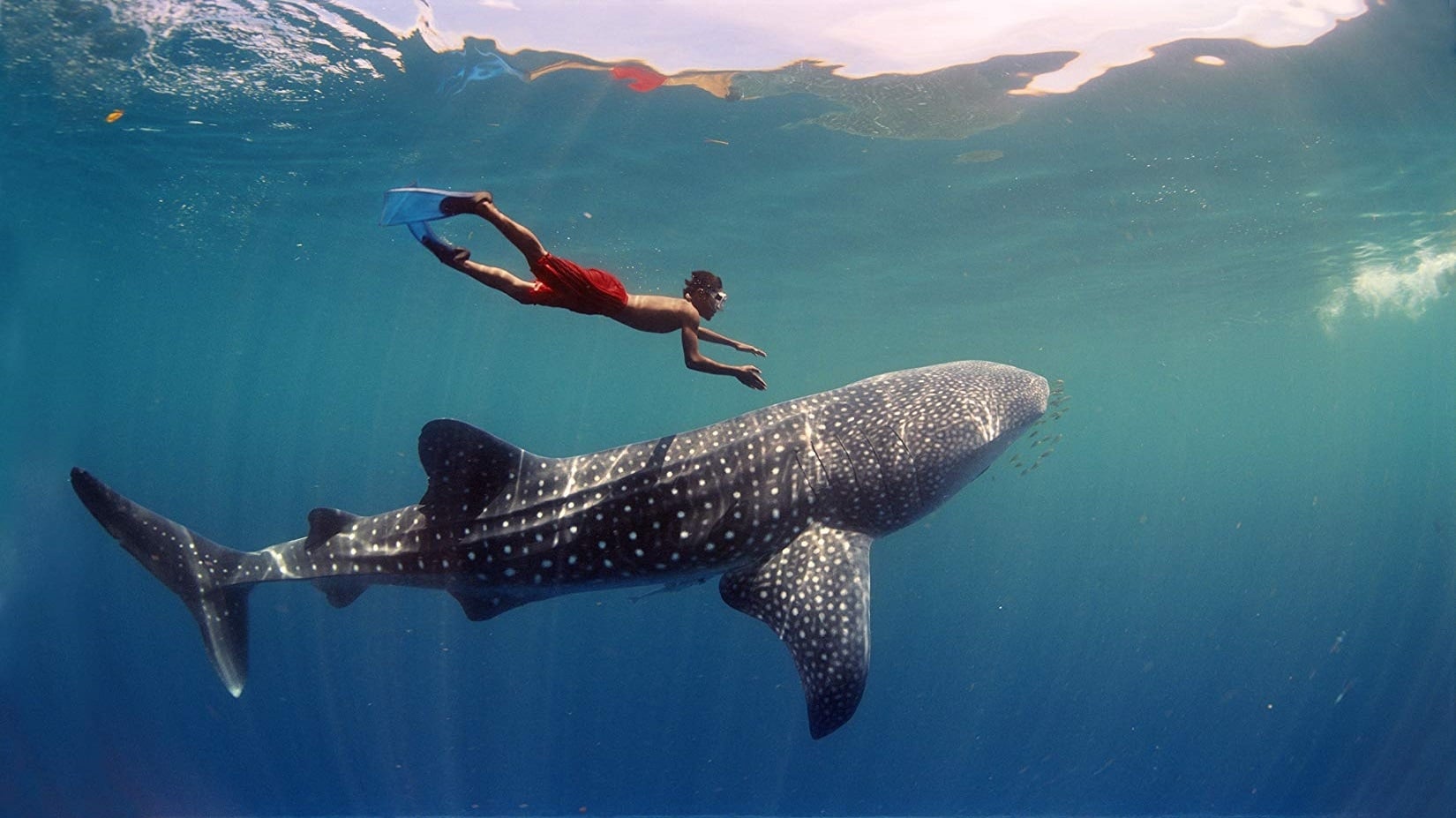
An underwater voyage to Indonesia to learn about its inhabitants such as giant rays and whale sharks as well as efforts being made in the region for ocean conservation.
narrator
Trailer
Norfolk Island, 800 miles off the coast of Australia, is home to some of the largest tiger sharks in the world. As strange as it sounds, some think this small island in the middle of the South Pacific has become like a drive-thru burger joint for tiger sharks to gorge on meat. For the first time, scientists are diving in to answer why there are so many huge tigers there. Shark biologists Lauren Meyers, Charlie Huveneers and Adam Barnett lure the giants to their boat to investigate and make a surprising discovery.
No overview available.
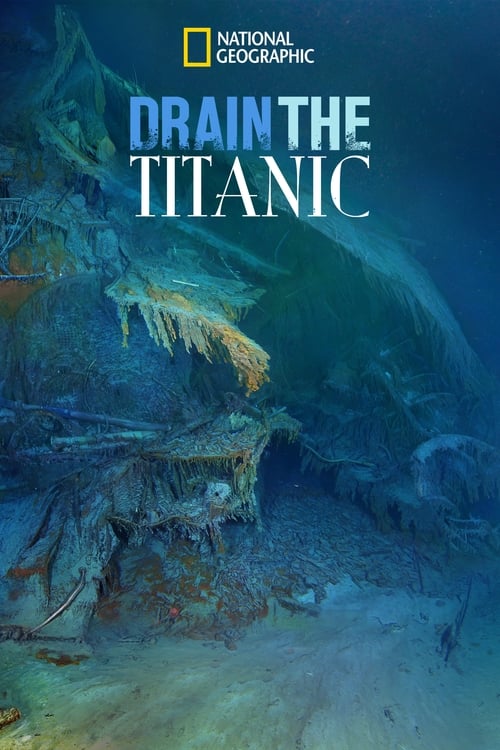
Computer-generated imagery and other visualization techniques reveal how it would look if all the water was removed from RMS Titanic's final resting place.
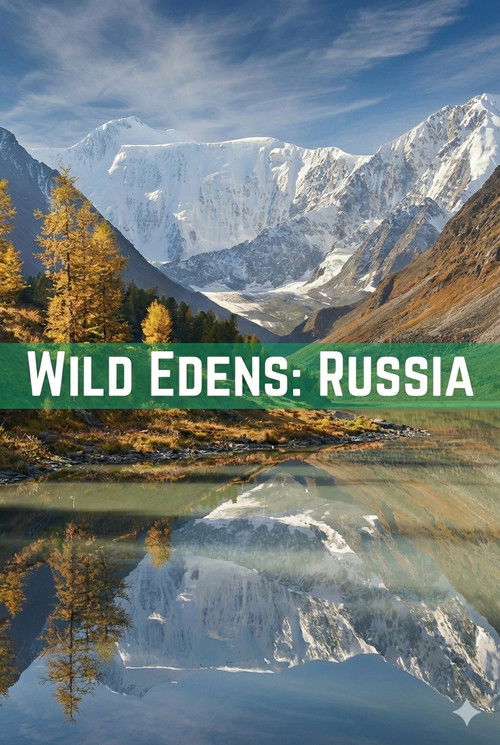
The documentary features some of the least explored parts of Russia: Altai, Amur, Kamchatka, Yamal, and the Arctic. In each region, the crew uncovered how species have adapted to Russia's challenging terrain: from polar bears, hunting on melting ice caps, and musk oxen coping with punishing Arctic conditions, to the toad-headed agama lizards doing their best to survive in the scorched desert near the Caspian Sea. These precious habitats and the animals that call them home are under direct threat from climate change as a result of global warming occurring around the world. The film captures the incredible diversity of this immense wilderness, demonstrate the shooting process of the film, and lead you to think what might be done to mitigate such potential destruction.
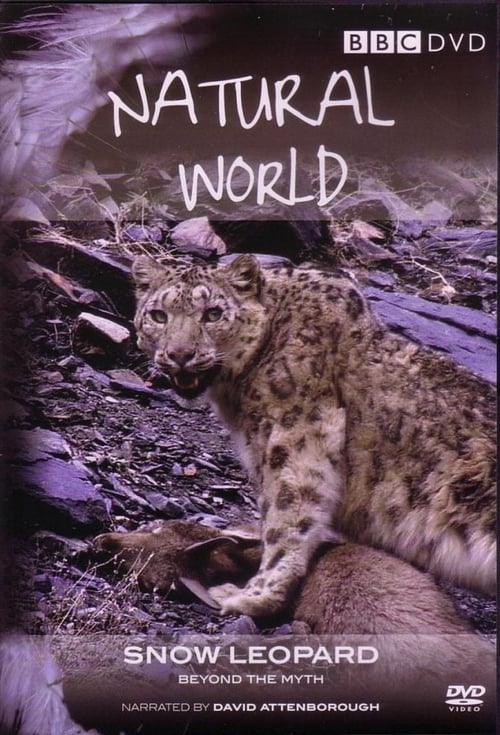
BBC The Natural World. In 2004, a team from the Planet Earth series captured the first ever film of a wild snow leopard in the mountains of Pakistan. For Nisar Malik, who led the expedition, these images sparked a passion that compelled him to return. With cameraman Mark Smith, he spent two years documenting the snow leopard's daily life, finally lifting the veil on the most elusive of all cats.
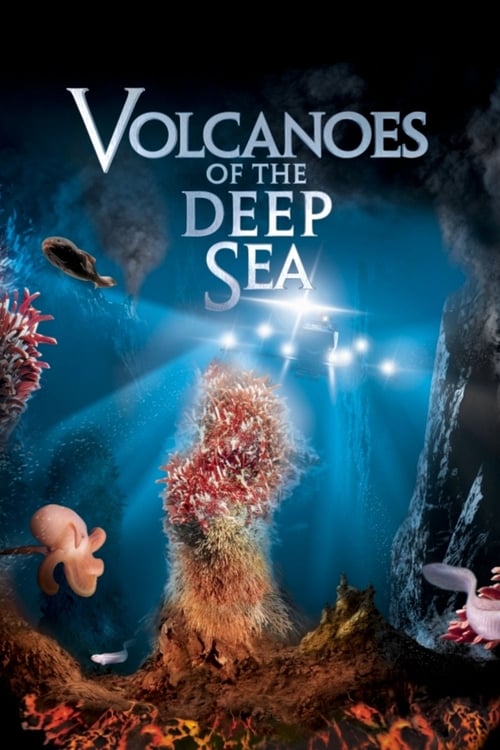
12,000 feet down, life is erupting. Alvin, a deep-sea mechanized probe, makes a voyage some 12,000 feet underwater to explore the Azores, a constantly-erupting volcanic rift between Europe and North America.
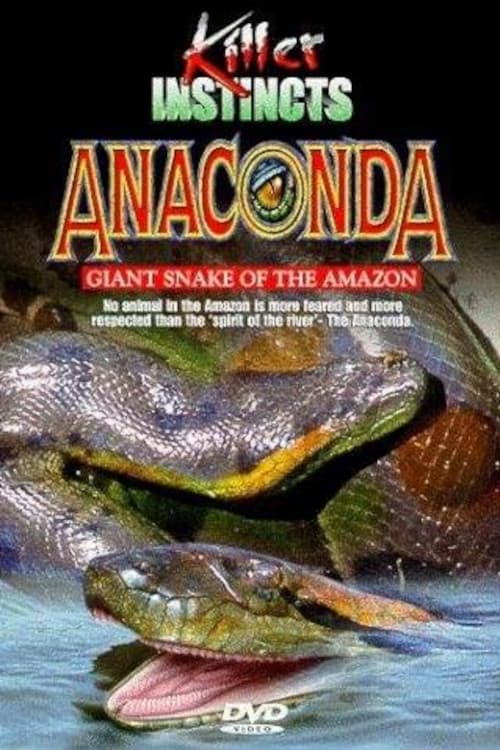
No animal in the Amazon is more feared and more respected than the 'spirit of the river' - The Anaconda
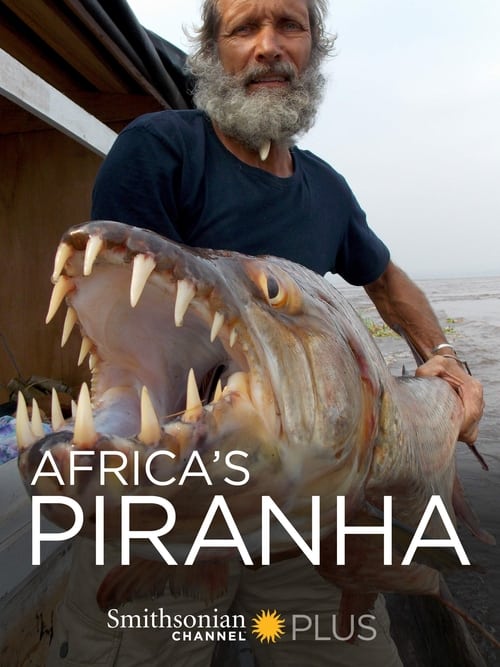
The plains of Africa have always been a hotbed of predator action, but lurking in its rivers is perhaps its most elusive killer: the Goliath tigerfish. Legends say they are man-eaters, that even crocodiles fear them. Locals call them "demon fish" but angling legend Andy Coetzee calls them something else: an obsession. He dives into the predator-infested Okavango Delta and the treacherous Congo River on a mission to finally land what is considered to be the hardest fish in the world to catch.
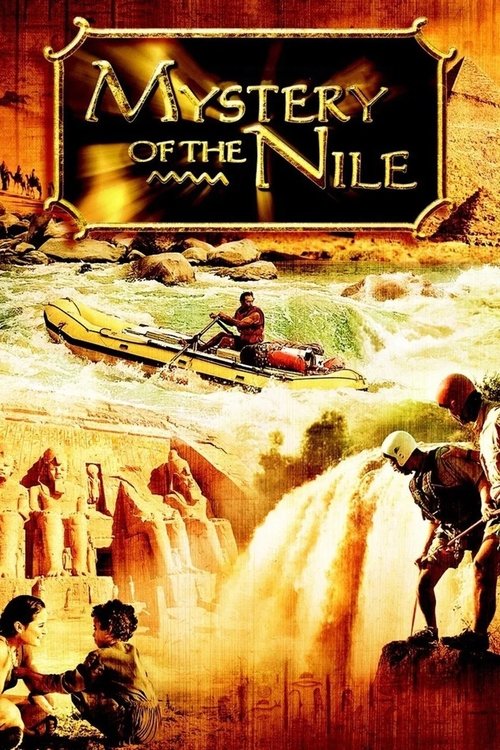
Filmed in IMAX, a team of explorers led by Pasquale Scaturro and Gordon Brown face seemingly insurmountable challenges as they make their way along all 3,260 miles of the world's longest and deadliest river to become the first in history to complete a full descent of the Blue Nile from source to sea.
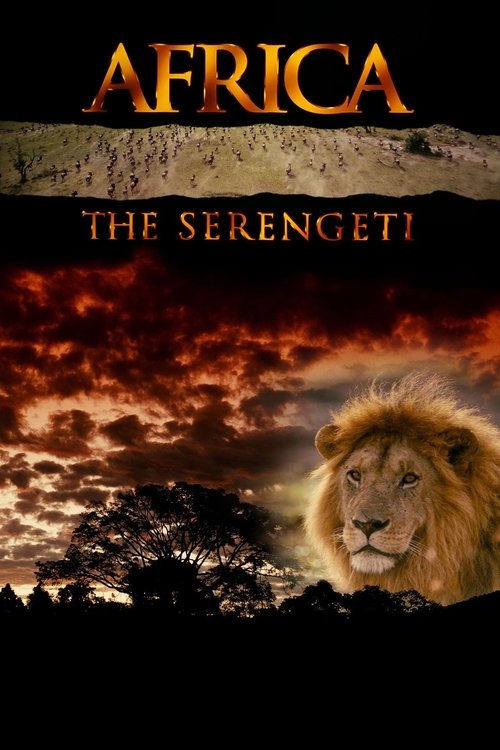
The equation of life on the Serengeti is simple: carnivores eat plants, herbivores eat carnivores. Africa: The Serengeti takes you on an extraordinary journey to view a spectacle few humans have ever witnessed. The Great Migration. Journey with more than two million wildebeests, zebras and antelopes in their annual 500 mile trek across the Serengeti plains
Alaska... Here, in this vast and spectacularly beautiful land teeming with abundant wildlife, discover the "Spirit of the Wild." Experience it in the explosive calving of glaciers, the celestial fires of the Aurora Borealis. Witness it in the thundering stampede of caribou, the beauty of the polar bear and the stealthful, deadly hunt of the wolf pack.
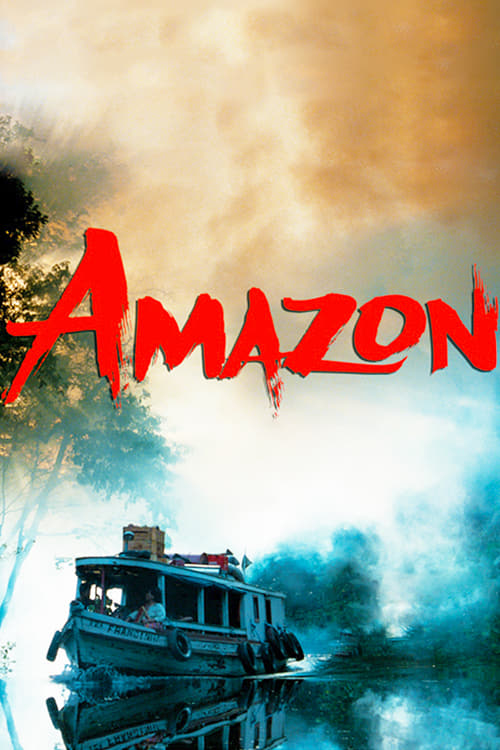
Explore the mysterious Amazon through the amazing IMAX experience. Amazon celebrates the beauty, vitality and wonder of the rapidly disappearing rain forest.
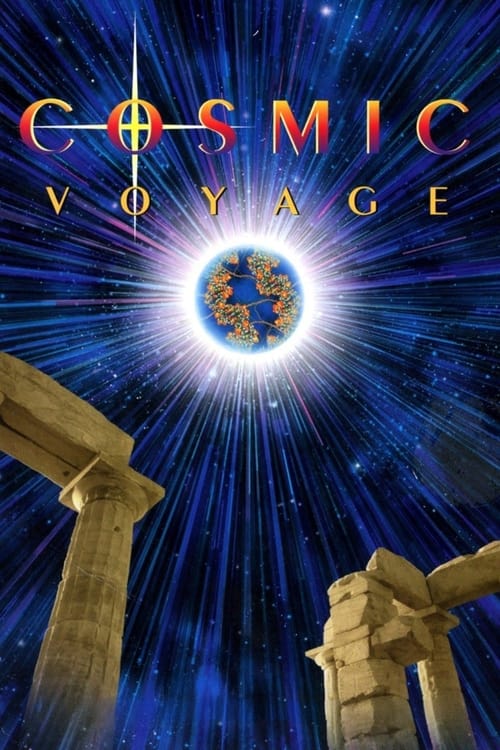
The Academy Award® nominee Cosmic Voyage combines live action with state-of-the-art computer-generated imagery to pinpoint where humans fit in our ever-expanding universe. Highlighting this journey is a "cosmic zoom" based on the powers of 10, extending from the Earth to the largest observable structures in the universe, and then back to the subnuclear realm.
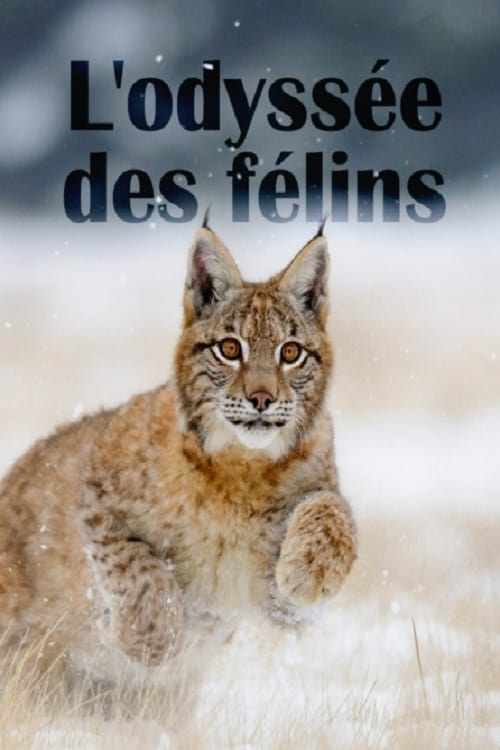
In the company of zoologist Patrick Aryee, a discovery of the 37 species of felines that inhabit the planet, some little known, others threatened.
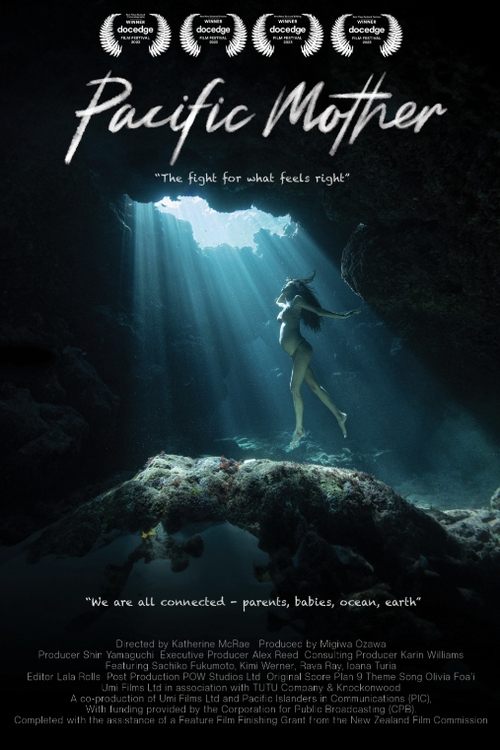
Pacific Mother journeys from Japan, to Hawaii, Tahiti, Rarotonga and Aotearoa to share interwoven stories of formidable women who live at one with the Pacific Ocean – freediving, spearfishing and paddling waka through its depths and playing with their children in its shallows – a stark contrast to fast-paced lifestyles of larger towns or cities. These women are all mothers who experienced diverse births in hospital, at home and by the sea, with and without medical assistance. Fukumoto also meets Māori and Japanese midwives who share indigenous traditions and rituals around birth that have been lost over recent generations, and are now gradually being reclaimed. Their stories demonstrate just how disconnected the global default maternity system is from the instinctive and cultural needs of mothers and families. They inspire a call to action on birthing rights, as well as a call for parents’ reconnection with their role as nurturers and protectors of their natural environment.
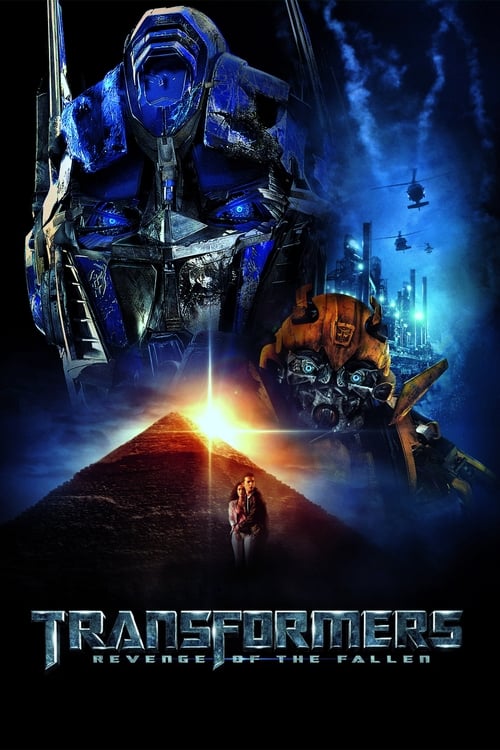
Sam Witwicky leaves the Autobots behind for a normal life. But when his mind is filled with cryptic symbols, the Decepticons target him and he is dragged back into the Transformers' war.
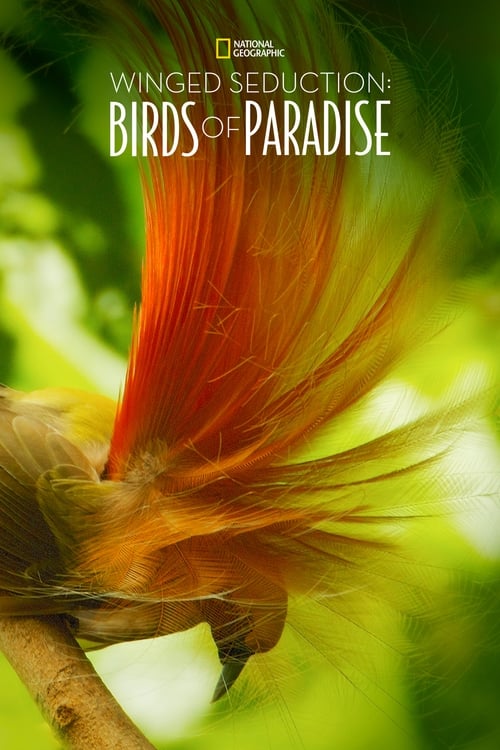
Tim Laman a photographer for National Geographic and ornithologist Ed Scholes have been traveling to some of the most remote jungles the world has to offer in search of observing and photographing all 39 species of tropical bird. This particular group of birds are entitled as the “Birds of Paradise” and can be found in some of the last truly wild locations of New Guinea.
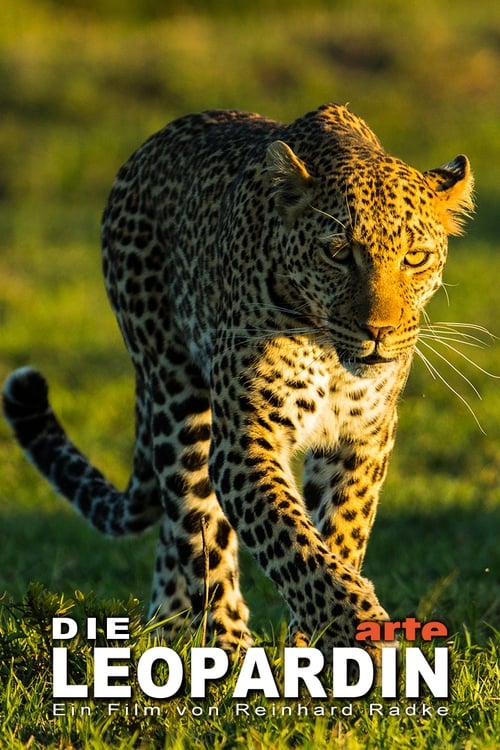
Leopards are considered to be extremely shy big cats. Only a few animals can match the elegance of these feline predators. The cautious hunters are rarely seen in the wild for more than a few seconds. The cats can be observed more extensively when they rest asleep in a tree and recover from the mostly nocturnal hunt. But a leopardess has switched to hunting in broad daylight. Its home along the brook bed of the Olare Orok offers everything a mother needs to protect and nourish its offspring: picturesque rocks and dense bush, a landscape in which the big cat can disappear in seconds to sneak up on potential prey, which includes warthogs and antelopes. But hyenas and lions are always ready to contest for its territory and nourishment. The renowned wildlife filmmaker Reinhard Radke managed to capture astonishing insights into the social life and hunting tactics of the ambush hunters in the Maasai Mara.
Marine conservationist and social media activist Ocean Ramsey fearlessly swims with sharks in this documentary about her risky mission to protect them.
As co-created by environmentalists Stephan Poulle and Nicolas Koutsikas, the documentary Gulf Stream and the Next Ice Age argues and provides evidence for the idea that mankind is wreaking permanent and potentially irreversible damage on the ecosystem by interfering with the natural course of the Gulf Stream. Koutsikas and Poulle suggest that this interference, in turn, will prompt a new Ice Age that virtually destroys the modern world.