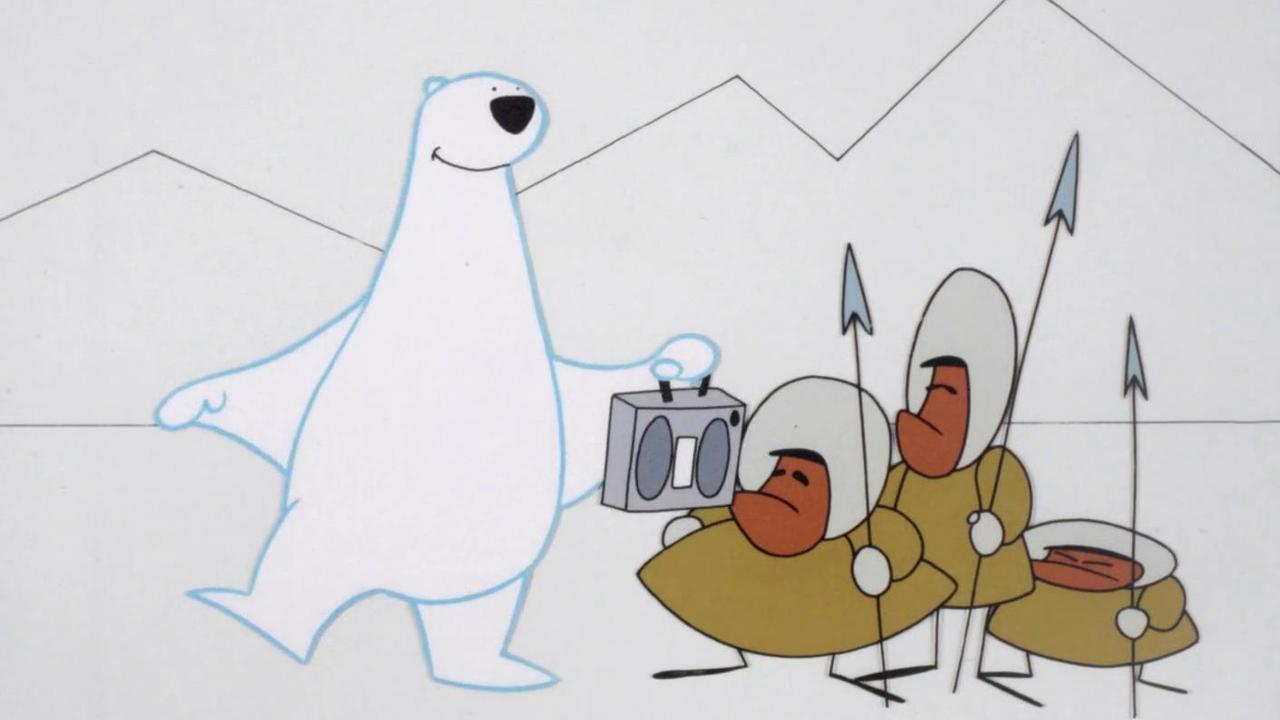
A polar bear is hunted by Eskimos. But suddenly the hunt gets interrupted. Preserved by the Academy Film Archive.
No Trailers found.
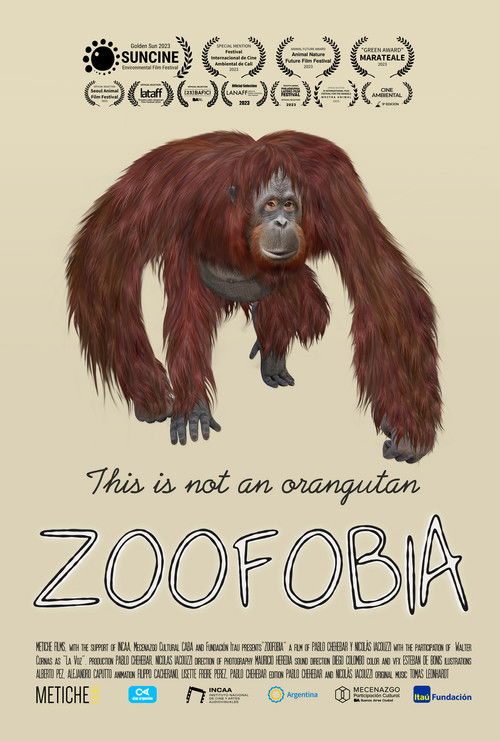
The tragic death of a polar bear triggers the end of the Buenos Aires Zoo. A superhero lover lawyer asks a court to declare the orangutan Sandra a Non-Human Person and revolutionizes the planet. A very Argentine story, full of passions, embarrassing missteps and memorable characters.
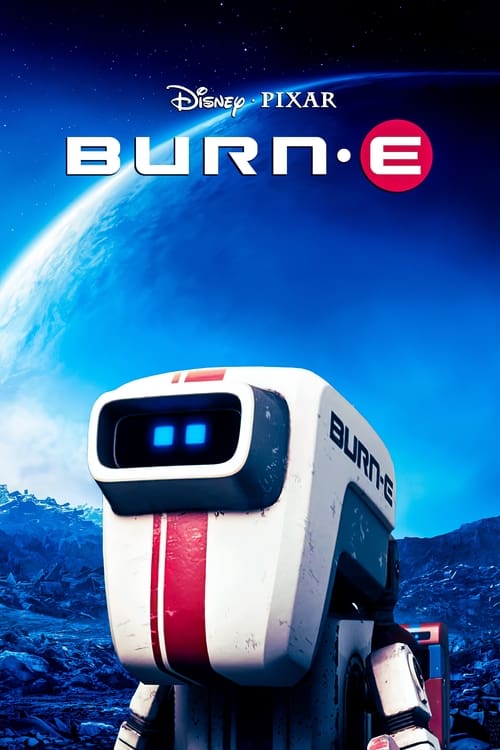
What lengths will a robot undergo to do his job? BURN·E is a dedicated hard working robot who finds himself locked out of his ship. BURN·E quickly learns that completing a simple task can often be a very difficult endeavor.
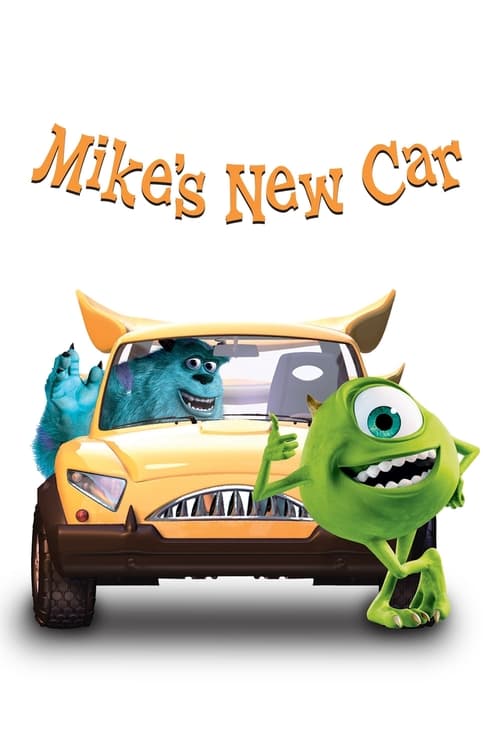
Mike discovers that being the top-ranking laugh collector at Monsters, Inc. has its benefits – in particular, earning enough money to buy a six-wheel-drive car that's loaded with gadgets. That new-car smell doesn't last long enough, however, as Sulley jump-starts an ill-fated road test that teaches Mike the true meaning of buyer's remorse.
The Parrs' baby Jack-Jack is thought to be normal, not having any super-powers like his parents or siblings. But when an outsider is hired to watch him, Jack-Jack shows his true potential.
With one coin to make a wish at the piazza fountain, a peasant girl encounters two competing street performers who'd prefer the coin find its way into their tip jars. The little girl, Tippy, is caught in the middle as a musical duel ensues between the one-man-bands.
Mater, the rusty but trusty tow truck from Cars, spends a day in Radiator Springs playing scary pranks on his fellow townsfolk. That night at Flo's V8 Café, the Sheriff tells the story of the legend of the Ghostlight, and as everyone races home Mater is left alone primed for a good old-fashioned scare.
There's nothing like a restful nap in a pleasant wooded valley. But when André awakens and is greeted by a pesky yellow-and-black striped insect with a nasty stinger, he ends up taking a quick (and painful) hike.
Life as the sole sale item in the clearance corner of Eben's Bikes can get lonely. So Red, a unicycle, dreams up a clown owner and his own juggling act that steals the show. But all too soon, the applause turns into the sound of rainfall, as reality rushes back. Red must resign himself to sitting in the corner and await his fate.
Babies are hardly monster-like, unless you're a toy. After escaping a drooling baby, Tinny realizes that he wants to be played with after all. But in the amount of time it takes him to discover this, the baby's attention moves on to other things only an infant could find interesting.
Life on a shelf as a snowman trapped in a snow-globe blizzard can become wearing, especially when you're surrounded by knickknacks from sunnier locales. When the jaded snowman finally breaks free of his glass house, his vacation plans are cut short.
An aging codger named Geri plays a daylong game of chess in the park against himself. Somehow, he begins losing to his livelier opponent. But just when the game's nearly over, Geri manages to turn the tables.
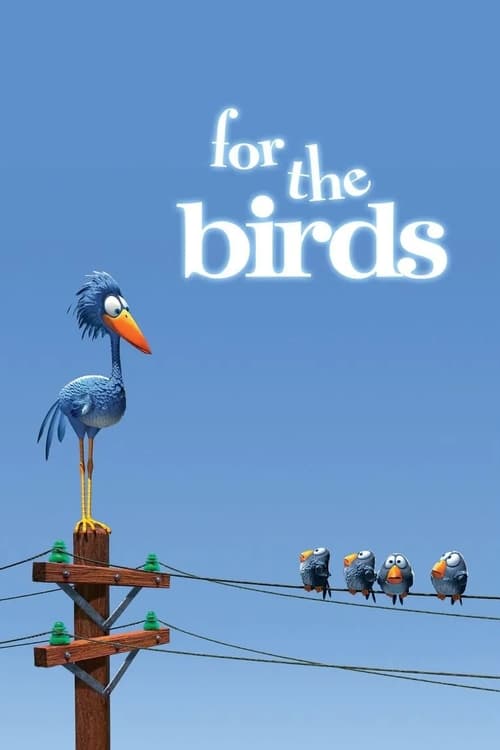
One by one, a flock of small birds perches on a telephone wire. Sitting close together has problems enough, and then comes along a large dopey bird that tries to join them. The birds of a feather can't help but make fun of him - and their clique mentality proves embarrassing in the end.
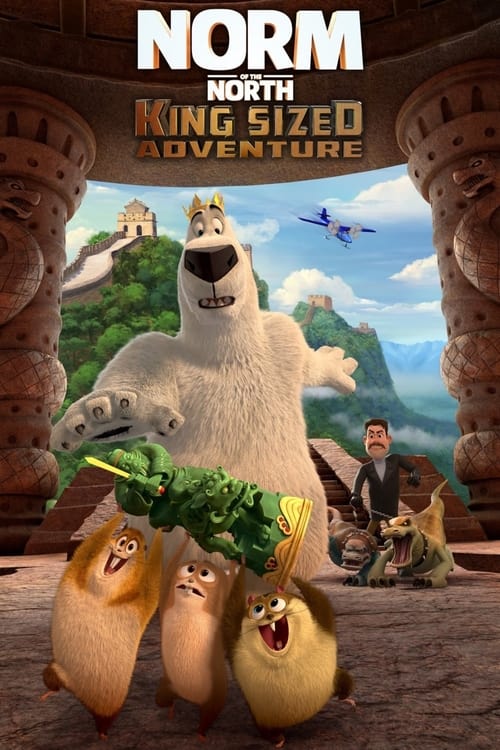
An ancient Chinese artifact has been stolen by a villainous archaeologist named Dexter. With the help of his Lemming friends, Norm must keep his word and embark on a journey across the world to help recover the artifact for the people of China.
Dignity. Poise. Mystery. We expect nothing less from the great turn-of-the-century magician, Presto. But when Presto neglects to feed his rabbit one too many times, the magician finds he isn't the only one with a few tricks up his sleeve!
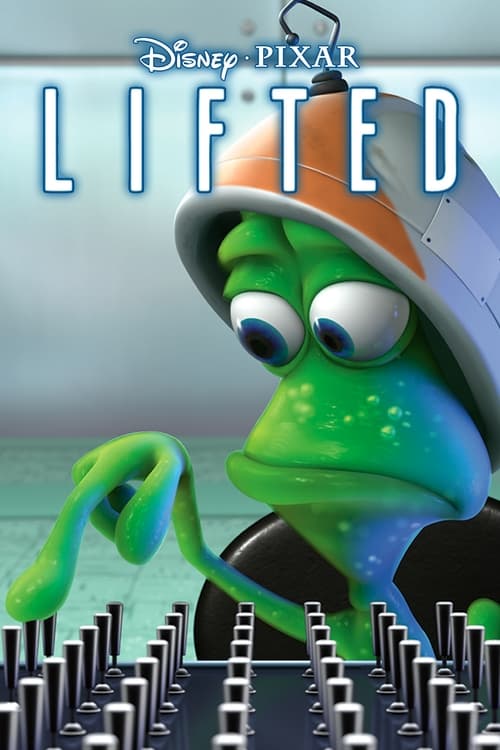
When an overconfident teen alien gets behind the controls of a spaceship, he must attempt to abduct a slumbering farmer under the watchful eye of a critical instructor. But abducting humans requires precision and a gentle touch, and within a few missteps it's painfully clear why more humans don't go missing every year.
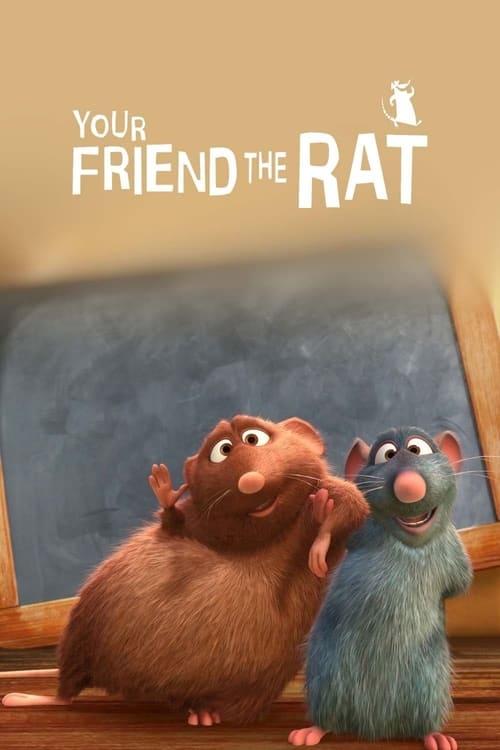
Let's face it, rats are not the most beloved creatures on earth. However, maybe this little tale about the history of human and rat interaction will change the world's tune. At least that is the hope of Remy, the star of Ratatouille, and his reluctant brother Emile as they guide us through world history from a rat's perspective. Why can't we all just get along?
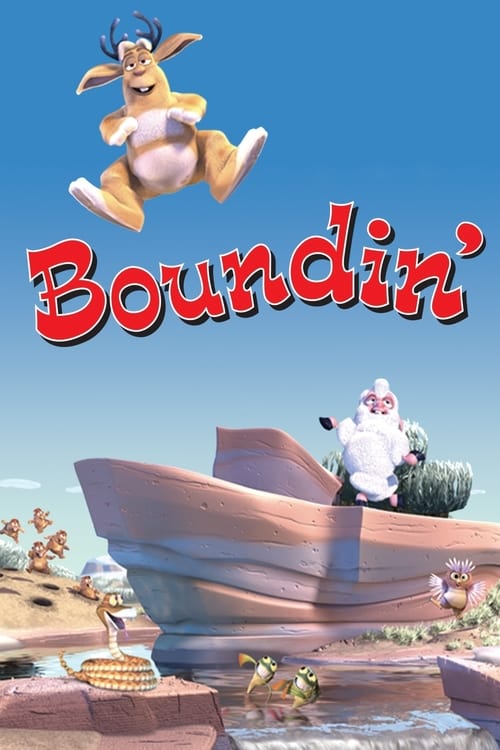
On a high mountain plain lives a lamb with wool of such remarkable sheen that he breaks into high-steppin' dance. But there comes a day when he loses his lustrous coat and, along with it, his pride. It takes a wise jackalope - a horn-adorned rabbit - to teach the moping lamb that wooly or not, it's what's inside that'll help him rebound from life's troubles.
Mountain Music illustrates what happens when technology gets too advanced too soon. Preserved by the Academy Film Archive in 2012.
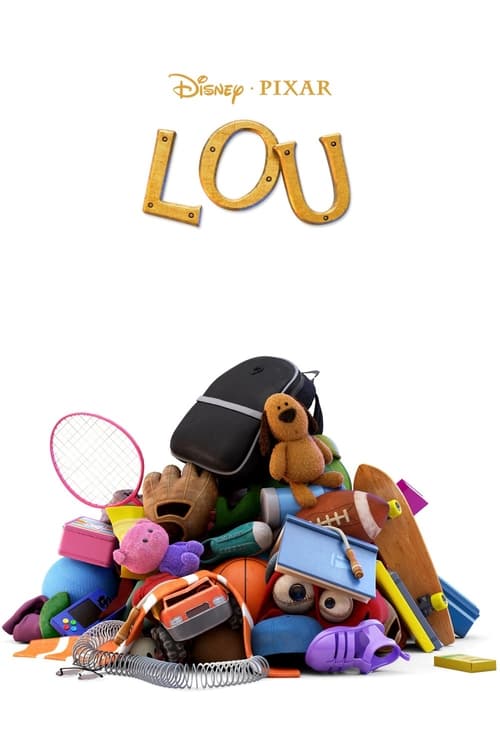
A Pixar short about a lost-and-found box and the unseen monster within.
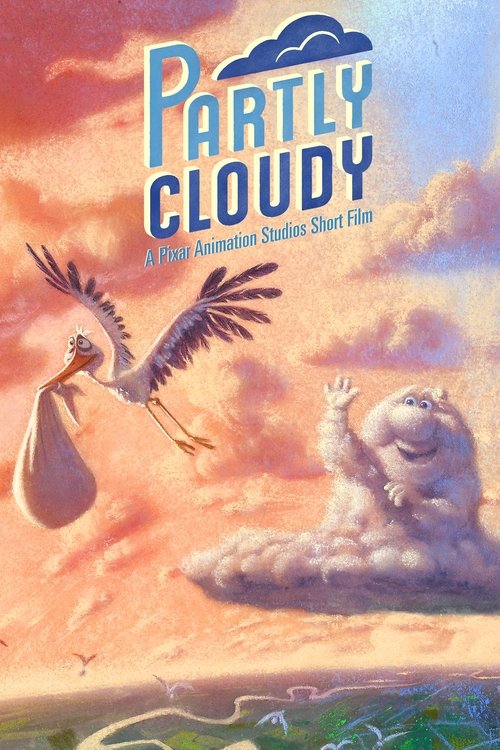
Everyone knows that the stork delivers babies, but where do the storks get the babies from? The answer lies up in the stratosphere, where cloud people sculpt babies from clouds and bring them to life. Gus, a lonely and insecure grey cloud, is a master at creating "dangerous" babies. Crocodiles, porcupines, rams and more - Gus's beloved creations are works of art, but more than a handful for his loyal delivery stork partner, Peck. As Gus's creations become more and more rambunctious, Peck's job gets harder and harder. How will Peck manage to handle both his hazardous cargo and his friend's fiery temperament?
Oohk (voice)
Bahr (voice)
Uhk (voice)
Eehk (voice)