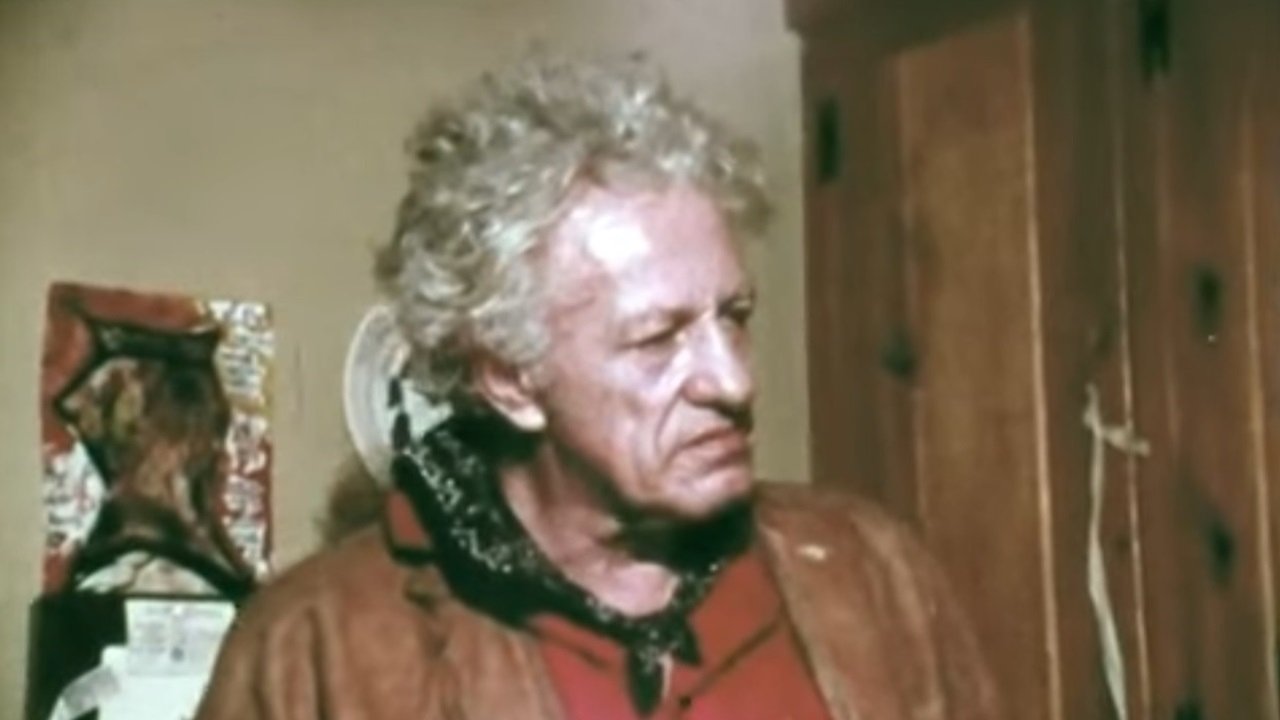
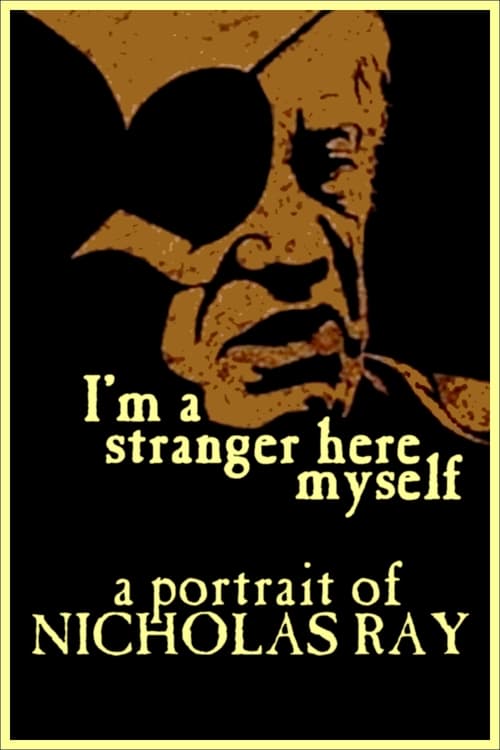
A portrait of legendary filmmaker Nicholas Ray while he is working as a film professor at a college in upstate New York.
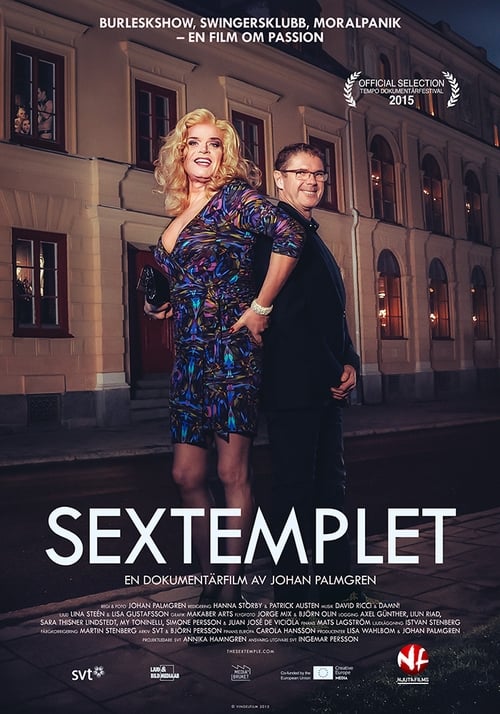
Robin ownes a beautiful old theatre in Norrköping, Sweden. There he lives with his husband. To solve a critical financial situation for the theatre, Robin puts up an equivoque burlesque show. In the middle of rehearsals he gets a phone call from Christian, the owner of a swingers club, who is in desperate need of new facilities because of a terrible fire that ruined his club. Renting out the cellar is a very interesting option for Robin and soon the two new friends start to cooperate while the town of Norrköping is in rage. The dream of Cristian is to make a big swingers party in the whole theatre and sometimes dreams come true.
A documentary following Zhou Yuanquiang, a cultural worker in Jingdezhen, China who makes movies with untrained local actors.
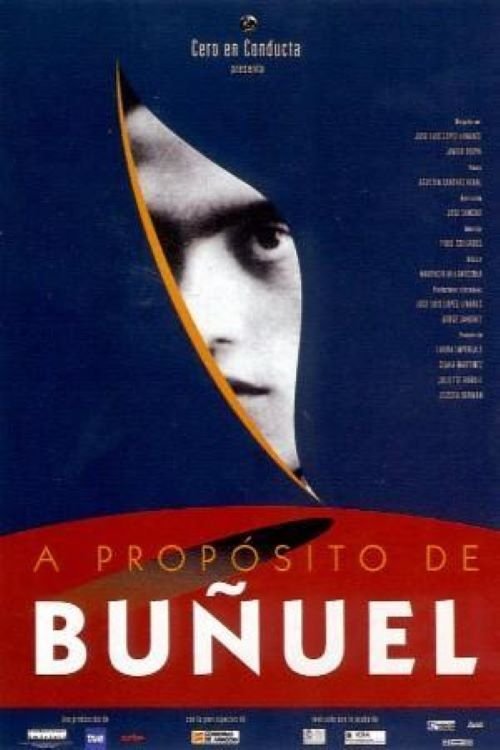
Surrealist master Luis Buñuel is a towering figure in the world of cinema history, directing such groundbreaking works as Un Chien Andalou, Exterminating Angels, and That Obscure Object of Desire, yet his personal life was clouded in myth and paradox. Though sexually diffident, he frequently worked in the erotic drama genre; though personally quite conservative, his films are florid, flamboyant, and utterly bizarre.
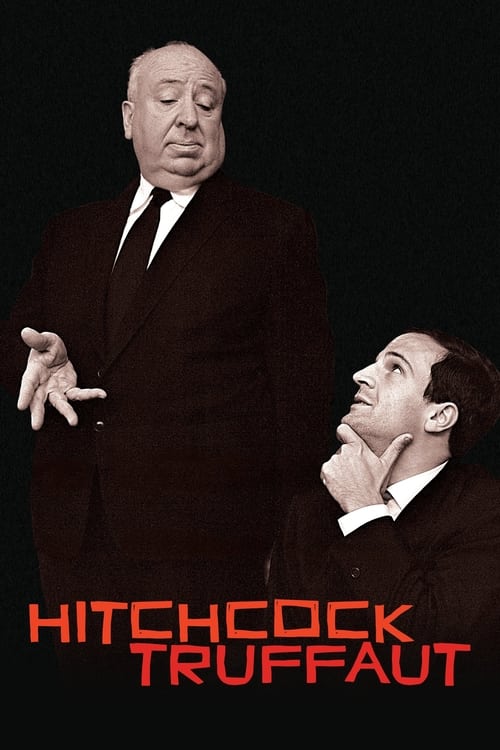
Filmmakers discuss the legacy of Alfred Hitchcock and the book “Hitchcock/Truffaut” (“Le cinéma selon Hitchcock”), written by François Truffaut and published in 1966.
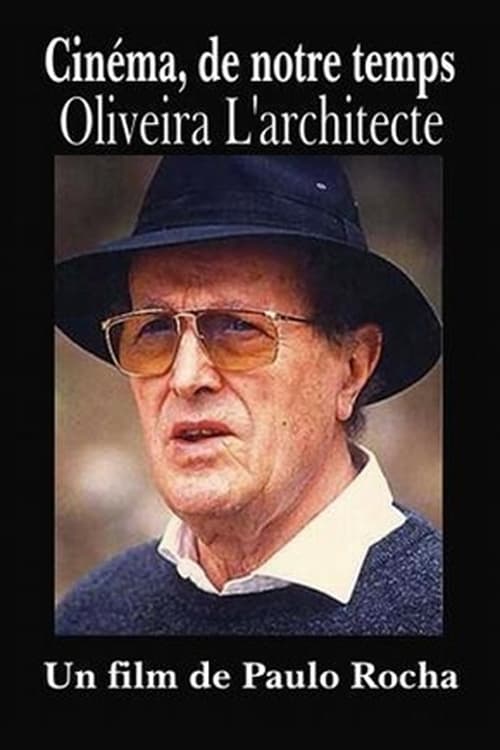
Paulo Rocha catches up with his “beloved subject” in Porto, where he made Douro, Faina Fluvial in 1929, and where today Oliveira reminisces about the figure of his father, his first experience of cinema as an actor, his past as a racing driver, his first technical experiences…
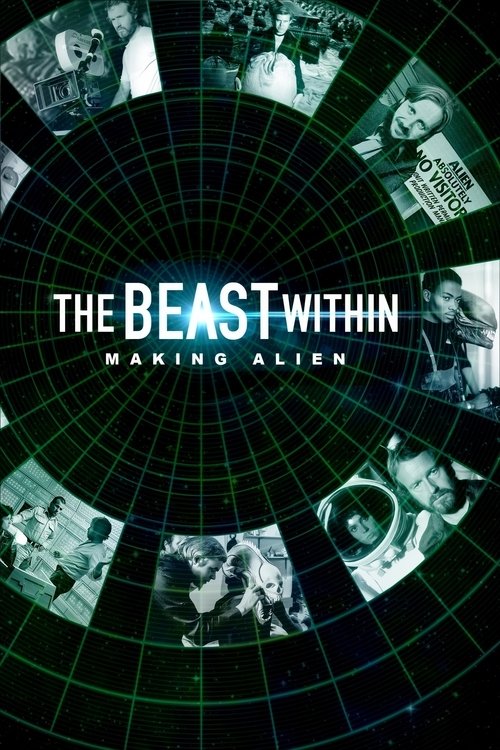
A behind-the-scenes look at the making of “Alien,” the terrifying classic about a spaceship crew trapped with a hideous monster that's hunting them one by one.
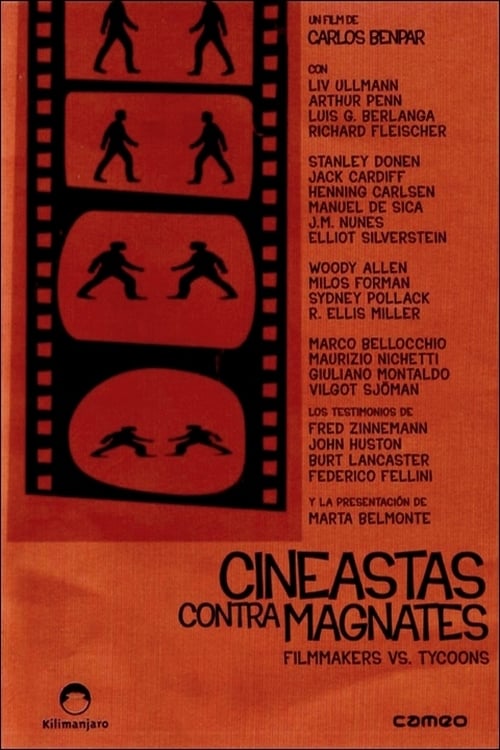
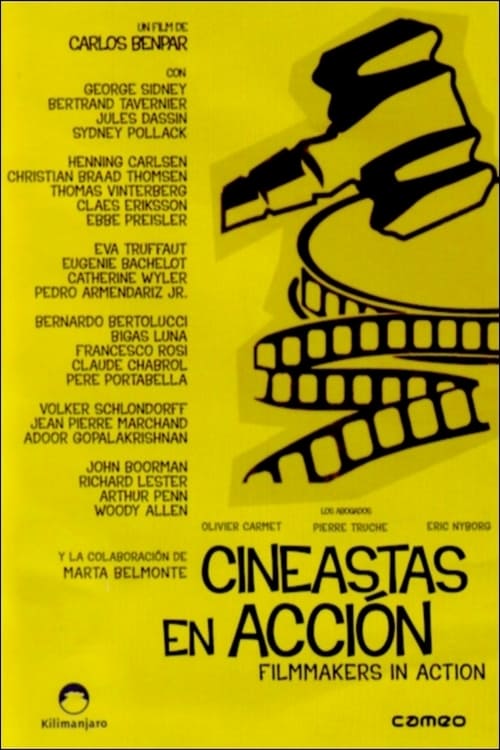
How the cinema industry does not respect the author's work as it was conceived, how manipulates the motion pictures in order to make them easier to watch by an undemanding audience or even how mutilates them to adapt the original formats and runtimes to the restrictive frame of the television screen and the abusive requirements of advertising. (Followed by “Filmmakers in Action.”)
What is the state of cinema and what being a filmmaker means? What are the measures taken to protect authors' copyright? What is their legal status in different countries? (Sequel to “Filmmakers vs. Tycoons.”)
What we tend to identify with the acting profession has little to do with what is really this profession. Thirty-six Spanish actors reflect on their work and contrasted their experiences. As thread, the contrast between the voices of veterans and images of young theater students , for whom everything is still possible. Among the many actors are interviewed Javier Bardem, Antonio Banderas, Victoria Abril, Carmen Maura, Fernando Fernán Gómez, José Luis López Vázquez, José Coronado, Emma Suarez, Alberto San Juan, Ariadna Gil, Ana Belén, Pilar Lopez de Ayala and many other.
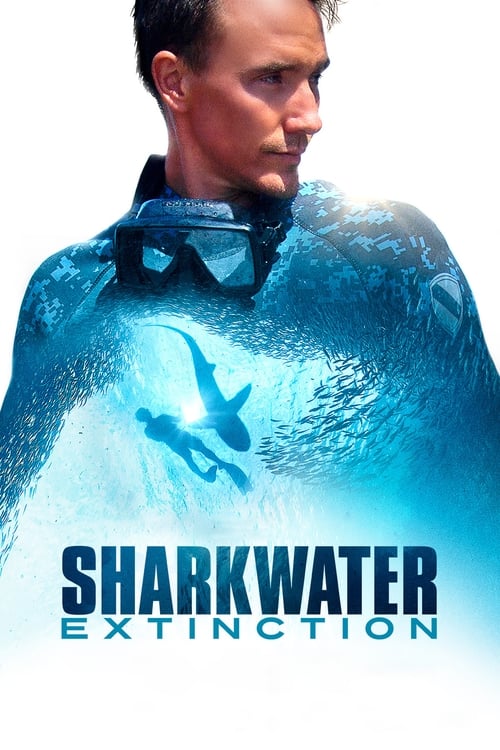
Discovering that sharks are being hunted to extinction, and with them the destruction of our life support system - activist and filmmaker Rob Stewart embarks on a dangerous quest to stop the slaughter. Following the sharks - and the money - into the elusive pirate fishing industry, Stewart uncovers a multi-billion dollar scandal that makes us all accomplices in the greatest wildlife massacre ever known.
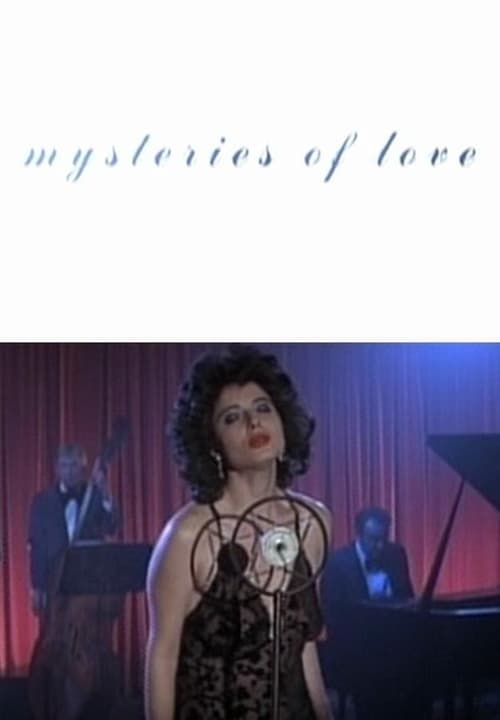
Isabella Rossellini, Kyle MacLachlan, Dennis Hopper, Laura Dern, and producer Fred Caruso are interviewed for this 68-minute documentary about the making of David Lynch's Blue Velvet
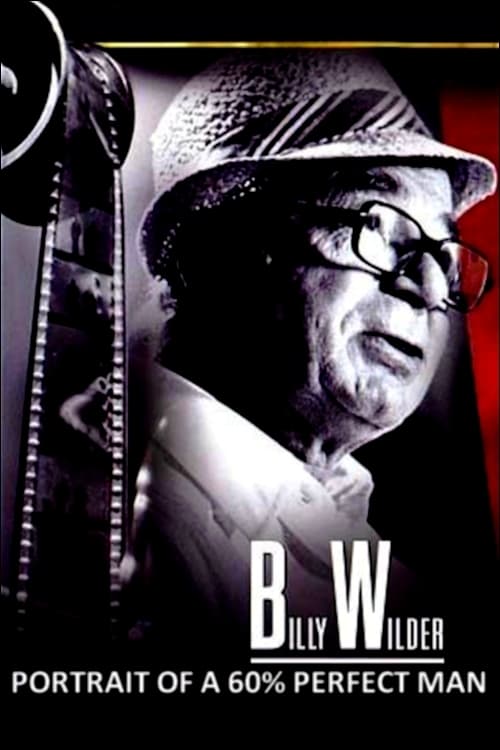
French film critic Michel Ciment interviews Billy Wilder about his life and filmmaking.
In this 5th installment of "The Blackwell Ghost" series, the ghost hunting filmmaker returns to the "Lightfoot House" where he hopes to solve a newly discovered puzzle which may lead to the location of more undiscovered victims.
The evolution of the depiction of the various Native American peoples in cinema, from the silent era to the present day: how their image on the screen has changed the way to understand their history and culture.
Features conversations with ten of the world's greatest living directors: Bernardo Bertolucci, David Lynch, Liliana Cavani, Stephen Frears, Agnes Varda, Ken Loach, Todd Haynes, Catherine Breillat, Richard Linklater and John Sayles. The film documents Ismailos' voyage of discovering the creative personalities behind the camera.
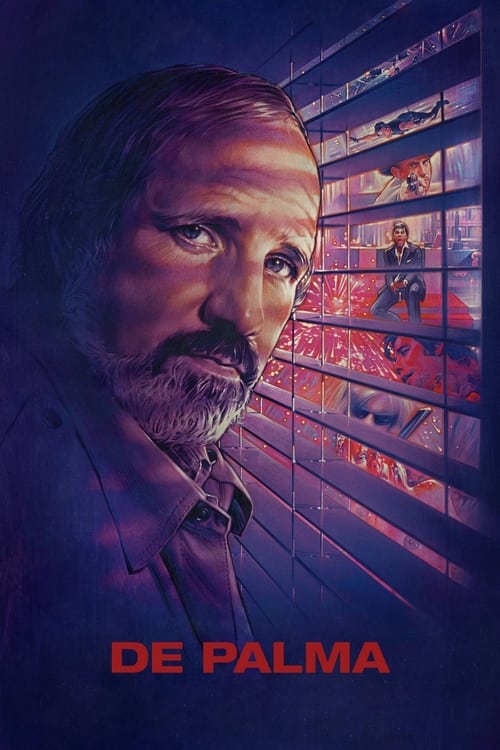
An intimate conversation between filmmakers, chronicling De Palma’s 55-year career, his life, and his filmmaking process, with revealing anecdotes and, of course, a wealth of film clips.
Emir Kusturica views himself as a rock musician and believes that he became a world-famous filmmaker by pure chance, as he shoots his movies only in between concert tours with the “No Smoking Orchestra” band. At these little pinpoints of time he gets “Palms d’Or” at Cannes, “Golden Lions” in Venice, builds his own villages, a power plant and a piste and regrets not becoming a professional football player. Kusturica’s own living is very much similar to his movies, where shoes are polished with cats, death is treated like a story from tabloid press, and life is a miracle...
This documentary interweaves celluloid and voice recordings by Maya Deren, and colleagues who knew her firsthand: Jean Rouch, Jonas Mekas, Alexander Hammid, Cecile Starr etc. Maya Deren (1917-1961) was an experimental filmmaker. In the 1940s and 1950s she made several influential avant-garde films, such as Meshes of the Afternoon (1943). Images from this and her other work are used in this documentary. You can also hear her voice, as well as accounts by contemporaries such as Jean Rouch and Jonas Mekas.
A European director is making a film with children from a social center in Tangiers. Because of his methods, his relationship with the children during shooting degenerates and transforms the evolution of the project.
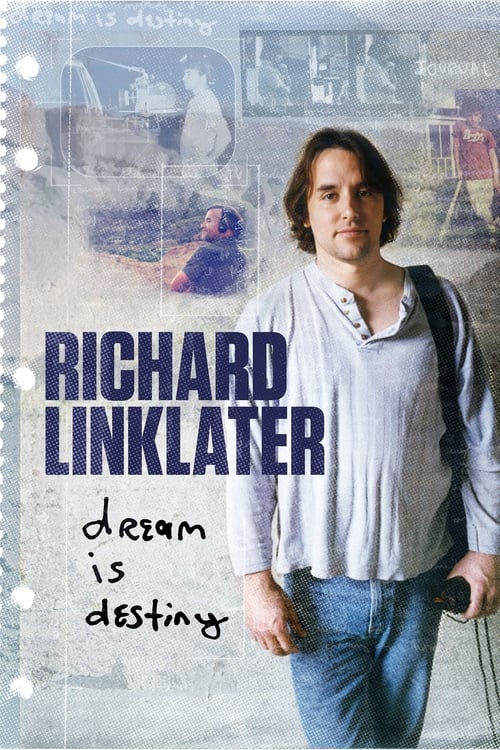
Highlighting one of the most innovative American directors, this film reveals the path traveled by the auteur from his small-town Texas roots to his warm reception on the awards circuit. Long before he directed Boyhood, Richard Linklater’s intense desire to create fueled his work outside the Hollywood system. Rather than leave Texas, he chose to collaborate with like-minded artists crafting modest, low-budget films in a DIY style. His ability to showcase realistic characters and tell honest stories was evident from his films, and others soon took notice of his raw talent.
Narrator (voice)
Self
No Trailers found.