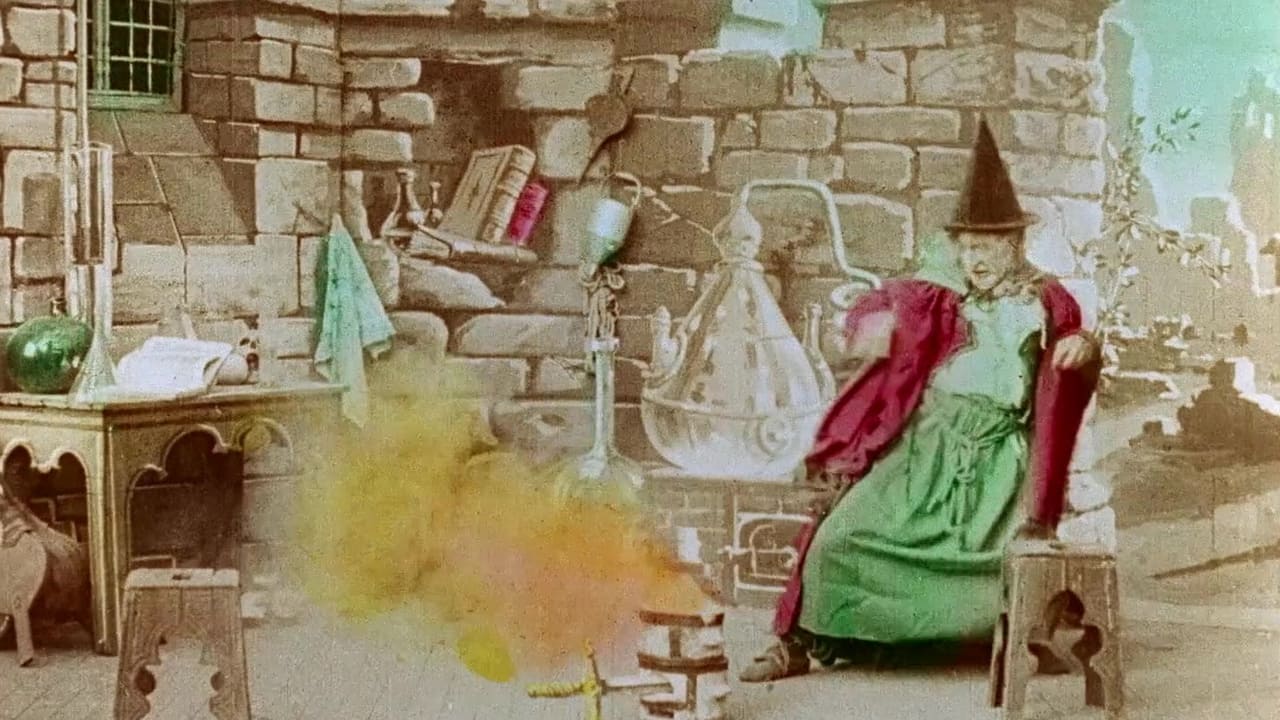
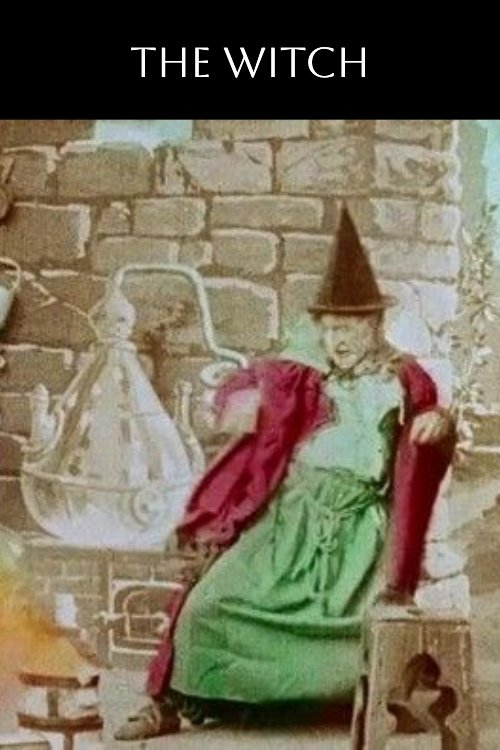
A penniless troubadour consults witch Carabosse about his future, but offends her by paying with a bag of sand. He evades the witch's revenge, and saves the beautiful princess.
No Trailers found.
The Fairy Carabosse
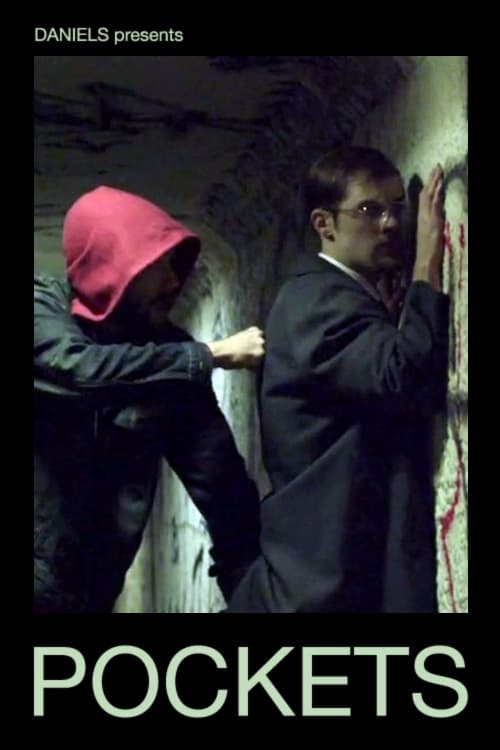
A homeless bum, bored of eating the same food every night, promises his girlfriend a special dinner. He plans to take her out with money robbed from a passing stranger. But the bum’s in for a surprise when the man he targets for his mugging turns out to have special – and hilarious – powers.
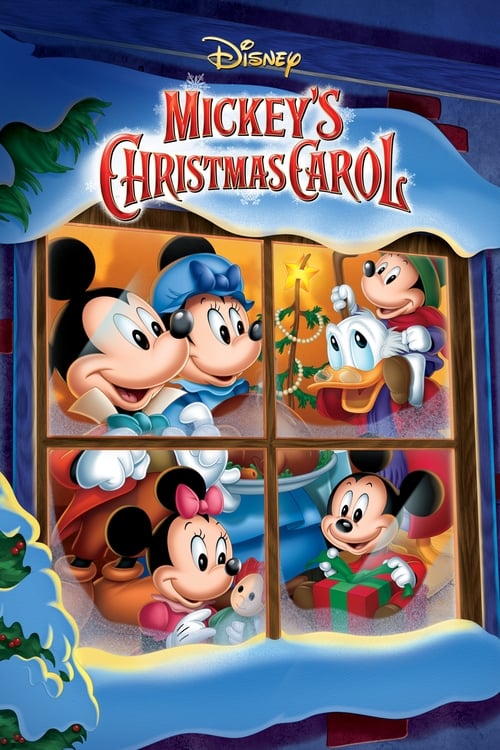
Ebenezer Scrooge is far too greedy to understand that Christmas is a time for kindness and generosity. But with the guidance of some new found friends, Scrooge learns to embrace the spirit of the season. A retelling of the classic Dickens tale with Disney's classic characters.
Mairy, a thirty-year-old woman from Philippines, works in a village in Cyprus. She takes care of Mr. Michalis, an eigthy-five-year-old man with arteriosclerosis. Mr. Michalis spends his days in front of the television, watching time and again a soap opera with a heroine named Anna. He soon becomes obsessed with this heroine, to the point of calling Mairy 'Anna', despite the remarks of his daughter Melpo. When Mairy finds some old photographs she makes an important discovery...
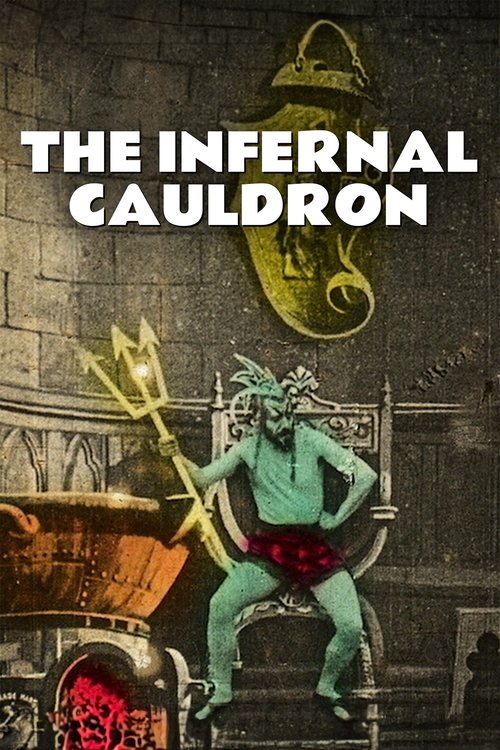
A green-skinned demon places a woman and two courtiers into a flaming cauldron.
This film begins with the invocation of 'almighty god' at a river where several people are gathered. The child god Krishna rises out of the water astride the demon snake Kaliya. Then we see Yashoda as she rocks the sleeping Krishna's crib and imagines the god as Gopala. The next scene shows Kamsa fantasizing about Krishna threateningly duplicated many times around him. Kamsa then imagines himself dead as his severed head rises up and descends again. People of all castes pay obeisance to the deity with the title-card: 'may this humble offering be accepted by the Lord'.
With input from actor and writer Jan Hlobil, director and cinematographer Rene Smaal presents a film in the true surrealist tradition, in the sense that only 'found' elements were used, and that it defies interpretation based on ordinary cause-and-effect time sequence.
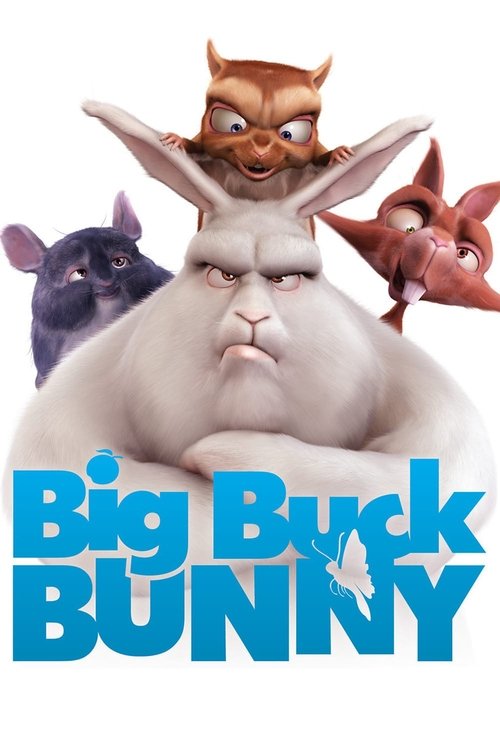
Follow a day of the life of Big Buck Bunny when he meets three bullying rodents: Frank, Rinky, and Gamera. The rodents amuse themselves by harassing helpless creatures by throwing fruits, nuts and rocks at them. After the deaths of two of Bunny's favorite butterflies, and an offensive attack on Bunny himself, Bunny sets aside his gentle nature and orchestrates a complex plan for revenge.
This mostly lost film is often confused with director Paul Wegener third and readily available interpretation of the legend; Der Golem, wie er in die Welt kam (1920). In this version of the golem legend, the golem, a clay statue brought to life by Rabbi Loew in 16th century Prague to save the Jews from the ongoing brutal persecution by the city's rulers, is found in the rubble of an old synagogue in the 20th century. Brought to life by an antique dealer, the golem is used as a menial servant. Eventually falling in love with the dealer's wife, it goes on a murderous rampage when its love for her goes unanswered.
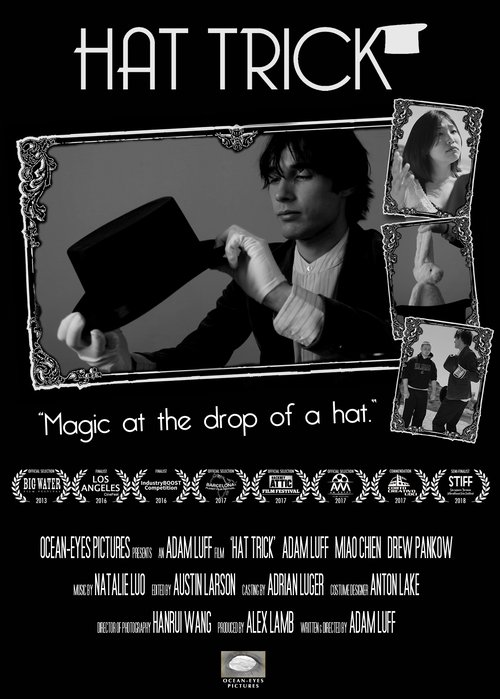
Abraham Cadabra, an unconfident young man buys a magic book and top hat in the hope of using magic to impress the girl of his dreams, Penelope Predicament. However, when he meets her for a date, he discovers that his rival, Jock Strong has beaten him to it. Abraham tries to use magic to win Penelope over, but magic may not be the solution.
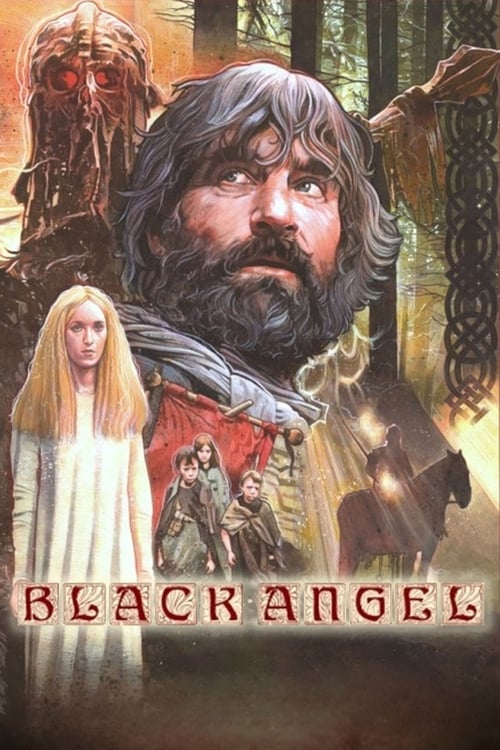
A knight returns home from the Crusades to find his village devastated by disease and his family gone. He roams the forest searching for them, until he finds a mysterious maiden who is being held prisoner by a black knight. In order to free her, he must confront her captor.
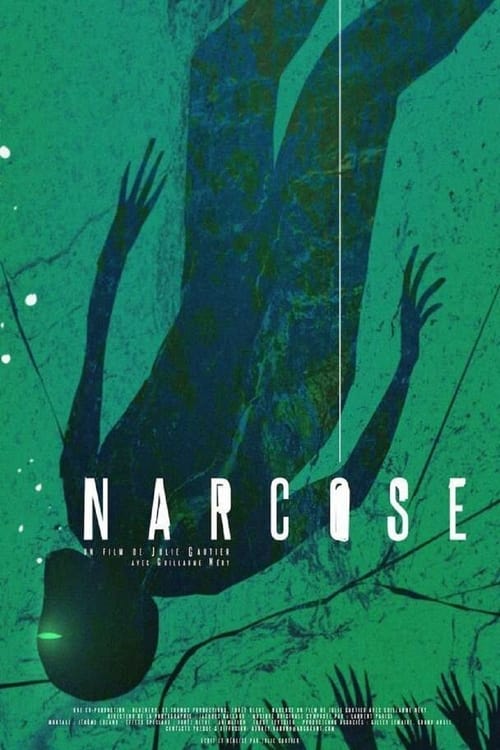
Deep water freediving exposes its practitioners to a form of narcosis, which induces several symptoms, among which a feeling of euphoria and levity that earned this phenomenon its nickname of "raptures of the deep". The short film relates the interior journey of Guillaume Néry, the apnea world champion, during one of his deep water dives. It draws its inspiration from his physical experience and the narrative of his hallucinations.
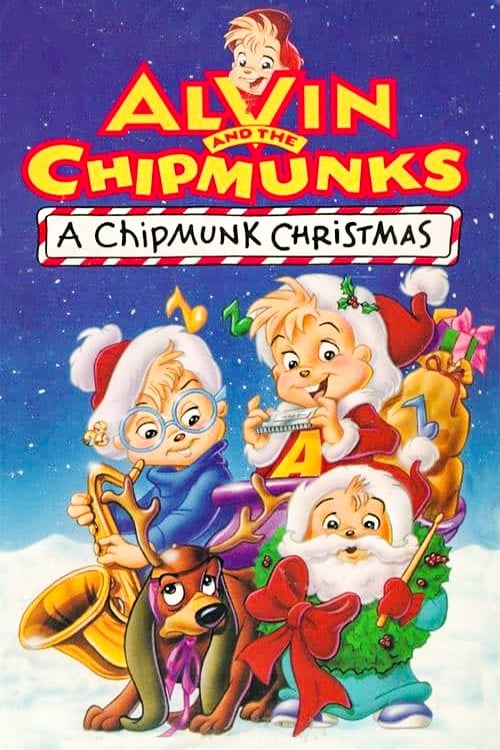
Alvin learns the true meaning of Christmas.
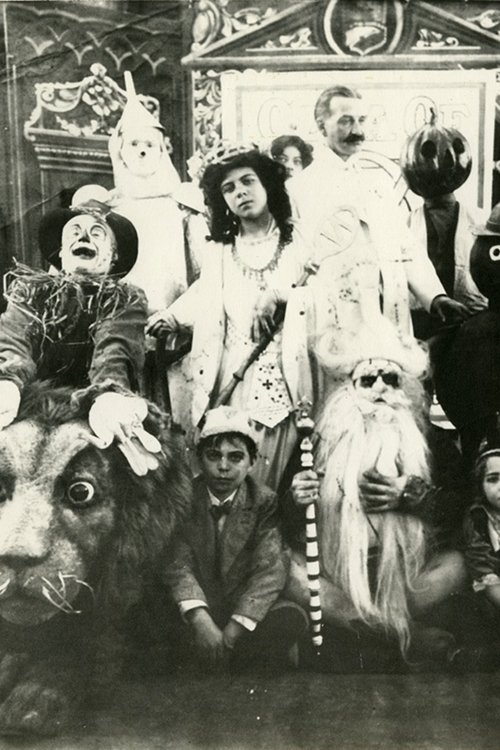
L. Frank Baum would appear in a white suit and present his live actors, slide shows and films as a live travelogue presentation of his popular fantasies. Highlights include Dorothy being swept to Oz in various ways, such as with back-projection tornadoes and storms in a chicken coop. Lack of financial backing forced the show to fold after appearing in only two cities, despite being a critical and commercial success. This film is lost.
The Goddess Venus is jealous of the beautiful human girl Psyche and blames her pet unicorn, Unico, as Psyche's source of good luck that keeps her from the harm of the goddess' cruel intentions. Unico has the amazing power to make anyone he meets happy. Whether it's because of his personality or the powers of his horn, no one knows. Venus has Unico banished, and the West Wind now takes Unico from one place and time to the next. Taken to a heavily polluted city, Unico meets a sickly girl named Chiko who is suffering because of the pollution of a nearby factory that darkens the entire sky. Unico then is determined to cheer her up, cure her, and destroy the nearby factory.
An animated short based on Hans Christian Andersen's tale about a poor young girl with a burning desire to find comfort and happiness in her life. Desperate to keep warm, the girl lights the matches she sells, and envisions a very different life for herself in the fiery flames filled with images of loving relatives, bountiful food, and a place to call home.
A young man's struggle with his sexuality overtakes his life, driving him deep into his subconscious where guilt and fears of physicality chase him still further. Cornered by an intangible terror, he realises he must either break out or break down.
The seven short films making up GENIUS PARTY couldn’t be more diverse, linked only by a high standard of quality and inspiration. Atsuko Fukushima’s intro piece is a fantastic abstraction to soak up with the eyes. Masaaki Yuasa, of MIND GAME and CAT SOUP fame, brings his distinctive and deceptively simple graphic style and dream-state logic to the table with “Happy Machine,” his spin on a child’s earliest year. Shinji Kimura’s spookier “Deathtic 4,” meanwhile, seems to tap into the creepier corners of a child’s imagination and open up a toybox full of dark delights. Hideki Futamura’s “Limit Cycle” conjures up a vision of virtual reality, while Yuji Fukuyama’s "Doorbell" and "Baby Blue" by Shinichiro Watanabe use understated realism for very surreal purposes. And Shoji Kawamori, with “Shanghai Dragon,” takes the tropes and conventions of traditional anime out for very fun joyride.
Mickey walks into the tavern where Minnie is dancing, and begins to dance and play piano himself. Pegleg Pete comes in and treats Minnie badly. Mickey tries to defend her, but Pete steals her away. Mickey, riding Horace Horsecollar, gives chase. He manages to throw Pete off a cliff.
When everyone in town falls under the spell of charismatic cosmetic surgeon Doctor Coppelius, feisty Swan must act to save her sweetheart Franz, before his heart is used to spark life into Coppelia – the ‘perfect’ robot-woman the Doctor has created.
Buster Keaton gets involved in a series of misunderstandings involving a horse and cart. Eventually he infuriates every cop in the city when he accidentally interrupts a police parade.