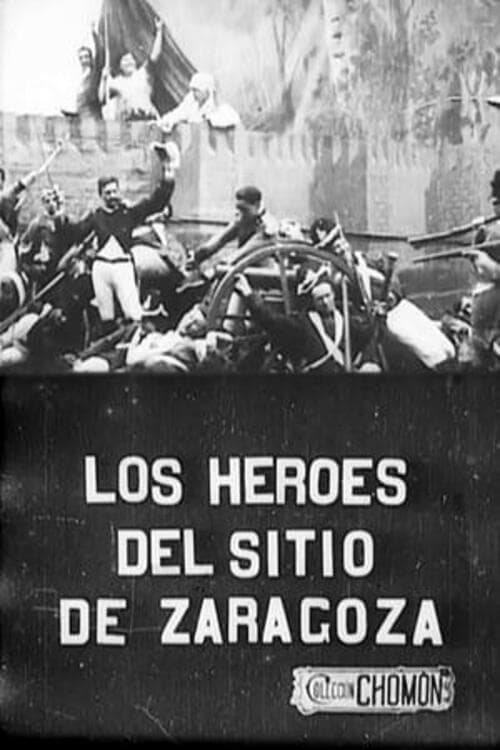
A short drama featuring three fictitious scenes of the Spanish War of Independence (1808-1814).
No Cast found.
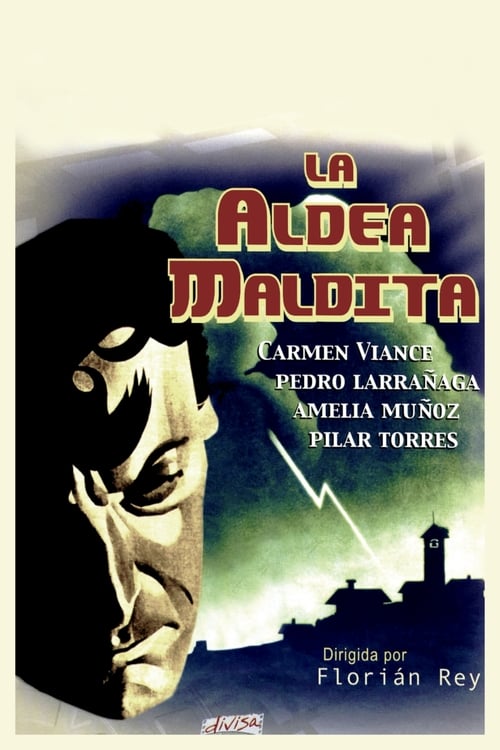
Region of Castilla La Vieja, Spain, early 20th century. In Luján, a village ravaged by drought, Juan, a humble farmer who survives with his wife and son, confronts a local loan shark and is imprisoned as a result.
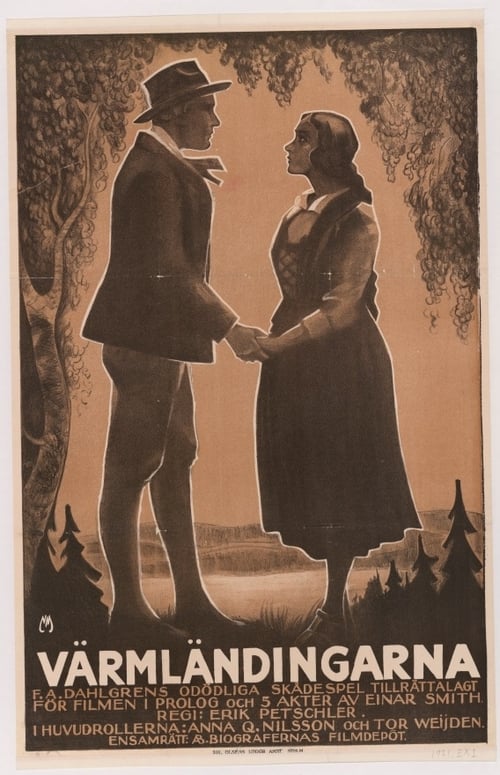
Anna is a poor girl who loves Erik, the son of a rich farmer. His parents are however determined to make Erik marry the rich Britta.
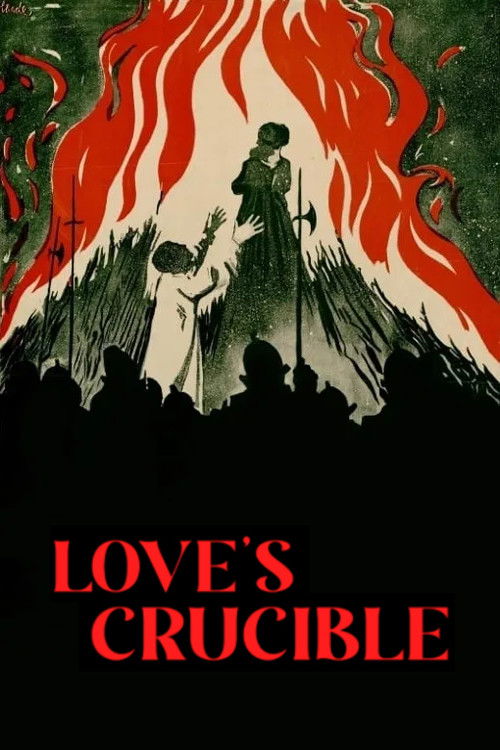
At the end of the middle ages, Ursula is accused of having poisoned her own husband. She claims she is innocent, but to prove it, she must submit to a ritual: trial by fire, walking on fire along a path leading directly to a crucifix. A film that has been much commended for the visual creativity shown by the director in successive blending in of images involving Ursula, her husband, the Virgin Mary, and Jesus Christ. Much applauded, also: the performance of Jenny Hasselqvist, thus described by French director René Clair: “We shall never forget her flaming eyes, the severity of her spirit, her abrupt and alarmed expressions, like an animal under threat.”
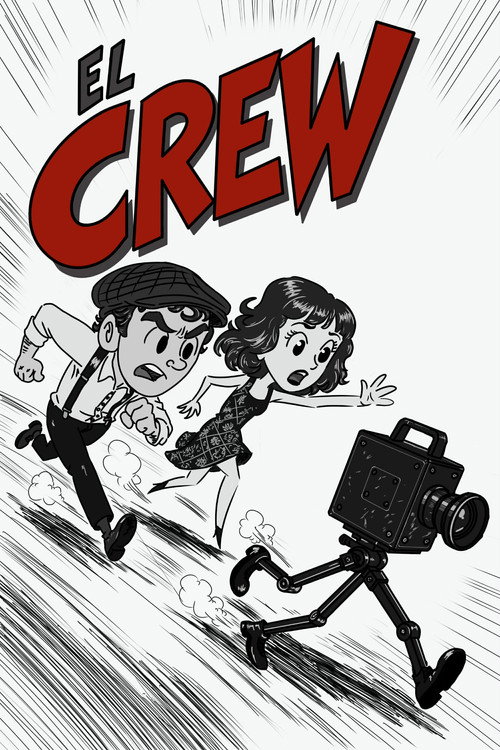
At a train station, a thief steals from a couple while the passengers are getting off the train. The boy runs after the thief and disappears. The girl, alone and lost, decides to go out into the street.
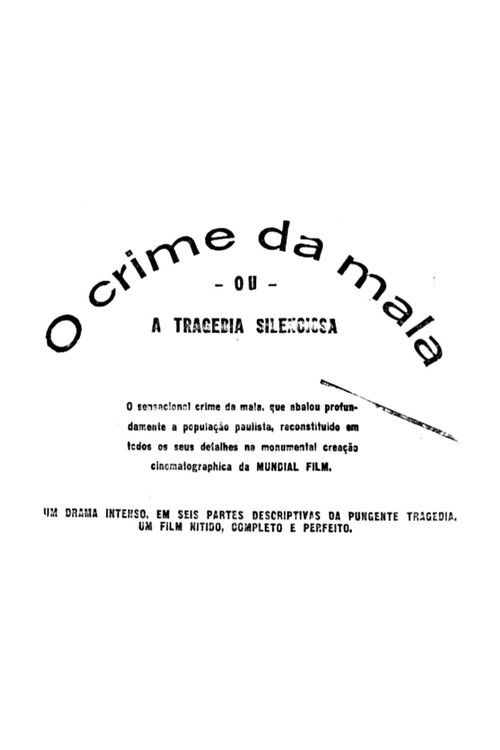
Based on the murder of Maria Fea by her husband, Giuseppe Pistone.
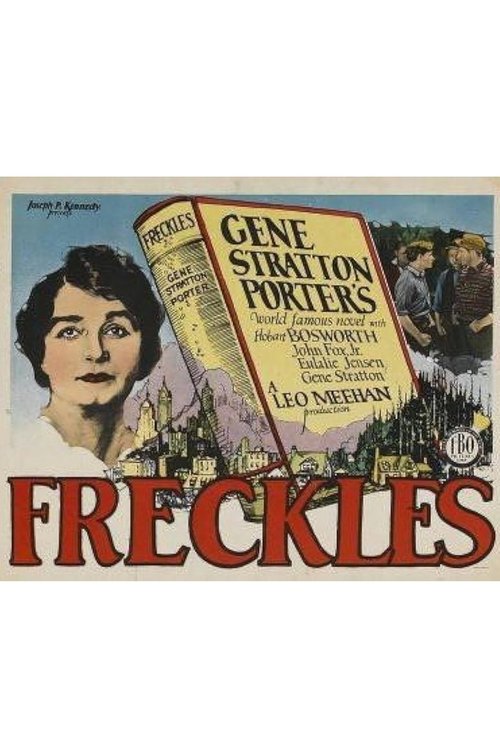
Freckles, an orphan with disabilities, gets a job at McLean's lumber camp as a guard in Limberlost forest. Although the forest is infested with desperate characters, Freckles shows courage and determination. A beautiful girl whom he calls the "Swamp Angel" and the "Bird Woman" assist him in driving off timber thief Wessner and his gang. Later, Freckles refuses a bribe Wessner offers if he will permit Wessner to steal some trees. Instead, Freckles gives Wessner a beating, and his loyalty to McLean earns him a cash reward. Freckles falls in love with the Swamp Angel, but the social differences between him and the girl prevent him from declaring himself. He makes no attempt to recover when a large tree falls and seriously injures him. His recuperation is hastened, however, when the girl expresses her love for him.
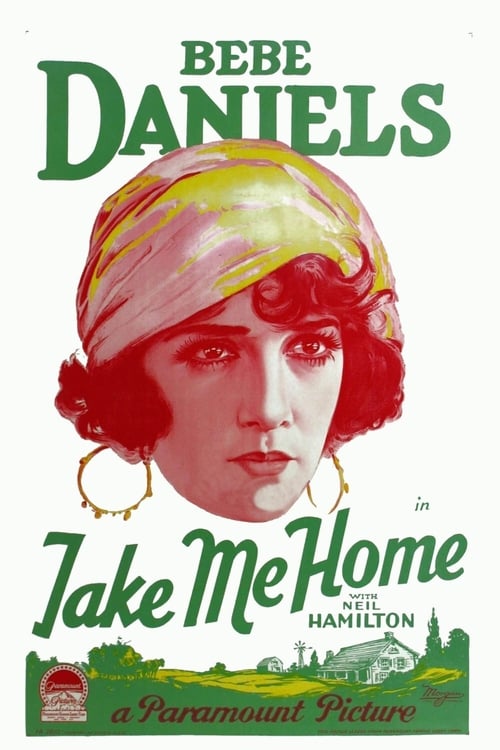
Chorus girl Peggy Lane, finds a small part in a new show for David North, a stages-truck country boy. At rehearsal, David meets Delerys Devore, the show's star, and she quickly offers him a larger part in her act. Quite taken with David, Delerys invites him to her home on the pretext that Peggy will be there; when Peggy does not show up, David leaves, infuriating his hostess. Derelys has Peggy fired the next day, and in reprisal Peggy goads her into a Carmenesque fight backstage just before the show. Derelys is unable to go on stage, and Peggy takes her place, becoming the hit of the show. Peggy and David are later married and give up show business, finding contentment living on a farm.
No overview available.
A man is framed for the murder of his uncle, a bank president, and sentenced to hang. His sister and a mail clerk who's helping her discover information that may clear him, but they have to get to the governor in time to present their new evidence and get a stay of execution.
As a reporter, Dick Farrington is sent to cover an assignment that promises a big story. A lawyer has advertised for an ex-Marine who is a boxer. He makes good beating up a gang of roughnecks picked for the purpose, and secures the mysterious job that is filled with danger. It is to guard the heiress Lady Chatfield, but the hero is told nothing as to the secret in back of it all. Dick poses as Lord Grantmore, wears a monocle, and otherwise acts like a titled Englishman. They proceed to the mining town of Goldbrook, where the heiress is to occupy a mysterious mansion on the occupancy of which hinges a great fortune. The engineer of the mines is deeply interested in thwarting the plans of Lady Chatfield, and with his gang of roughneck miners makes things lively for the pugilist star in a series of fights that are hair raisers.
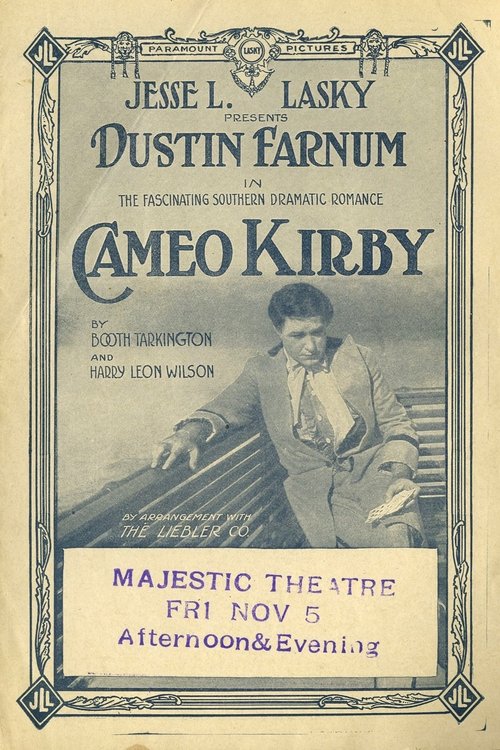
Cameo Kirby is a 1914 American drama silent film directed by Oscar Apfel and written by Clara Beranger and William C. deMille. The film stars Dustin Farnum, Fred Montague, James Neill, Jode Mullally, Winifred Kingston and Dick La Reno. It is based on the play Cameo Kirby by Booth Tarkington and Harry Leon Wilson. The film was released on December 24, 1914, by Paramount Pictures.
Set in Spanish colonial Philippines. Pedro is tasked to wed a wife whilst his activist friend is considering him to join the revolution. Through a raunchy and campy path of winning the love of his life, Pedro is met with a daunting revelation.
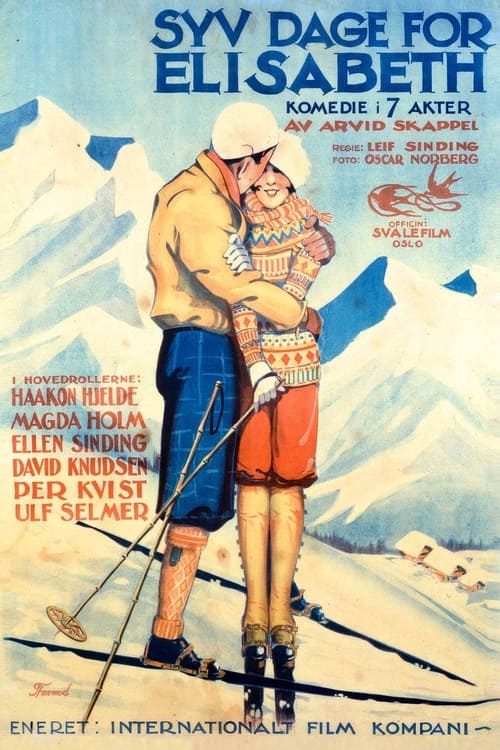
A hairdresser wins the lottery and decides to spoil herself by spending Easter at a mountain resort where she meets new people.
Mrs. Katherine Manners loves her three grown daughters who are in boarding school. When she plans a party for them at home, they phone from the school that they cannot come because they are too busy. But she hears the sounds of a party in the background, so she goes to the school where she finds her daughters with young men. She is told that two of the daughters plan to be married, while the third plans to marry Grantland Dobbs as soon as he gets a divorce, and the mother is frightened by this announcement. She goes abroad and returns with a man, gets an apartment at a wealthy center, and lives with him. Her daughters are shocked when the mother entertains guests at drinking parties. When Mrs. Manners proves to her daughters that their fiancées are not respectable, she reveals to them that she was acting a part just to prove to them that she was right about their chosen mates. She reveals that the man she was living with was her cousin.
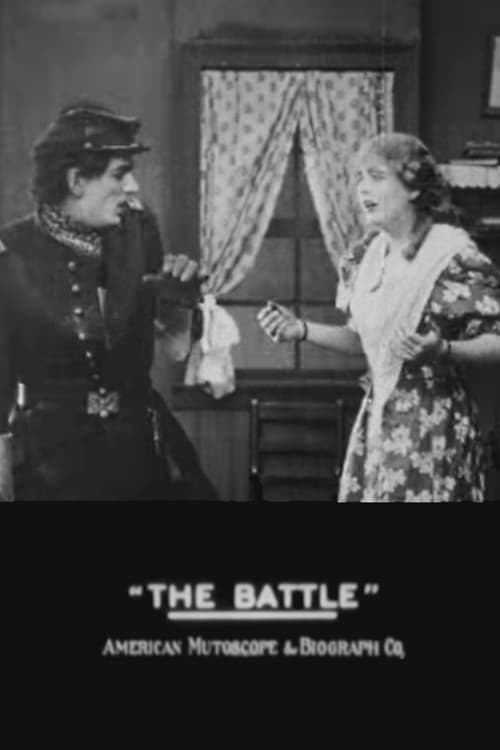
Union soldiers march off to battle amid cheering crowds. After the battle turns against the Union Army, one soldier runs away, hiding in his girlfriend's house. Ashamed of his cowardice, he finds his courage and crosses enemy lines to bring help to his trapped comrades.
A condemned man manages to avoid being hanged from a bridge over a river when the rope breaks. He falls into the water and his escape attempt ensues.
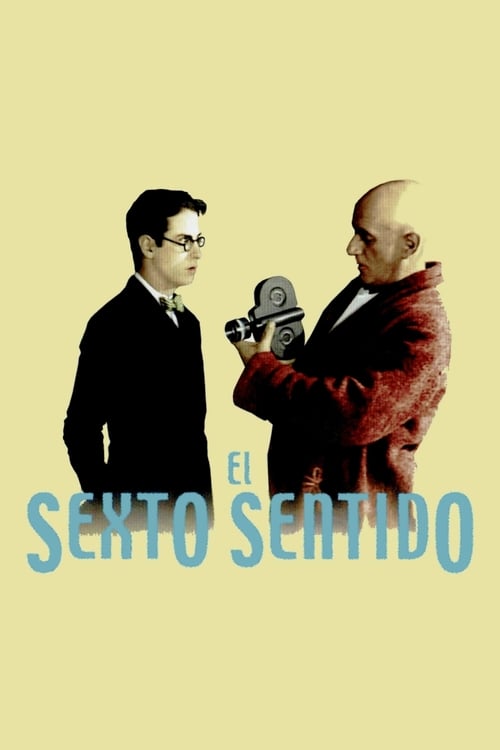
Carlos and his girlfriend Carmen are a happy and fun couple; however, his friend León and his girlfriend Luisa are quite the opposite; so Carlos recommends León to visit the mysterious Kamus —an artist, a drunkard, a philosopher—, in the hope that he can free him from his depressing and contagious existential pessimism…
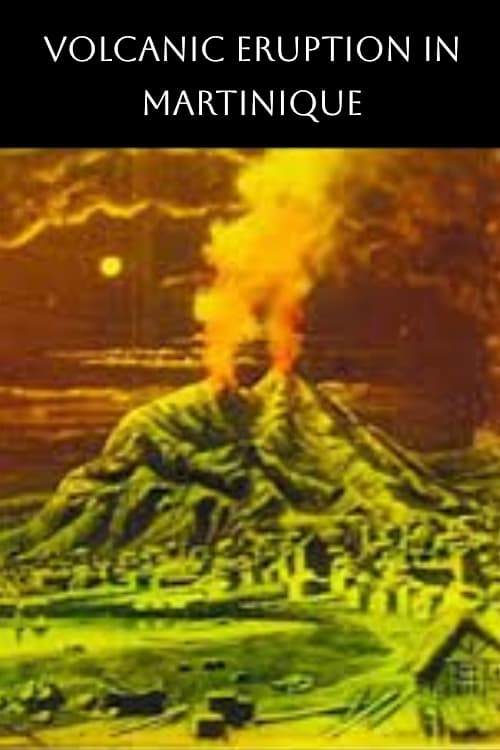
This picture depicts the eruption of the volcano by which over 30,000 souls were hurled into eternity. The numerous explosions which took place during the eruption are plain to be seen. Thousands upon thousands of tons of molten lava, sand, rocks and steam are thrown high in the air and descend with crushing force upon the unfortunate inhabitants of the doomed city of St. Pierre. This is the worst calamity which occurred since a similar eruption by Mt. Vesuvius when Pompeii was destroyed. (Lubin Catalog)
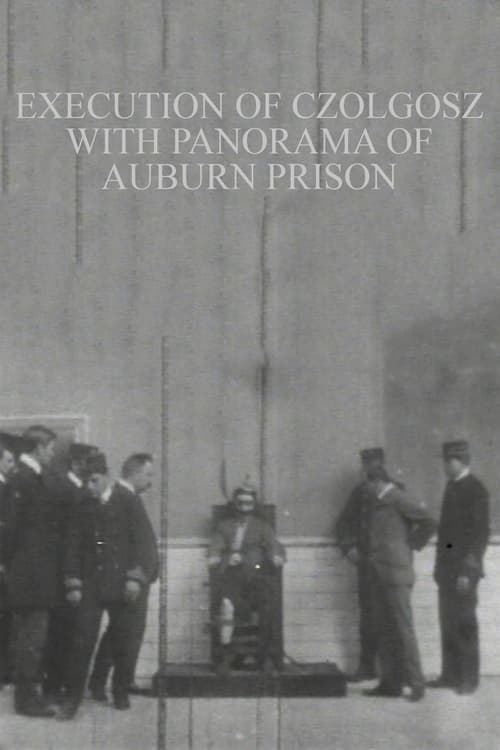
This early docudrama shows Auburn Prison and recreates the electrocution of Leon Czolgosz, the assassin of President McKinley of the United States.
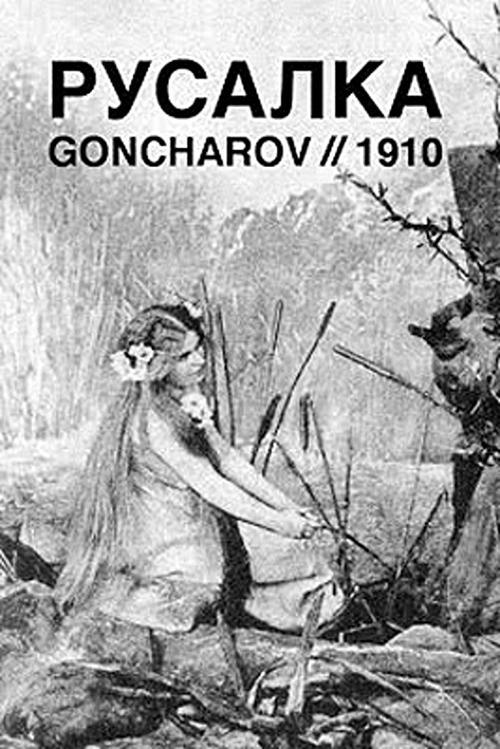
"Rusalka" or "Mermaid" based on Pushkin, an opera by Dargomizhsky, and other sources: A prince and a miller's daughter have been involved in a romance together, but now the prince tells her that he must break it off. After the prince leaves, the distraught young woman attempts to drown herself. When the prince's wedding day arrives, he is tormented by her image, which appears wherever he goes. Eventually, he is compelled to return and to try to find out what happened to her, regardless of the consequences.
Trailer