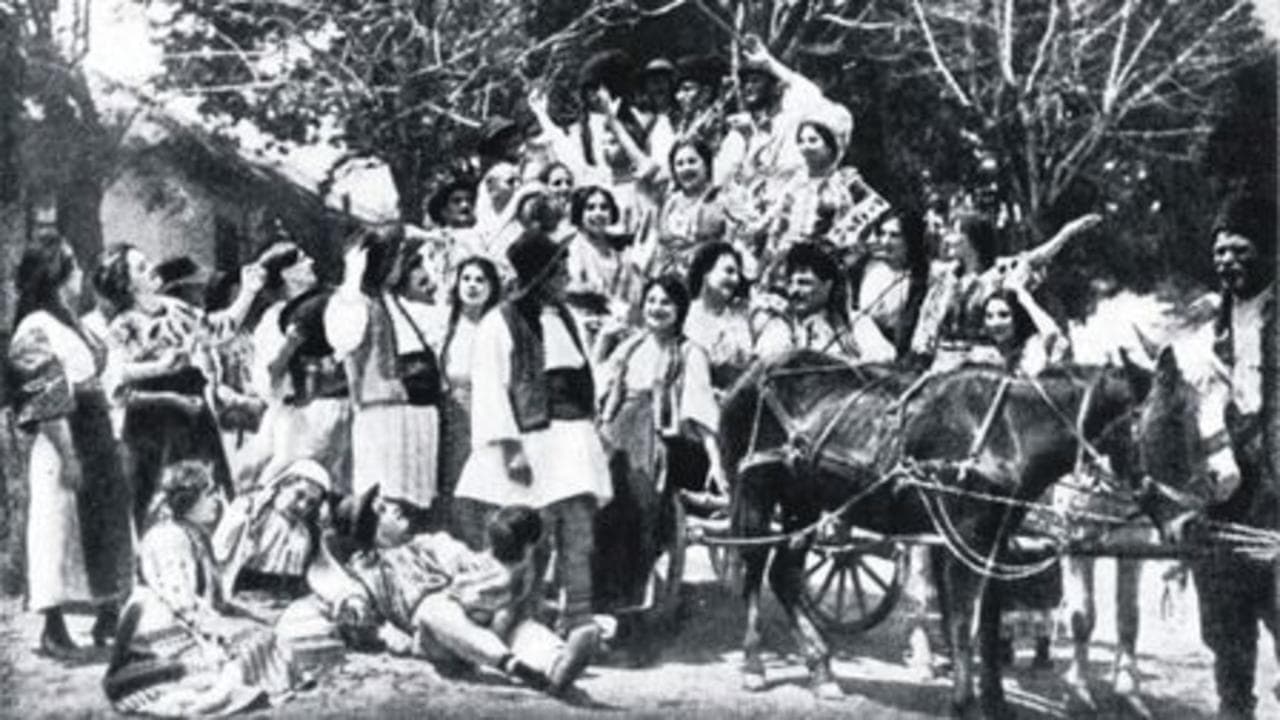
The movie depicts the Romanian War of Independence (1877-1878).
No Trailers found.
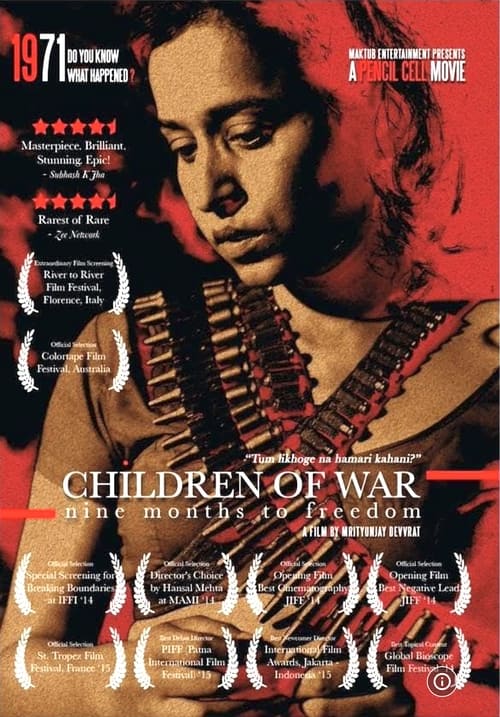
Children of War is a movie based on the true events of the 1971 Genocide. Can we, in search of power, become animals? A genocide; neglected! The first use of rape as a weapon of war; undocumented! The lives of millions; unaccounted! The culprits; unpunished!
In 1947, the borderlines between India and Pakistan are being drawn. A young girl bears witnesses to tragedy as her ayah is caught between the love of two men and the rising tide of political and religious violence.
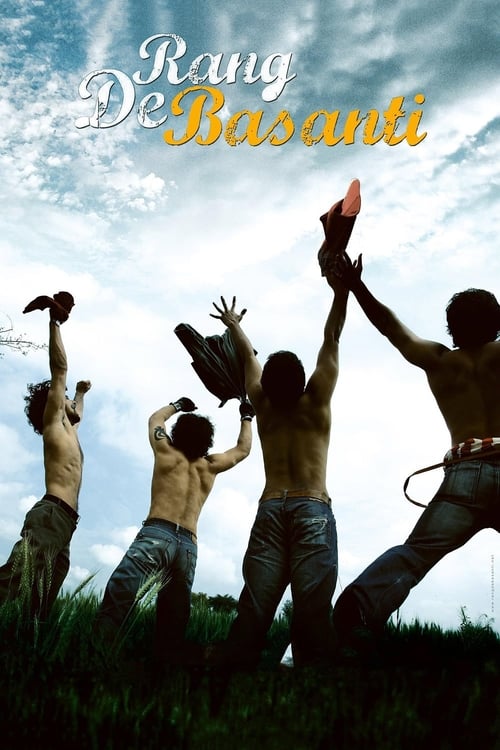
After a group of friends graduate from Delhi University, they listlessly haunt their old campus, until a British filmmaker casts them in a film she's making about freedom fighters under British rule. Although the group is largely apolitical, the tragic death of a friend owing to local government corruption awakens their patriotism. Inspired by the freedom fighters they represent in the film, the friends collectively decide to avenge the killing.
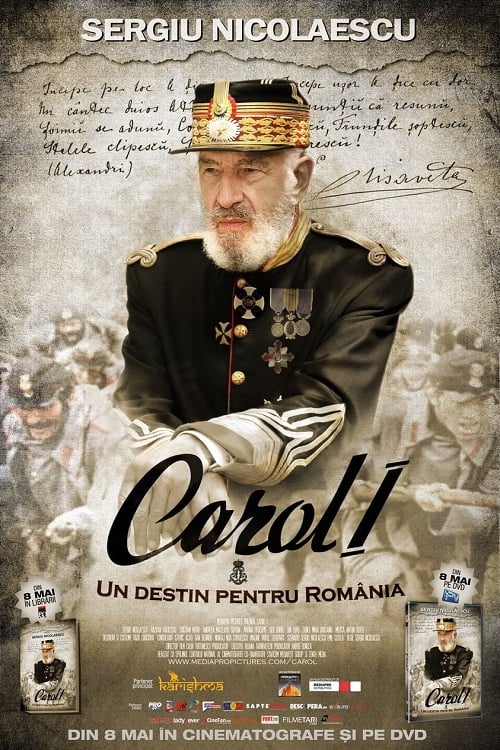
The last days of the first Romanian king, Carol I of Hohenzollern-Sigmaringen, and the tough decisions he had to make in the summer of 1914 in order to please both Romanian Parliament and his relatives from the German Empire.
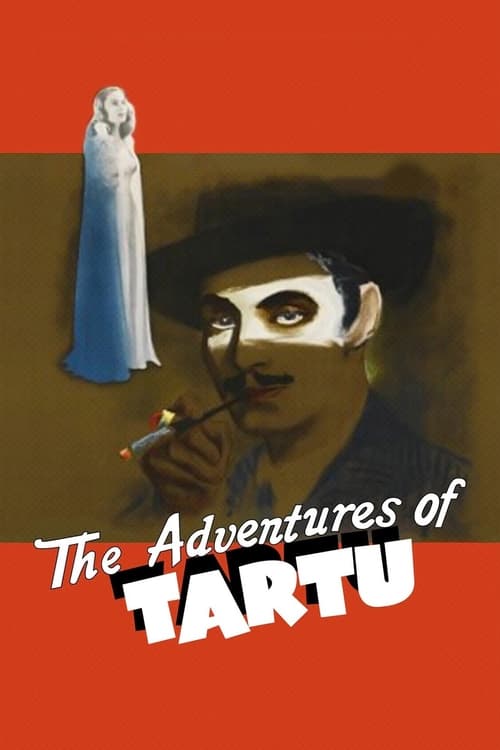
British Captain Terence Stevenson accepts an assignment even more dangerous than his everyday job of defusing undetonated bombs. Fluent in Romanian and German and having studied chemical engineering, he's parachuted into Romania to assume the identity of Captain Jan Tartu, a member of the fascist Iron Guard. Tartu makes his way to Czechoslovakia to steal the formula of a new Nazi poison gas and sabotage the factory of its manufacturing.
The true story of Traian Popovici, a Romanian Mayor that saved 20,000 Jewish People from death during WWII and his friend, who married a Jewish woman against Hitler's orders.
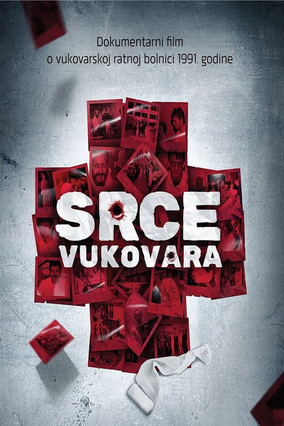
The Heart of Vukovar is a Croatian documentary which shows the events of the Vukovar war hospital during the Croatian Homeland War. The hospital was a symbol of the defense of Vukovar agains the occupying Serbian forces. The movie shows how it managed to operate under impossible conditions after being bombarded, up until the day the city fell to occupying forces
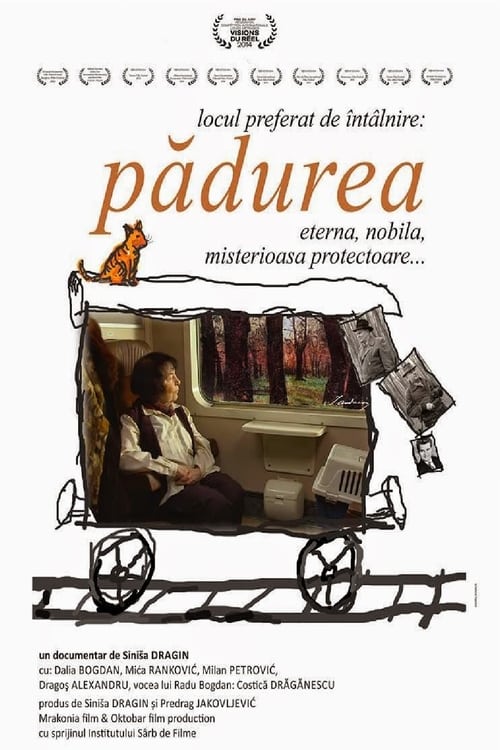
In 1947, Yugoslav President Josip Broz Tito visited, for the first time, Romania. Its communist regime gave him, as present, a painting from a great Romanian artist Ion Andeescu: 'The Leafless Forest'. In the 60s, a young art critic, Radu Bogdan, decided to elaborate a monograph dedicated to the great painter, including reproduction of the painting given to Tito. After countless problems, he obtained the permission to photograph the painting. The moment they took the painting off the wall, they found - a microphone. Somebody was spying on Tito...
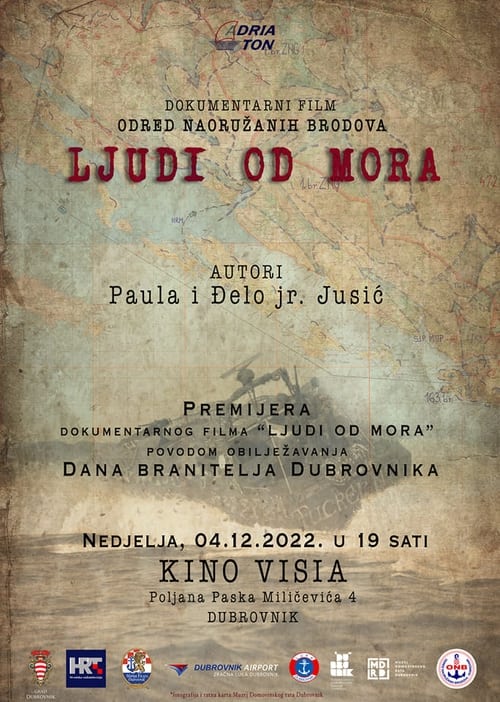
Documentary about The Armed Boats Squadron Dubrovnik, a volunteer unit of the Croatian Navy that ran the naval blockade during the siege of Dubrovnik which formed part of the Croatian War of Independence in 1991–1992.
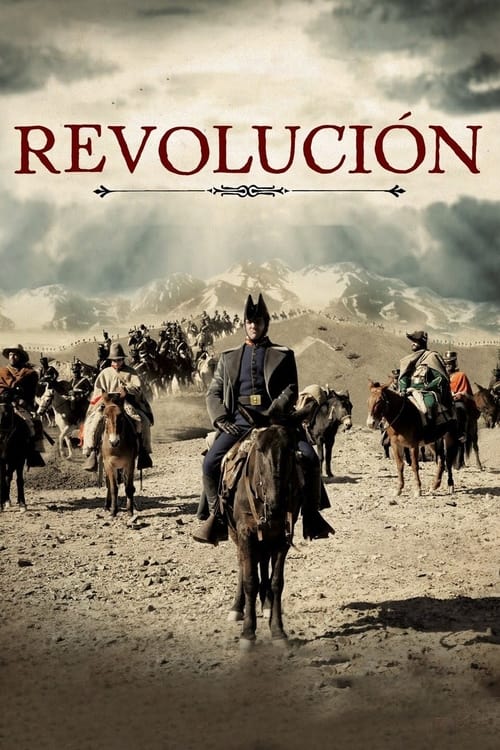
Buenos Aires, 1880. A journalist interviews Manuel Esteban Corvalán, one of the last living men who crossed the Andes in 1817 with José de San Martín, during the Argentinian and Chilean wars of independence, as one of his secretaries, when he was only 15 years old.
During the anti-communist uprisings of the late 1950s, a writer of comedic poems against socialism was constantly pursued by Securitate troops.
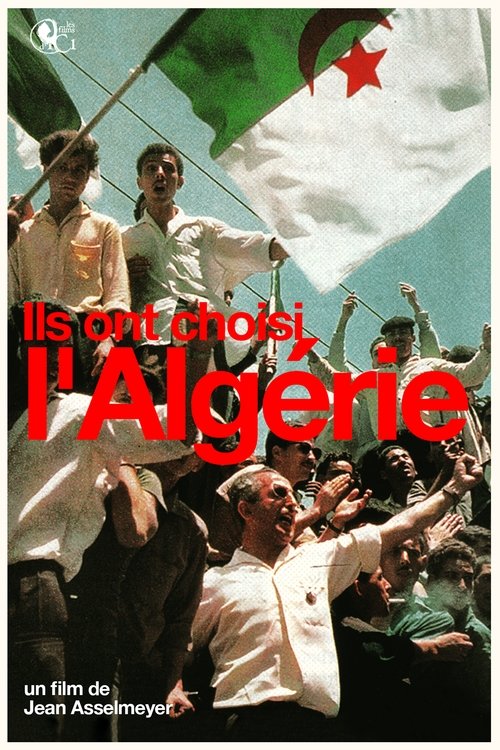
Many of them participated in the struggle for Algerian independence. There are "those who believed in heaven", priests, Christians committed against torture, friends of the "natives", there are "those who did not believe in it", communist activists, students, progressive intellectuals, others remained in this country because they could not imagine living anywhere other than in this land of all passions. They are European and chose to stay in Algeria after independence, most of them opted for Algerian nationality. The film is another vision of the history of Algeria from the end of the fifties to the present day, told by these Europeans filmed at home, or in the context of their activities, illustrated by unpublished archive documents.
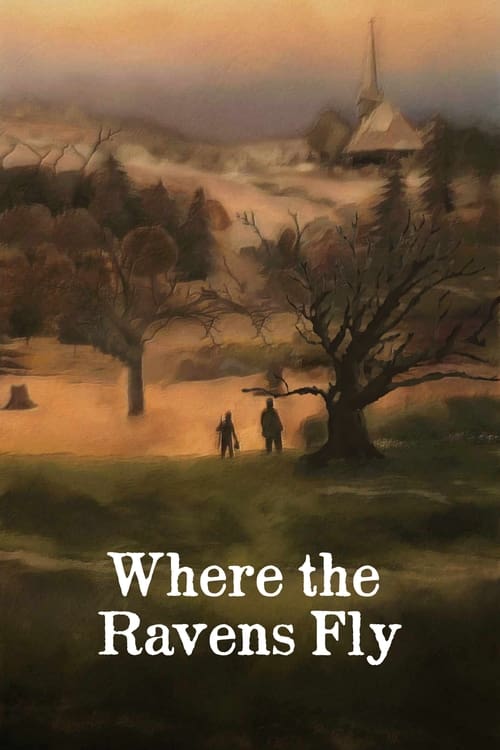
Set in the dense forests of 1940s Eastern Europe, this story reveals the supernatural encounters that challenge three soldiers' understanding of life and death.
As children, a Mozambique native and a Portuguese colonialist were friends. Years have passed and Mozambique is fighting for its independence. Two childhood friends meet on opposing sides.
"O Corneteiro Lopes" is a story of love and courage. The city of Salvador is under siege by Brazilian troops, however, they lose strength in the course of battles. The Portuguese Luiz Lopes, alongside the Brazilian army, contrary to the orders of General Labatut, changes the fortunes of the Battle of Pirajá.
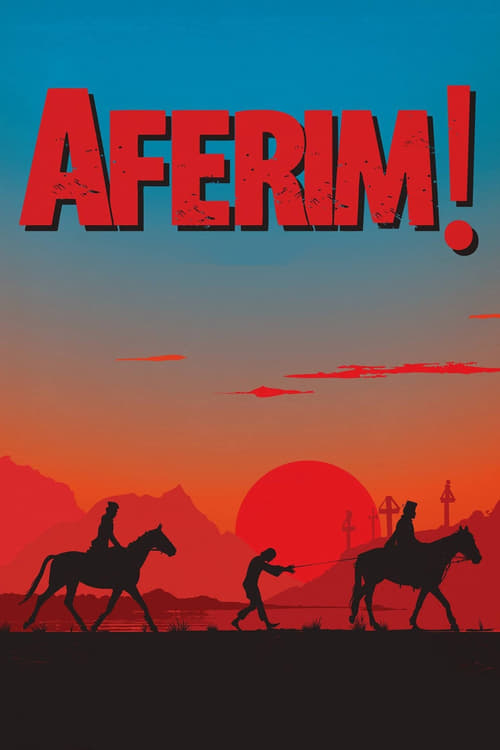
Set in early 19th century Wallachia, Romania, a policeman, Costandin, is hired by a nobleman to find a Gypsy slave who has run away from his estate after having an affair with his wife.
A film about short-lived Slovenian war of independence.
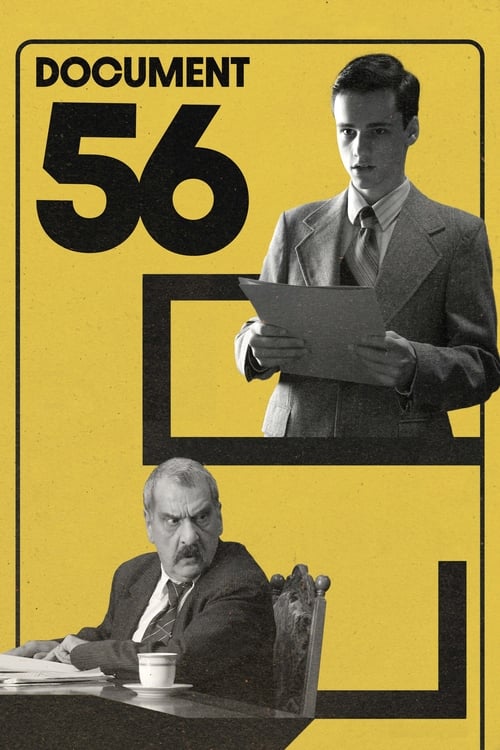
In Cold War-era Romania, two Securitate officers intercept a letter from Richard Nixon to Nicolae Ceausescu. With 48 hours to prepare for the arrival of CIA operatives, the two agents race to determine the hidden agenda of the visit.
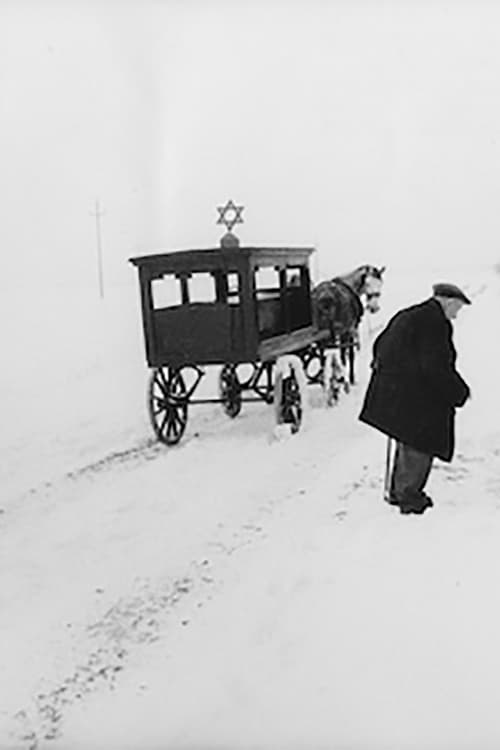
A look at the Jewish community in Rădăuți, Romania, from 1974 to 1976.
A border town on the Danube, 1944. The town is occupied by the Germans, and there are plenty of collaborators. A number of the young men join the partisans, kill a Serbian, and throw his body into the village, forbidding anyone to bury it. Anastasia refuses to obey the order…
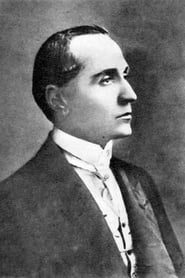
Carol I
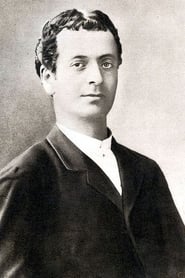
Principesa Elisabeta
Osman Pasa
Tarul Alexandru II
Penes Curcanul
Rodica