Five black and white minstrels dancing and playing musical instruments in Rupert Street, London.
No Trailers found.
No Cast found.
Two part biography of Greta Garbo - 1. The Temptress 2. The Clown. Reminiscences of her early life in Stockholm, with excerpts from her films. Narrated by Bibi Andersson.
Robinet is challenged to a duel, but owing to an overpowering fear, ludicrously depictd, the weapons are discarded, one by one, and two bottles of champagne subistituted. (Moving Picture world Synopsis)
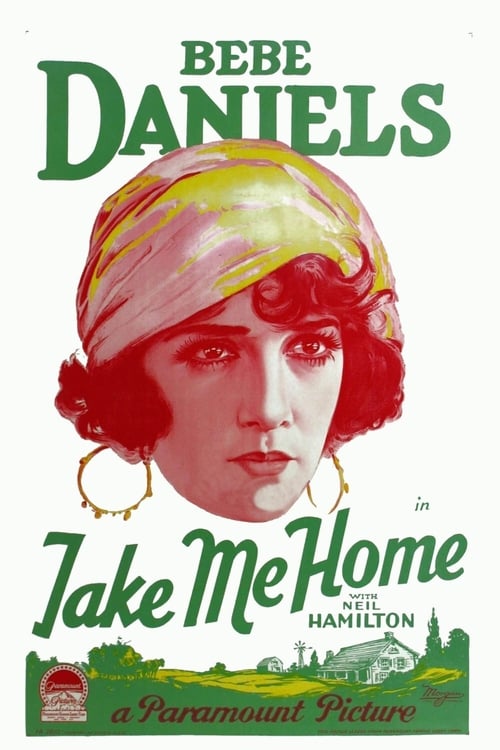
Chorus girl Peggy Lane, finds a small part in a new show for David North, a stages-truck country boy. At rehearsal, David meets Delerys Devore, the show's star, and she quickly offers him a larger part in her act. Quite taken with David, Delerys invites him to her home on the pretext that Peggy will be there; when Peggy does not show up, David leaves, infuriating his hostess. Derelys has Peggy fired the next day, and in reprisal Peggy goads her into a Carmenesque fight backstage just before the show. Derelys is unable to go on stage, and Peggy takes her place, becoming the hit of the show. Peggy and David are later married and give up show business, finding contentment living on a farm.
No overview available.
Students in Lyon.
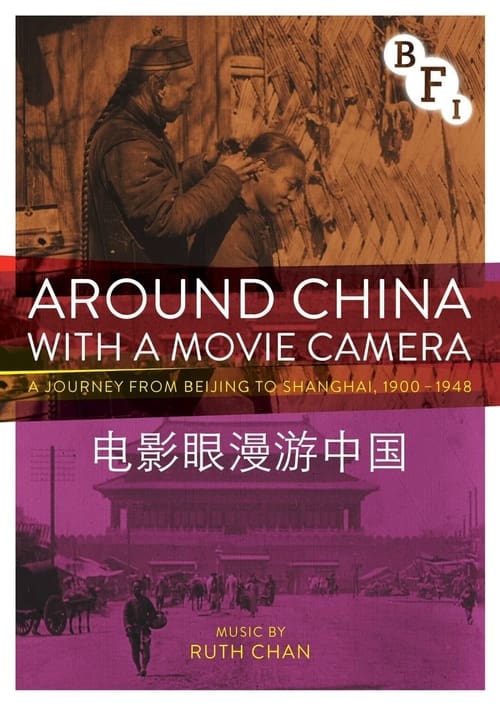
A new film compiled from the BFI National Archive's unparalleled holdings of early films of China, features films from 1900-48 filmed across China. The cinematic journey of Around China with a Movie Camera contains many films which may never have been seen in China, or at the very least not for over 70 years. These travelogues, newsreels and home movies were made by a diverse group of British and French filmmakers, some professionals, but mainly enthusiastic amateurs, including intrepid tourists, colonial-era expatriates and Christian missionaries.
The Boxing Kangaroo is an 1896 British short black-and-white silent documentary film, produced and directed by Birt Acres for exhibition on Robert W. Paul’s peep show Kinetoscopes, featuring a young boy boxing with a kangaroo. The film was considered lost until footage from an 1896 Fairground Programme, originally shown in a portable booth at Hull Fair by Midlands photographer George Williams, donated to the National Fairground Archive was identified as being from this film.
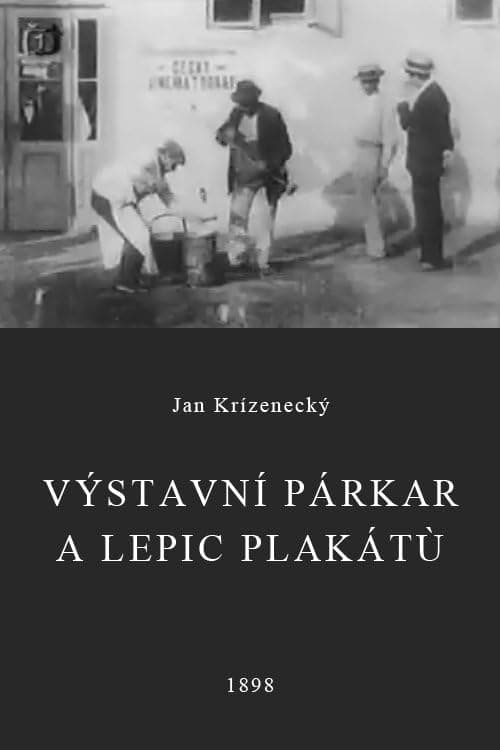
Josef Sváb-Malostranský unrolls a poster in front of a mill with the words Czech Cinematograph. All the actors in the film gather around him. An old philanderer meets up with the miller's wife in front of the mill. He is about to embrace her when her husband appears. The philanderer gets a good hiding.
A fight breaks out over a poster.
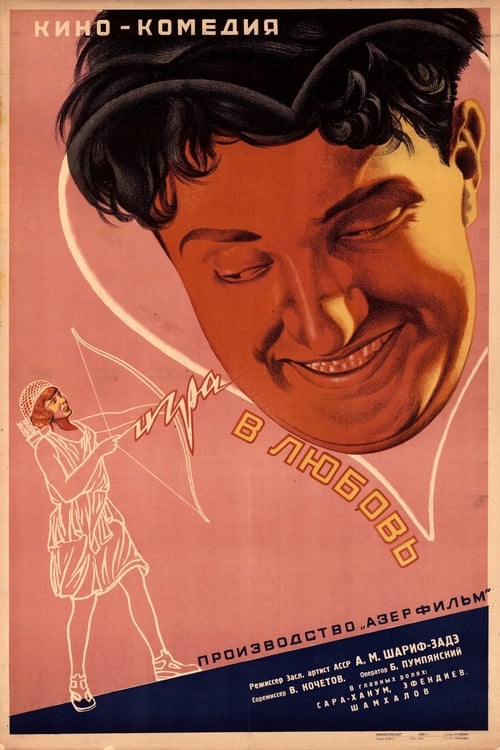
The film is about 3 friends falling in love with a girl. One of them changes his bad character under the girl's influence.
Consisting of a single shot, Spiders on a Web is one of the earliest British examples of close-up natural history photography. Made by one of the pioneers of the British film industry, G.A. Smith, this short film details spiders trapped in an enclosure, and despite the title, does not actually feature a web.
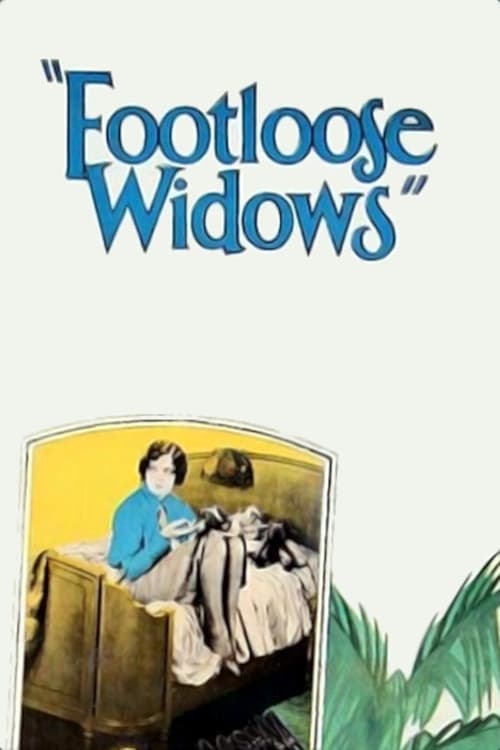
When Madge, a clerk in a flower shop, is sent to a bachelor's apartment to deliver and arrange a bouquet, she discovers a guest, young and handsome Bradley Lane, taking a bath. She loses her job and becomes a playgirl until Bradley, her true love, asks her to marry him.
A look at the artwork of Aleister Crowley.
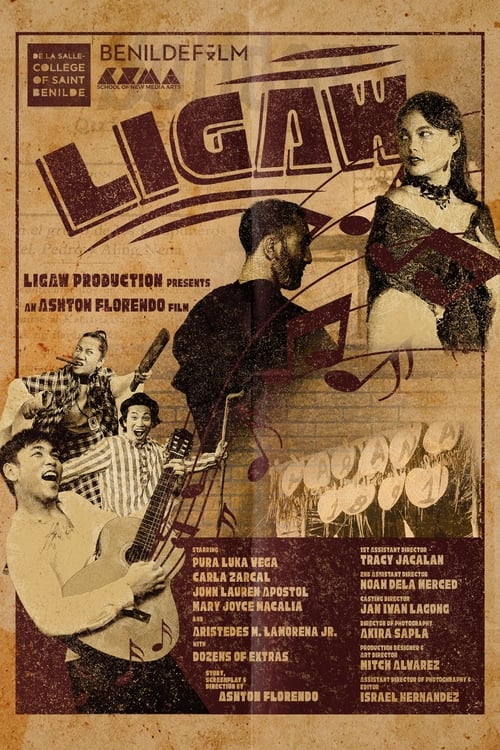
Set in Spanish colonial Philippines. Pedro is tasked to wed a wife whilst his activist friend is considering him to join the revolution. Through a raunchy and campy path of winning the love of his life, Pedro is met with a daunting revelation.
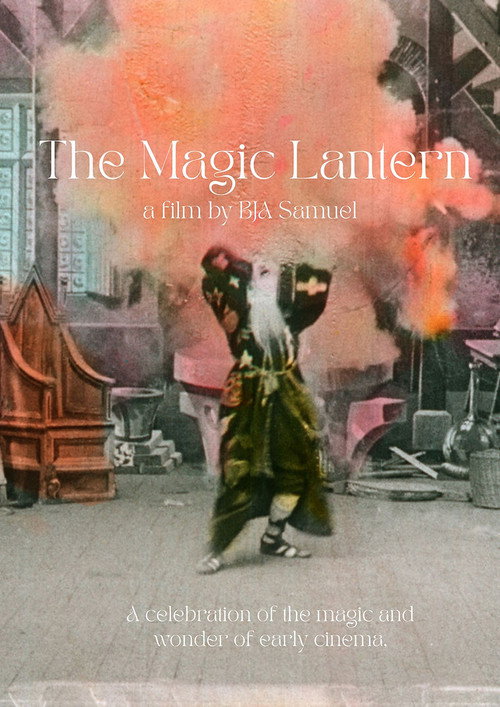
The Magic Lantern is a non-narrated celebration of early cinema and silent-film imagination, exploring the early work of pioneers such as Georges Méliès, Eadweard Muybridge, Segundo de Chomón, and Émile Cohl.
Department-store models Flo and Marian set their sights on wealthy young soft-drink magnate J. A. Smith. Through a misunderstanding, they pick on the wrong J. A. Smith, a fortune hunter himself who assumes that Marian is a wealthy widow. Meanwhile, Marian falls for the real Smith, never dreaming that he's the millionaire.
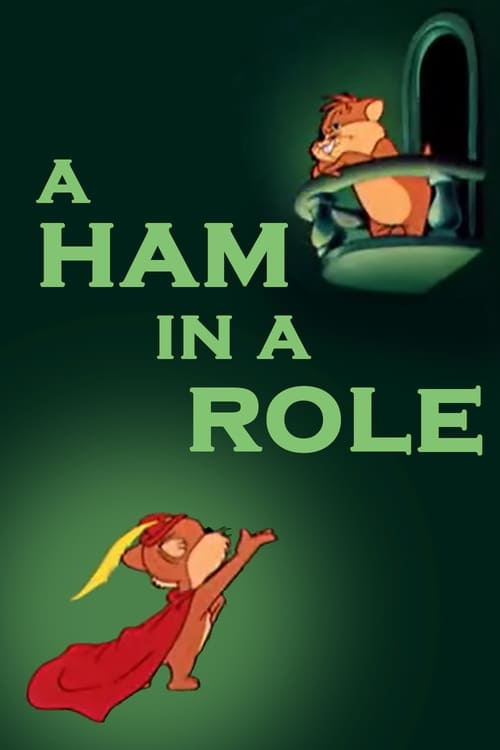
A dog decides to quit the slapstick comedy of cartoons and go to his country home to concentrate on Shakespeare, but two troublesome yet polite gophers foil his grand plans.
Fantastic Flowers is a compilation of short silent films produced between 1906 and 1920, displaying amazing colours that were applied to each frame using the Pathécolor process, or other similar stencilling techniques. Bonsoir – La Fée aux fleurs (1906) / [Bloemenvelden Haarlem] (1909) / Les Chrysanthèmes (1907) / Le Chrysanthème, roi de l’automne (1914) / [Les Tulipes] (1907) / Les Fleurs dans les jardins (1914) / L’Après-midi d’une japonaise (1920) / The Beauty Thief ([1920]) / La Fée printemps (1906) / [Het schoonste uit de natuur] (1912?) / La Culture du dahlia (1911) / [Hollandse Tulpen en Klompen] (1920?) / Fabrication des fleurs artificielles (1911) / [Bonsoir tableau] (1906)
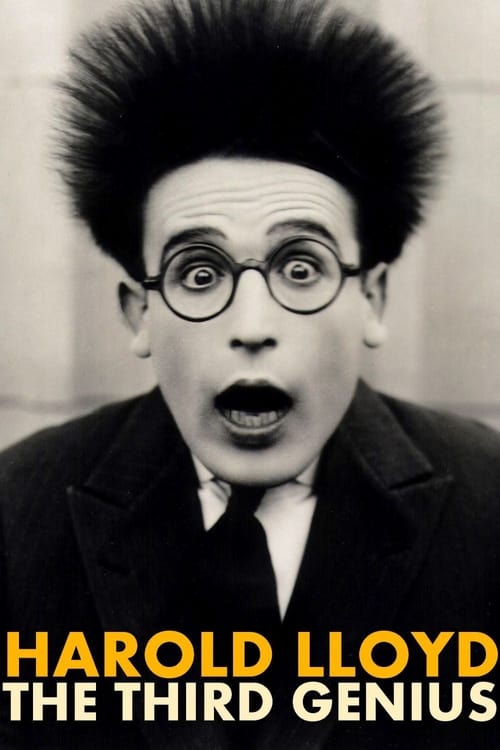
A film about the career and methods of the master silent comedy filmmaker.
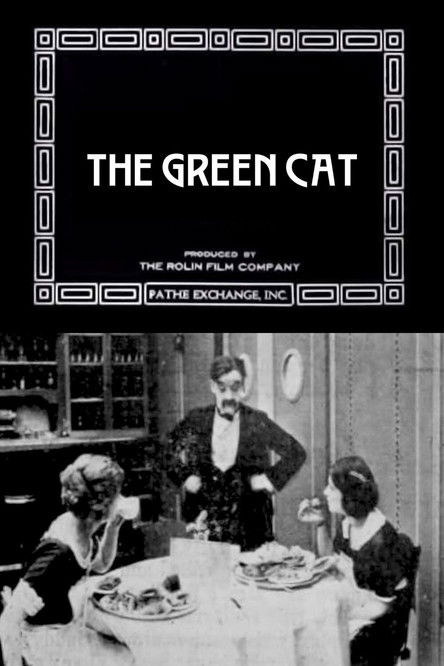
Snub is determined to make his new restaurant, The Green Cat, a success— no matter what it takes.