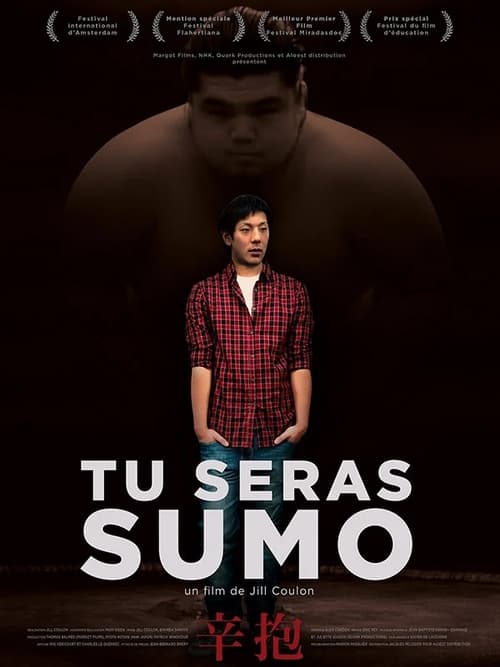
The diary of Takuya Ogushi, a 18 years old Japanese, who begins his new life as a sumo wrestler.
Himself
No Trailers found.
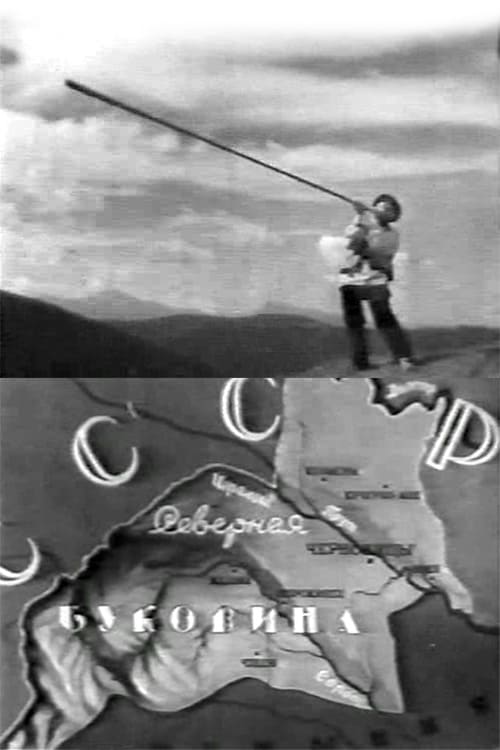
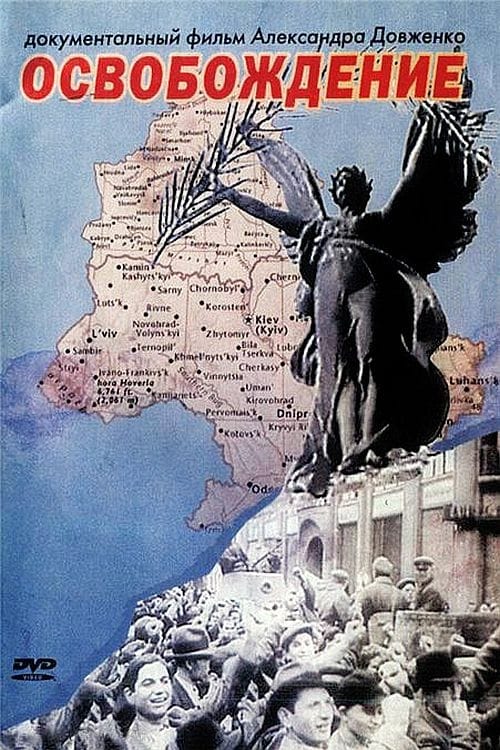
Dovzhenko and Solntseva's documentary about the Bukovina region.
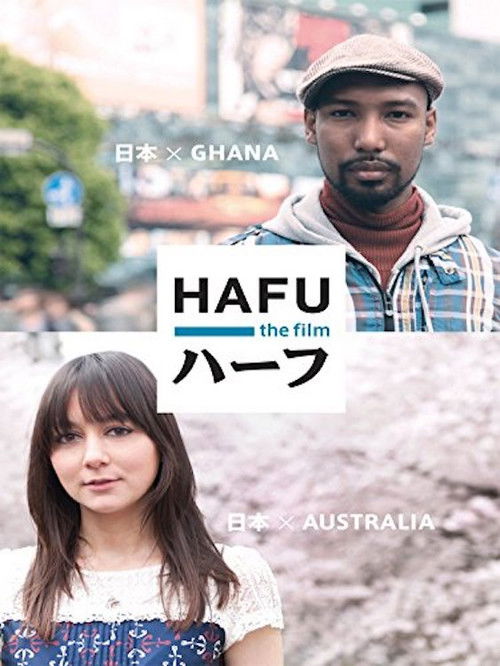
A journey into the intricacies of mixed-race Japanese and their multicultural experiences in modern day Japan. For some hafus, Japan is the only home they know, for some living in Japan is an entirely new experience, and the others are caught somewhere between two different worlds.
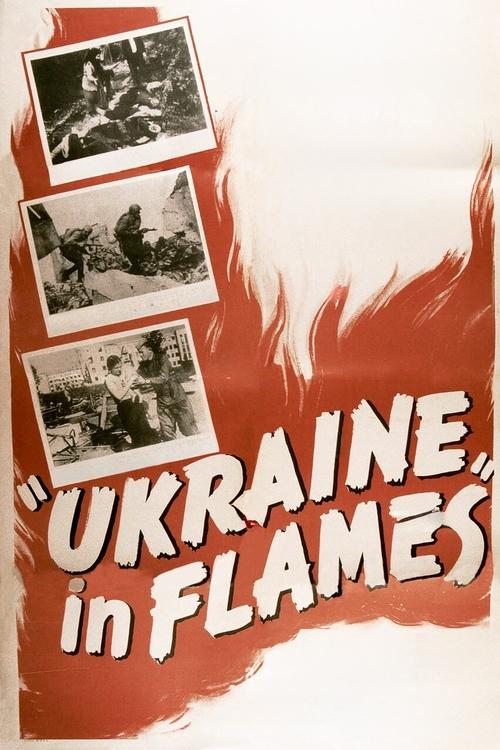
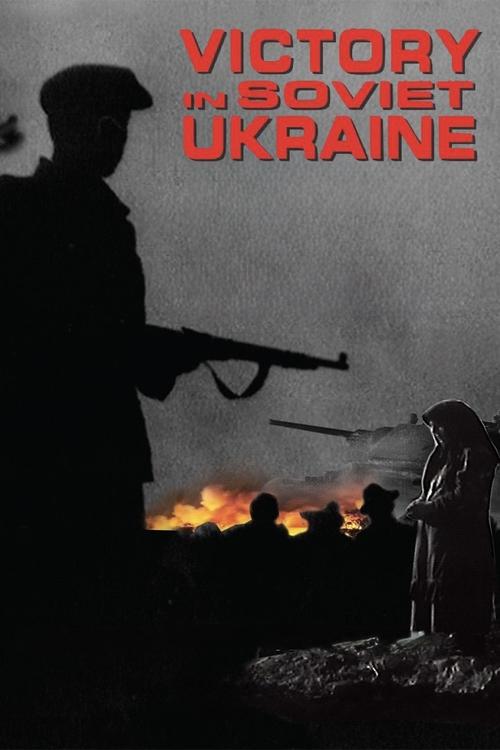
A 1943 Soviet war propaganda film by Ukrainian director Oleksandr Dovzhenko and Yuliya Solntseva. It is Dovzhenko's second World War II documentary, and dealt with the Battle of Kharkiv. The film incorporates German footage of the invasion of Ukraine, which was later captured by the Soviets.
Wartime documentary by Dovzhenko and Solntseva.
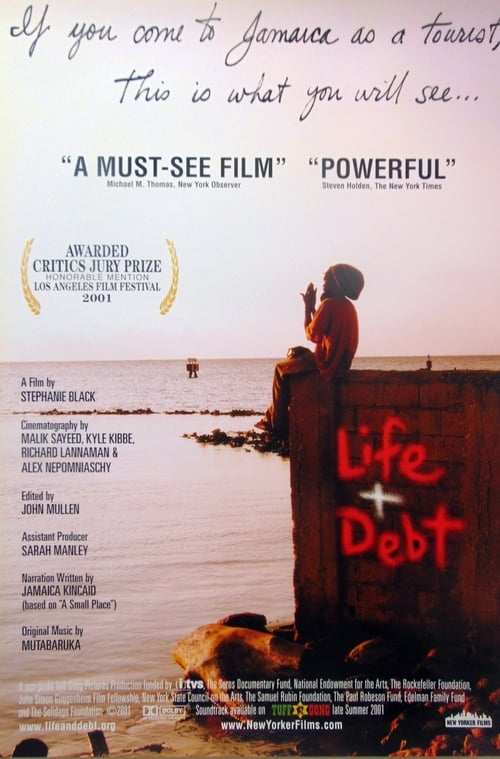
Life and Debt is a 2001 American documentary film that examines the economic and social situation in Jamaica, and specifically how the International Monetary Fund and the World Bank's structural adjustment policies have impacted the island.
A wartime documentary directed by Alexander Dovzhenko and Yuliya Solntseva, depicting the final campaigns that drove Nazi forces from Ukraine in 1944–45. Combining frontline footage, liberated cityscapes, and scenes of returning civilians, the film chronicles both the devastation of occupation and the triumph of Soviet arms. It stands as both a historical record of the Ukrainian front and a patriotic celebration of victory at the close of the Second World War.
The film discusses the traits and originators of some of metal's many subgenres, including the New Wave of British Heavy Metal, power metal, Nu metal, glam metal, thrash metal, black metal, and death metal. Dunn uses a family-tree-type flowchart to document some of the most popular metal subgenres. The film also explores various aspects of heavy metal culture.
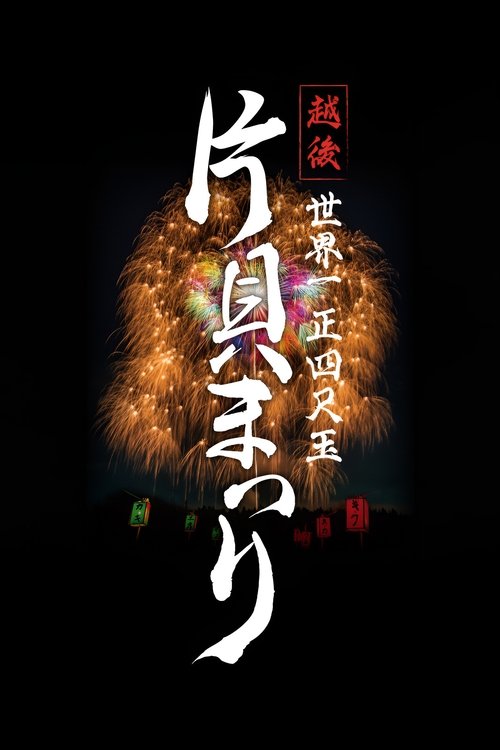
The Katakai Festival, one of Niigata and Echigo's Three Great Fireworks Festivals, has a 400-year history. Held annually on September 9th and 10th in Katakai Town, it features fireworks dedicated to Asahara Shrine, filled with wishes and prayers. Highlights include Japan’s largest 'San-shakudama' and the world's largest 'Yon-shakudama,' which impress spectators with their grandeur. The small hill behind the launch site amplifies the fireworks' powerful bursts. This work condenses the festival's two-day fireworks displays. It captures the fleeting beauty of each firework, the vibrant rapid-fire starmine displays, and the grand 'San-shakudama' and 'Yon-shakudama' that fill the night sky, creating an emotional and resonant experience. Filmed in ultra-high-definition 4K/8K60P, it faithfully reproduces the grand fireworks and fine sparks. Enjoy the immersive experience with high-resolution audio at 96kHz24bit, emphasizing the fireworks' explosive sounds and echoes.
This feature documentary shines a light on a group of women who are passionate about their non-traditional job – trucking. Filmed in 1999, it follows the women all across Quebec as they do their job and address the big-ticket items in life: love, family, freedom, and solitude. Filled with humour and the contagious good spirits of the women involved.
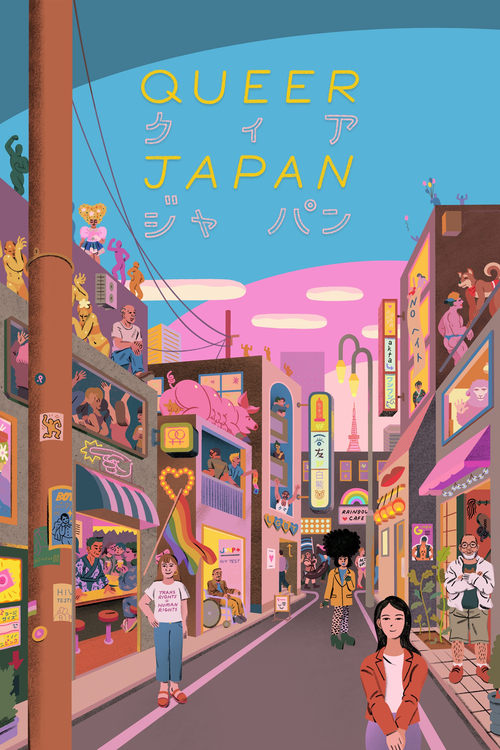
Trailblazing artists, activists, and everyday people from across the spectrum of gender and sexuality defy social norms and dare to live unconventional lives in this kaleidoscopic view of LGBTQ+ culture in contemporary Japan.
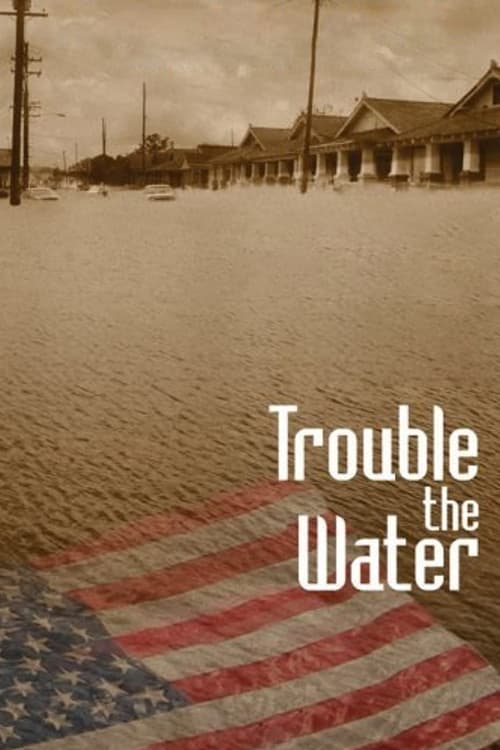
"Trouble the Water" takes you inside Hurricane Katrina in a way never before seen on screen. The film opens the day before the storm makes landfall--just blocks away from the French Quarter but far from the New Orleans that most tourists knew. Kimberly Rivers Roberts, an aspiring rap artist, is turning her new video camera on herself and her Ninth Ward neighbors trapped in the city. Weaving an insider's view of Katrina with a mix of verité and in-your-face filmmaking, it is a redemptive tale of self-described street hustlers who become heroes--two unforgettable people who survive the storm and then seize a chance for a new beginning.
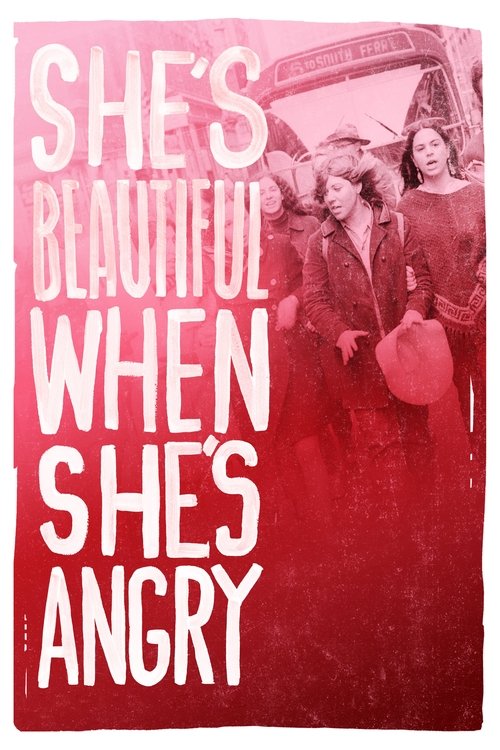
A documentary that resurrects the buried history of the outrageous, often brilliant women who founded the modern women's movement from 1966 to 1971.
A poetic documentation of the Long Beach Island, NJ community as they battle local politics, cope with personal tragedy, and band together after Hurricane Sandy.
In the minutes that it takes for a day to lose itself to darkness, we see a house that has suddenly become empty. It is the home of Maria, who has recently passed, and who has left her mark in every corner of every room. A portrait of absence is also an attempt to resurrect the dead, perhaps even a moment of magical thinking. The winter outside is well settled, snow accompanies each thought. Based on a poem by Zofia Bohdanowiczowa.
One is a former police officer, bodyguard and hairdresser. Currently retired, he takes care of his extravagant and almost hundred-year-old illiterate mother. He writes poems and hopes to see them published one day. The other, a declared womanizer, workaholic, and leftist, was imprisoned during the dictatorship, runs a small grocery shop, and controls the life of his young second wife. Both were born in the Uruguayan hinterland during the Second World War, and share the same name as well as the fact that neither has wished to change it. The film is a tragicomic portrait of a country whose cultural diversity, its peculiar history and the character of its inhabitants allow the existence of exceptional and remarkable persons that depict a live picture of Uruguay, with its plurality and contradictions, its small and large history, without departing a single moment from irony or reflection.
A vibrant kaleidoscopic tribute to the guitar that meshes dance, mime, visual art, and virtuoso performances to create a spectacular yet intimate celebration of the instrument. For one exciting week the city of Toronto plays host to the International Guitar Festival. The streets echo with the sounds of the instrument as the great masters from every tradition gather to play for each other -- John Williams from England, Leo Brouwer from Cuba (classical), Turibio Santos from Brazil (folk), Vladimir Mikulka from Czechoslovakia (avant-garde), Rik Emmett and Kim Mitchell from Canada, Steve Morse from the USA (rock).
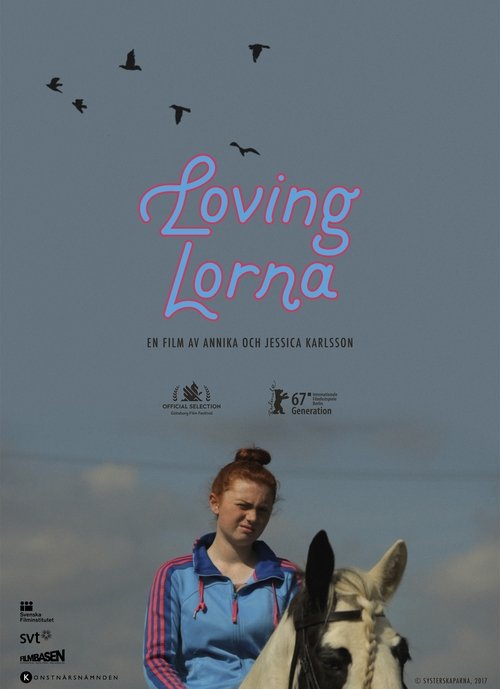
Horses have been part of daily life for generations in the deprived Dublin suburb of Ballymun – and for 17-year-old Lorna and her family too. Her unemployed father finds structure and purpose in daily life by caring for his horses, while her sick mother wistfully remembers the days when she used to turn heads as she galloped through the town. These days it's Lorna who likes to spend all her free time in the stable or riding Bigfoot, her horse.
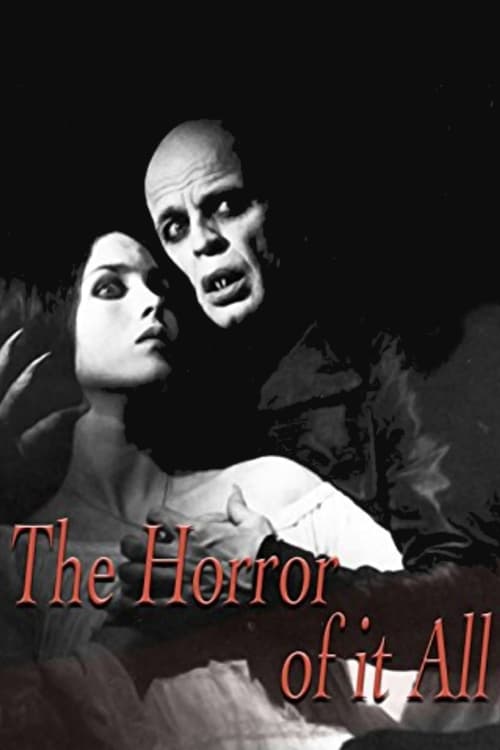
A collection of film clips from horror movies and interviews with the actors and directors who made them.
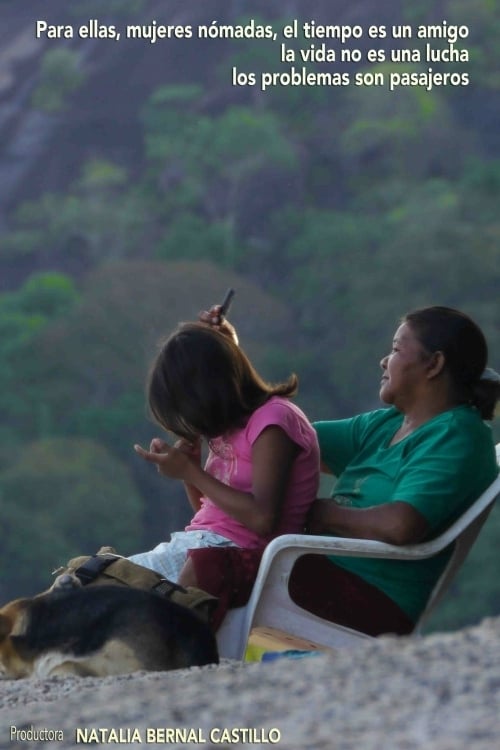
María is an Amorúa girl; an indigenous group that traveled the savannas of Orinoquía as nomads. She lives with her grandmother Matilde, her sister diana and her cousins in Puerto Carreño, in the Colombia-Venezuela border. The amorúa are considered wild and are not literate. Matilde wants her granddaughters to learn to write and read to live better in this town of "rational whites" as they call us. The director follows María's life for 8 years from her childhood to her adolescence and invites her to travel the places her grandma did as a nomad.
No overview available.