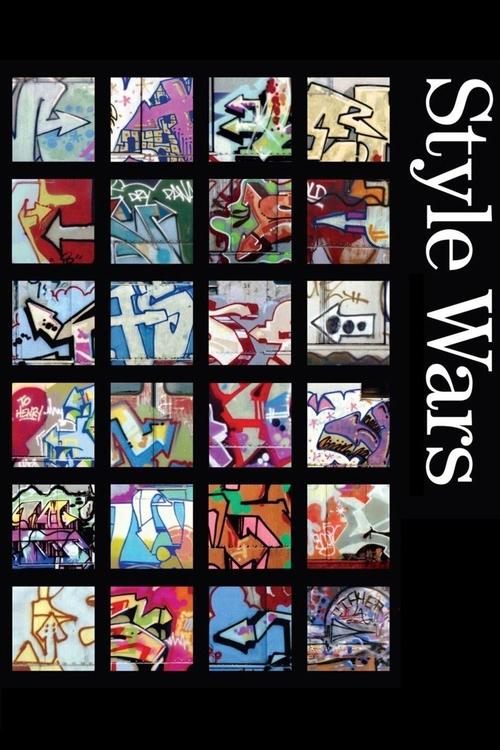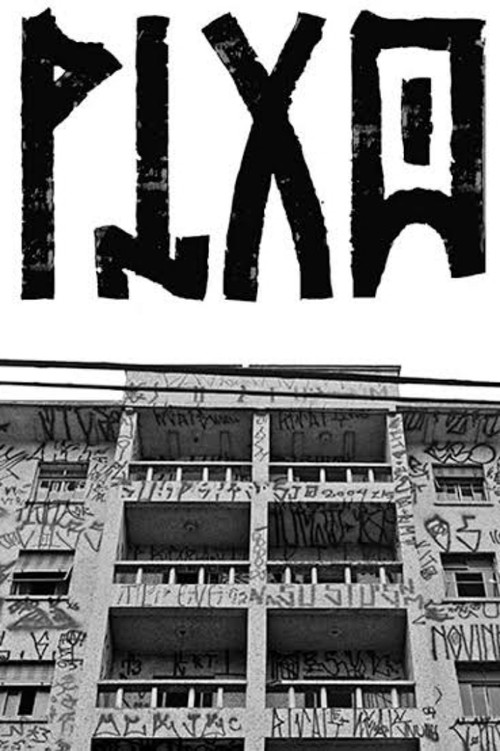
The film discusses the cultural impact of “pichação”, a Brazilian form of graffiti, on the streets of São Paulo and its international influence as one of the main cornerstones of Street Art.
No Cast found.
No Trailers found.
"Meat Joy is an erotic rite — excessive, indulgent, a celebration of flesh as material: raw fish, chicken, sausages, wet paint, transparent plastic, ropes, brushes, paper scrap. Its propulsion is towards the ecstatic — shifting and turning among tenderness, wildness, precision, abandon; qualities that could at any moment be sensual, comic, joyous, repellent. Physical equivalences are enacted as a psychic imagistic stream, in which the layered elements mesh and gain intensity by the energy complement of the audience. The original performances became notorious and introduced a vision of the 'sacred erotic.' This video was converted from original film footage of three 1964 performances of Meat Joy at its first staged performance at the Festival de la Libre Expression, Paris, Dennison Hall, London, and Judson Church, New York City."
Max Gimblett: Original Mind documents the life and process of eccentric, creative genius Max Gimblett. One of New Zealand’s most successful and internationally prominent living painters, Gimblett has been working in America since 1962. The filmmakers spent a week in Gimblett’s Soho loft where he and his devoted studio assistants generously revealed the techniques and philosophy behind his beautiful art.
94-year old Esther, a pensioner with bad sight, is in search of her artist daugther’s public decoration. Endless phone conversations takes her through municipal bureaucracy and lost culture secretaries. Will she ever get an answer to the eternal question: Where does the art really go?
Giuseppina Pasqualino di Marineo, better known as Pippa Bacca, was a 34 years old Italian artist. She crossed 11 countries involved in wars, hitchhiking with another Milanese artist, Silvia Moro, both wearing a wedding dress. This was a performance for peace, trust and hoping to prove that if you rely on others, you’ll receive good things only. After travelling many roads, the two artists decided to split for a while in Istanbul, planning to meet again in Byblos. Pippa left then, alone, and nobody heard from her again.
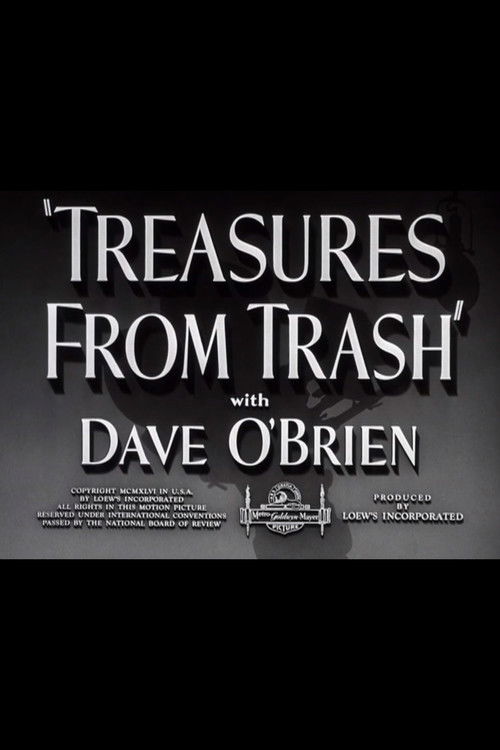
This MGM Passing Parade series short takes a look at changing definitions of art in the United States.
No overview available.
Part documentary, part drama, this film presents the life and work of Jack Kerouac, an American writer with Québec roots who became one of the most important spokesmen for his generation. Intercut with archival footage, photographs and interviews, this film takes apart the heroic myth and even returns to the childhood of the author whose life and work contributed greatly to the cultural, sexual and social revolution of the 1960s.
Cecil Taylor was the grand master of free jazz piano. "All the Notes" captures in breezy fashion the unconventional stance of this media-shy modern musical genius, regarded as one of the true giants of post-war music. Seated at his beloved and battered piano in his Brooklyn brownstone the maestro holds court with frequent stentorian pronouncements on life, art and music.
Eric Leiser displays his boundless creativity in this short collection; A stunning compilation of works presented with a mixture of live action, stop motion animation, puppetry and pixilation techniques, produced between 2001 and 2006.
Celebrating Billy Connolly's 75th birthday and 50 years in the business, three Scottish artists - John Byrne, Jack Vettriano and Rachel MacLean - each create a new portrait of the Big Yin. As he sits with each artist, Billy talks about his remarkable life and career which has taken him from musician and pioneering stand-up to Hollywood star and national treasure.
A documentary by Olivier Gonard, shot partly in Paris’s Musée d’Orsay, that examines Olivier Assayas' film Summer Hours, and its approach to art.
“This is a film about the end of a friendship. It wasn’t meant to be. Fifteen years ago, they painted my portrait.” (Mariano Llinás)
NYC Graffiti Documentary "Kings Destroy" straight from the boogie down Bronx and right into your living room, with guest appearances by KRS-1, FAT JOE, CASE II, SEEN, and many more...
Bob Ross brought joy to millions as the world's most famous art instructor. But a battle for his business empire cast a shadow over his happy trees.
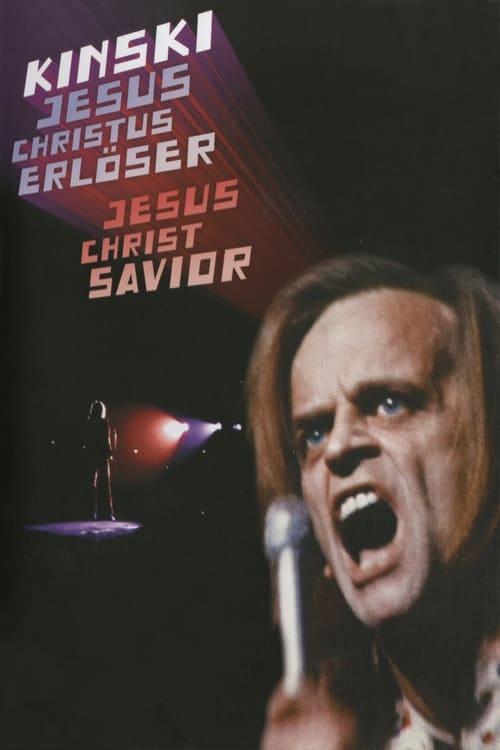
Klaus Kinski has perhaps the most ferocious reputation of all screen actors: his volatility was documented to electrifying effect in Werner Herzog’s 1999 portrait My Best Fiend. This documentary provides further fascinating insight into the talent and the tantrums of the great man. Beset by hecklers, Kinski tries to deliver an epic monologue about the life of Christ (with whom he perhaps identifies a little too closely). The performance becomes a stand-off, as Kinski fights for control of the crowd and alters the words to bait his tormentors. Indispensable for Kinski fans, and a riveting introduction for newcomers, this is a unique document, which Variety called ‘a time capsule of societal ideals and personal demons.’
What does modern art mean for ordinary visitors to an exhibition?
Hopper, one of America’s most admired artists, captured the shared realities of American life with poignancy and enigmatic beauty. His iconic images, set in unexceptional places, reveal the poetry of quiet, private moments. Hopper’s influences, which vary from French impressionism to the gangster films of the 1930s, are explored through archival photos, footage of locations he painted in New York and along the New England coast, and interviews with artists Eric Fischl and Red Grooms.
Follows the young people of Selma, Alabama's RATCo (Random Acts of Theatre Company) as they journey to New York City to share their story of hope, resilience, and overcoming.
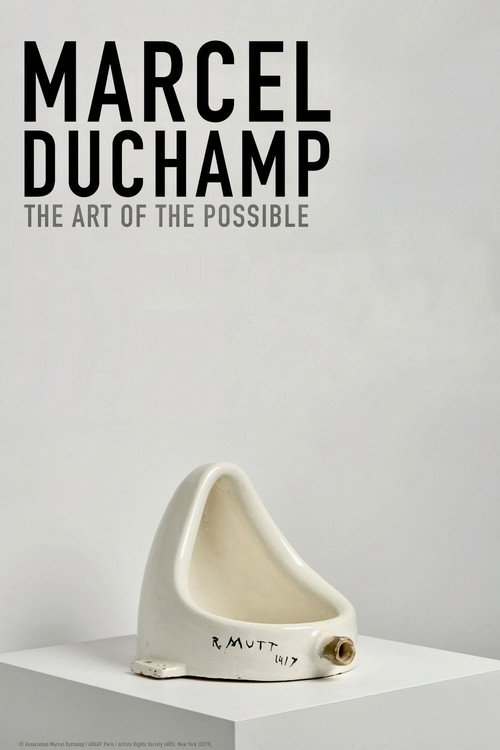
To celebrate the 100th anniversary of the birth of the surreal art movement, comedian Jim Moir (a.k.a. Vic Reeves) presents this documentary exploring the history of Dadism and the lasting influence it has had on himself and others.