No Cast found.
Two women discuss the roles and problems of women, education, and shopping on Fogo Island.
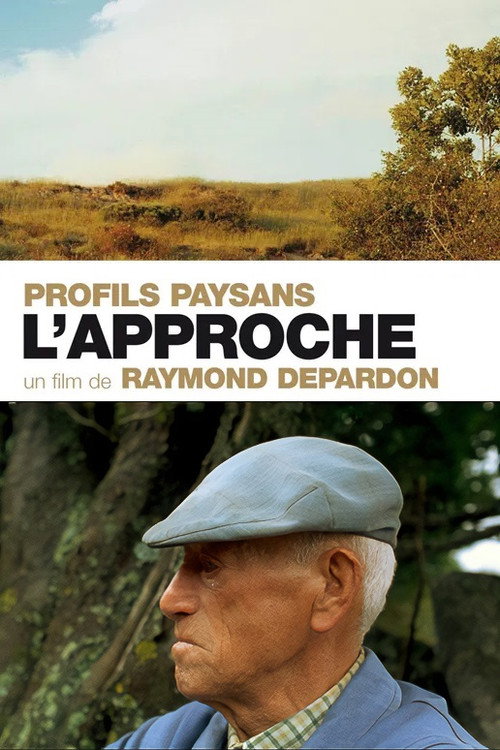
For ten years, Raymond Depardon has followed the lives of farmer living in the mountain ranges. He allows us to enter their farms with astounding naturalness. This moving film speaks, with great serenity, of our roots and of the future of the people who work on the land. This the last part of Depardon's triptych "Profils paysans" about what it is like to be a farmer today in an isolated highland area in France. "La vie moderne" examines what has become of the persons he has followed for ten years, while featuring younger people who try to farm or raise cattle or poultry, come hell or high water.
This short documentary illustrates rural French Canadian life in the early 1940s. The film follows Alexis Tremblay and his family through the busy autumn days as they bring in the harvest and help with bread baking and soap making. Winter sees the children revelling in outdoor sports while the women are busy with their weaving, and, with the coming of spring young and old alike repair to the fields once more to plough the earth in preparation for another season of varied crops. One of the first NFB films to be produced, directed, written and shot by women.
In barely a century, French peasants have seen their world profoundly turned upside down. While they once made up the vast majority of the country, today they are only a tiny minority and are faced with an immense challenge: to continue to feed France. From the figure of the simple tenant farmer described by Emile Guillaumin at the beginning of the 20th century to the heavy toll paid by peasants during the Great War, from the beginnings of mechanization in the inter-war period to the ambivalent figure of the peasant under the Occupation, From the unbridled race to industrialization in post-war France to the realization that it is now necessary to rethink the agricultural model and invent the agriculture of tomorrow, the film looks back at the long march of French peasants.
No overview available.
A poetic journey through the paths and places of old Castile that were traveled and visited by the melancholic knight Don Quixote of La Mancha and his judicious squire Sancho Panza, the immortal characters of Miguel de Cervantes, which offers a candid depiction of rural life in Spain in the early 1930s and illustrates the first sentence of the first article of the Spanish Constitution of 1931, which proclaims that Spain is a democratic republic of workers of all kind.
By attempting to travel 2,960 km from southern Quebec to its northernmost point, by bike and skis, in the middle of winter, adventurers Samuel Lalande-Markon and Simon-Pierre Goneau want to reinvest the territory and reflect on the identity and collective relationship that Quebecers have with it. Their journey begins at kilometer marker 720, an obelisk-shaped monument located on the border with the United States, and ends at Cape Anaulirvik, north of Ivujivik, the northernmost point of the Ungava Peninsula. Over the course of a 91-day expedition, they set out to meet the country in all its immensity, splendor and impetuosity, a country that suddenly reveals itself to be less abstract, less distant, more real.
Oases are more than fairytale places in the desert sand. Amidst the stony heights of the Andes, the endless expanse of the Pacific, or the hectic concrete sausages of Mumbai, islands of life flourish. In breathtaking shots, the documentary explores the phenomenon of oases – and the magical places in the Saharan sand are of course included.
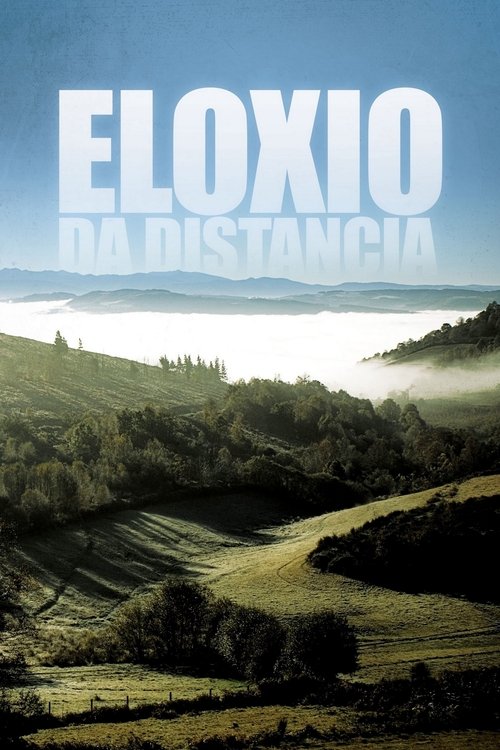
Province of Lugo, Galicia, Spain. A year in the life of A Fonsagrada, a rural region whose inhabitants live both near and far from urban civilization; a praise of the distance that crosses the four seasons of the year, whose inevitable passage transforms both the natural environment and the existence of people, a simple, dignified and peaceful existence.
This documentary film follows farmers and activists fighting together to stop the Indiana Enterprise Center, a mega-sized industrial park planned west of South Bend, Indiana
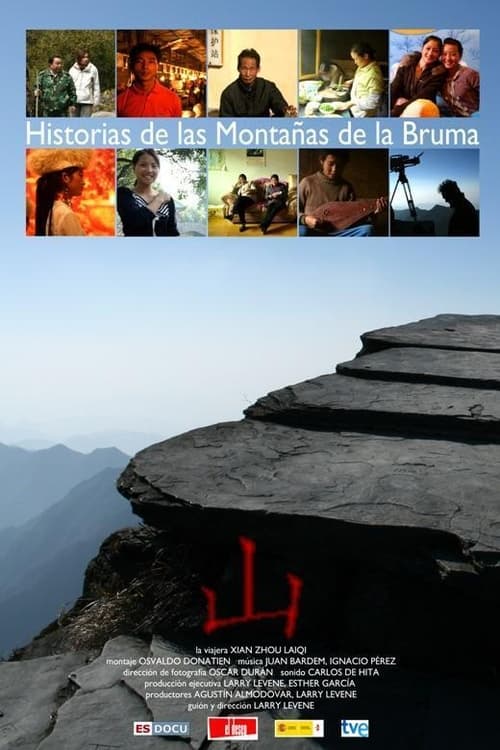
The follow-up film to “Barstow, California” takes us to the mountains of Miyama, a remote forest and tourist area north of Kyoto. Uwe Walter, a shakuhachi player from Germany, lives there with his wife Mitsuyo for 30 years. Together with the villagers he prepares the annual Gion Festival. On the eve of the festival, the village representatives tell him that his self-built studio is to be demolished. This brings back memories for him of earlier times and his first steps as a Nō actor. In the manner of a fresco, the film interweaves rural depictions of everyday life with the story of its German protagonist. In the village community with its togetherness of generations, Uwe shares life with his neighbours, with farmers, hunters, woodsmen, poultry farmers and anglers, tills his kitchen garden, and like other tradition-conscious villagers, he also grows his rice. The film shows them in a harsh mountain landscape between the rainy season and the first snow.
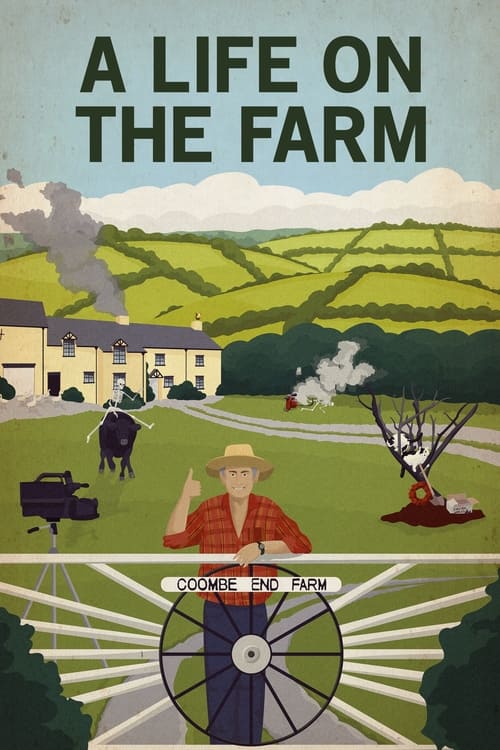
A strange story from Somerset, England about a filmmaking farmer and the inspiring legacy of his long-lost home movies.
After eighteen years of operating the favourite lunch counter in Manitoba's Interlake region, Ellen and Martin Kihn have retired. A poignant look at the last day, The Kihns, their friends and their customers, demanding rural life and the place the disappearing institution of the country cafe plays in these people's lives. A tribute to the cafes found in small towns.
The first of a documentary serie about rural France.
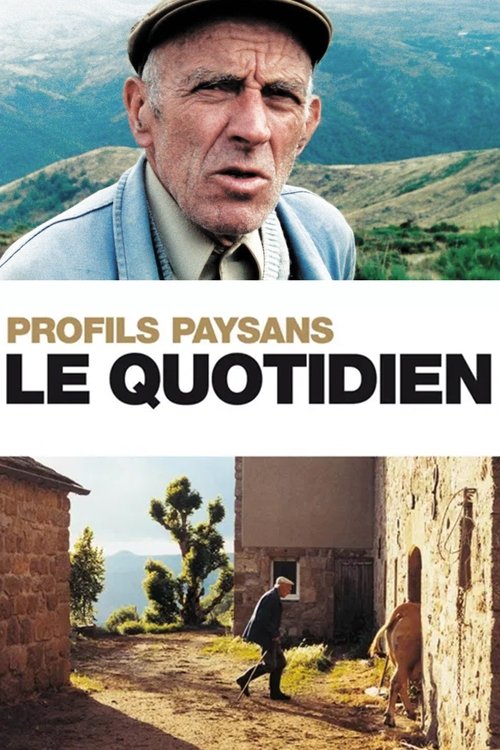
Second documentary of a trilogy produced on the long term (together with Profils paysans: l'approche (2001) and Profils paysans: La vie moderne (2008)), showing the simple lives of farmers in contemporary Southern France.
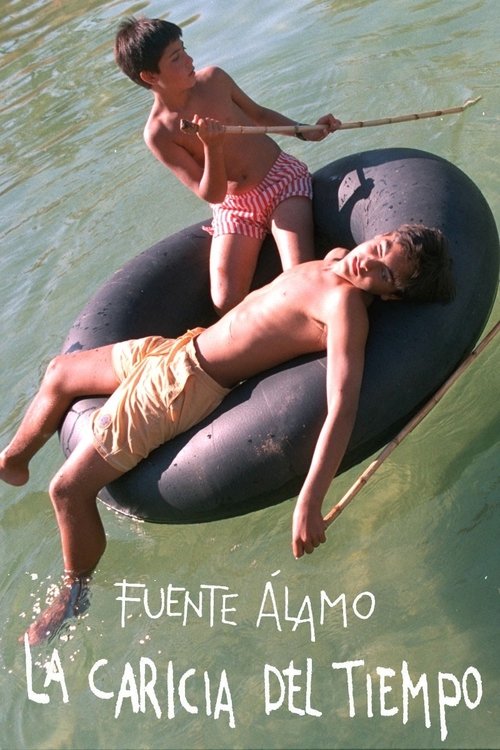
The camera falls in love with the characters, the landscape and the objects and is installed with the tenderness that inoculates the life of the town itself. The camera is the thousand eyes of the gaze of a rigorous anthropologist, although in love, multiplying so as not to lose detail in 24 hours of people, activity, games, intimacy ... Recording every sound that pierces the oceanic silence of the countryside open.And night comes. And the gazpacho. And the party. You see.
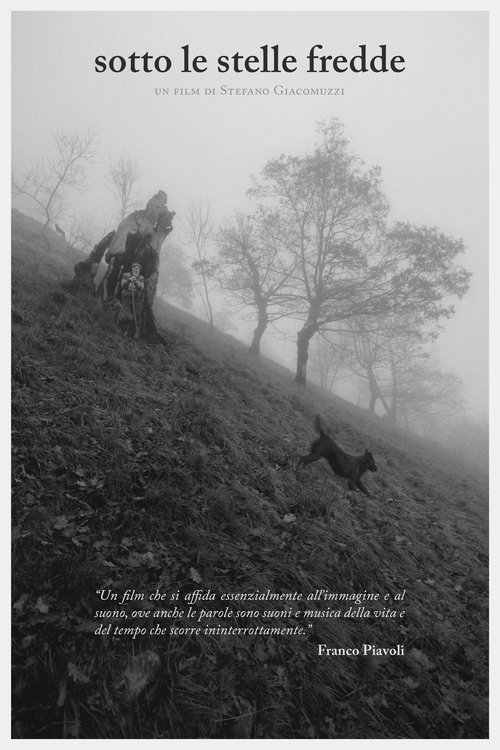
Set in the mountains of northeast Italy, this film may be considered an observational documentary about rural life. Although this is undeniably the case, at the same time Under the cold stars can hardly be considered a documentary: the microcosm on which it focuses appears to be a reflection of a broader reality and perhaps a way to deal with the themes of man’s existence and his relationship with animals, nature and, most importantly, with time. As written by Franco Piavoli "it is a film which essentially relies on images and sound, where words themselves are sound and the music of life, of the relentless flow of time."
No Trailers found.