logologo
MovieVerse© 2024
Privacy PolicyTerms of ServiceContact Us
Made with ❤️ by Thathsara
No Image
Sign in to create your own watchlist

Sound an Alarm

Jan 1, 1971
0h 21m
★ 0.0

Overview

An instructional film released by the UK Warning and Monitoring Organization which depicts its operations in the lead-up to and aftermath of a hypothetical nuclear attack on the United Kingdom.

Genres

Documentary

Production Companies

Interfilm (London)
Central Office of Information for Home Office

Sound an Alarm Trailers

No Trailers found.

Cast

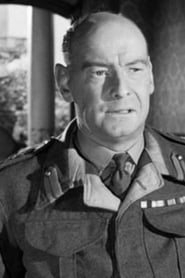
John Welsh

Sector Controller

John Welsh

No Image

Chief Meteorological Officer

Tony Thawnton

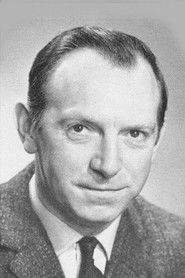
Edward Underdown

Duty Controller

Edward Underdown

Valerie Van Ost

Nurse

Valerie Van Ost

No Image

Post Chief Observer

Michael Smee

Larry Martyn

Post Observer

Larry Martyn

Guy Standeven

Post Observer

Guy Standeven

No Image

Doctor

Ian Patterson

No Image

ROC Sector Officer

Richard Butler

No Image

Chief Scientist

John Graham

No Image

Chief Warning Officer

Brian Forster

No Image

French Liaison Officer

Michael McStay

You may also like

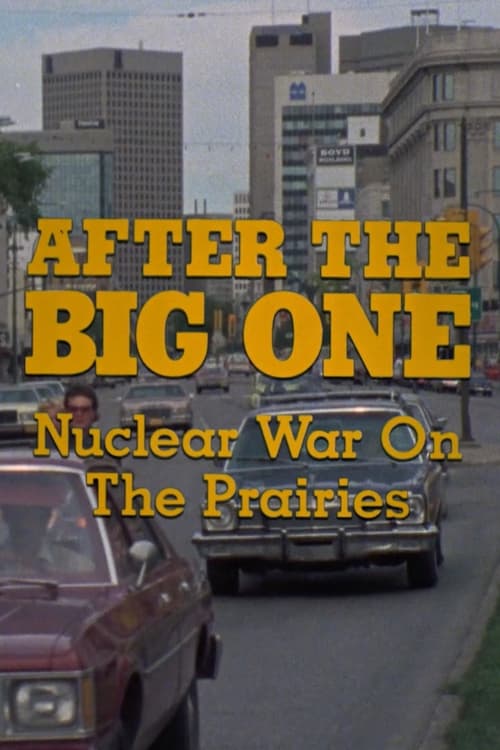
After the Big One: Nuclear War on the Prairies
6.5

After the Big One: Nuclear War on the Prairies

Oct 25, 1982

This film deals straightforwardly with the consequences of a nuclear attack for the Canadian Prairies. The Prairies are singled out because of their proximity to huge stockpiles of intercontinental ballistic missiles located in North Dakota. Scenes include a visit to a missile base and to an emergency government bunker in Manitoba. A doctor, a farmer and a civil defence coordinator provide different perspectives on nuclear war. Although the film focuses on one region, it provides a model for people everywhere who would like to know more about their own situation but don't know what questions to ask.

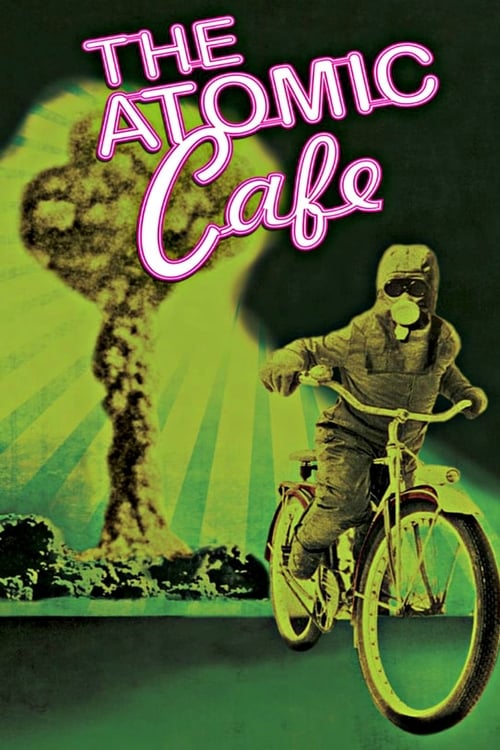
The Atomic Cafe
7.3

The Atomic Cafe

Mar 17, 1982

A disturbing collection of 1940s and 1950s United States government-issued propaganda films designed to reassure Americans that the atomic bomb was not a threat to their safety.

No Image
0.0

Your Chance to Live: Winter Storm

Sep 1, 1972

Intercuts scenes from Jack London's To build a fire with modern urban and rural winter scenes to point out the dangers of winter storms and low temperatures. Designed to stimulate discussion on civil preparedness for winter storms.

Nicko McBrain: Rhythms of the Beast
0.0

Nicko McBrain: Rhythms of the Beast

Jan 1, 1991

Nicko McBrain, drummer with Iron Maiden, personally explains some of the techniques which have made him one of heavy metal's premier percussionists.

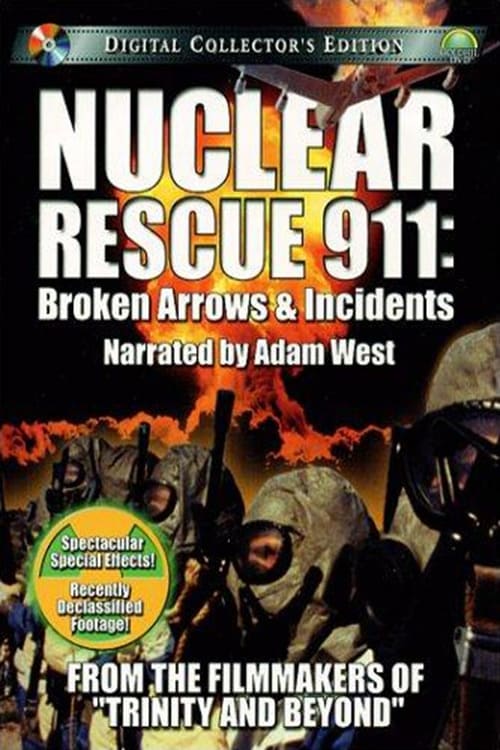
Nuclear Rescue 911: Broken Arrows & Incidents
4.8

Nuclear Rescue 911: Broken Arrows & Incidents

Jan 1, 2001

Since 1950, there have been 32 nuclear weapon accidents, known as "Broken Arrows." A Broken Arrow is defined as an unexpected event involving nuclear weapons that result in the accidental launching, firing, detonating, theft or loss of the weapon. To date, six nuclear weapons have been lost and never recovered.Now, recently declassified documents reveal the history and secrecy surrounding the events known as "Broken Arrows". There have been 32 nuclear weapon accidents since 1950. Six of these nuclear weapons have been lost and never recovered. What does this say about our defense system? What does this mean to our threatened environment? What do we do to rectify these monumental "mistakes"? Using spectacular special effects, newly uncovered and recently declassified footage, filmmaker Peter Kuran explores the accidents, incidents and exercises in the secret world of nuclear weapons.

Atomic: History Of The A-Bomb
0.0

Atomic: History Of The A-Bomb

Jan 1, 2019

The smallest of sparks can lead to the largest of explosions. Such is the case of the Atomic Bomb and the minds who have conceived of the deadliest force the world has ever known. This new documentary Atomic: The History of the A-Bomb follows this weapon of mass destruction from inception to detonation.

No Image
0.0

Planning For Emergence From Public Shelters

Mar 1, 1963

A training film for public shelter managers explaining when people should be allowed to leave the shelter after a disaster.

No Image
0.0

Walt Builds a Family Fallout Shelter

Feb 1, 1960

A man named Walt who has recently completed building a fallout shelter in his home, a project initiated due to the threat of nuclear war during the Cold War era. Walt demonstrates to his friends the multi-functionality of the shelter, which can also serve as a darkroom, an extra bedroom, or a safe space during tornadoes. He explains the construction process in detail, emphasizing the need for precise measurements, proper leveling, and the use of concrete blocks for radiation protection. The shelter includes a stock of essentials like a radio, batteries, and a fire extinguisher. Walt’s narrative is interspersed with advice on obtaining official bulletins for guidance and the importance of building shelters correctly. The film concludes with a message from the Director of the Office of Civil and Defense Mobilization, advocating for the construction of family fallout shelters across America as a means of personal safety and national security in the nuclear age.

No Image
0.0

Public Shelter Organization and Staff

Feb 1, 1963

Created in 1963 at the height of the Cold War, this Civil Defense training film uses a dramatic premise to show how emergency staff should manage and organize a large public fallout shelter during a crisis. A Shelter Manager is shown immediately taking control of the situation in the shelter, speaking calmly to those who have made it into the facility, closing the door promptly once the shelter is full, and sticking to the "shelter plan" as the situation unfolds. Some of the areas discussed in this nuclear war drama are the safety plan, regular inspections, supervised public entry into shelters, ventilation, first aid, sanitation, fire prevention, decontamination of personnel, and more. "Shelter living is different," the Manager states, "But we have a trained staff that will make your stay in this shelter livable for us all."

No Image
0.0

Operations in Public Shelters

Jul 1, 1963

A heavily dramatized Civil Defense film that demonstrates how a public fallout shelter is supposed to function after a nuclear attack. This scenario takes place in a fictional any town called "Middlebury". The film describes the situation in a public shelter in Middlebury following an attack on the United States.

No Image
0.0

Public Shelter Supplies: What Does The Government Supply

Apr 1, 1963

Training film for shelter managers. Food, water, sanitation, medical, and radiation detection systems are explained.

No Image
0.0

Information Program Within Public Shelters

May 1, 1963

This Cold War film "Information Within Public Shelters" (1953) takes place in a fallout shelter, showing how a well-trained staff that provides information to shelter occupants, can keep them busy and calm during nuclear armageddon. This film was produced as the U.S. Government began to shift from promoting privately-owned "family" fallout shelters to the concept of large, public shelters.

Highway
0.0

Highway

Jul 17, 2024

Found-footage short film about the paths connecting our global lives. Also, a plea against genocide.

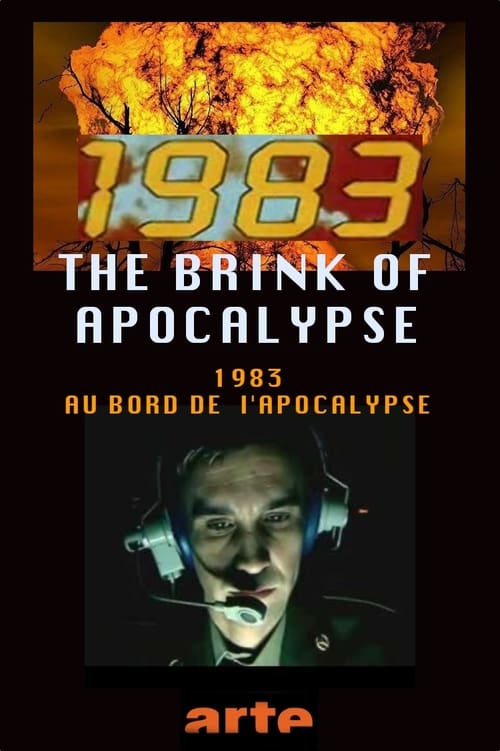
1983: The Brink of Apocalypse
5.0

1983: The Brink of Apocalypse

Jul 19, 2007

This programme recalls the events that led up to one of the most dangerous moments in the entire history of the Cold War: a NATO command post exercise, code named Able Archer 83, which caused the USSR to believe that NATO was planning a genuine nuclear attack.

Missile
6.9

Missile

Jan 15, 1988

MISSILE follows the 4315th Training Squadron of the Strategic Air Command at Vandenberg Air Force Base in California, where Air Force officers are trained to man the Launch Control Centers for the Minuteman Intercontinental Ballistic Missiles. Sequences include discussion of the moral and military issues of nuclear war; the arming, targeting and launching of the missile; codes; communications; protection against terrorist attack; emergency procedures; staff meetings and tutorial sessions.

The Man Who Saved the World
8.0

The Man Who Saved the World

Oct 22, 2012

During the Cuban Missile Crisis of 1962, Soviet Navy officer Vasily Arkhipov refused to launch a nuclear strike and saved the world from nuclear war and total destruction.

No Image
0.0

A Guide to Armageddon

May 26, 1982

A documentary film about the effects of nuclear weapons. What would be the effects on people and buildings if one medium-sized nuclear bomb was dropped on a large city? How effectively would various types of shelter protect us? In an experimental trial, two couples live in fallout shelters for ten days each.

No Image
0.0

Learning From Disappointment

Dec 1, 1961

In this Coronet instructional film, we learn how to manage and self regulate our emotions when it comes to dealing with short comings and disappointments.

Television Event
7.0

Television Event

Nov 11, 2020

An archive-based feature documentary viewing the dramatic climax of the Cold War through the lens of the ABC network, as it narrowly succeeds in producing the most watched, most controversial made-for-TV movie, THE DAY AFTER (1983). With irreverent humor and sobering apocalyptic vision, this film reveals how a commercial broadcaster seized a moment of unprecedented television viewership, made an emotional connection with an audience of over 100 million and forced an urgent conversation with the US President on how to collectively confront and resolve the most pressing issue of the time - nuclear proliferation.

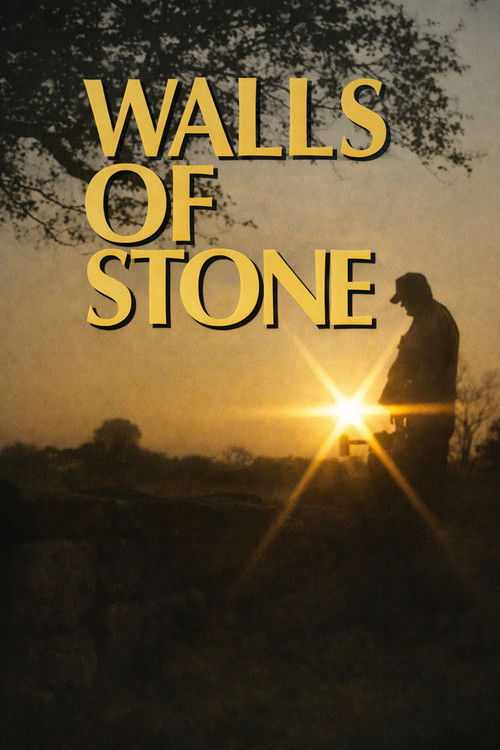
Walls of Stone: How to Build Drystone Walls and Rock Fences
0.0

Walls of Stone: How to Build Drystone Walls and Rock Fences

Invalid Date

This project by the National Center for Preservation Technology and Training (NCPTT) produced a video for training technicians in correct methods for preserving stone walls and rock fences. The video is a primary training resource, providing graphic instruction on how to repair, rebuild and relocate stone walls and rock fences. In addition to providing training to practitioners, the video explains fence and wall construction to archeologists, engineers, preservationists and conservators.