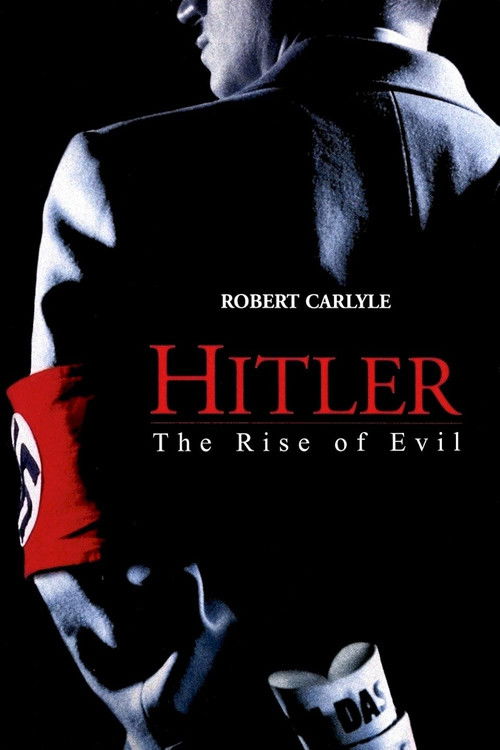
A profile of the life of Adolf Hitler with a unique slant, as a child and his rise through the ranks of the National Socialist German Workers Party prior to World War II.
No Trailers found.
Adolf Hitler
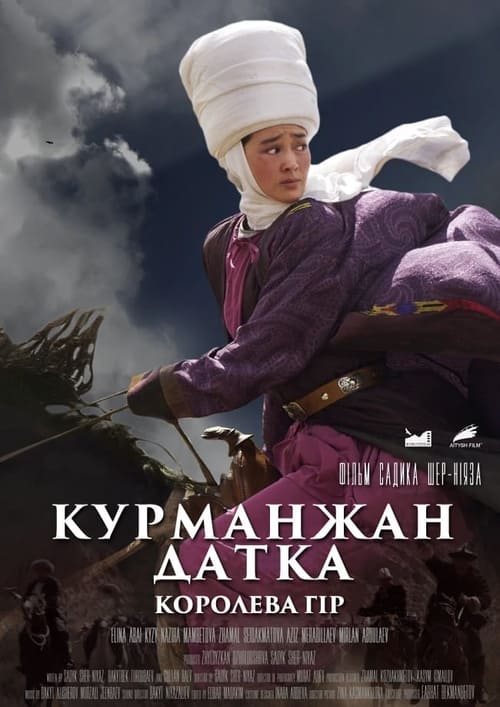
At a time when most females in Asia possess little or no power over their lives, headstrong Kurmanjan Datka defies her family's authority -- and ultimately becomes the ruler of her native Kyrgyzstan region.
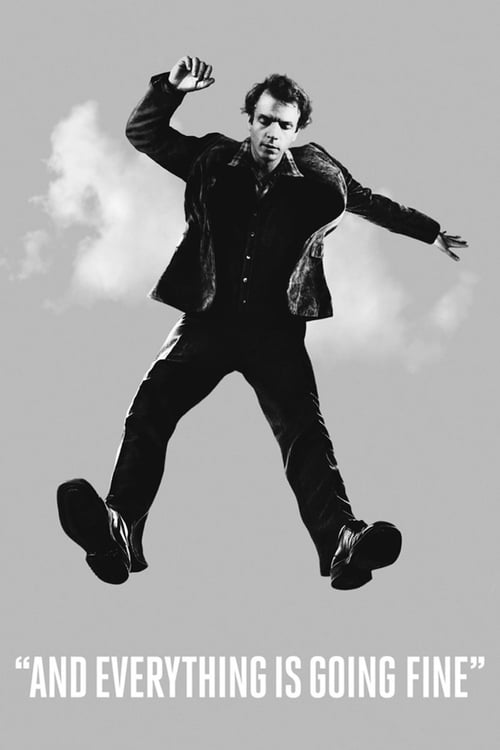
From the first time he performed Swimming to Cambodia - the one-man account of his experience of making the 1984 film The Killing Fields - Spalding Gray made the art of the monologue his own. Drawing unstintingly on the most intimate aspects of his own life, his shows were vibrant, hilarious and moving. His death came tragically early, in 2004; this compilation of interview and performance footage nails his idiosyncratic and irreplaceable brilliance.
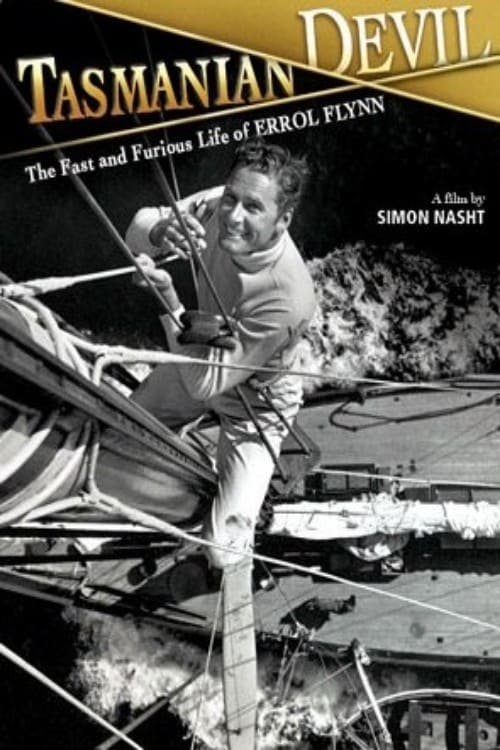
The story of Tasmanian-born actor Errol Flynn whose short & flamboyant life, full of scandals, adventures, loves and excess was largely played out in front of the camera - either making movies or filling the newsreels and gossip magazines. Tragically he was dead from the effects of drugs and alcohol by the time he was only 50 & the myths live on. But there is another side of Flynn that is less well known - his ambitions to be a serious writer and newspaper correspondent, his documentary films and his interest in the Spanish Civil War and Castro's Cuba
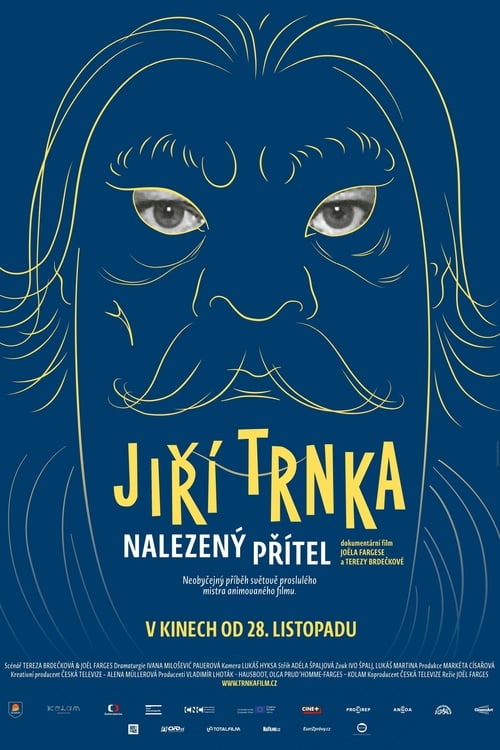
A story of an extraordinary artist who has unintentionally signed a deal with a devil. Jiří Trnka was one of the biggest Czech artists of the 20th century and one of the founders of the puppet animation. His work demonstrated the world that communist society can provide better conditions for extraordinary artistic creations. The ideological clash between West and East didn’t leave children and their stories apart from their struggle in ideological and political positions.
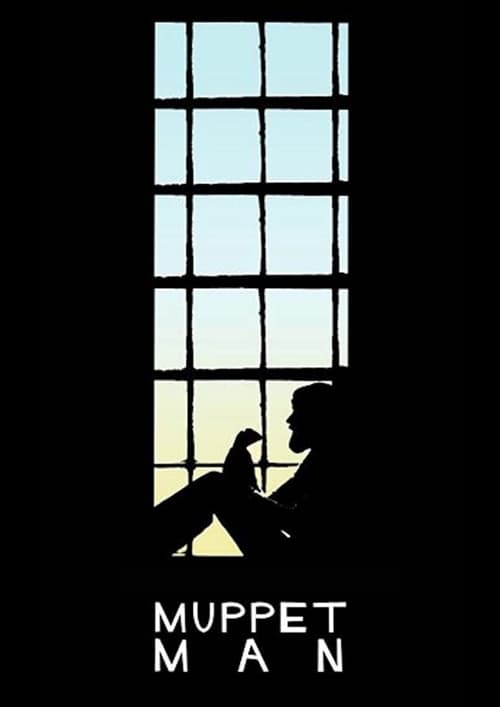
The story of how Jim Henson tried to convince broadcasters that The Muppets was a great idea and how he worked to get the characters on air where they became a comedy staple.
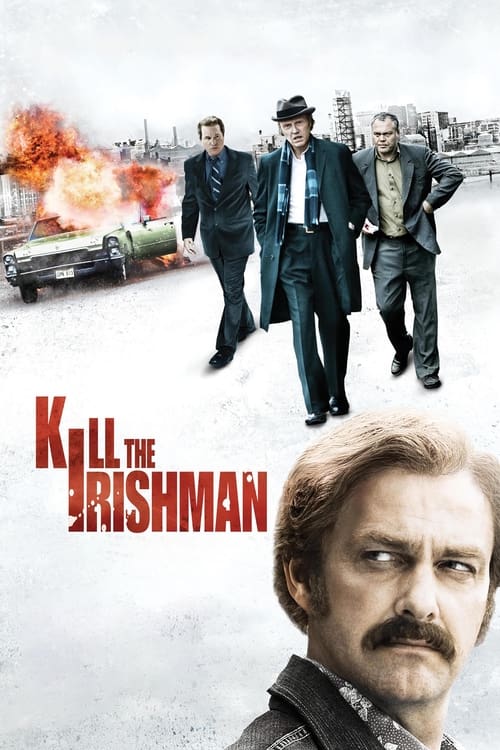
Over the summer of 1976, thirty-six bombs detonate in the heart of Cleveland while a turf war raged between Irish mobster Danny Greene and the Italian mafia. Based on a true story, Kill the Irishman chronicles Greene's heroic rise from a tough Cleveland neighborhood to become an enforcer in the local mob.
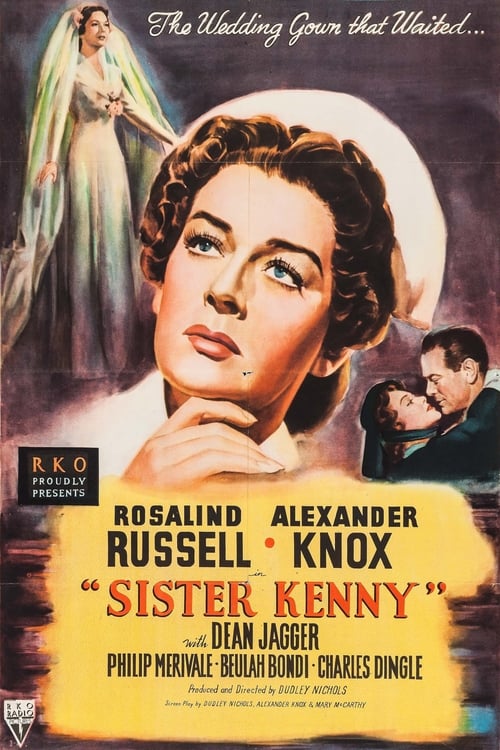
An Australian nurse discovers an effective new treatment for infantile paralysis, but experiences great difficulty in convincing doctors of the validity of her claims.
Traces the Beats from Allen Ginsberg and Jack Kerouac's meeting in 1944 at Columbia University to the deaths of Ginsberg and William S. Burroughs in 1997. Three actors provide dramatic interpretations of the work of these three writers, and the film chronicles their friendships, their arrival into American consciousness, their travels, frequent parodies, Kerouac's death, and Ginsberg's politicization. Their movement connects with bebop, John Cage's music, abstract expressionism, and living theater. In recent interviews, Ginsberg, Burroughs, Kesey, Ferlinghetti, Mailer, Jerry Garcia, Tom Hayden, Gary Snyder, Ed Sanders, and others measure the Beats' meaning and impact.
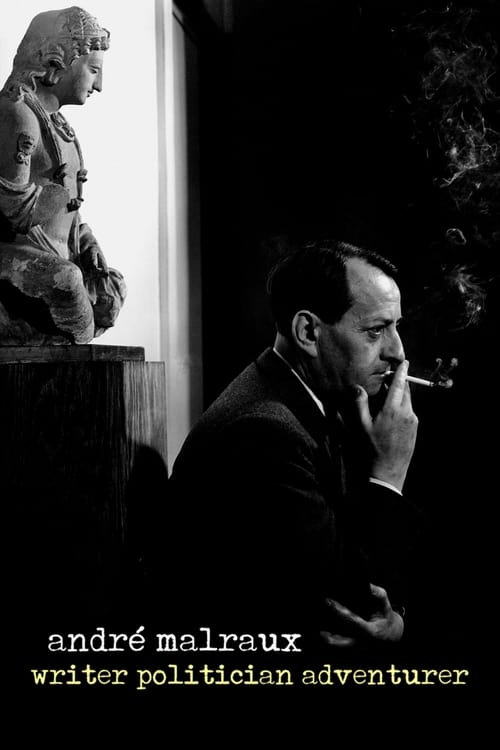
Writer, journalist, explorer, filmmaker, communist militant, freedom fighter. Truths and lies. A plot twist. Politician. General De Gaulle's shadow. Overwhelmed by the weight of power. The numerous exploits of André Malraux (1901-1976).
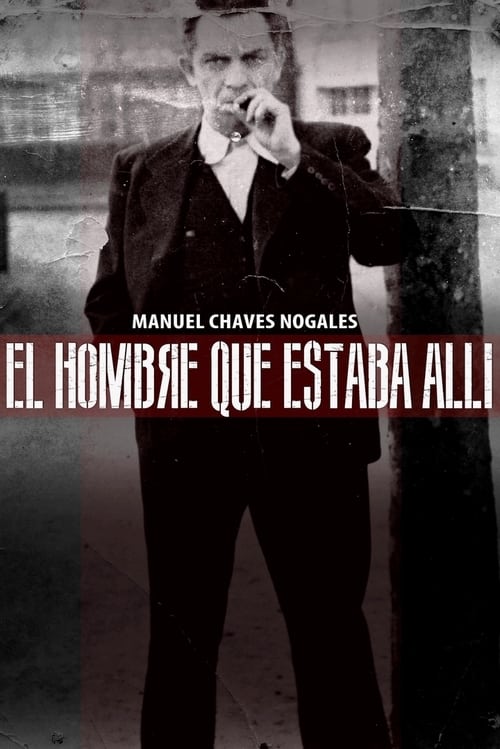
The Spanish journalist Manuel Chaves Nogales (1897-1944) was always there where the news broke out: in the fratricidal Spain of 1936, in Bolshevik Russia, in Fascist Italy, in Nazi Germany, in occupied Paris or in the bombed London of World War II; because his job was to walk, see and tell stories, and thus fight against tyrants, at a time when it was necessary to take sides in order not to be left alone; but he, a man of integrity to the bitter end, never did so.
From war-torn Syria to the 2016 Rio Olympics, two young sisters embark on a risky voyage, putting their hearts and their swimming skills to heroic use.
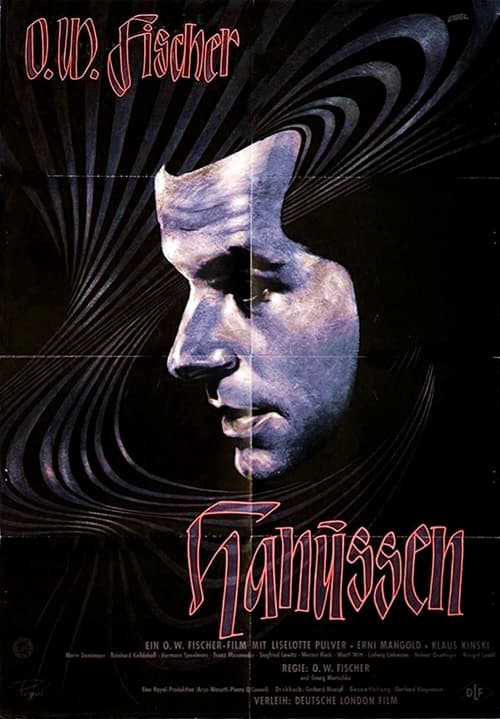
In Germany during World War II, a well-known psychic decides to collaborate with the Nazis.
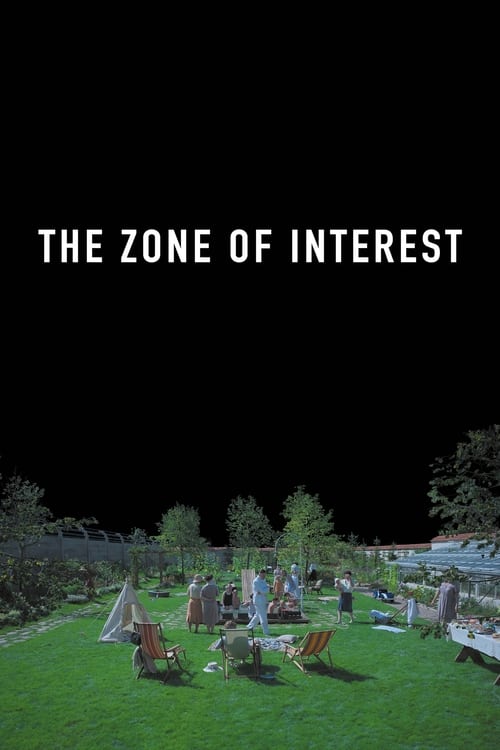
The commandant of Auschwitz, Rudolf Höss, and his wife Hedwig, strive to build a dream life for their family in a house and garden next to the camp.
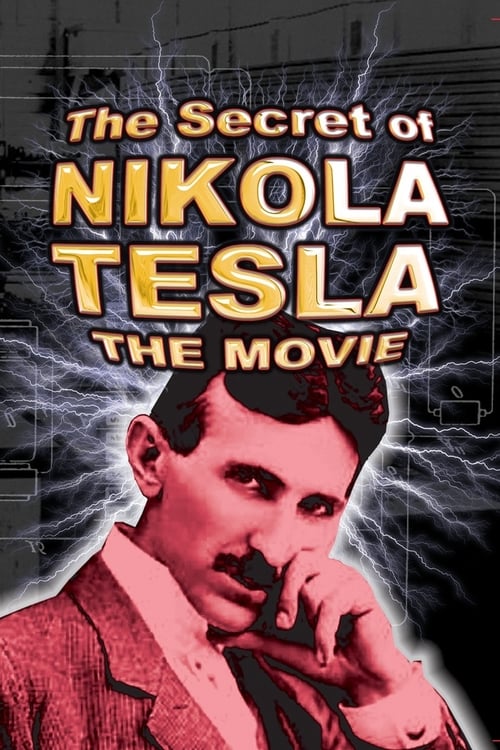
Life and times of Nikola Tesla, famous scientist whose inventions were stolen, but whose greatest contribution to mankind remain a mystery to this day.
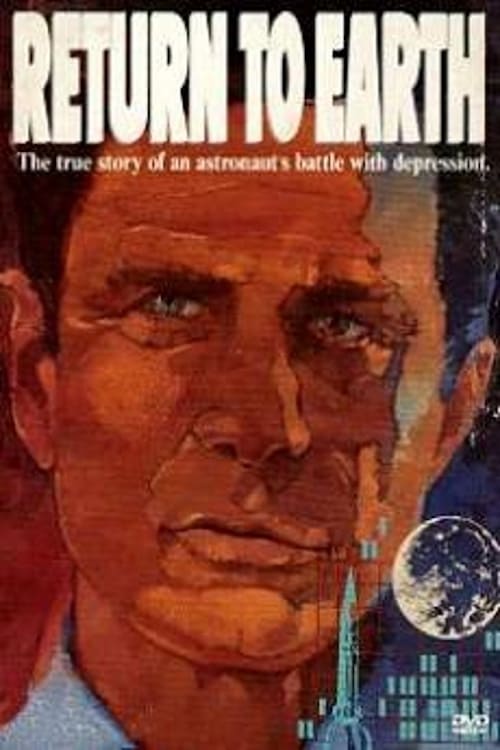
The story of Buzz Aldrin, the second astronaut to walk on the moon, and the problems he had after his return to Earth, including the breakup of his marriage, a nervous breakdown and his hospitalization for psychiatric problems.
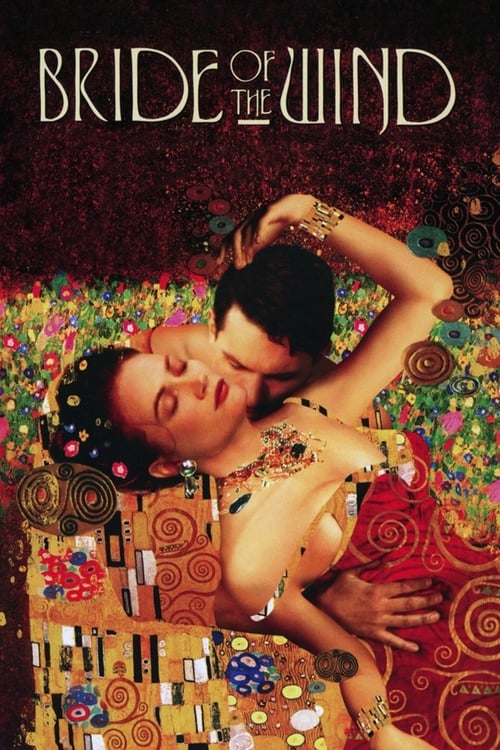
A biopic of Alma Mahler, the wife of composer Gustav Mahler (as well as Walter Gropius and Franz Werfel), and the mistress of Oskar Kokoschka.
A series of interviews are conducted with convicted serial killer Ted Bundy in hopes of gaining insight into the Green River Killer who is terrorizing Seattle.
David Wilkerson's first five years in New York City, where he ministered to disillusioned youth, encouraging them to turn away from the drugs and gang violence they were involved with.
A reconstruction of the bankruptcy of the Banco Ambrosiano bank and its liaisons with the Vatican and the Masonry through its president Roberto Calvi, notoriously found dead under the Blackfriars Bridge in London in June 1982.
The story of how Norma Jeane Mortenson became Marilyn Monroe (1926-62), a lucid path of self-discovery, from anonymity to stardom: the painful birth of a myth.