logologo
MovieVerse© 2024
Privacy PolicyTerms of ServiceContact Us
Made with ❤️ by Thathsara
movie poster
Mammy Water
Sign in to create your own watchlist

Mammy Water

Jan 1, 1953
0h 19m
★ 5.0

Overview

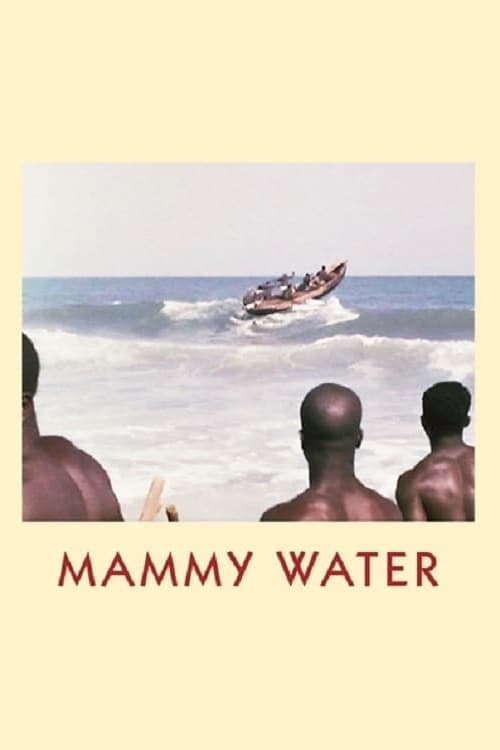
"Mammy Water" is mother sea, source of food. Jean Rouch filmed this short documentary in the Gulf of Guinea, in Ghana, where is held a colorful festival, the Chama, in which the participants offer cassava, gin and tobacco to the spirits of water and sacrifice a white ox to thank them and express their gratitude and respect.

Genres

Documentary

Production Companies

Les Films de la Pléiade

Cast

No Cast found.

Mammy Water Trailers

No Trailers found.

You may also like

The Endless Summer
7.1

The Endless Summer

Jun 15, 1966

Bruce Brown's The Endless Summer is one of the first and most influential surf movies of all time. The film documents American surfers Mike Hynson and Robert August as they travel the world during California’s winter (which, back in 1965 was off-season for surfing) in search of the perfect wave and ultimately, an endless summer.

The Making of Yaaba
7.5

The Making of Yaaba

Jan 2, 1989

Djibril Diop Mambéty followed and filmed the shooting of Yaaba, Idrissa Ouédraogo's second feature film. A documentary full of humorous anecdotes regarding the dangers of shooting in Burkina Faso.

Liyana
9.0

Liyana

Jul 15, 2017

A talented group of orphaned children in Swaziland create a fictional heroine and send her on a dangerous quest.

Death Metal Murders
10.0

Death Metal Murders

Nov 24, 2005

Murder, rape, satanism and necrophilia is the staple diet of millions of teenagers who listen to the lyrics of extreme heavy metal music. This World investigates the potential links between "death metal" and a series of gruesome crimes around the world. In Italy a group of young death metal fans formed a satanic cult called the Beasts of Satan. At least four gruesome killings resulted. But death metal musicians deny that they have any responsibility for the actions of people who profess to be their fans. With exclusive access to the families, one of the killers and graphic police footage, the film tells the inside story for the first time. We hear from the musicians, the children and the parents from Oslo to California and ask just how far can music go in its ability to shock, and just how damaging might it be?

The Story of the Weeping Camel
7.0

The Story of the Weeping Camel

Aug 12, 2004

When a Mongolian nomadic family's newest camel colt is rejected by its mother, a musician is needed for a ritual to change her mind.

Algeria in Flames
8.5

Algeria in Flames

Jan 2, 1958

These are the first images shot in the ALN maquis, camera in hand, at the end of 1956 and in 1957. These war images taken in the Aurès-Nementchas are intended to be the basis of a dialogue between French and Algerians for peace in Algeria, by demonstrating the existence of an armed organization close to the people. Three versions of Algeria in Flames are produced: French, German and Arabic. From the end of the editing, the film circulates without any cuts throughout the world, except in France where the first screening takes place in the occupied Sorbonne in 1968. Certain images of the film have circulated and are found in films, in particular Algerian films. Because of the excitement caused by this film, he was forced to go into hiding for 25 months. After the declaration of independence, he founded the first Algerian Audiovisual Center.

When We Were Kings
7.5

When We Were Kings

Oct 25, 1996

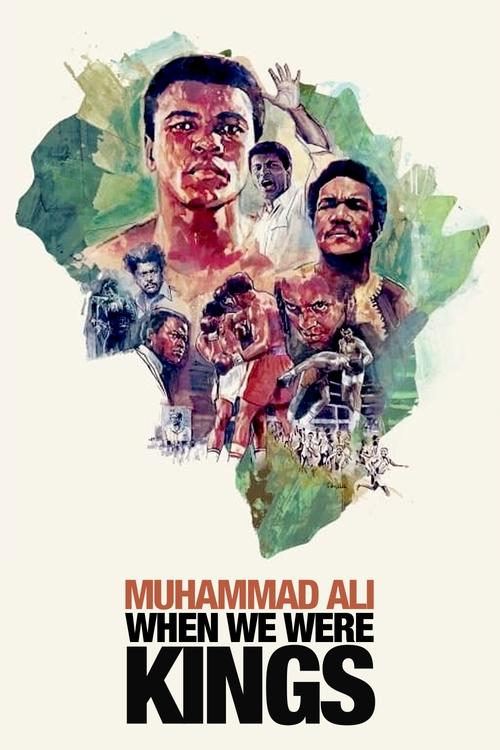
It's 1974. Muhammad Ali is 32 and thought by many to be past his prime. George Foreman is ten years younger and the heavyweight champion of the world. Promoter Don King wants to make a name for himself and offers both fighters five million dollars apiece to fight one another, and when they accept, King has only to come up with the money. He finds a willing backer in Mobutu Sese Suko, the dictator of Zaire, and the "Rumble in the Jungle" is set, including a musical festival featuring some of America's top black performers, like James Brown and B.B. King.

Marfil
0.0

Marfil

Jan 1, 2011

The first filmmaker arrived in Equatorial Guinea in 1904. The last movie theatre closed in Malabo in the 1990s. In 2011, during the II African Film Festival of Equatorial Guinea, the Marfil Movie Theatre reopened its doors. Florencio, Ángel and Estrada tells us how cinema has been, and is still, present in their lives.

The Hunters
6.1

The Hunters

Jan 1, 1957

An ethnographic documentary following four Ju/’hoansi (!Kung) men during a multi-day giraffe hunt in the Kalahari Desert, filmed during the Smithsonian–Harvard Peabody expedition of 1952–53.

The Test
0.0

The Test

Aug 7, 2023

A Ghanaian maintenance technician at a Virginia retirement community dreams of becoming an American citizen to provide a better life for his family. With their future at stake, he enlists the help of two elderly residents to prepare for the biggest test of his life: the US Citizenship exam.

Satanic Ritual Abuse and Secret Societies
0.0

Satanic Ritual Abuse and Secret Societies

Jan 23, 1995

David Carrico exposes the satanic nature of the secret societies, their influence in human history and the birth of United States.

Carte Blanche
9.0

Carte Blanche

Aug 10, 2011

A documentary about investigators of the International Criminal Court trying to gather evidence of crimes committed in Africa.

No Image Available
0.0

No Other Choice

Jan 1, 2012

An undercover documentary film produced and directed by British filmmaker Dominic Brown, about the struggle of the indigenous Sahrawi people of Western Sahara. The documentary covers the current human rights and political situation of the Sahrawi. There are several interviews recorded with human rights victims including an elderly lady who had been attacked in her home the previous day by Moroccan security forces. There is also a focus given to the alleged vested interests of countries in the region, particularly France. The film states that the French Government's close relationship with Morocco, their trade deals and their use of veto over the terms of the UN mission in Western Sahara are major factors.

Dawn of the Damned
7.2

Dawn of the Damned

Jul 5, 1965

This excellent feature-length documentary - the story of the imperialist colonization of Africa - is a film about death. Its most shocking sequences derive from the captured French film archives in Algeria containing - unbelievably - masses of French-shot documentary footage of their tortures, massacres and executions of Algerians. The real death of children, passers-by, resistance fighters, one after the other, becomes unbearable. Rather than be blatant propaganda, the film convinces entirely by its visual evidence, constituting an object lesson for revolutionary cinema.

Die Wildnis stirbt!
0.0

Die Wildnis stirbt!

Nov 13, 1936

A reportage cross-cutting film about the development of Africa from 1900-1936, using archive footage and film material from earlier African expeditions.

No Image Available
0.0

Likhaya

Nov 21, 2009

A look at the rampant HIV epidemic rate in Swaziland.

Mögöbalu, Les Maîtres des Tambours d'Afrique
10.0

Mögöbalu, Les Maîtres des Tambours d'Afrique

Jan 1, 1998

No overview available.

Rivers of Giants
8.0

Rivers of Giants

Jan 1, 2005

Africa is a land of giants. Its powerful rivers sculpt the earth and form impressive valleys and waterways that are home to many imposing and powerful inhabitants. These are the rivers where massive elephants and hippos live, feed and drink, and where ancient crocodiles hunt and breed. They share the rivers with porcupines, the martial eagle, and the leopard.

God Grew Tired of Us
7.2

God Grew Tired of Us

Dec 31, 2006

Filmmaker Christopher Quinn observes the ordeal of three Sudanese refugees -- Jon Bul Dau, Daniel Abul Pach and Panther Bior -- as they try to come to terms with the horrors they experienced in their homeland, while adjusting to their new lives in the United States.

Mariner of the Mountains
6.4

Mariner of the Mountains

Sep 28, 2023

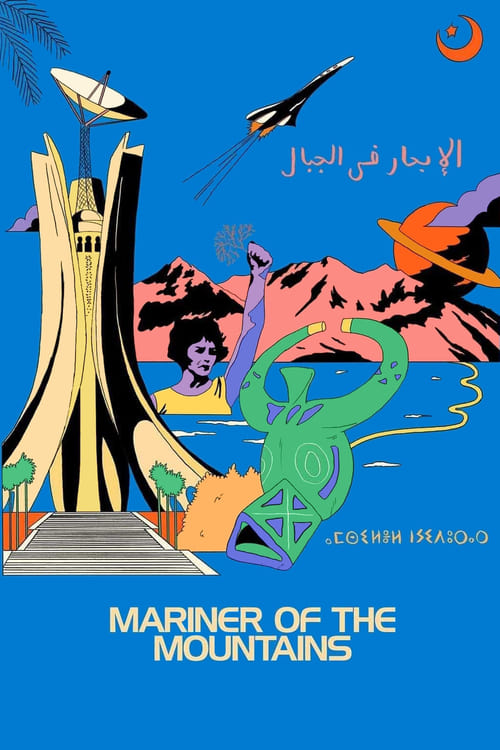
Filmmaker Karim Aïnouz decides to take a boat, cross the Mediterranean, and embark on his first journey to Algeria. Accompanied by the memory of his mother, Iracema, and his camera, Aïnouz gives a detailed account of the journey to his father’s homeland, interweaving present, past, and future.