How do you entertain yourself while entertaining others?
How do you entertain yourself while entertaining others? A short documentary about a nighttime projectionist passing the time.
No Trailers found.
No overview available.
A woman narrates the thoughts of a world traveler, meditations on time and memory expressed in words and images from places as far-flung as Japan, Guinea-Bissau, Iceland, and San Francisco.
Somewhere on the coast of the Bering Sea, a father and son make a living fishing in a community that seems almost outside of time. Aliaksandr Tsymbaliuk’s camera takes us in close to the subjects, recording both the harshness of their condition and the rigour of education, softened by paternal love and the universal insouciance of childhood.
An unnamed passer-by is forced to trace a circular route inside an abandoned tram station, facing loss and time. The broken walls act as a channel, transmitting fragmentary, blurred and analogical memories.
"The acid soil of New England, its wide stretches of hardwoods, its numerous sugar maples, its rolling or mountainous character, the sunshine of its autumn weather, all these contribute to the glory of this annual display. The birches of Maine the aspens of the White Mountains, the sugar Maples of Vermont, the long rainbow of the Connecticut River Valley cutting from top to bottom through New England, the Berkshires - mention these to anyone who has traveled widely through a New England fall and you will evoke instant memories of superlative beauty." -Edwin Way Teale, Autumn across America, 1956
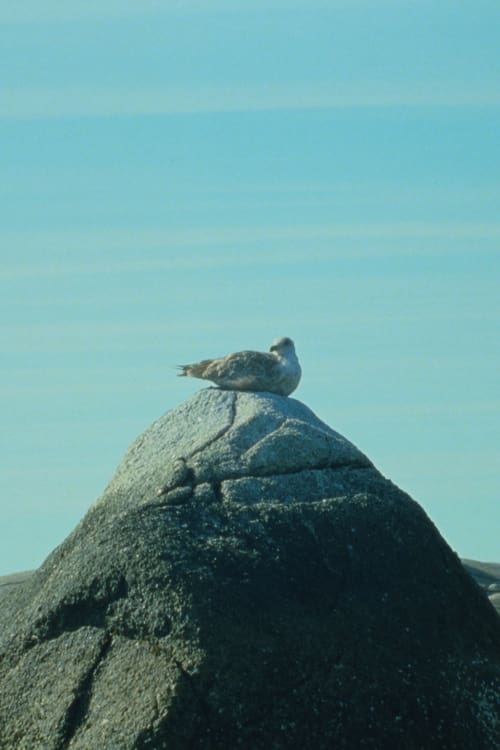
The sun rises over the tide pools of coastal Maine.
Somewhere between the mountains and valleys a small autumn flower bloomed.
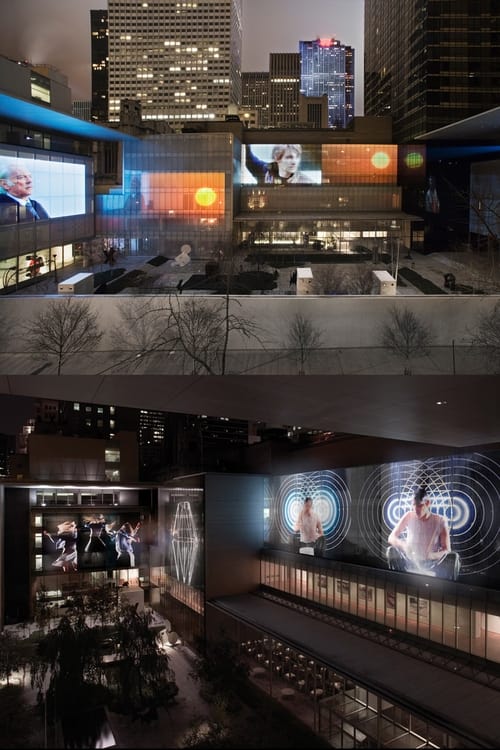
A bike messenger, an electrician, a postal worker, a business man and an office worker make their way through an evening in New York City. A collection of eight large-scale moving images projected on the walls of New York's Museum of Modern Art.
The extraordinary life story of science fiction and fantasy writer Ursula K. Le Guin (1929-2018) who, in spite of remaining for many years on the sidelines of the mainstream literature, managed to be recognized as one of the most remarkable US writers of all time, due to the relevance of her work and her commitment to the human condition.
Delves into the world of makeshift oil refineries and the stark realities of life in war-torn northern Syria,. Mahmood is a prominent figure in these operations, navigating complex working conditions and local dynamics.
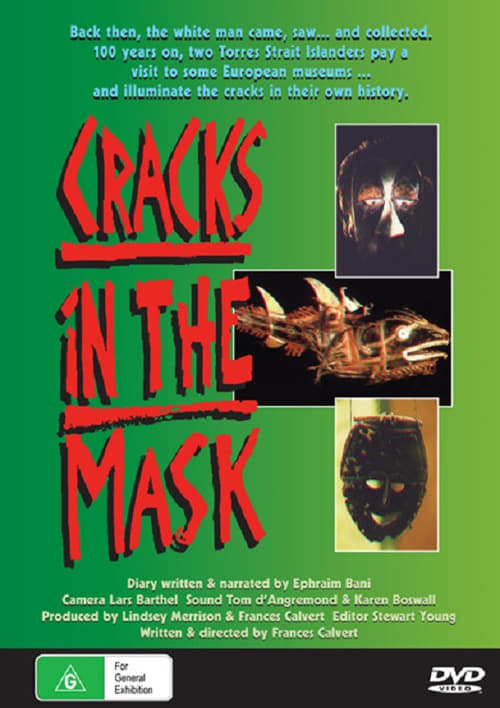
A century ago the Torres Strait Island were the subjects of the famous Cambridge Anthropological Expedition - the resulting depletion of their cultural artifacts left them with nothing but a history of remembered loss. The only people in the Pacific to make elaborate turtleshell masks have none left - they are all in foreign museums. In a quest to reclaim the past, Ephraim Bani, a wise and knowledgeable Torres Strait Islander, travels with his wife to the great museums of Europe where his heritage lies. The film, an SBS Independent production, shows that the thickest of masks cracks when a descendant of the original owners enters a museum.
White’s camera offers several 360-degree pans of views of the fairground, then amazes by tilting up and down the Eiffel Tower, and concludes with a stunning tracking shot to the highest point above Paris. Exhibitors freely grouped films into nascent narratives such as those displayed here. - Bruce Posner
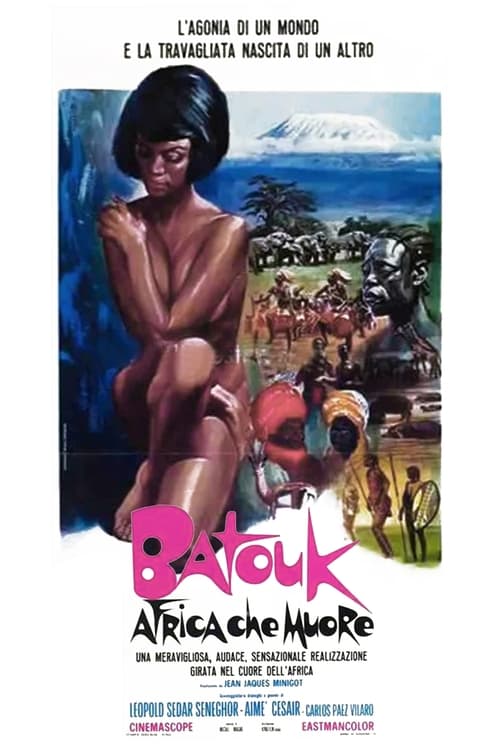
This uneven and uninspired documentary of Africa is a collection from various stock footage. Female dancers in mod clothes dance on the Eiffel Tower in comparison to the primitive dances of native Africans. A lone runner trains for a marathon, and a few animals are shown in their natural habitat. Commentary and modern jazz and pop music help to make this seem much longer than 66 minutes.
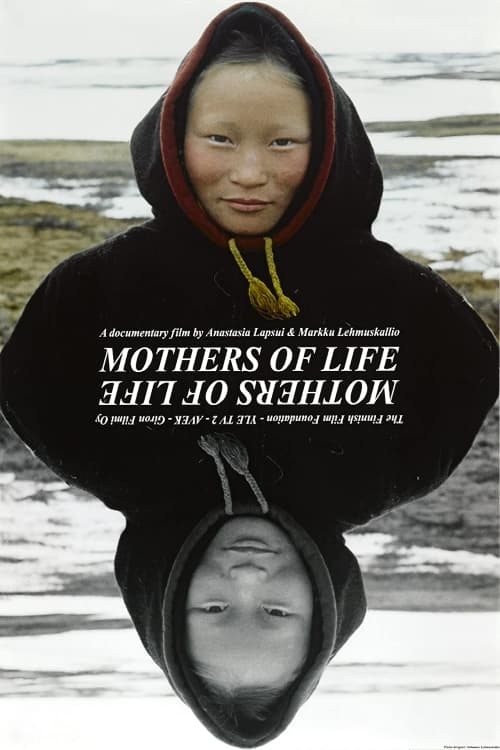
A documentary on the experiences of the Nubetya Yaptiks nomadic family in the Yamal Peninsula, Eastern Siberia, from 1992 to 2001.
A 'cine-ramic' roller-coaster ride through the rise, fall and re-birth of projected film.
In the same vein as Meri's other documentations, this one takes advantage of the glasnost policy to discuss the social and ecologic impact of the Russian oil industry on the natives and the lands they inhabit.