No Trailers found.
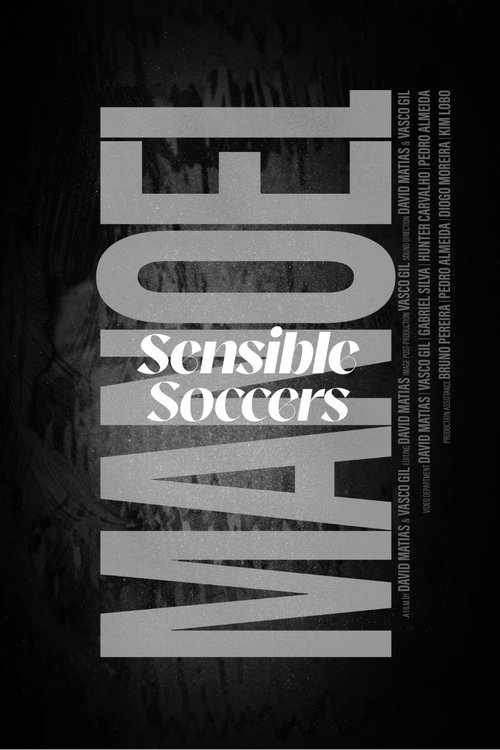
"Manoel" captures Sensible Soccers' journey as they celebrate a decade together as a band by reimagining soundtracks for Manoel de Oliveira's classic films. The documentary delves into the poetic intersection of cinema and music, revealing the delicate harmony between these two timeless art forms.
No overview available.
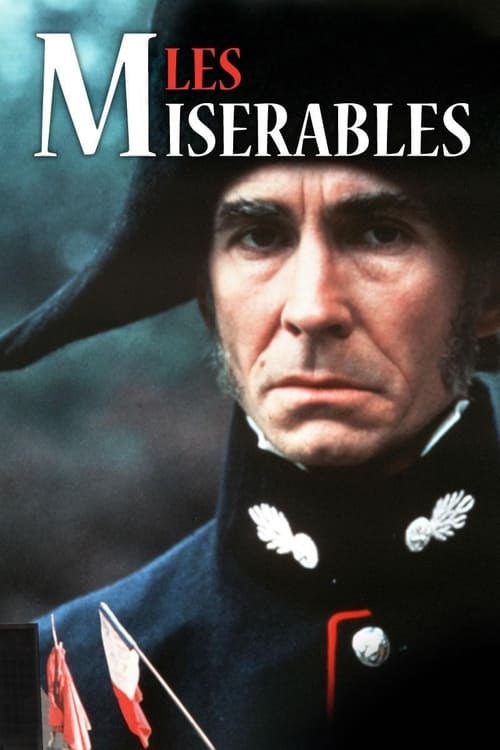
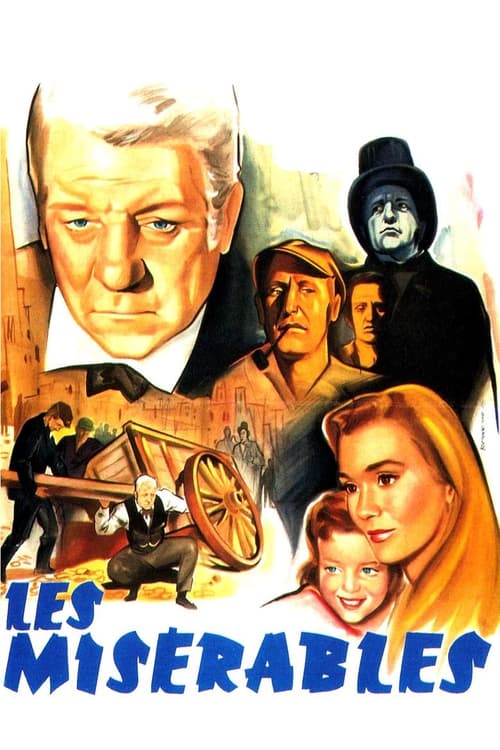
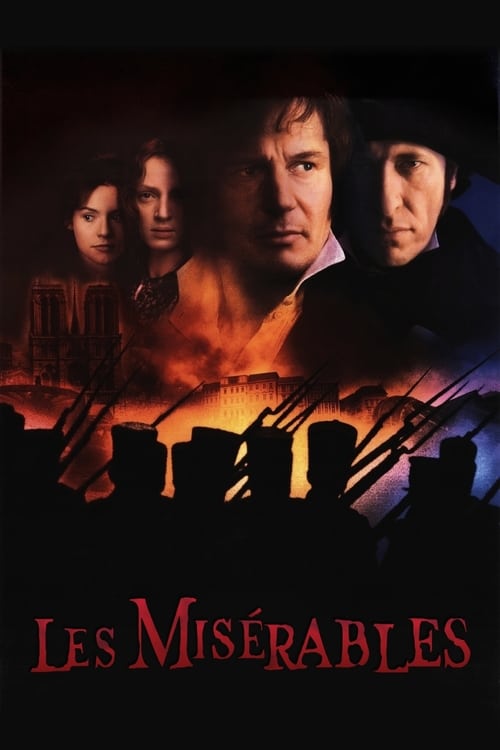
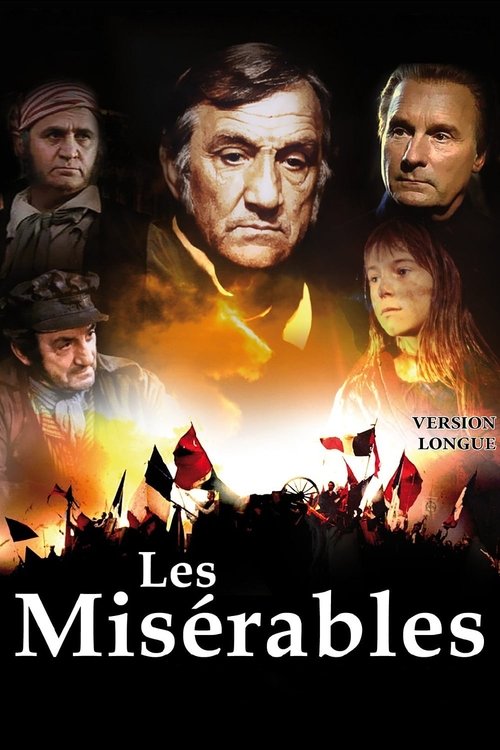
In 19th century France, Jean Valjean, a man imprisoned for stealing bread, must flee a relentless policeman named Javert. The pursuit consumes both men's lives, and soon Valjean finds himself in the midst of the student revolutions in France.
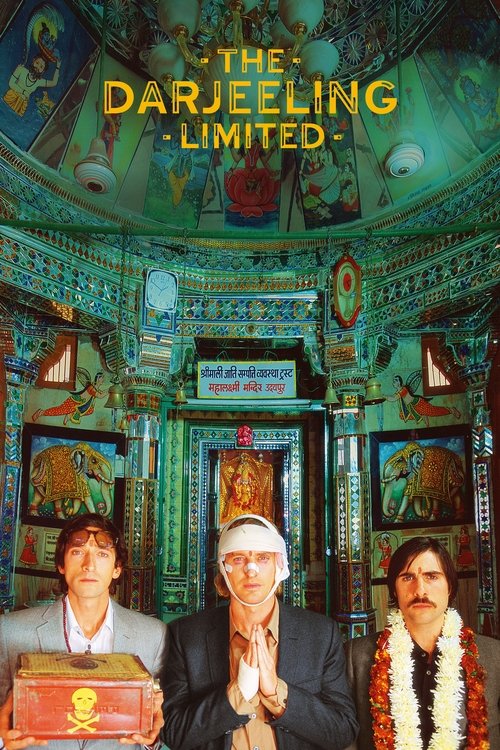
Three American brothers who have not spoken to each other in a year set off on a train voyage across India with a plan to find themselves and bond with each other -- to become brothers again like they used to be. Their "spiritual quest", however, veers rapidly off-course (due to events involving over-the-counter pain killers, Indian cough syrup, and pepper spray).
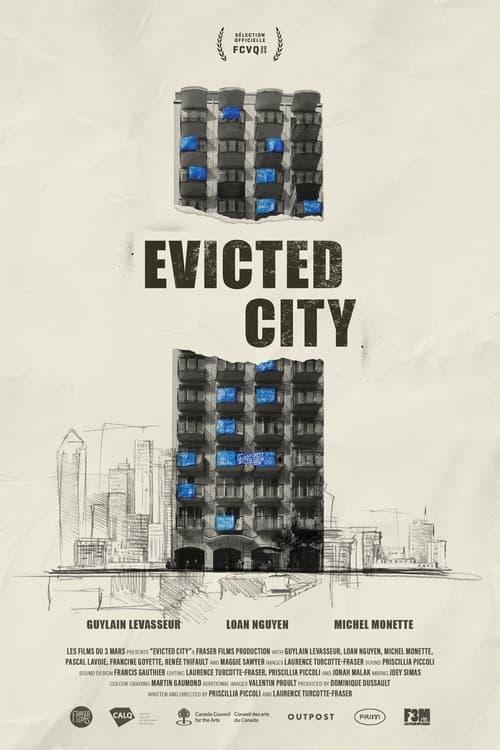
Montreal — one of the few remaining affordable cities in North America — is now in the midst of an unprecedented housing crisis. An intimate portrait of socio-political resistance, this multilayered film explores the human impact of real estate speculation on the cities of tomorrow.
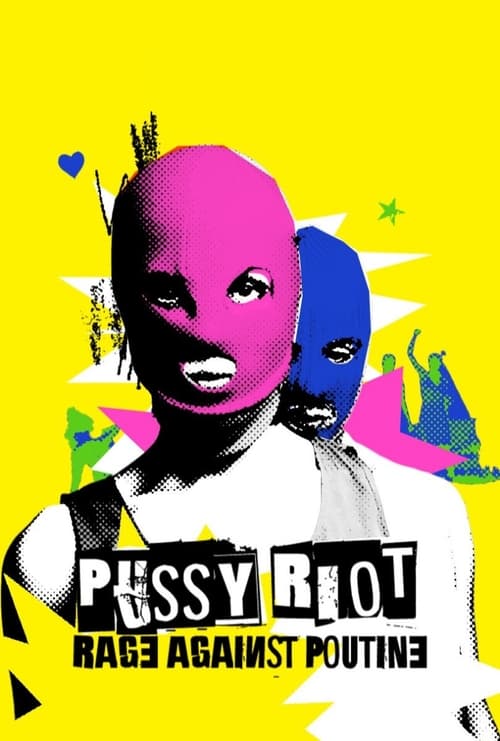
Pussy Riot make a comeback after a long absence to stand with Ukraine. Their story and their struggle are told through archival footage and interviews with the group’s members.
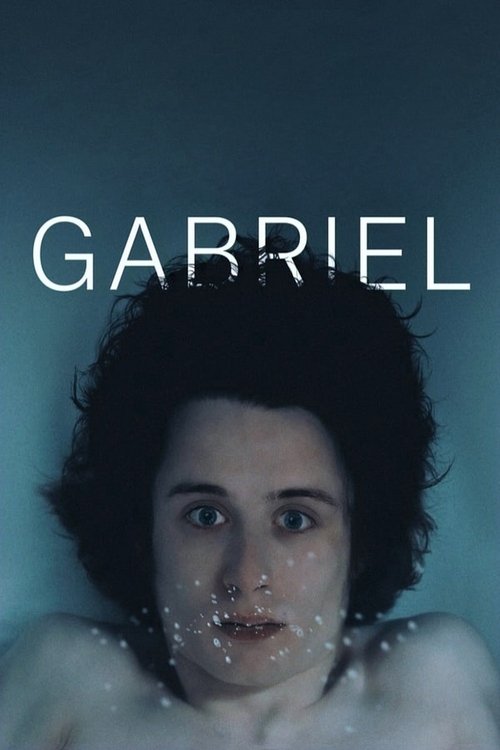
Convinced that reuniting with his old girlfriend will bring his dreams to fruition, Gabriel risks it all in a desperate and increasingly obsessive pursuit.
After his gay cousin dies from hepatitis, young Laurent, who lives with his best friend Carole, falls in love with Cedric, a plant scientist. He's afraid to inform his conservative parents that he is gay.
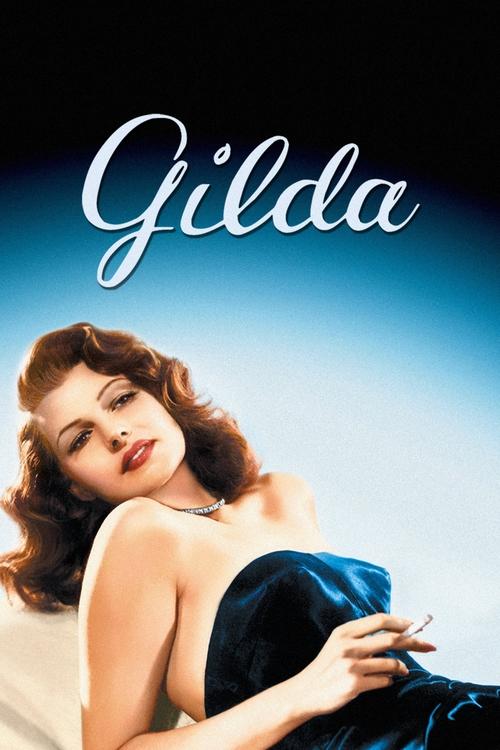
A gambler discovers an old flame while in Argentina, but she's married to his new boss.
Documentary about the making of Disney's animated musical adaptation of Kipling's classic.
A story about 6 kids who grew up together and stayed together, once strangers, then friends, now family. Both a video diary and a travelogue, this coming-of-age film explores the fleeting moments of youth, reflecting on nostalgia, connection, and the bonds that endure as we grow older. A chapter in the story we've been writing since we were kids, these are the days we'll look back on.
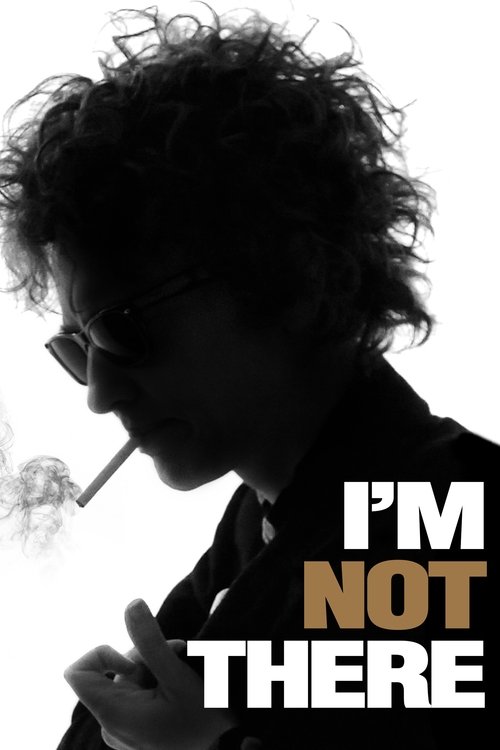
Six actors portray six personas of music legend Bob Dylan in scenes depicting various stages of his life, chronicling his rise from unknown folksinger to international icon and revealing how Dylan constantly reinvented himself.
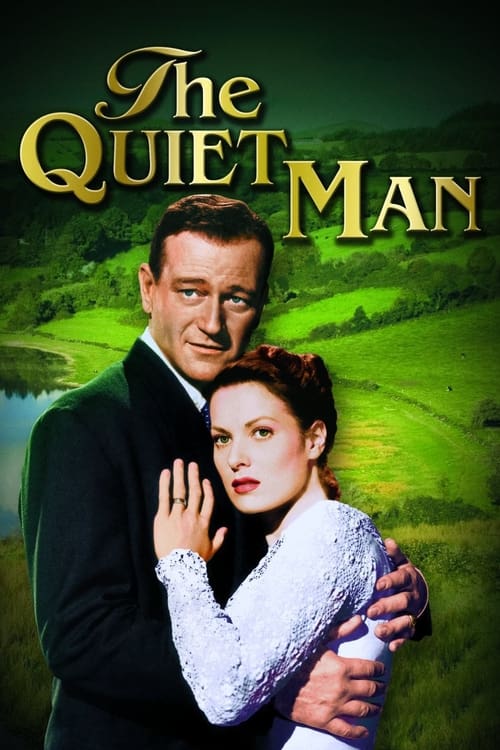
An American man returns to the village of his birth in Ireland, where he finds love and conflict.
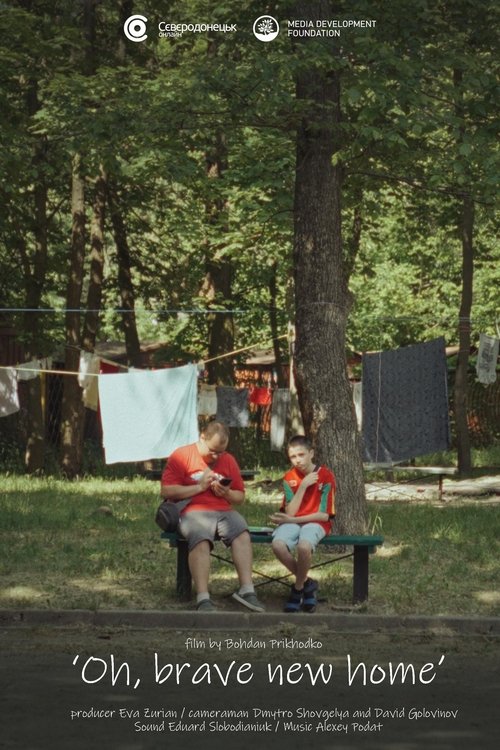
A story about children and adults who migrated from eastern Ukraine because of the war and found themselves far from home in a hostel for displaced people. This is a film about the everyday life and pain of refugees, about the search for small details that give strength to live and about adults who are tired of war. It is a self-reflection of refugees who believe that they will soon return home, without a clear understanding of when this will be possible and what awaits them there.
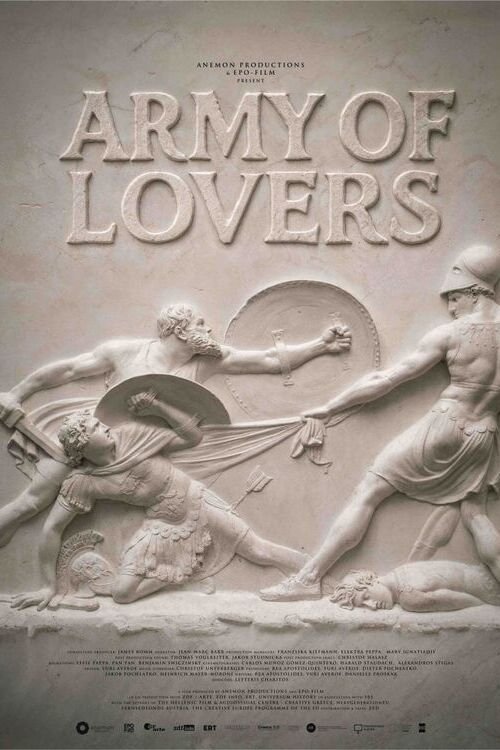
A documentary that brings to light the extraordinary story of the Sacred Band of Thebes – an elite military unit composed of 150 pairs of male lovers that became one of the most formidable forces of the ancient world. It delves into the history of this little-known chapter of classical antiquity through forensic archaeology, rare archival material, ancient art, and animation. It explores how the Sacred Band rose to prominence, met its tragic end, and continues to resonate in modern discussions of identity, heroism, and love.