No Trailers found.
No Cast found.
No overview available.
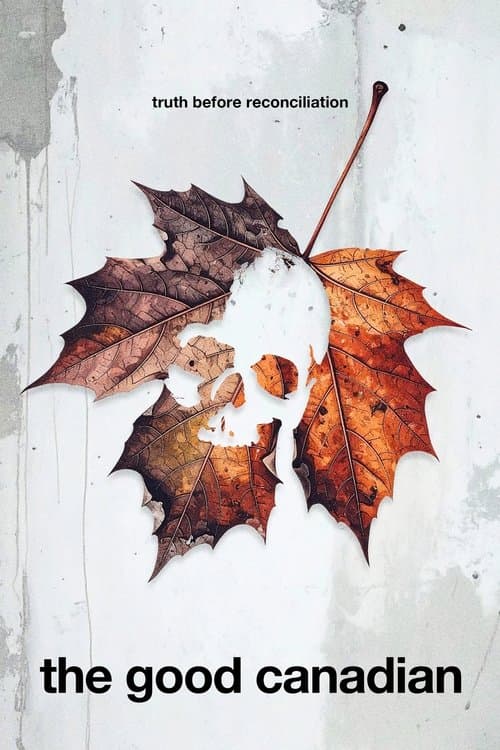
The world knows the image of the good Canadian. But what if there was a dark secret behind a national identity? THE GOOD CANADIAN exposes the truth behind the idea of a True North strong and free. In this unflinching and eye-opening documentary, directors Leena Minifie and David Paperny move us through the corridors of systemic inequity, from the Indian Act to residential schools, to modern-day family separation. Fusing shocking footage with detailed interviews with experts, advocates, whistleblowers and politicians, THE GOOD CANADIAN challenges national myth-making, while offering Canadians the chance to forge a new identity from the truth.
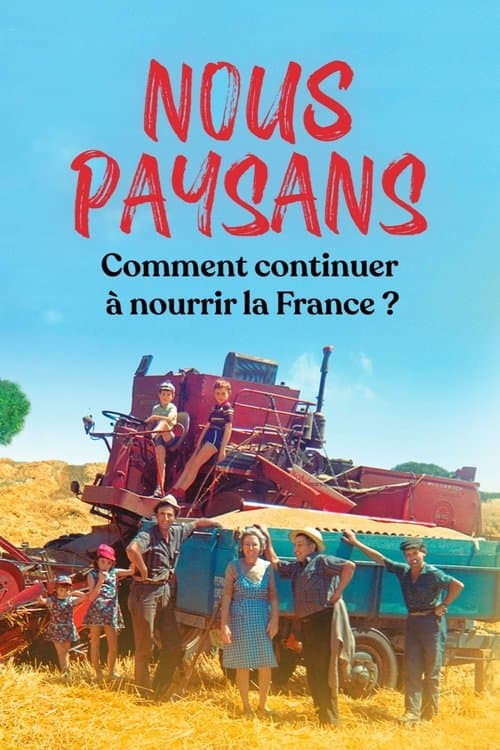
In barely a century, French peasants have seen their world profoundly turned upside down. While they once made up the vast majority of the country, today they are only a tiny minority and are faced with an immense challenge: to continue to feed France. From the figure of the simple tenant farmer described by Emile Guillaumin at the beginning of the 20th century to the heavy toll paid by peasants during the Great War, from the beginnings of mechanization in the inter-war period to the ambivalent figure of the peasant under the Occupation, From the unbridled race to industrialization in post-war France to the realization that it is now necessary to rethink the agricultural model and invent the agriculture of tomorrow, the film looks back at the long march of French peasants.
The people, the scenery and the industrial traditions of the Stroud valley and the growth of the woollen industry.
This short film serves as a cautionary tale to farmers who recklessly cut down trees on their land. When prairie farmers engaged in this practice to facilitate plowing, they discovered that the trees had served as windbreaks protecting top soil from erosion. The Dominion Department of Agriculture's experimental station at Indian Head, Saskatchewan, cultivated acres of young trees for distribution to farmers.
An organic farmer in Maine sets out to transform the prison food system. Seeds of Change captures the intersecting stories of life-long farmer Mark McBrine and several incarcerated men as they harvest their own meals from a five-acre prison garden unlike any other.
This short documentary illustrates rural French Canadian life in the early 1940s. The film follows Alexis Tremblay and his family through the busy autumn days as they bring in the harvest and help with bread baking and soap making. Winter sees the children revelling in outdoor sports while the women are busy with their weaving, and, with the coming of spring young and old alike repair to the fields once more to plough the earth in preparation for another season of varied crops. One of the first NFB films to be produced, directed, written and shot by women.
The Indian Act, passed in Canada in 1876, made members of Aboriginal peoples second-class citizens, separated from the white population: nomadic for centuries, they were moved to reservations to control their behavior and resources; and thousands of their youngest members were separated from their families to be Christianized: a cultural genocide that still resonates in Canadian society today.
Documentary on the Canadian career of train robber Billy Miner, who became a folk hero in British Columbia. Locations near Kamloops and Mission are explored in present day.
An expedition to climb British Columbia's highest mountain goes awry in the face of bad weather, a series of comic mishaps and the stubborn insistence of its leader on using antique climbing equipment.
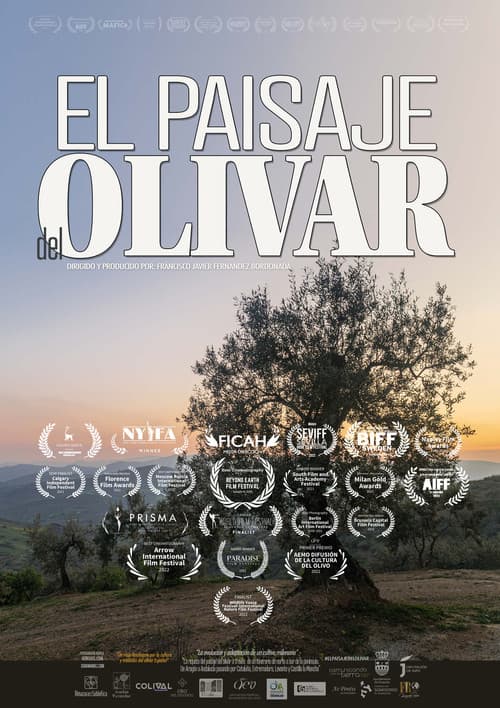
The landscape of the olive grove is the protagonist of the Mediterranean territory and is shown in this documentary at ground level and from a bird's eye view, in different unique locations of the Iberian Peninsula. From the Somontano de Barbastro in Aragón, to the south of Andalusia, with a sea of olive trees, in the mountain ranges or in the fertile plains and riverbanks. A humanized territory that, for centuries, has been sculpting history and this, not only giving a characteristic identity to our landscape, but also outlining the gastronomic tradition and culture of the Mediterranean.
Patrick Kielty explores the untold story of Harry Ferguson and Henry's Ford's remarkable handshake agreement and how it led to a $250 million lawsuit.
Presents the history of the conflict between the Canadian government and the Kwakiutl Indians of the Northwest Pacific over the ritual of the Potlatch. Archival photographs and films, wax roll sound recordings, police reports, the original potlatch files, and correspondence of agents form the basis of the reconstruction of period events, while the film centres on a Potlatch given today by the Cranmer family of Alert Bay.
Farmers in the Île-de-France region, they filmed life on the farm, working in the fields, and family and village celebrations on 8 mm or Super 8 film. From the 1950s to the 1980s, these testimonies unfold a history of rural life: we move away from a peasant and family model to industrial agriculture for export. Through these family images, I attempt to answer my own questions about our agricultural future. In the 1950s, the land of Île-de-France fed us.
A documentary following 12-year-old Paul and his brother Germain during a transformative summer in rural France. The film explores the loss of innocence as Paul confronts the harsh financial and physical realities of his family's farming livelihood, highlighting the father-son bond and an uncertain future.
Railroad of Hope consists of interviews and footage collected over three days by Ning Ying of migrant agricultural workers traveling from Sichuan in China's interior, to the Xinjiang Autonomous Region, China's northwest frontier.[1] Through informal interviews aboard the cramped rail cars, Ning Ying explores the hopes and dreams of the workers, many of whom have never left their homes before.
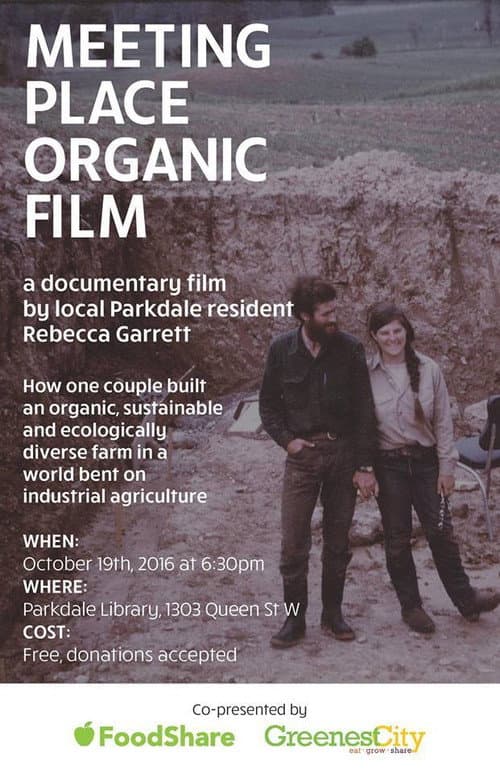
Local, organic, and sustainable are words we associate with food production today, but 40 years ago, when Fran and Tony McQuail started farming in Southwestern Ontario, they were barely spoken. Since 1973, the McQuails have been helping to build the organic farming community and support the next generation of organic farmers. This is a documentary about the McQuails that explores the very real ways their farm has contributed to the long term ecological viability of agriculture in Ontario. It is a call to action for all those who believe there is a better way to take care of our planet and feed the world.
Ranch Album depicts real cowboy life and rough country ranching in Northern Arizona season by season, revealing a sense of spirit and culture that have survived in the American west for a very long time.
Christmastime at the Roman Catholic-run Kamloops Indian Residential School in British Columbia.