A love letter told through still photographs
What's it like starting a family when you're both transgender? This intimate film follows Hannah and Jake Graf on a journey through prejudice and surrogacy to birth during lockdown.
A glimpse of the pre-history of cinema starting with the projections of Etienne Gaspard Robert (also known as M. Robertson), who used magic lanterns and other optical illusions to develop the genre of the Gothic phantasmagoria in the late eighteenth century.
I was scrounging around the neighborhood for inspiration. Within a block from my apartment, I found a wild mushroom in the grass, and an advertisement for a psychic named Sara.
Paco and Manolo are two Catalan photographers from the outskirts of Barcelona who have been working together for thirty years as if they were a single person, capturing their images in Kink magazine, a very personal photography fanzine with a homoerotic aesthetic of Mediterranean essence.
No overview available.
James Andersen: Over 50 Years of Taking Pictures is a culmination of photos, films that are brought to life with Andersen's own words. The James Andersen collection documents over 50 years of community life in and around Makkovik, Labrador. The stories that accompany "Uncle Jim's" work explain why for over 50 years he has never been without a camera as he documented daily rituals and life. Andersen does not shy away from telling these stories but shares them with conviction and with a voice that honours each event's importance; the church being rebuilt, fish being caught, and stories of sickness and death are each told with the same reverence.
Traces the lives of the Hartings, a blind Montreal family of three who make their living singing in the city's subway stations. The Hartings lost their only sighted child Hassan in a tragic drowning accident, and have since turned to the teachings of Russian mystic Grigori Grabovoi, hoping to resurrect their son. Resurrecting Hassan is an exploration of this family's legacy of grief, tragedy and abuse; the film will follow them on their path to redemption.
A short documentary about Chun, who lives in Vienna.
Arctic Tale is a 2007 documentary film from the National Geographic Society about the life cycle of a walrus and her calf, and a polar bear and her cubs, in a similar vein to the 2005 hit production March of the Penguins, also from National Geographic.
Rosa is from Croatia and lives in Switzerland, with her husband who depends on her care. She takes care of everything. Her children have grown up and want to leave home. Rosa stays behind alone.
The mother of animation director Rebecca Blöcher didn’t want to live an ordinary life. She wanted “something more,” she explains in this stop-motion film. The people around her didn’t understand—in a letter written in 1968, a girlfriend criticizes her for going out on her own and making men jealous, while advising her to dress in a more “feminine” way and to join a cooking course. Blöcher’s mother brushed aside the advice. Years later still, she divorced her husband and stepped into the big wide world.
A contemplation of art and adventure in the southern wilds of New Zealand by both a landscape photographer and an adventure filmmaker. This film is the unexpected result of their two unique perspectives.
Shot over five years. A unique document of the creative work of the most representative artist of her generation. She is a painter (she creates a 240 m mural in the film), and a photographer of icons, which reflect everything human that the spirit contains. Life and thought of an essential artist, creator over three decades of an internationally recognized work and deserving of the National Photography Award. “The Look of Ouka Lele” is the story of how the creativity of a genius develops, his passion and his struggle in thought, painting and photography. Art and existence, united by the effort, talent and beauty of a creator in eternal struggle.
Thomas Haemmerli is about to celebrate his fortieth birthday when he learns of his mother's death. A further shock follows when he and his brother Erik discover her apartment, which is filthy and full to bursting with junk. It takes the brothers an entire month to clean out the place. Among the chaos, they find films going back to the 1930s, photos and other memorabilia.
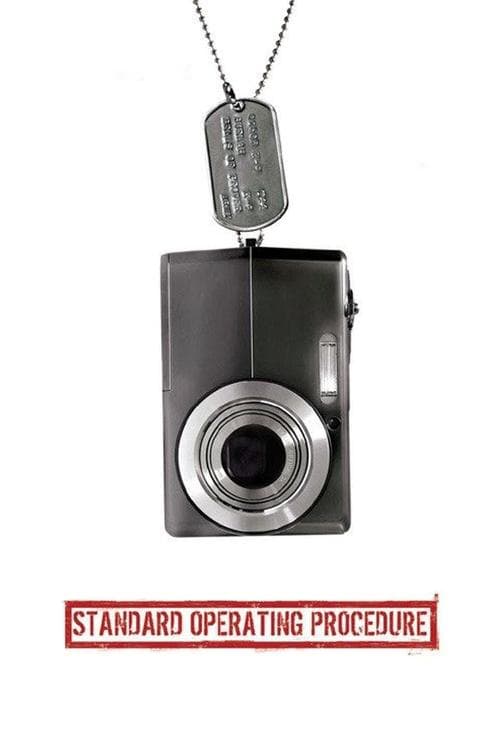
Errol Morris examines the incidents of abuse and torture of suspected terrorists at the hands of U.S. forces at the Abu Ghraib prison.
At 85, Icelandic design icon Gunnar Magnússon begins a final project with help from his daughter Tinna. As his health suddenly fails, she is left to complete the work herself, turning her father’s last creation into a daughter’s final gesture of love.
In Uganda, AIDS-infected mothers have begun writing what they call Memory Books for their children. Aware of the illness, it is a way for the family to come to terms with the inevitable death that it faces. Hopelessness and desperation are confronted through the collaborative effort of remembering and recording, a process that inspires unexpected strength and even solace in the face of death.
No Trailers found.
Self